The burgeoning intersection of artificial intelligence and interactive entertainment has reached a critical inflection point as S-Game, the Beijing-based developer behind the highly anticipated action title Phantom Blade Zero, has formally clarified its development philosophy. In an industry increasingly leaning toward generative AI to streamline production pipelines and reduce costs, S-Game CEO Qiwei Liang—widely known in the gaming community by his pseudonym "Soulframe"—issued a definitive statement affirming the studio’s commitment to human-centric design. This declaration comes as the project enters its final stages of development, positioning the title not only as a showcase of high-fidelity "Wuxia" action but also as a testament to traditional artistic labor in the digital age.
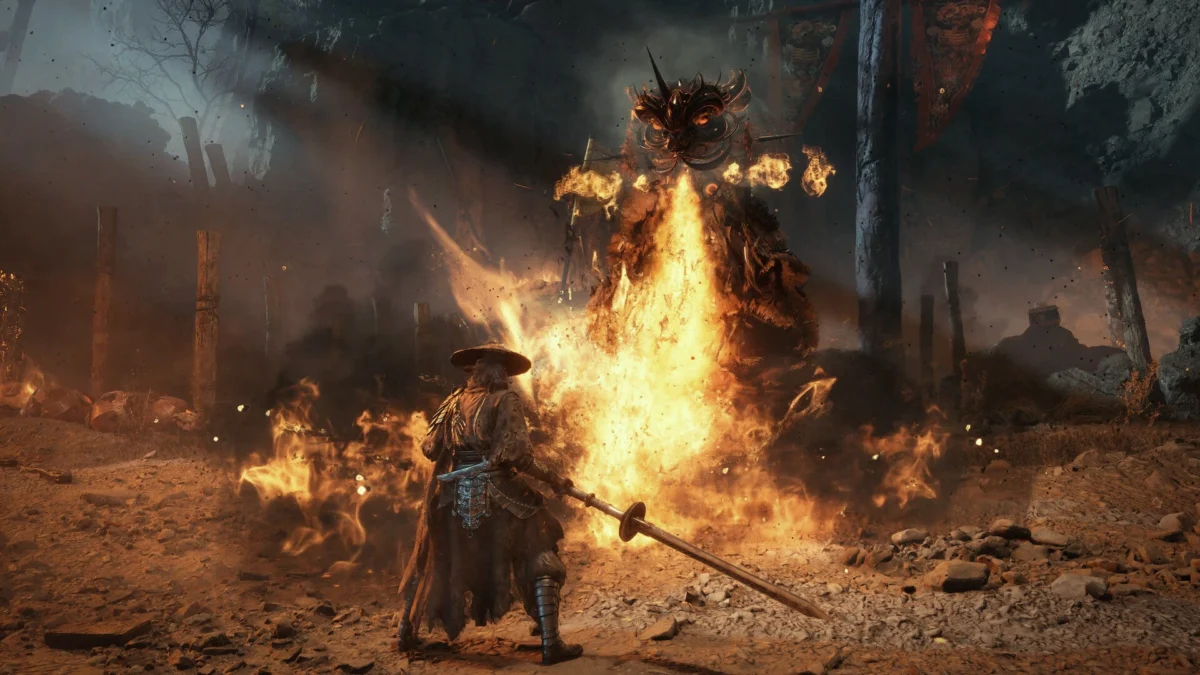
The studio’s stance serves as a counter-narrative to a broader trend within the global gaming industry, where major publishers have begun integrating Large Language Models (LLMs) and AI-generated imagery into their workflows. For S-Game, the rejection of these tools is a matter of maintaining a specific creative "intent" that the studio argues cannot be replicated by algorithmic processes. According to Liang, every asset within Phantom Blade Zero has been crafted by hand, ranging from the environmental textures to the intricate combat animations that define the game’s "Kungfupunk" aesthetic.
The Philosophical Stand Against Generative Technology
The discourse surrounding generative AI in game development has intensified over the last eighteen months, with companies like Ubisoft and Electronic Arts exploring "AI NPCs" and automated environment generation. S-Game, however, has opted for a radically different path. In a public statement shared via the game’s official channels, Liang acknowledged the ongoing "technological revolution" but drew a firm line regarding its application in their flagship project.
"We will not use AI visual tech that could alter our artists’ original creative intent," Liang stated. This position is rooted in the belief that human artistry is the primary value proposition of the medium. The studio’s philosophy suggests that while AI can optimize efficiency, it often does so at the expense of the "soul" or specific cultural nuances inherent in a genre as historically and artistically rich as Wuxia. By prioritizing human labor, S-Game aims to ensure that every frame of the game reflects a deliberate choice made by a professional artist rather than a statistical probability generated by a machine.
Technical Execution: A Fusion of Tradition and Modernity
To achieve the level of detail seen in the game’s trailers, S-Game utilized a rigorous production methodology that combines cutting-edge hardware with old-world techniques. This approach is most visible in the game’s environmental design and character modeling.
Environmental Authenticity and "Kungfupunk"
The world of Phantom Blade Zero is a reimagined version of ancient China, a style the developers have dubbed "Kungfupunk." To ground this fantasy world in reality, the development team conducted extensive field research across mainland China. They visited ancestral halls in Fujian province, preserved ancient towns in Zhejiang, and abandoned industrial sites in Beijing, such as old steel factories. These locations were meticulously scanned using high-resolution photogrammetry.
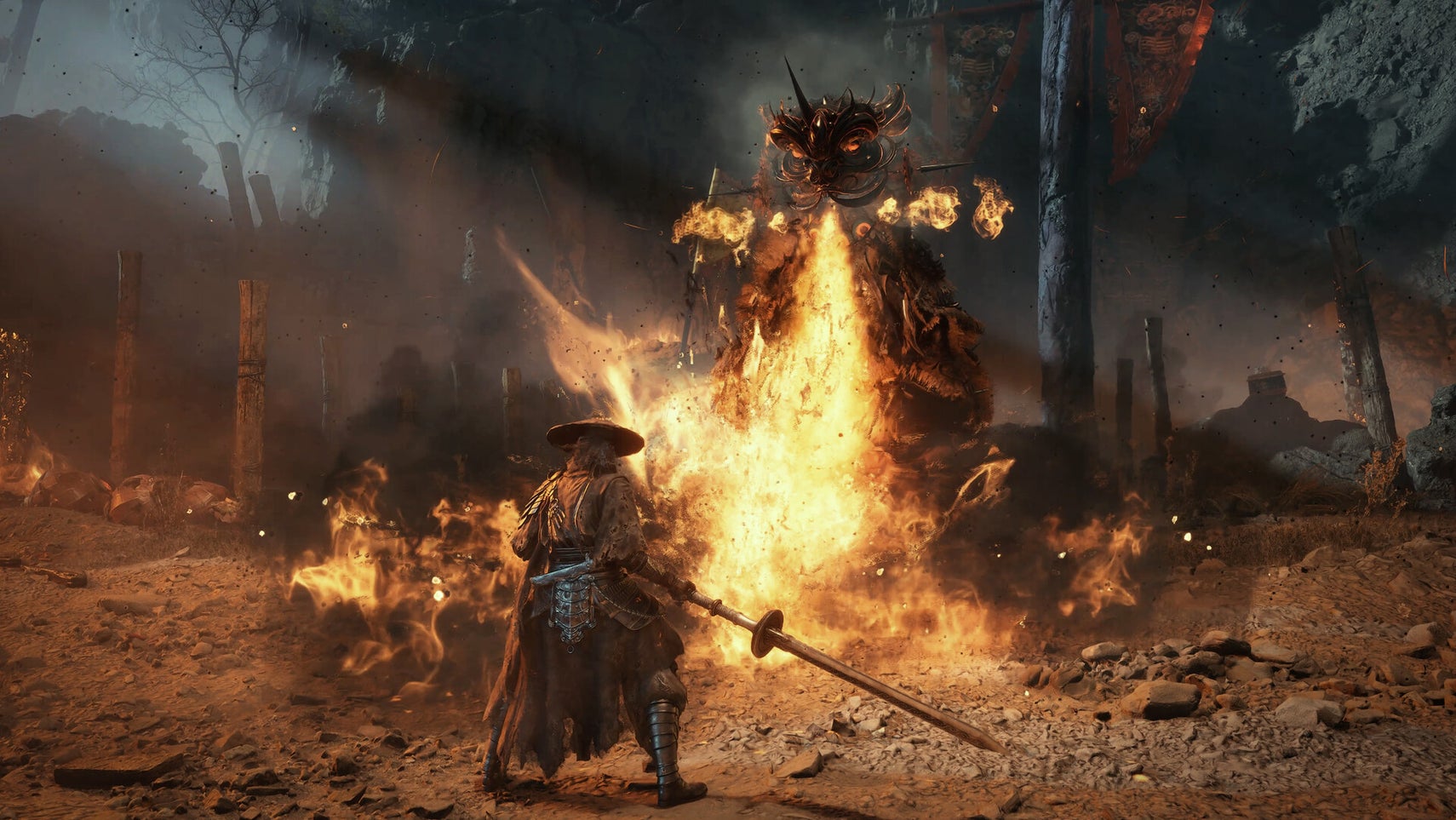
However, rather than allowing an AI to fill in the gaps or generate variations of these structures, the artists at S-Game manually recombined these scans to create unique, surreal landscapes. Furthermore, the in-game maps—a crucial element for player navigation and world-building—were hand-drawn by artists from the prestigious Central Academy of Fine Arts in Beijing. These artists utilized traditional Chinese brushes and rice paper, which were then digitized to maintain the authentic texture and stroke weight of classical Chinese ink painting.
Combat and Physical Craftsmanship
The authenticity of the game’s combat system, which features rapid-fire swordplay and complex parry mechanics, is bolstered by physical craftsmanship. S-Game revealed that the weapons wielded by the protagonist and various bosses were not merely designed on a computer. Instead, the studio commissioned professional swordsmiths to forge physical replicas of the in-game weapons. These real-world objects were then used during motion capture sessions to ensure that the weight, balance, and kinetic energy of the strikes felt grounded in physical reality.
This dedication extends to the auditory and linguistic elements of the game. Unlike some contemporary titles that have experimented with AI-generated voice synthesis for minor characters or localization, S-Game has employed a full cast of professional voice actors for both the English and Chinese versions. The studio has committed to "full lip-syncing" for both languages, a labor-intensive process that requires manual adjustment to ensure that the character models’ facial movements align naturally with the spoken dialogue.
Chronology of Development and Studio Evolution
The journey of Phantom Blade Zero is a significant milestone for S-Game, marking its transition from an indie developer to a contender in the AAA space.
- 2010: Qiwei Liang releases Rainblood: Town of Death, a stylized indie RPG that would eventually evolve into the Phantom Blade franchise.
- 2013–2021: S-Game focuses on the mobile market, releasing titles like Phantom Blade: Executioners. These games allowed the studio to refine its art style and build the financial capital necessary for a large-scale console project.
- May 2023: Phantom Blade Zero is officially revealed during the PlayStation Showcase, garnering international attention for its fluid combat and dark, atmospheric visuals.
- June 2024: A playable demo debuts at Summer Game Fest, receiving praise for its performance on PlayStation 5 hardware.
- Late 2024: The studio enters the "final stages" of development, shifting focus to optimization and bug fixing.
- Scheduled Release: The game is currently slated for launch on September 9, 2025, on PlayStation 5 and PC via Steam and the Epic Games Store.
Industry Context and the Global AI Debate
S-Game’s vocal rejection of AI comes at a time when the video game industry is grappling with the ethical and practical implications of automation. In late 2024 and early 2025, labor unions like SAG-AFTRA have raised concerns regarding the use of AI to replicate the voices and likenesses of performers without adequate compensation or consent. By emphasizing that their character models are built from 3D scans of real actors and that their voices are provided by human performers, S-Game aligns itself with the "pro-labor" sentiment currently sweeping through Western and Eastern development circles.
Furthermore, the decision to avoid generative AI serves as a strategic differentiator in a crowded market. As AI-generated content becomes more prevalent, it often carries a recognizable "sheen" or lack of intentionality that some critics argue leads to visual fatigue. S-Game is betting that players will recognize and appreciate the "hand-crafted" nature of their world, potentially creating a "prestige" status for the game that sets it apart from more procedurally generated competitors.
Economic and Market Implications
From a business perspective, S-Game’s commitment to human artistry is a high-risk, high-reward strategy. The cost of manual labor, particularly for high-end 3D modeling and hand-drawn art, is significantly higher than using automated tools. However, this investment appears to be part of a broader goal to establish the Phantom Blade IP as a premier global brand.

By partnering with Sony for PlayStation 5 console exclusivity (at launch) and targeting a global audience through Steam and Epic Games, S-Game is positioning itself as a leader in the "C-Action" (Chinese Action) genre. This genre has seen a massive surge in interest following the success of titles like Black Myth: Wukong, which also leaned heavily into traditional Chinese culture and high-end technical fidelity.
Market analysts suggest that S-Game’s stance may also be a response to the Chinese gaming community’s specific tastes. Chinese players have shown a strong preference for titles that exhibit high production values and cultural authenticity. By highlighting the use of traditional brushes, rice paper, and local architectural scans, S-Game is tapping into a sense of national cultural pride while simultaneously appealing to global players’ desire for novel, high-quality experiences.
Final Outlook Ahead of Launch
As the September 9 release date approaches, S-Game reports that it is "pouring every available resource" into the project. The studio’s refusal to cut corners through AI suggests a level of confidence in their existing talent pool and their vision for the game.
"S-Game didn’t just hire a group of developers to make a game," Liang concluded in his statement. "We decided to make a game that everyone here could be deeply proud of."
Whether this commitment to traditional craftsmanship translates into critical and commercial success remains to be seen. However, in an era defined by rapid technological shifts, Phantom Blade Zero stands as a significant case study in the value of human agency in digital creation. For the players waiting to step into the dark, rain-soaked world of "Kungfupunk," the knowledge that every blade and every backdrop was forged by human hands adds a layer of depth that no algorithm could provide.