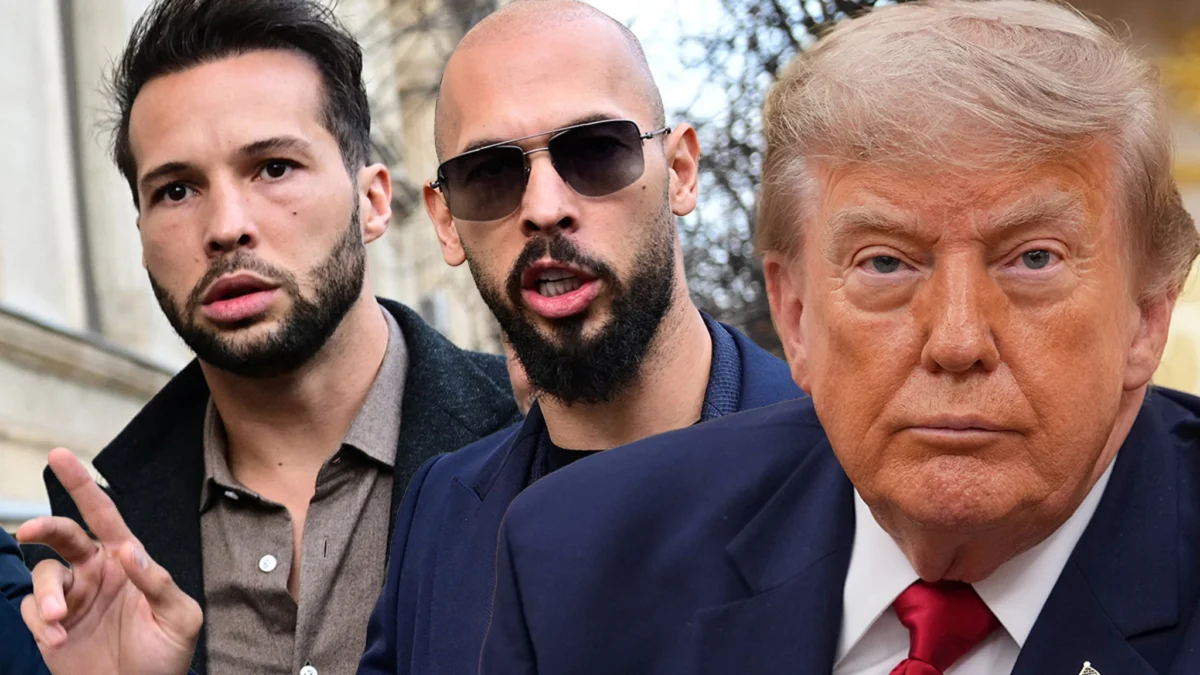
President Donald Trump has unequivocally signaled his administration will not intervene on behalf of controversial influencers Andrew and Tristan Tate, who are currently embroiled in an international legal battle following their arrest in Florida. The White House’s stance, articulated by Press Secretary Karoline Leavitt, suggests a clear distancing from the brothers, who face extradition to the United Kingdom on serious charges including rape, sex trafficking, and pornography. However, the Tates’ legal counsel, Joseph McBride, asserts that the extradition process is far from concluded, emphasizing the critical role of the Secretary of State’s signature in any final decision.
White House Declines Intervention Amidst Extradition Proceedings
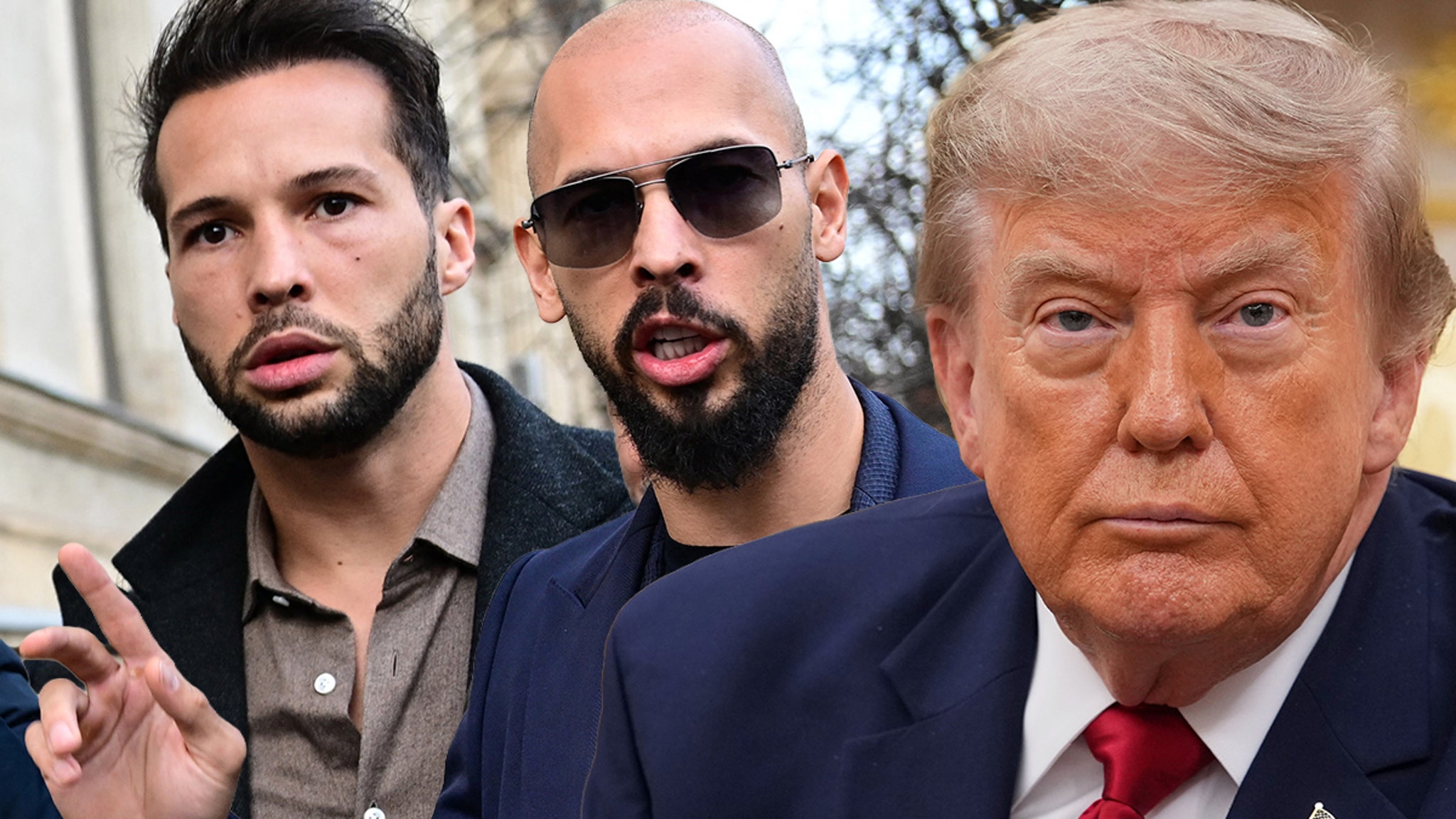
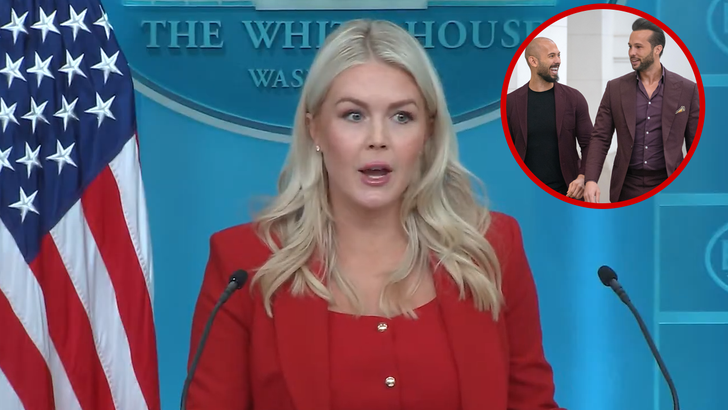
On Thursday, July 23, 2026, White House Press Secretary Karoline Leavitt addressed media inquiries regarding the Tate brothers’ predicament, stating that President Trump has no intention of interceding in their legal troubles. This announcement effectively quashes any speculation that the administration might offer assistance to the self-proclaimed "super misogynistic influencers," who command a vast but polarized online following. Leavitt’s remarks were delivered during a routine press briefing, where she swiftly dispelled rumors of presidential involvement, underscoring the administration’s intent to allow the legal process to unfold without executive interference. The decision not to intervene sends a strong message, particularly given the Tates’ highly controversial public image and the gravity of the charges against them. For an administration often perceived as embracing figures from the cultural right, this non-interventionist approach highlights a calculated move to avoid association with allegations of such severe criminal misconduct. The charges, originating from the United Kingdom, place the brothers at the center of another international legal storm, following previous arrests and indictments in Romania.
The Arrest and UK Extradition Warrant
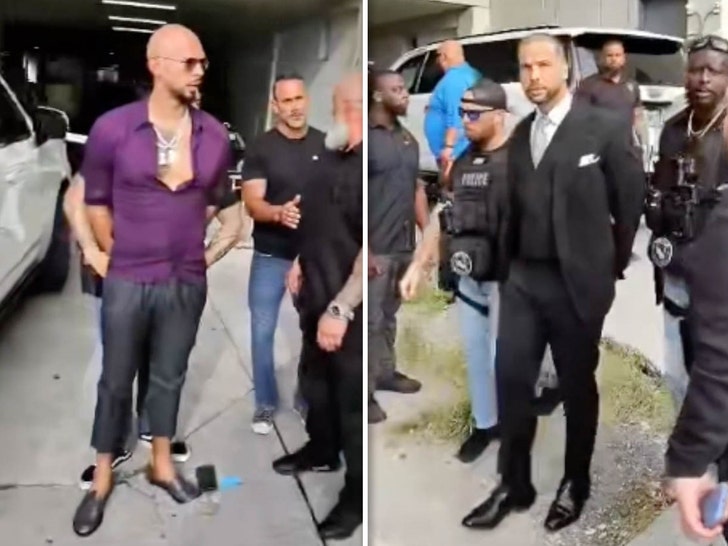
The latest chapter in the Tate brothers’ legal saga began on Saturday afternoon, July 18, 2026, when U.S. Marshals executed a UK extradition warrant in Miami, Florida, leading to their arrest. The warrant seeks their return to the United Kingdom to face charges that include rape, sex trafficking, and the creation of pornographic material. This arrest marks a significant escalation in their global legal entanglements, pulling them from their recent base in the United States back into the complex machinery of international justice. Extradition warrants are formal requests from one sovereign state to another for the surrender of an individual alleged to have committed a crime. For the warrant to be executed in the U.S., it typically undergoes review by the Department of Justice to ensure it meets the requirements of the existing extradition treaty between the U.S. and the UK, and that the alleged offenses constitute crimes in both jurisdictions, a principle known as dual criminality. The speed of the Marshals’ action underscores the seriousness with which the UK’s request was treated by U.S. authorities.
Attorney Joseph McBride’s Legal Counter-Argument
Despite the White House’s definitive statement, the Tate brothers’ attorney, Joseph McBride, maintains that the battle for extradition is far from over. Speaking to TMZ, McBride acknowledged Press Secretary Leavitt’s position but critically differentiated it from the ultimate legal authority required for extradition. "Ms. Leavitt is great, but she is not the President or the Secretary of State," McBride stated, adding, "There is no extradition without the Secretary of State’s signature. Until that signature exists, it’s all commentary." This highlights a crucial procedural step in the U.S. extradition process. After a federal court determines that an individual is extraditable, the final decision to surrender the individual to the requesting country rests with the U.S. Secretary of State, who has the discretion to approve or deny the extradition, even if a court has found the individual extraditable. This executive branch review can consider various factors, including humanitarian concerns or political implications, although such denials are rare in standard criminal cases.
McBride has previously indicated his intent to vigorously fight the extradition, acknowledging that "fighting extradition is a high bar." However, he plans to argue for "special circumstances" that should prevent the brothers from being sent back to the UK. Central to his argument is the brothers’ purported compliance with legal proceedings over the past three years. McBride asserts that Andrew and Tristan Tate are not a flight risk, citing their consistent adherence to court dates in both their Romanian human trafficking case and a Palm Beach defamation case. He emphasizes that they have not missed a single court appearance in either jurisdiction, presenting this as evidence of their commitment to cooperating with legal systems and refuting the notion that they would evade justice. This strategy aims to persuade the courts and, ultimately, the Secretary of State, that their continued presence in the U.S. poses no risk to the judicial process.
A History of Legal Battles and Controversies
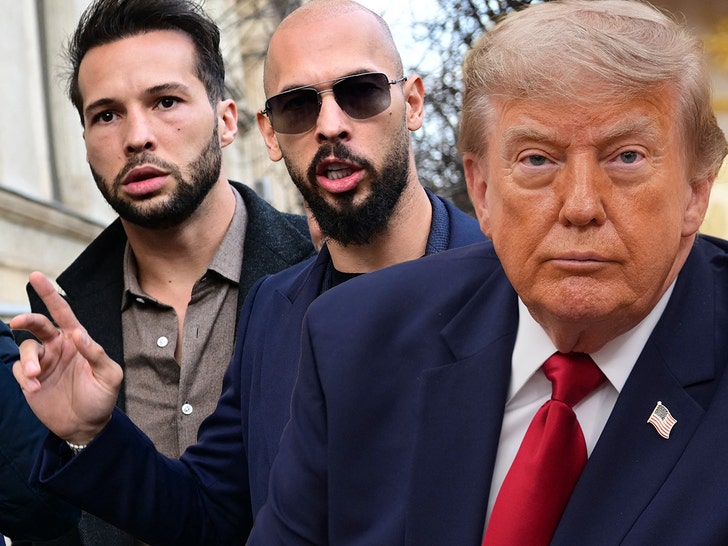
The Tate brothers’ current legal predicament is not an isolated incident but rather the latest development in a series of highly publicized legal challenges that have spanned multiple countries. Before their recent arrest in Florida, Andrew and Tristan Tate gained international notoriety for their controversial online presence and for being indicted in Romania on charges of human trafficking, rape, and forming an organized crime group to exploit women. That case, which began with their initial arrest in December 2022, saw them held in pre-trial detention and later placed under house arrest and judicial control, with strict travel restrictions. The Romanian authorities formally indicted them in June 2023, alleging they exploited women through a webcam studio business. The brothers have consistently denied all allegations in the Romanian case, much like their current stance regarding the UK charges.
Concurrently, the Tates have been involved in a defamation lawsuit in Palm Beach, further demonstrating their ongoing engagement with various legal systems. This pattern of legal disputes across different jurisdictions complicates their defense and underscores the global nature of their legal entanglements. Their public persona, characterized by Andrew Tate’s self-proclaimed status as a "trillionaire" and his promotion of hyper-masculine, often misogynistic, viewpoints, has garnered them a massive following, particularly among young men. This online influence, however, has also drawn significant criticism and scrutiny, with many viewing their content as harmful and promoting a culture of misogyny. The legal challenges they face are often seen through the lens of their public identity, adding layers of public interest and debate to each development.
The Intricacies of International Extradition
The process of international extradition, particularly between the United States and the United Kingdom, is governed by a complex web of treaties and legal statutes. Once an individual is arrested on an extradition warrant, as the Tates were, they are typically brought before a U.S. federal magistrate judge. The judge’s role is to determine whether there is probable cause to believe that the individual committed the offense for which extradition is sought and whether the charges meet the requirements of the extradition treaty. This judicial phase does not determine guilt or innocence but rather the legal sufficiency of the extradition request. If the judge finds the individual extraditable, they issue a certification of extraditability to the Secretary of State.
As attorney Joseph McBride highlighted, the Secretary of State then makes the final decision. This executive phase allows for considerations beyond strict legal interpretation, although it is primarily a diplomatic function. The Secretary of State can deny extradition on humanitarian grounds, if the offense is deemed political, or if there are concerns about the fairness of the judicial process in the requesting country. However, such denials are rare when a valid extradition treaty is in place and the judicial process has affirmed extraditability. The Tates’ legal team will likely exhaust all avenues in the judicial phase, presenting arguments against probable cause, challenging the dual criminality of the offenses, and introducing their "special circumstances" argument about compliance and flight risk. Should they lose in the lower courts, appeals to higher federal courts are possible, further prolonging the process. This multi-layered legal framework means that even with a clear White House stance, the actual physical transfer of the Tates to the UK could be months, if not years, away, depending on the vigor of their defense and the pace of the U.S. judicial system.
Broader Implications: Political and Cultural Ramifications
The White House’s decision to distance itself from Andrew and Tristan Tate carries significant political and cultural implications. For President Trump, who often cultivates an image of defying mainstream political norms, the choice not to intervene in a case involving figures celebrated by a segment of his base reflects a strategic calculation. Associating with individuals facing such severe allegations, especially those involving sexual exploitation, could be politically damaging, potentially alienating broader swaths of the electorate and providing fodder for critics. The Tates’ "manosphere" following, while substantial, is also deeply polarizing, and a presidential endorsement or intervention could easily backfire. The administration’s move suggests a desire to avoid being drawn into the cultural wars surrounding the Tates’ controversial brand, preferring to maintain a position of neutrality on a matter that is fundamentally a legal rather than a political issue.
From a broader societal perspective, the case continues to highlight the complex interplay between online influence, celebrity culture, and the legal system. The Tates’ ability to amass a massive following and generate significant discourse, even amidst serious criminal allegations, speaks to the power of social media in shaping public opinion and creating new forms of celebrity. Their legal battles also bring into sharp focus the challenges of international law enforcement in an increasingly globalized digital world, where individuals can operate across borders and build communities online that transcend national jurisdictions. The outcome of this extradition battle, and the subsequent proceedings in the UK if extradition is successful, will undoubtedly be watched closely by legal experts, human rights advocates, and followers of internet culture alike, setting potential precedents for how high-profile online personalities are held accountable under international law.
Ultimately, while the White House has drawn a clear line, the legal saga of Andrew and Tristan Tate is far from concluded. The complex interplay of U.S. and UK legal systems, coupled with the determined efforts of their defense team, ensures that their future remains uncertain, with the final word on their extradition yet to be written by the Secretary of State. President Trump may have issued his "don’t let the door hit ya" message, but the door to prolonged legal maneuvering remains wide open, at least for now.