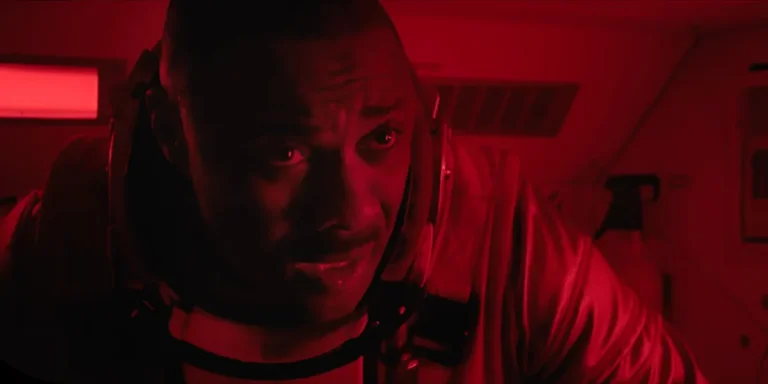
François Ozon’s highly anticipated cinematic adaptation of Albert Camus’ seminal 1942 novel, "The Stranger," has officially premiered, gracing the prestigious 82nd Venice International Film Festival’s main competition. The film, a dramatic reimagining of the existentialist masterpiece, features Benjamin Voisin in the pivotal role of Meursault, the detached protagonist whose seemingly inexplicable actions ignite a profound philosophical examination of life, death, and societal judgment. The ensemble cast also includes notable performances from Rebecca Marder, Pierre Lottin, Swann Arlaud, and Denis Lavant, further bolstering the film’s artistic pedigree.
The selection of "The Stranger" for the Venice Film Festival’s main competition underscores its significance in the international film landscape. The festival, a venerable institution with a history dating back to 1932, serves as a crucial platform for launching significant cinematic works onto the global stage. Being nominated for the coveted Golden Lion, the festival’s highest honor, signifies the critical acclaim and potential impact of Ozon’s latest endeavor. This nomination positions the film among a select group of international cinematic achievements, vying for recognition at one of the world’s most influential film events.
A Cinematic Journey Through Existentialism
François Ozon, a director renowned for his nuanced explorations of human psychology and often controversial themes, has taken on the monumental task of translating Camus’ sparse yet profound prose to the screen. "The Stranger" (originally "L’Étranger") by Albert Camus is a cornerstone of 20th-century literature, celebrated for its exploration of absurdism, the indifference of the universe, and the societal rejection of individuals who refuse to conform to expected emotional responses. Meursault, the novel’s protagonist, is a man who lives without pretense, unburdened by conventional morality or emotional displays, a stance that ultimately leads to his condemnation.
Ozon’s directorial approach is expected to bring a contemporary sensibility to Camus’ timeless narrative. The film’s setting, while not explicitly detailed in initial reports, will likely be scrutinized for its faithfulness to the spirit of the novel while potentially offering visual interpretations that resonate with modern audiences. The casting of Benjamin Voisin as Meursault is particularly noteworthy. Voisin, an emerging French actor, faces the considerable challenge of embodying a character whose internal world is defined by its outward inscrutability. His performance will be central to whether the film successfully conveys the philosophical underpinnings of Meursault’s character and the societal reactions he provokes.
The supporting cast, comprising established French actors, provides a strong foundation for Ozon’s vision. Rebecca Marder, Pierre Lottin, Swann Arlaud, and Denis Lavant are all respected figures in French cinema, each capable of bringing depth and complexity to their roles, likely portraying the societal forces that confront and judge Meursault.
Venice Film Festival: A Global Stage for "The Stranger"
The 82nd Venice International Film Festival, held annually on the Lido, is more than just a competition; it is a cultural event that shapes the trajectory of international cinema. Established in 1932, it is the oldest film festival in the world and remains a critical barometer for artistic merit and commercial potential. The festival’s main competition draws films from across the globe, selected by a prestigious jury for their artistic quality and thematic relevance.
This year’s festival, like others in recent memory, navigates the complexities of the global film industry, including evolving distribution models and the persistent demand for thought-provoking cinema. The presence of "The Stranger" in the main competition signifies its perceived artistic merit and its potential to spark dialogue among critics, industry professionals, and the public. The Golden Lion award is one of the most sought-after accolades in filmmaking, with past winners often experiencing significant boosts in critical reception and audience engagement.
Director’s Insights and Artistic Vision

François Ozon, in a candid discussion following the film’s premiere, offered valuable insights into his creative process and the challenges inherent in adapting Camus’ iconic novel. His willingness to engage with the press and share his experiences provides a rare glimpse into the director’s motivations and artistic choices. While the specifics of his statements are available through the provided audio-visual content, Ozon’s reputation suggests a deep engagement with the psychological and philosophical dimensions of his subject matter. Adapting a literary work of "The Stranger’s" stature requires not only fidelity to the source material but also a distinct directorial voice that can translate the novel’s internal monologues and existential themes into a compelling visual language.
Ozon’s filmography is characterized by a bold exploration of sexuality, identity, and societal norms. His work often challenges conventional narratives and invites audiences to confront uncomfortable truths about human nature. This established artistic inclination suggests that his adaptation of "The Stranger" will likely not be a purely literal translation but rather an interpretation that imbues Camus’ themes with a contemporary resonance, potentially highlighting aspects of Meursault’s alienation and societal judgment that remain relevant today.
Distribution and Wider Release
Following its high-profile debut at Venice, "The Stranger" is embarking on a phased release, beginning with select major metropolitan areas in the United States. The film is currently playing in New York, Los Angeles, San Francisco, Washington D.C., and Portland, with further expansion planned for Indianapolis and Baltimore. This initial rollout, managed by Music Box Films, is a strategic approach to build buzz and gauge audience reception in key markets before a broader national release.
Music Box Films has a strong track record in distributing independent and foreign-language films, known for their commitment to bringing arthouse cinema to American audiences. Their involvement suggests confidence in "The Stranger’s" artistic and commercial viability. The gradual expansion indicates a deliberate strategy to cultivate word-of-mouth and critical attention, aiming to maximize the film’s impact as it becomes more widely available. The subsequent national rollout will be a critical phase, determining the film’s ultimate reach and its ability to connect with a diverse audience beyond the major cultural hubs.
Podcast and Promotional Efforts
The premiere of "The Stranger" is accompanied by significant promotional efforts, including an engaging podcast episode featuring an interview with director François Ozon. This initiative, part of the Next Best Picture Podcast network and distributed by Evergreen Podcasts, offers an invaluable opportunity for audiences to hear directly from the filmmaker. Such direct engagement is crucial for building anticipation and providing context for the film.
The podcast format allows for a more in-depth discussion than traditional press releases, enabling Ozon to elaborate on his creative process, his interpretation of Camus’ work, and the nuances of bringing "The Stranger" to life on screen. This content serves not only as promotional material but also as an educational resource for cinephiles and students of literature and film, offering a deeper understanding of the film’s origins and artistic intent. The podcast’s availability across multiple platforms and its invitation for reviews on Apple Podcasts and support via Patreon highlight a modern, multi-faceted approach to film promotion that leverages digital media and community engagement.
The Enduring Relevance of Camus’ "The Stranger"
Albert Camus’ "The Stranger" remains one of the most influential novels of the 20th century, its themes of existentialism, absurdism, and the individual’s struggle against societal expectations continuing to resonate with readers and audiences. The novel’s stark portrayal of Meursault’s emotional detachment and his subsequent trial for murder, not for the act itself but for his perceived lack of grief at his mother’s funeral, continues to spark debate about morality, justice, and the nature of human consciousness.
François Ozon’s adaptation arrives at a time when discussions about authenticity, societal pressures, and individual freedom are particularly prominent. The film has the potential to reignite interest in Camus’ work and to provoke contemporary conversations about the ways in which society judges and categorizes individuals who deviate from perceived norms. The success of "The Stranger" in theaters will depend not only on its artistic merits but also on its ability to connect with a modern audience grappling with similar questions of identity, meaning, and belonging in an increasingly complex world. The film’s journey from the esteemed Venice Film Festival to a wider theatrical release will be closely watched as a testament to the enduring power of Camus’ narrative and Ozon’s directorial vision.