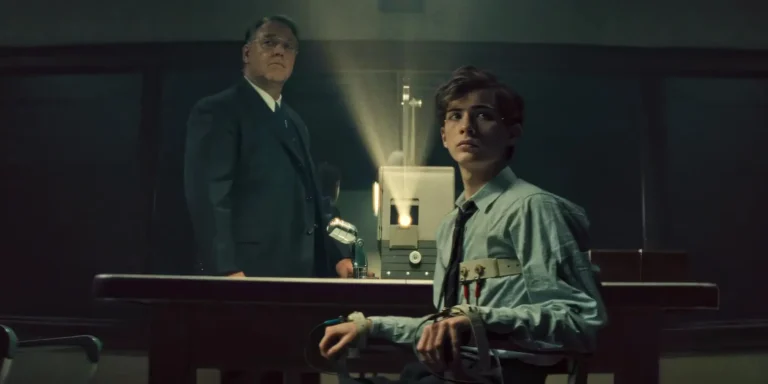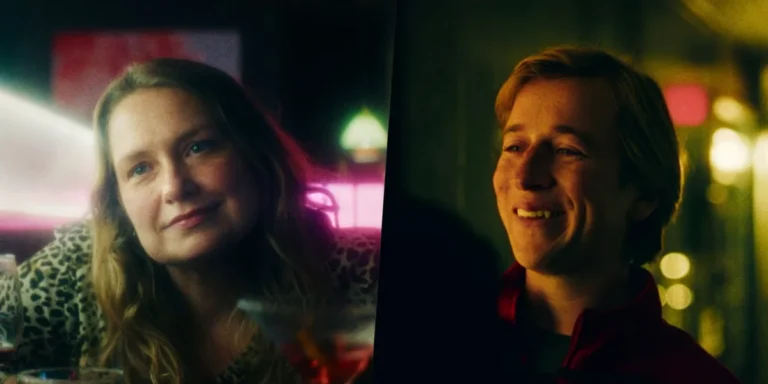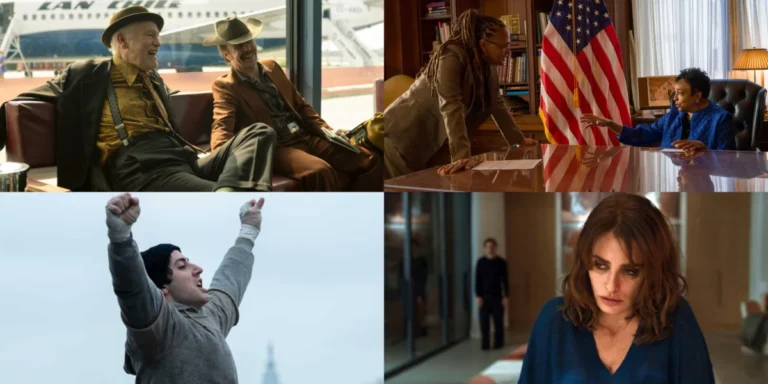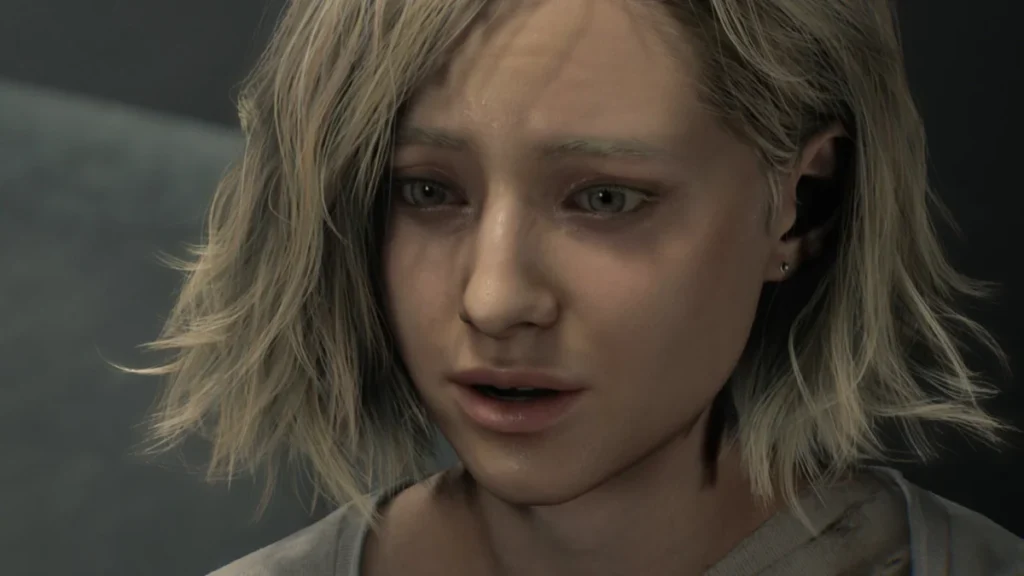

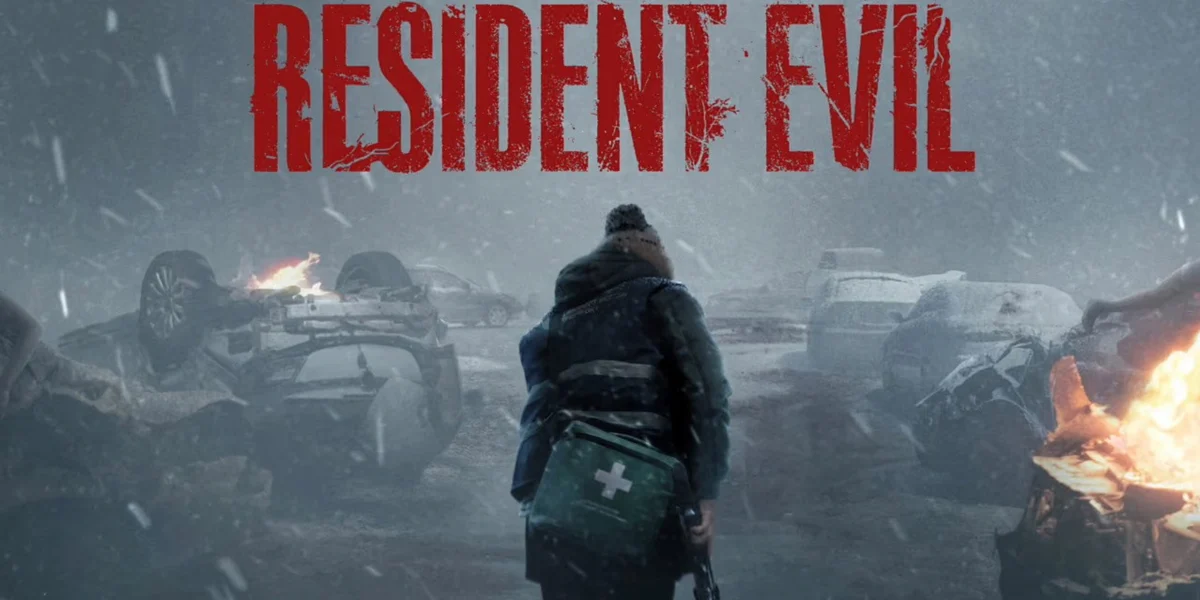
The latest installment in the long-running Resident Evil cinematic franchise has arrived, marking a significant tonal shift under the direction of filmmaker Zach Cregger. As part of this week’s primary broadcast, the Next Best Picture Podcast team—comprised of Larry Fried, Josh Parham, Brendan Hodges, and Will Mavity—conducted an in-depth, spoiler-heavy analysis of the production. The film, which adapts the foundational lore of the Capcom video game series, introduces a fresh narrative perspective through the eyes of Bryan, a medical courier portrayed by Austin Abrams, who finds himself navigating the chaotic collapse of Raccoon City.
Production Context and Franchise Evolution
The Resident Evil film franchise has undergone several iterations since its inception in 2002. Originally launched by director Paul W.S. Anderson, the series spanned six films featuring Milla Jovovich, grossing over $1.2 billion globally across the original run. Following the 2021 release of Resident Evil: Welcome to Raccoon City, which sought to align more closely with the source material of the first two video games, the studio opted for a further creative pivot.
Zach Cregger, previously recognized for his work in the horror-comedy genre—most notably the 2022 breakout hit Barbarian—was brought in to steer this latest iteration. His appointment signaled a departure from the high-octane action focus of the previous entries, favoring instead a blend of visceral horror and dark comedic sensibilities. The casting of Austin Abrams alongside Zach Cherry, Kali Reis, and Paul Walter Hauser indicates an ensemble approach that prioritizes character-driven stakes within the established survival-horror framework.
Chronology of the Raccoon City Narrative
The narrative structure of the current reboot focuses on the initial stages of the viral outbreak caused by the Umbrella Corporation. By centering the story on a medical courier, the screenplay offers a grounded look at the logistical collapse of Raccoon City, rather than relying solely on the tactical expertise of specialized military units often featured in earlier adaptations.
The chronology of the film follows a tight, high-pressure timeline:
- The Inception: The T-Virus containment breach occurs, initiating a rapid degradation of civil order.
- The Courier’s Journey: Bryan is introduced during a routine transit, providing the audience with a civilian perspective on the unfolding biological crisis.
- The Escalation: As the infection spreads, the film moves from isolated incidents to a city-wide survival scenario.
- The Climax: The intersection of disparate characters, including those played by Reis and Hauser, culminates in a desperate bid to escape the designated quarantine zone.
This pacing allows the film to oscillate between the claustrophobic dread of the early scenes and the frenetic, monster-heavy sequences that define the franchise’s legacy.
Supporting Data and Industry Metrics
The financial and critical reception of the Resident Evil franchise remains a cornerstone of its viability for Capcom and the producing studios. Historically, horror-action hybrids of this scale typically operate with mid-to-high-tier budgets, usually ranging from $35 million to $60 million. The inclusion of an ensemble cast suggests a strategic effort to balance star power with the high-production value required for practical and digital creature effects.
According to industry data, video game adaptations have seen a resurgence in both critical and commercial performance in the post-2020 landscape. Successful transitions from console to screen, such as The Last of Us (HBO) and The Super Mario Bros. Movie (Universal), have set a higher bar for fidelity and narrative coherence. This Resident Evil reboot is positioned to capitalize on this trend by maintaining a specific "horror-comedy" identity, a niche that has historically performed well during the October and mid-winter release windows.
Analysis of Directional Strategy
Zach Cregger’s directorial approach, as highlighted by the Next Best Picture panel, represents a conscious departure from the traditional "zombie action" trope. By integrating dark humor into the survival narrative, the film aims to replicate the "camp" elements that defined the original Capcom games, which often featured absurd, high-tension scenarios.

The inclusion of Paul Walter Hauser and Kali Reis provides a grounded, gritty counterpoint to the more stylized elements of the infected monsters. This dual-layer performance strategy is critical in maintaining the audience’s emotional investment. Without the grounding presence of these performers, the reliance on creature-based horror could easily drift into caricature. The podcast panel’s discussion emphasized how Cregger balances these elements, ensuring that while the film acknowledges its comedic potential, the stakes of the survival horror remain palpable.
Awards Season Potential and Critical Reception
While horror films are frequently overlooked by major industry awards bodies, the craft behind modern horror—specifically cinematography, practical effects, and sound design—often finds recognition in technical categories. The Next Best Picture team analyzed the potential for this film to garner nominations in technical fields. The use of practical effects, which has become a hallmark of the new wave of horror, is a significant point of interest for industry analysts.
If the film manages to sustain its momentum through the box office, it could influence the direction of future franchise installments. Should the "horror-comedy" experiment prove successful, it is likely that the studio will continue to pursue directors with distinct, auteur-driven voices rather than traditional studio-for-hire filmmakers. This would represent a fundamental shift in how IP-heavy projects are managed, moving away from uniform "house styles" toward creator-led visions.
The Role of Independent Analysis
The discourse surrounding films like this is increasingly driven by independent media outlets and podcast networks. The Next Best Picture Podcast, as a member of the Evergreen Podcasts Network, represents a growing segment of the media landscape that offers long-form, detailed reviews of genre films that might otherwise be dismissed by traditional, short-form outlets.
By providing a platform for detailed discussion—including spoiler-heavy breakdowns and character analysis—these podcasts offer a level of engagement that helps sustain the "long tail" of a film’s lifespan. The podcast’s commitment to discussing not just the plot, but the direction, tone, and industry context, provides listeners with a holistic view of the production’s place in the current cultural zeitgeist.
Broader Implications for the Resident Evil IP
The Resident Evil franchise is unique in its longevity. Having transitioned from a foundational title in the "Survival Horror" gaming genre to a multi-billion dollar transmedia brand, its ability to reinvent itself is essential to its survival. The current reboot serves as a litmus test for the brand’s relevance in a market saturated with horror content.
The decision to lean into the inherent strangeness of the source material—the bizarre mutations, the corporate conspiracies, and the isolated, high-tech environments—positions this film as a potential bridge between the older, action-centric fans and a younger, modern audience accustomed to the elevated horror aesthetic. If successful, the film will likely anchor a new trilogy or a series of spin-offs, further cementing Resident Evil as the preeminent horror franchise in modern cinema.
Conclusion and Future Outlook
As the audience continues to digest the impact of this new iteration, the conversation will likely shift toward the long-term legacy of Cregger’s involvement. Whether the film ultimately achieves "cult classic" status or serves as a definitive reboot of the series remains to be seen. However, the depth of the dialogue surrounding its release—as evidenced by the detailed breakdown on the Next Best Picture Podcast—highlights the enduring passion of the fanbase.
For those interested in a comprehensive analysis of the film’s narrative arcs, the specific choices made in the horror-comedy direction, and the nuanced performances of the cast, the full episode of the podcast provides a necessary deep dive. The film stands as a testament to the ongoing evolution of horror cinema and the persistent power of the Resident Evil name in global pop culture. As the industry looks forward to the next quarter of releases, this production serves as a significant case study in the adaptation of legacy media for a contemporary audience.