The Los Angeles Festival of Movies (LAFM) has officially announced its return for a third annual edition, scheduled to take place from April 9 through April 12. Anchored primarily on the city’s east side, the festival arrives at a pivotal moment for the Southern California cinematic landscape, aiming to fill a significant void in the independent film exhibition sector. Co-founded by Sarah Winshall, the producer behind notable independent titles such as I Saw the TV Glow and Good One, and Micah Gottlieb, the artistic director of the non-profit programming organization Mezzanine, the festival was conceived as a direct response to the dwindling number of platforms dedicated to non-commercial, experimental, and international cinema in Los Angeles.
The 2024 lineup emphasizes a commitment to debut features and personal storytelling, featuring a curated selection of critical successes from the global festival circuit, newly restored classics, and a high-profile world premiere. This year’s programming is particularly significant as the festival transitions into a new phase of independent operation, following a high-profile split with its former sponsor, MUBI. As the city continues to grapple with the loss of several major film institutions, LAFM seeks to establish itself as a permanent "watering hole" for filmgoers and a hub for genuine discovery within the heart of the global filmmaking industry.
The Evolution of the Los Angeles Festival Landscape
To understand the emergence of the Los Angeles Festival of Movies, one must look at the shifting tectonic plates of the city’s film culture over the last decade. Historically, Los Angeles has struggled to maintain a premier international film festival that rivals the prestige of New York, Toronto, or Sundance, despite being the production capital of the world. The 2018 shuttering of the Los Angeles Film Festival (LAFF), which was operated by Film Independent for nearly two decades, left a vacuum that has yet to be fully occupied by a single entity.
The situation grew more dire following the COVID-19 pandemic, which saw the permanent closure of several iconic venues, including the ArcLight Cinemas and Pacific Theatres chains. Furthermore, the local festival circuit suffered additional blows in 2023 with the demise of Outfest—one of the world’s leading LGBTQ+ film festivals—and the discontinuation of the Locarno in Los Angeles program. These exits left a "dearth of indie film exhibition" that Winshall and Gottlieb have sought to address. LAFM’s strategy focuses on a smaller, more curated experience, utilizing intimate venues that foster community rather than the sprawling, corporate-sponsored models of the past.
Opening and Closing Night Highlights
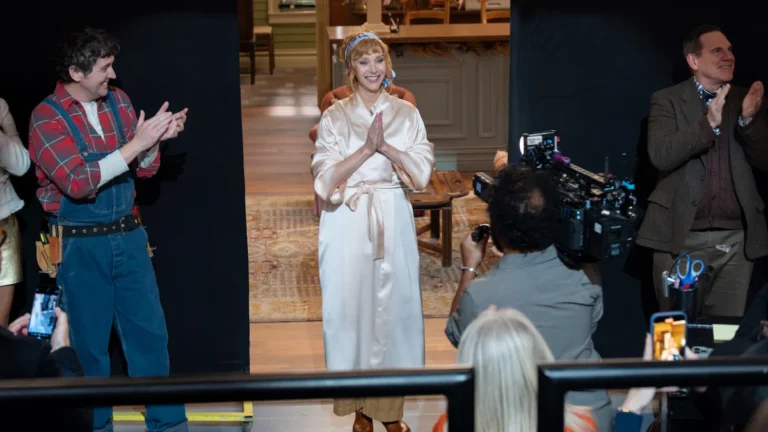
The festival will commence with the Los Angeles premiere of Maddie’s Secret, the feature directorial debut from actor and comedian John Early. After receiving significant acclaim following its debut at the Toronto International Film Festival (TIFF), the film has been positioned as a sharp, contemporary commentary on the intersection of social media and personal health. Early stars as a food influencer whose curated digital persona masks a private battle with bulimia. Industry analysts note that the film’s acquisition by Magnolia Pictures and its inclusion in New York’s prestigious New Directors/New Films (ND/NF) showcase suggest it is a strong contender for the upcoming awards season.
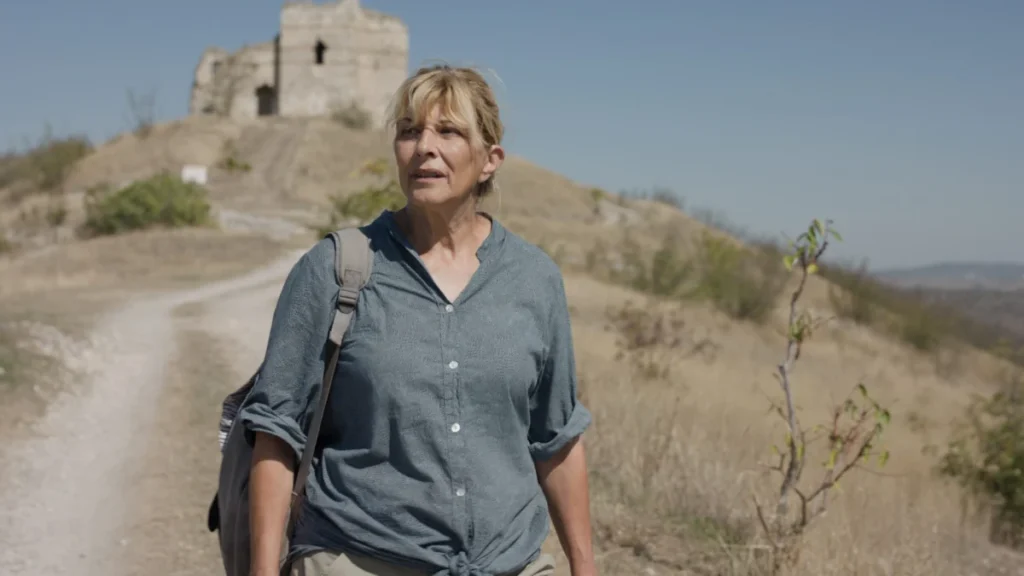
Closing the festival is the U.S. premiere of Blue Heron, the feature debut from Canadian filmmaker Sophy Romvari. The film serves as an elegant narrative exploration of her brother’s mental health struggles during his adolescence. Blue Heron arrives in Los Angeles with significant momentum, having secured the Swatch First Feature Award at the Locarno Film Festival and screening at TIFF. The film is slated for a theatrical release via Janus Films on April 17, making the LAFM screening a vital preview for West Coast audiences.
A Showcase of Debut Features and Experimental Narratives
In a joint statement provided to the press, Winshall and Gottlieb emphasized that the 2024 program is "overwhelmingly made up of debut features." This focus aligns with the festival’s mission to introduce new voices to an audience often saturated by major studio marketing. The lineup covers a broad spectrum of genres, united by a "DIY spirit" and a commitment to experimentation.
Among the most anticipated titles is the festival’s sole world premiere: Drinking and Driving, co-directed by Avalon Fast and Jillian Frank. Described by critics as a blend of Věra Chytilová’s Daisies and the raw, nihilistic energy of Harmony Korine, the film follows two directionless young women through a languid summer in a small town. Fast, who at 26 has already garnered a cult following for her previous works Honeycomb and the upcoming CAMP, utilizes a "radical realism" that has become a hallmark of her burgeoning career.
Another notable inclusion is Chronovisor, the first feature from Jack Auen and Kevin Walker. Having debuted at the International Film Festival Rotterdam (IFFR), the film follows a French academic obsessed with a conspiracy involving a machine capable of capturing images from the past—specifically the face of Christ. Shot on 16mm film, the production has been praised for its blend of European art-house aesthetics and American independent grit.
Restoration and Global Cinema Preservation
Beyond new releases, LAFM places a heavy emphasis on film history through its restoration program. This year features a 2K restoration of Mary Stephen’s 1978 film Shades of Silk. Stephen, who is best known as the long-time editor for French New Wave master Éric Rohmer, directed this debut feature as a tribute to Marguerite Duras. The film follows two Chinese women in Paris as they navigate their relationship, offering a rare look at the intersection of Chinese and French cinematic sensibilities in the late 1970s.
Additionally, the festival will screen a 4K restoration of Macho Dancer (1988), directed by the legendary Filipino filmmaker Lino Brocka. Fresh from its screening at the Museum of Modern Art’s (MoMA) "To Save and Project" series, the film is a gritty exploration of the queer scene in Manila. The inclusion of these restorations highlights LAFM’s role as a bridge between the historical avant-garde and contemporary independent filmmaking.
Venue Strategy and Community Integration
The festival’s geographical footprint is intentionally confined to Los Angeles’ east side, utilizing a network of independent venues that have become the bedrock of the city’s alternative film scene. These include:
- Vidiots: The recently reopened video store and cinema in Eagle Rock, which has quickly become a primary hub for film lovers.
- 2220 Arts + Archives: A multi-disciplinary space known for hosting experimental performances and screenings.
- Now Instant Image Hall: A specialized venue focused on the intersection of film and contemporary art.
- Philosophical Research Society: A historic Los Feliz campus that offers a unique atmosphere for scholarly and esoteric cinema.
By utilizing these spaces, the festival integrates itself into the existing community infrastructure, moving away from the "pop-up" nature of larger festivals that often feel disconnected from the city’s permanent residents.
Ethical Shifts and the Split with MUBI
The 2024 edition of LAFM marks a significant shift in the festival’s financial and organizational structure. Earlier this year, the festival publicly parted ways with its primary sponsor, the streaming platform and distributor MUBI. The decision was rooted in ethical concerns regarding a $100 million investment MUBI received from Sequoia Capital, a venture capital firm with ties to Israeli weapons manufacturing.
This move was met with widespread discussion within the indie film community, highlighting a growing trend of "ethical programming" and political consciousness among smaller festivals. In a move that reinforces this stance, the festival has programmed Kamal Aljafari’s With Hasan in Gaza, a film composed of archival mini-DV footage of the besieged city.
To compensate for the loss of MUBI’s financial backing, the festival has partnered with the Kino Film Collection, the streaming arm of the venerable distributor Kino Lorber. While the festival may appear "scaled down" in terms of marketing reach compared to previous years, organizers suggest that the resulting intimacy and independence allow for a program that is free from corporate compromise.
Supporting Data: The Independent Film Landscape in 2024
The return of LAFM comes at a time when the independent film market is facing unprecedented challenges. According to industry data from 2023, independent films (those produced outside the major studio system) saw a 15% decrease in theatrical screen time compared to 2019 levels. However, specialized film festivals have seen a 12% increase in attendance among the 18-34 demographic, suggesting a growing appetite for "event-based" cinema experiences that streaming cannot replicate.
Furthermore, the "25 New Faces of Film" list by Filmmaker Magazine—which features several LAFM directors including Frederic Da, Suneil Sangziri, and Don Hertzfeldt—has become a key indicator of future industry success. Statistics show that nearly 40% of filmmakers featured on such lists go on to direct major studio or high-budget independent projects within five years, underscoring the importance of festivals like LAFM as talent incubators.
Chronology of the Los Angeles Festival of Movies
- 2018: The Los Angeles Film Festival (LAFF) ceases operations after 23 years.
- 2021: Sarah Winshall and Micah Gottlieb begin discussions on creating a new, curated festival for the East Side.
- 2022: The inaugural Los Angeles Festival of Movies launches, focusing on a small selection of independent titles.
- 2023: The festival expands its partnership with MUBI and gains traction with a wider audience; meanwhile, Outfest and Locarno in Los Angeles end their runs.
- Early 2024: LAFM announces its separation from MUBI over ethical concerns regarding venture capital ties.
- April 9–12, 2024: The third edition of LAFM takes place across four venues, featuring its most diverse and independent lineup to date.
Broader Impact and Implications
The success of the Los Angeles Festival of Movies could serve as a blueprint for the future of film exhibition in major urban centers. By prioritizing curation over volume and community over corporate sponsorship, LAFM is attempting to prove that a sustainable model for independent cinema exists outside the traditional blockbuster ecosystem.
As the festival concludes its third year, the implications for the Los Angeles film scene are clear: there is a resilient and dedicated audience for cinema that challenges the status quo. In a city that is often synonymous with the "industry" and big-budget spectacle, LAFM provides a necessary counter-narrative, ensuring that the spirit of discovery remains a central part of the Los Angeles cinematic experience. Through its blend of new voices, historical restorations, and ethical independence, the festival has successfully positioned itself as an indispensable oasis for the art form.