

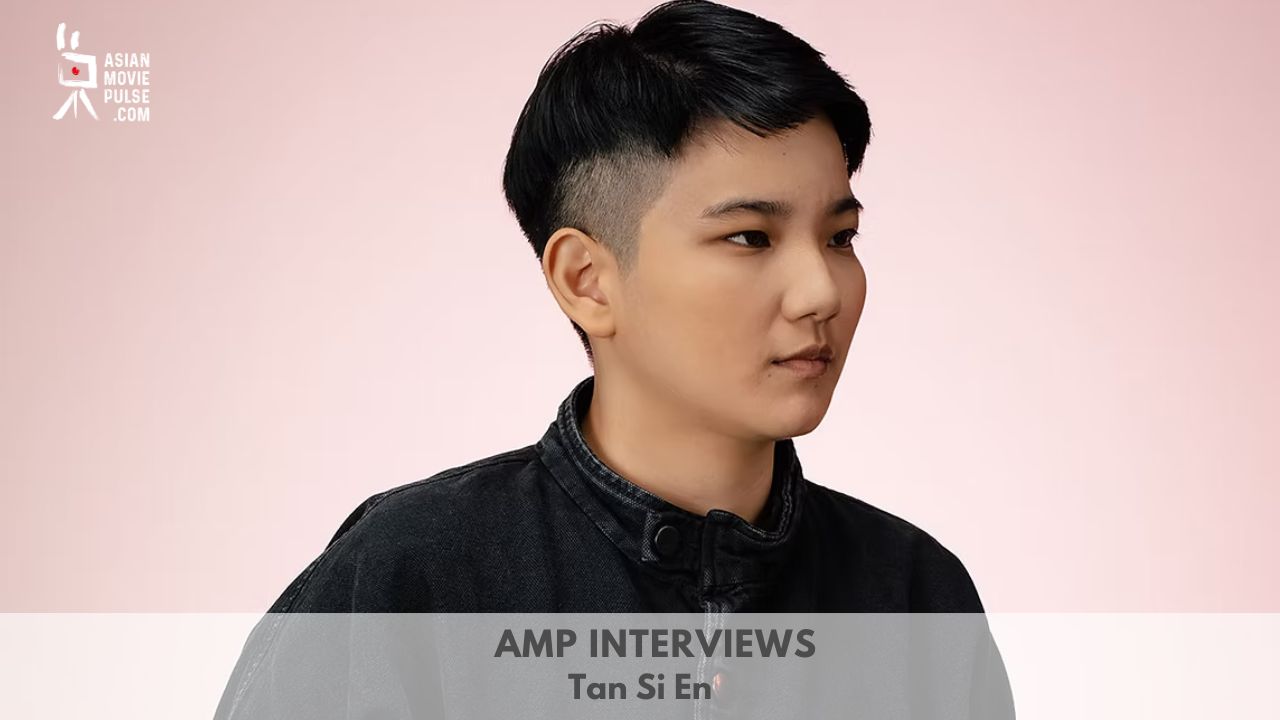
Singapore-based producer Tan Si En, the driving force behind Momo Film Co., has steadily cemented her position as a pivotal figure in the contemporary Southeast Asian film landscape. Her company’s diverse portfolio, encompassing daring art-house features, innovative genre explorations, and ambitious international co-productions, has recently embarked on a significant new chapter following its acquisition by Beach House Pictures, a prominent entity within the expansive Fremantle group. This strategic integration signals a pivotal moment for Momo Film Co., promising enhanced resources and broader reach while aiming to preserve its core ethos of fostering unique directorial voices. Tan Si En, in a recent discussion, elaborated on the genesis of Momo, the far-reaching implications of this acquisition, and her perspective on the dynamic evolution of filmmaking across the region.
The Genesis of a Creative Haven: Momo Film Co.’s Founding Vision
Established in 2018, Momo Film Co. was conceived from Tan Si En’s deep-seated aspiration to champion and cultivate a new generation of Southeast Asian storytellers. Her vision was to create what she terms a "safe space"—an environment where directors could freely develop their distinct artistic voices and craft narratives that were, in her own words, "edgy, distinctive, and never boring." This foundational principle has guided Momo’s trajectory, resulting in a consistent output of films that have garnered international acclaim and traversed the global festival circuit. Tan has consistently underscored the company’s dual commitment: to uphold artistic integrity while simultaneously pursuing a broad international audience. This approach has resonated with filmmakers seeking both creative freedom and global exposure.
A Strategic Alignment: The Beach House Pictures Acquisition
The integration of Momo Film Co. into Beach House Pictures, a move Tan describes as a confluence of strategic foresight and opportune circumstance, began to take shape in the aftermath of the global pandemic. The ensuing period brought into sharp focus the critical need for sustainability and scalable growth within the independent production sector. A serendipitous encounter with a senior executive from Beach House Pictures initiated a series of dialogues that revealed a compelling alignment of objectives. Beach House Pictures, actively seeking to broaden its footprint in the scripted content arena, found a synergistic partner in Momo Film Co., which was concurrently exploring avenues to amplify its operational capacity and venture into series production.
This acquisition, finalized in late 2023, positions Momo Film Co. within the robust infrastructure of Fremantle, a global leader in entertainment. The immediate implications of this integration include the introduction of enhanced financial discipline and a more structured approach to long-term strategic planning. However, Tan is emphatic that creative autonomy remains a cornerstone of Momo’s operational framework. The company retains the freedom to select its collaborators and projects, while simultaneously benefiting from expanded access to crucial financing, extensive industry networks, and the potential for larger-scale productions. This carefully balanced duality—maintaining independence while leveraging institutional support—characterizes the current and future phase of Momo Film Co.’s development.
A Hands-On Approach to Craftsmanship and Collaboration
Despite the expanded corporate structure, Tan Si En’s hands-on involvement in the filmmaking process remains undiminished. She continues to work intimately with directors throughout every stage of production, from the nascent development of scripts to the final touches of post-production. Her engagement is characterized by a profound passion for the intricacies of filmmaking, encompassing script refinement, casting decisions, and even the granular technical choices related to camera equipment and lens selection. This meticulous level of involvement, she explains, is not merely a professional imperative but a personal inclination deeply rooted in her enduring love for the cinematic art form.
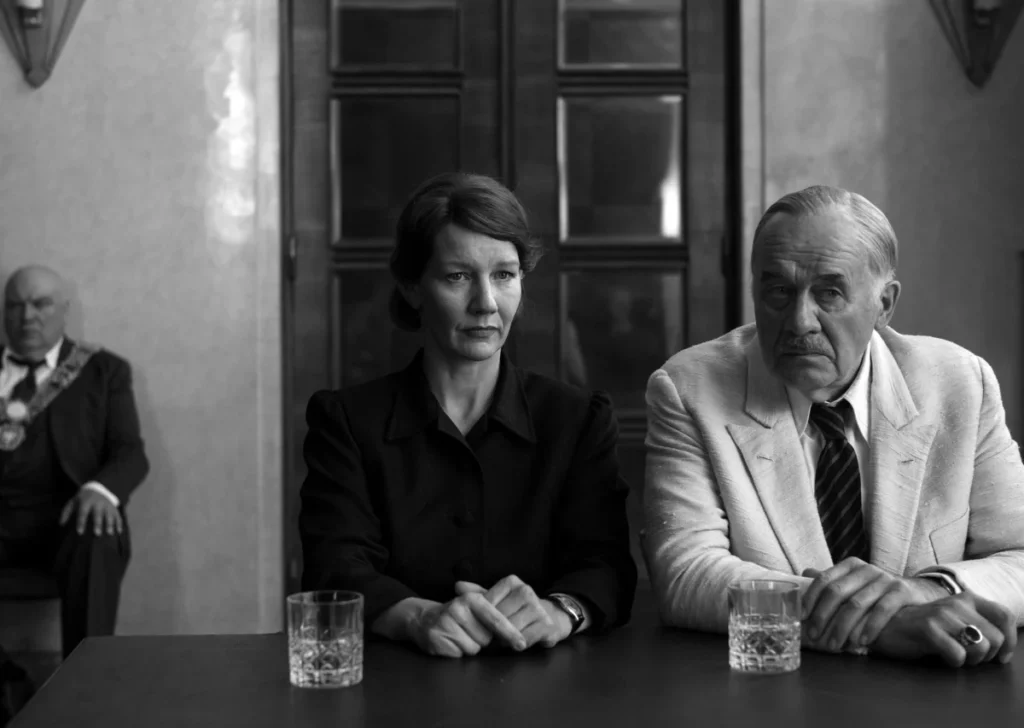
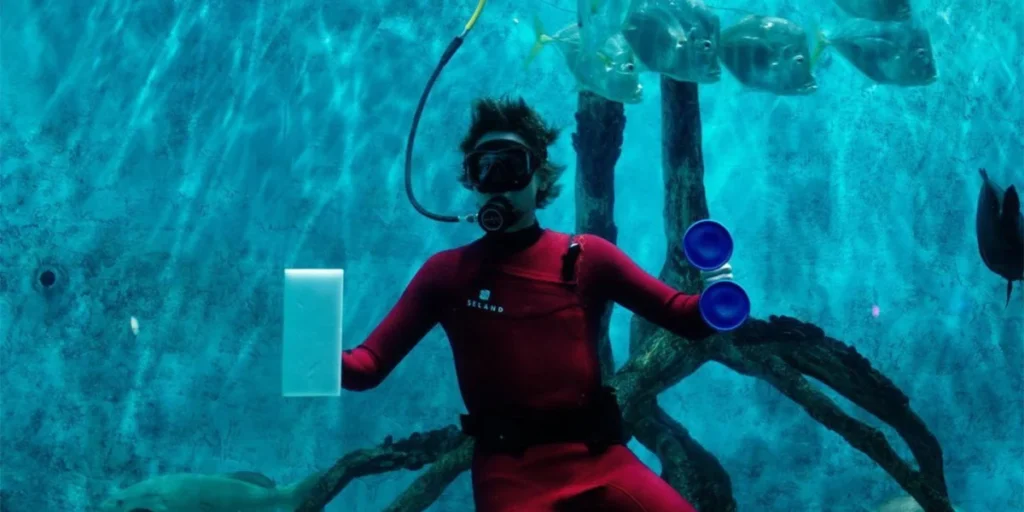
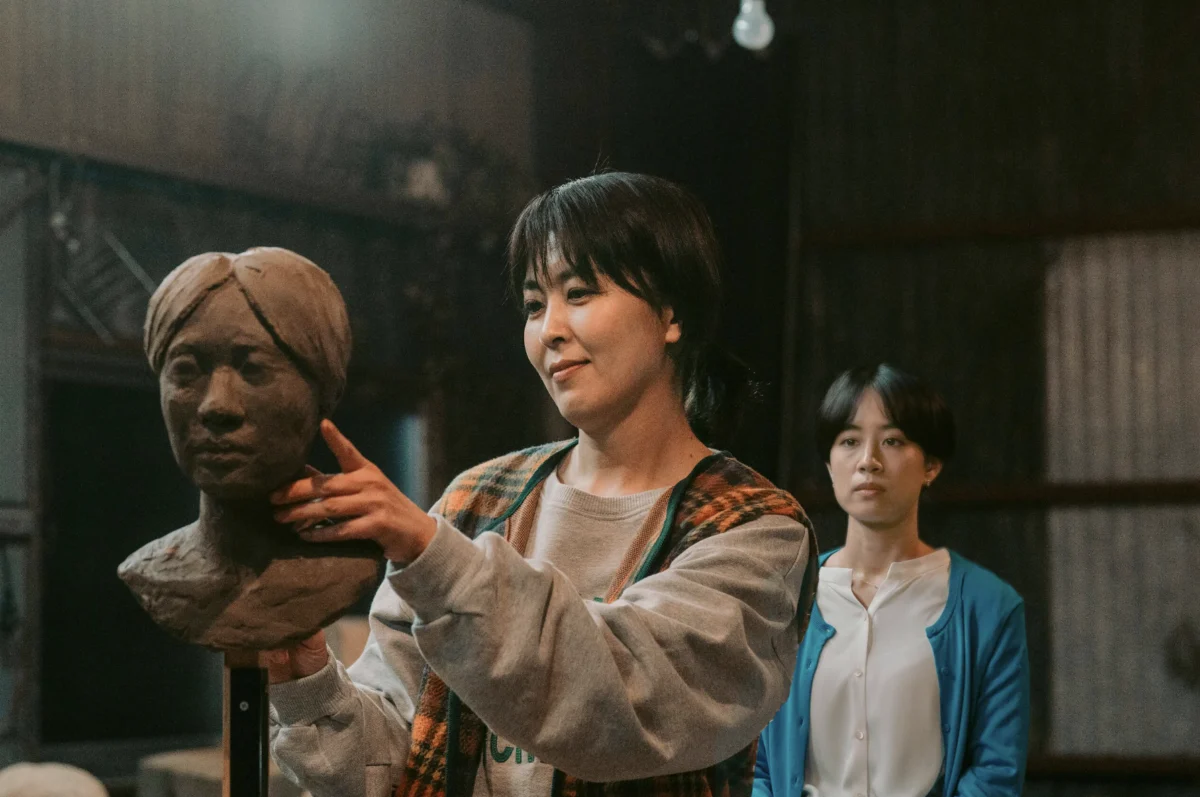
Momo Film Co.’s filmography serves as a testament to this dedication to collaborative creation and artistic experimentation. Projects such as "Don’t Cry, Butterfly," a critical success that premiered at the 2022 Tokyo International Film Festival, exemplify the company’s penchant for bold, unconventional narratives. The film masterfully blends contrasting tones and visual styles, and the close working relationship between Tan and director Huynh Tinh Uy highlights a production process that Tan values as much as the finished product. Similarly, "Dreaming and Dying," which gained recognition at the Berlinale Forum in 2023, showcases Momo’s adaptability in production methodologies. Initially conceived as a short film concept, it evolved organically into a feature through a resourceful and improvisational approach. A comparable spirit of embracing the unique and the unconventional is evident in "A Useful Ghost," a co-production Tan joined early in its development. She was drawn to its distinctive, offbeat sensibility and the director’s singular vision, further underscoring her commitment to nurturing avant-garde narratives and collaborative, team-centric filmmaking practices.
The Strategic Imperative of Co-Productions
Co-productions form a vital component of Momo Film Co.’s operational strategy. For Tan Si En, these collaborations are a dual necessity, serving both as a financial safeguard and a fertile ground for creative exploration. This is particularly relevant in a region like Southeast Asia, where the scale of local markets can present significant challenges, varying considerably from country to country. By forging partnerships with international producers, Momo can effectively share production risks, access a broader spectrum of resources, and integrate diverse creative perspectives. However, Tan readily acknowledges the complexities inherent in managing such collaborations, especially in navigating differing cultural approaches and maintaining a cohesive creative vision across multiple stakeholders.

Expanding Horizons: A Diverse and Ambitious Slate
Looking ahead, Momo Film Co. is poised for continued expansion, with a slate that deliberately spans a wide array of genres and formats. Upcoming projects include "Nagi Notes," a significant co-production with Japan that is slated for its premiere at the prestigious Cannes Film Festival. Another ambitious undertaking is "The House on the Moon," a science fiction feature that brings together collaborators from Singapore, Taiwan, and Germany. Furthermore, the company is developing "Tropical Rain, Death-Centred Kiss," an animated post-apocalyptic romance set against the backdrop of Singapore. This deliberate diversity in the company’s pipeline underscores its genre-agnostic philosophy, unified primarily by an unwavering commitment to supporting and amplifying strong directorial voices. This approach positions Momo as a key player in diversifying the global cinematic narrative with fresh perspectives from Southeast Asia.
Nurturing Future Talent: Beyond Production
Momo Film Co.’s commitment extends beyond its own production endeavors. The company has actively engaged in initiatives designed to support emerging talent, including the Momo Distribution Grant and the Objectifs Short Film Incubator. These programs are specifically designed to address critical gaps within the industry, particularly in assisting young filmmakers as they navigate the often-underestimated complexities of film distribution and audience engagement. By providing crucial financial assistance and invaluable mentorship, Momo endeavors to cultivate a new cadre of filmmakers who are well-equipped to thrive within the increasingly intricate global film ecosystem. This dedication to talent development is a long-term investment in the future of regional cinema.
Navigating the Regional Landscape: Opportunities and Challenges
Tan Si En expresses a sentiment of cautious optimism regarding the broader regional context of filmmaking. While established markets such as Singapore continue to present challenges due to their inherent scale limitations, the wider Southeast Asian region offers substantial untapped potential. Countries like Indonesia and Vietnam, in particular, are witnessing a burgeoning engagement from younger audiences with local content. This dynamic, Tan observes, offers a compelling contrast to more mature Western markets, where escalating production costs and an aging audience demographic present different sets of hurdles. The growth of streaming platforms and a rising middle class across Southeast Asia are creating fertile ground for local storytelling to gain traction both domestically and internationally.
The Guiding Principle: Connecting with Audiences
Ultimately, Tan Si En’s vision for Momo Film Co. is both elegantly simple and profoundly ambitious. Her focus transcends the pursuit of accolades or industry recognition. Instead, she places paramount importance on the ability of a film to connect with its audience. For Tan, the true measure of a film’s success lies not solely in its critical reception but in its capacity to resonate with viewers, to transcend the confines of the screen, and to forge a deeper emotional or intellectual connection. As Momo Film Co. continues its growth within the global film industry, this guiding principle remains firmly at the heart of its mission, shaping its creative choices and strategic direction. The acquisition by Beach House Pictures and Fremantle provides the robust platform necessary to amplify this core objective, enabling Momo to reach wider audiences with its distinctive Southeast Asian narratives.