


The Blood of Dawnwalker, the debut project from independent studio Rebel Wolves, is poised to challenge the foundational structures of the dark fantasy role-playing genre by removing the traditional "main quest" narrative path. In a move that prioritizes player agency and systemic freedom, the development team has confirmed that players are physically capable of confronting the game’s primary antagonist, the vampire lord Brencis, immediately following the completion of the prologue. This design choice effectively allows highly skilled players or speedrunners to reduce what is estimated to be a 50-hour experience into a fraction of that time, provided they can survive a combat encounter designed for late-game character progression.
The title, which is being helmed by veterans of CD Projekt Red’s most acclaimed projects, introduces a high-stakes premise: the protagonist has 30 days and 30 nights to rescue their family from the clutches of a vampire cabal. However, unlike traditional RPGs that gate the finale behind a series of mandatory story chapters, The Blood of Dawnwalker offers a non-linear sandbox where the path to the conclusion is entirely at the player’s discretion.
A Structural Departure from the Linear RPG Model
The philosophy behind The Blood of Dawnwalker centers on a "freeform" narrative structure. While the overarching goal is clearly defined—defeat Brencis and save the protagonist’s family—the methodology used to achieve this goal is not dictated by the game. Lead quest designer Rafał Jankowski clarified that the game world is fully populated and accessible from the outset. According to Jankowski, there are no artificial barriers preventing a player from marching directly to Brencis’ castle the moment they step out of the introductory area.
"After the prologue, there is nothing stopping you from going straight to Brencis’ castle and trying to defeat the big bad vampire and his vampire officers," Jankowski stated in a recent technical briefing. He noted that while the content is "physically there" and waiting for the player, the difficulty curve is intentionally steep to discourage casual players from attempting the final encounter without proper preparation. The developer expressed significant interest in how the speedrunning community will interact with these systems, anticipating that players will find creative ways to exploit the game’s mechanics to achieve record-breaking completion times shortly after the game’s launch.
The Lieutenant System and the Influence of Systemic Action Games
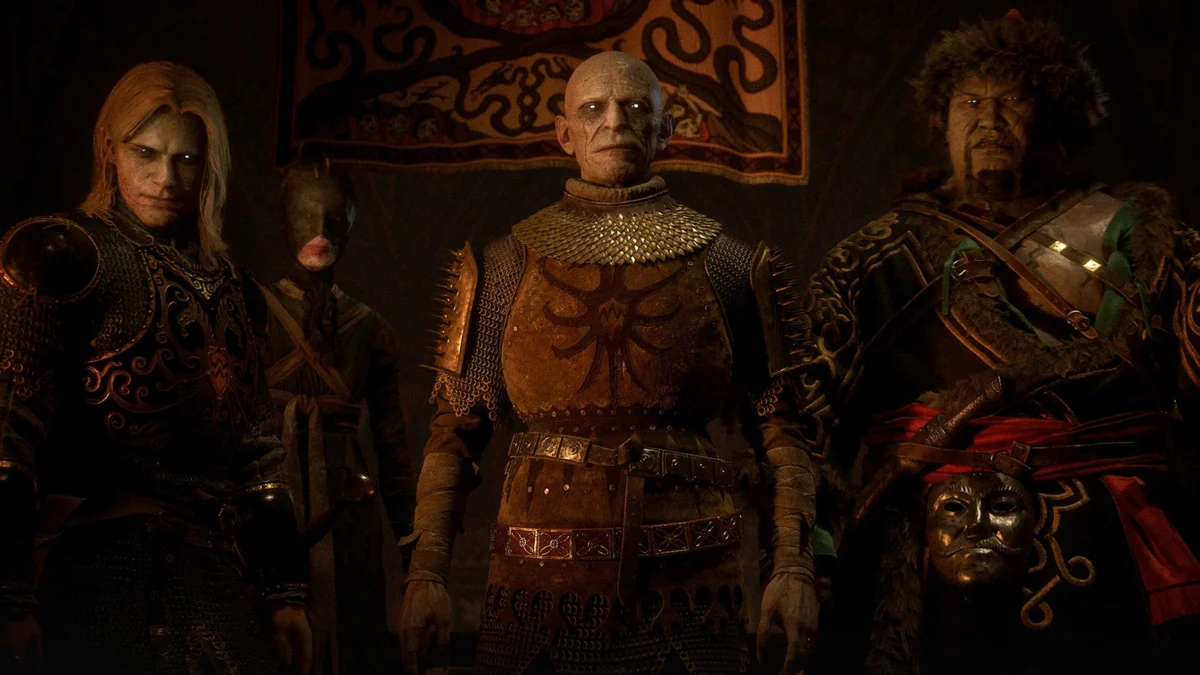
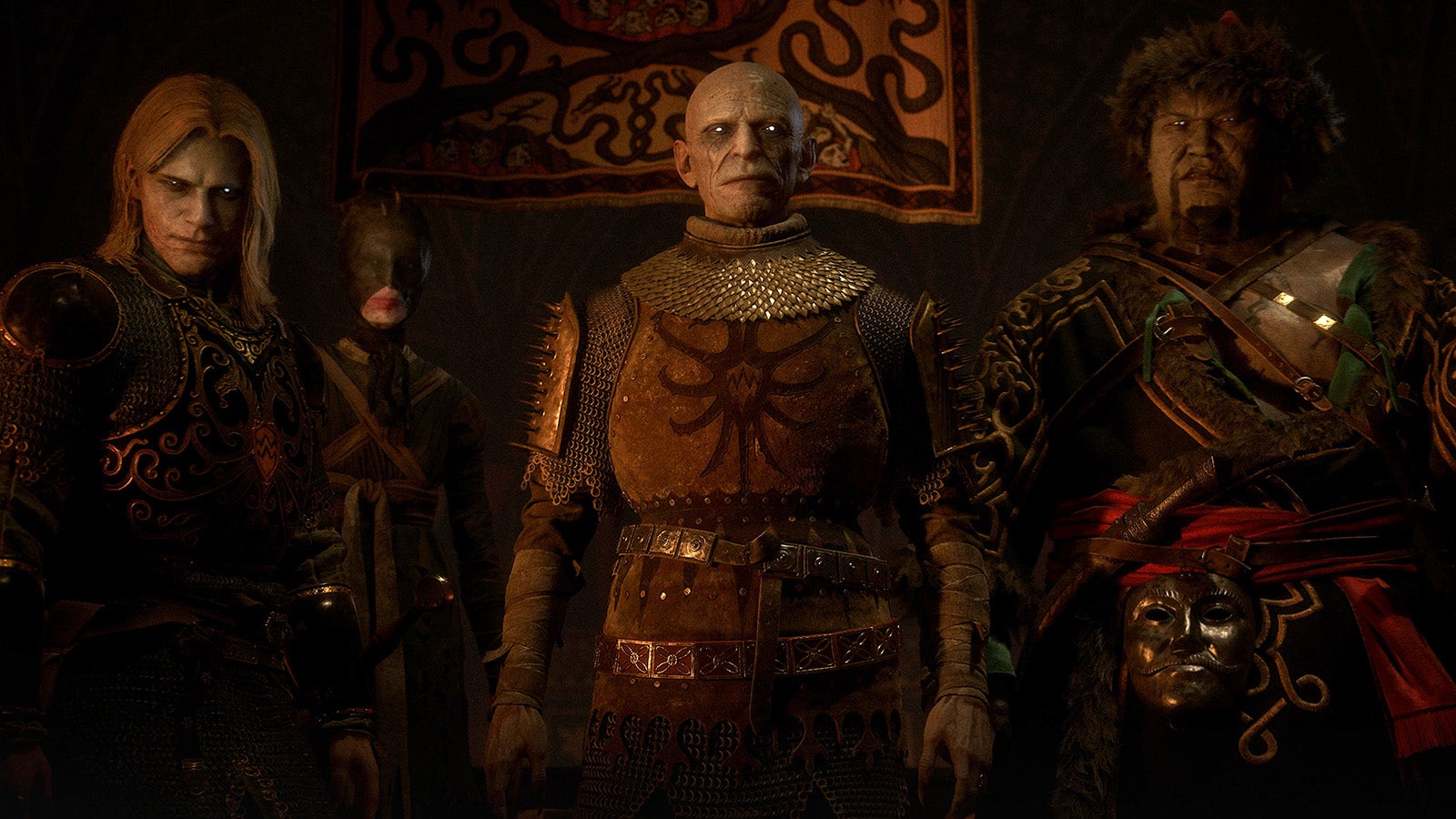
While the option to skip to the end exists, the intended gameplay loop involves a more methodical dismantling of the vampire hierarchy. This structure draws comparisons to the 2007 cult classic Crackdown or the "Nemesis" system seen in the Middle-earth: Shadow of Mordor series. To weaken Brencis’ grip on the valley, players are encouraged to hunt down his lieutenants—high-ranking vampire officers who each govern their own distinct fiefdom.
Each of these lieutenants is designed with a unique theme, reflecting their personality and combat style. By eliminating these officers, players can "thin the entourage" surrounding Brencis, making the final assault on his castle significantly more manageable. Conversely, attempting to storm the castle while the lieutenants are still alive means facing Brencis alongside his full military force, a feat that Jankowski suggests is nearly impossible for a first-time player.
This systemic approach creates a dynamic difficulty slider that is managed by the player’s actions rather than a menu setting. The more time a player invests in exploring the world and weakening the vampire infrastructure, the more the final encounter shifts from an impossible suicide mission to a winnable battle.
Chronology of Development and Studio Origins
The development of The Blood of Dawnwalker is a significant event within the gaming industry due to the pedigree of the team at Rebel Wolves. The studio was founded by Konrad Tomaszkiewicz, who served as the game director for The Witcher 3: Wild Hunt, a title often cited as the gold standard for modern RPG storytelling.
- February 2022: Rebel Wolves is officially announced, positioning itself as a studio dedicated to "putting the team first" and focusing on "evolution, not revolution" in the RPG space.
- Late 2022: The studio secures strategic investment from NetEase Games, providing the capital necessary to develop a high-fidelity AAA title using Unreal Engine 5.
- January 2024: The title of the project, The Blood of Dawnwalker, is officially trademarked and revealed to the public.
- Mid-2024: Detailed gameplay previews emerge, highlighting the "no main quest" philosophy and the 30-day time limit mechanic.
- September 3rd: The scheduled global release date for PC, PlayStation 5, and Xbox Series S/X.
The studio’s creative director, Mateusz Tomaszkiewicz—who previously worked as the lead quest designer for The Witcher 3 and quest director for Cyberpunk 2077—has emphasized that the goal of Rebel Wolves is to move away from the "checklist" style of open-world design that has become prevalent in the industry over the last decade.
The Infamy System and World Reactivity
A critical component of The Blood of Dawnwalker’s gameplay is the "Infamy" system, which tracks the player’s impact on the world. As players dismantle the vampire lieutenants’ fiefdoms, their Infamy grows. This reputation system has a dual effect on the game’s social and political landscape.
On one hand, high Infamy draws the ire of Brencis, who will react to the player’s progress by issuing "Edicts." These are public decrees that fundamentally alter the game world to hinder the player. Creative Director Mateusz Tomaszkiewicz explained that these edicts can range from the deployment of elite bounty hunters to track the player across the map to the implementation of total city lockdowns, which restrict access to certain vendors and quest-givers.
On the other hand, the player’s rising Infamy serves as a beacon of hope for the oppressed inhabitants of the valley. As the player becomes a more significant threat to the vampire regime, rebellious factions will begin to offer their support, providing access to unique resources, information, and shortcuts that would otherwise be unavailable. This creates a push-and-pull dynamic where the player must balance their aggressive campaign against the vampires with the increasingly hostile world environment that results from their success.
Technical Analysis of the 30-Day Limit
The inclusion of a 30-day and 30-night time limit adds a layer of temporal resource management rarely seen in modern high-budget RPGs. This mechanic forces players to weigh the benefits of exploration against the ticking clock. Every hour spent side-questing or gathering materials is an hour closer to the potential demise of the protagonist’s family.
Industry analysts suggest that this mechanic is intended to solve the "ludo-narrative dissonance" common in open-world games, where the protagonist often engages in trivial activities while a supposedly world-ending threat waits patiently for them to finish. In The Blood of Dawnwalker, the threat is active and the deadline is firm. This pressure is expected to drive the "Emergent Narrative" that Rebel Wolves is aiming for, where every player’s journey is defined by the specific trade-offs they made during their month in the valley.
Market Implications and Genre Evolution
The Blood of Dawnwalker arrives at a time when the RPG market is increasingly divided between massive, 100-hour epics and smaller, more focused indie titles. By offering a 50-hour experience that can theoretically be completed in minutes, Rebel Wolves is carving out a middle ground that emphasizes replayability and player skill.
The decision to release simultaneously on PC and current-generation consoles (PlayStation 5 and Xbox Series X/S) suggests a high level of confidence in the game’s technical performance. Utilizing Unreal Engine 5, the game is expected to leverage advanced lighting and atmospheric effects to enhance its dark fantasy aesthetic—a crucial element for a game centered on the themes of blood and shadow.
Official Responses and Anticipation
The gaming community’s reaction to the "skip-everything" mechanic has been largely positive, particularly among enthusiasts of "Immersive Sims" and non-linear RPGs. Many see it as a spiritual successor to the design philosophies of games like Fallout (1997), where players could technically reach the final boss almost immediately if they knew the correct route.
Rebel Wolves has remained firm in its stance that while the game allows for these shortcuts, the "true" experience lies in the discovery of the world’s lore and the systematic liberation of its people. "We are hoping to see this [speedrunning] done soon after the release," Jankowski reiterated, "but the idea was to make it difficult enough for this not to be a path that we encourage the players to do on their first try."
As the September 3rd release date approaches, the industry will be watching closely to see if The Blood of Dawnwalker can successfully balance its radical player freedom with the high-quality storytelling that its veteran developers are known for. If successful, the game could signal a shift in how open-world RPGs are structured, moving away from scripted sequences and toward a more systemic, player-driven future.