Kadokawa’s latest multimedia endeavor, "Sentenced to Be a Hero," a manga adaptation of Rocket Shokai’s popular light novel series, has made its debut. The original light novel, first serialized on the web platform Kakuyomu in 2021, has garnered a significant readership, prompting this expansion into the manga format. While the manga aims to be a faithful rendition of its source material, initial assessments suggest it may primarily resonate with the existing fanbase, potentially struggling to capture a broader audience unfamiliar with the established narrative. This adaptation arrives amidst a growing trend in Japanese publishing, where established intellectual properties are increasingly being leveraged for manga series, a strategy that, while commercially viable, raises questions about originality and artistic innovation within the industry.
The narrative of "Sentenced to Be a Hero" unfolds against a backdrop of persistent conflict between humanity and demonic forces. The story centers on Xylo and Dotta, two "penal heroes" tasked with a critical mission: to escort the Holy Knights during their strategic retreat from the encroaching Demon Lord’s army. These penal heroes are not ordinary soldiers; they are heinous criminals whose lives are tethered to magical seals that prevent them from succumbing to death. This unique affliction allows them to serve the Holy Knights in their perpetual war against evil. However, a critical caveat to their eternal service is the necessity of preserving their physical forms after death, a prerequisite for their resurrection.
The plot takes a significant turn with Dotta’s discovery of Teoritta, an ancient and exceptionally powerful Goddess, entombed within a coffin. Teoritta, identified as the thirteenth and most potent Goddess to have ever served humankind, is awakened from her prolonged slumber. Following her awakening, Xylo enters into a blood oath with Teoritta, a pact that grants him access to her formidable powers. This newfound ability is immediately put to the test as Xylo utilizes Teoritta’s magic to repel the initial onslaught of the Demon Blight. This alliance, however, is met with skepticism from Kivia, the commander of the Holy Knights. Kivia’s reservations stem from Xylo’s criminal past, specifically his alleged involvement in the killing of Goddesses, a history that casts a shadow over his leadership capabilities and his suitability for commanding the forces of good.
World-Building and Aesthetic Influences
The fantasy genre has long relied on established tropes, and "Sentenced to Be a Hero" adheres to many of these conventions. The setting is characterized by a pseudo-medieval European landscape, a common canvas for tales of supernatural beings and magical artifacts. The narrative pits forces of good against those of evil, a fundamental dichotomy that drives much of the conflict. In this regard, the manga presents a familiar tableau of knights clad in gleaming armor. However, the visual presentation introduces what some critics perceive as aesthetic inconsistencies. The character of Xylo, for instance, is depicted as a ninja-like protagonist wielding explosive kunai throwing knives. This fusion of disparate stylistic elements, while potentially intended to add a unique flair, is seen by some as disruptive to the cohesive world-building, creating minor jarring moments within the established fantasy framework.
Beyond these stylistic juxtapositions, a more significant critique leveled against "Sentenced to Be a Hero" is its perceived depersonalization at both visual and narrative levels. The character designs, spearheaded by MEPHISTO, are noted for their amalgamation of influences. The weaponry and gear evoke the dark, intricate style reminiscent of "Berserk," while the character archetypes bear a resemblance to the aesthetics found in "Soul Eater." Similarly, the monstrous entities that comprise the Demon Blight legions, conceived by Natsumi Inoue, are described as largely animal-shaped abominations. These designs appear to draw inspiration from popular works like "Attack on Titan" and "Delicious in Dungeon," suggesting a reliance on established visual language within the genre. Furthermore, the character of Teoritta, particularly her abilities and demeanor, is seen as derivative of Gilgamesh from the highly acclaimed "Fate" franchise, reinforcing a sense of familiarity that may dilute the originality of the manga.
Narrative Structure and Pacing Concerns
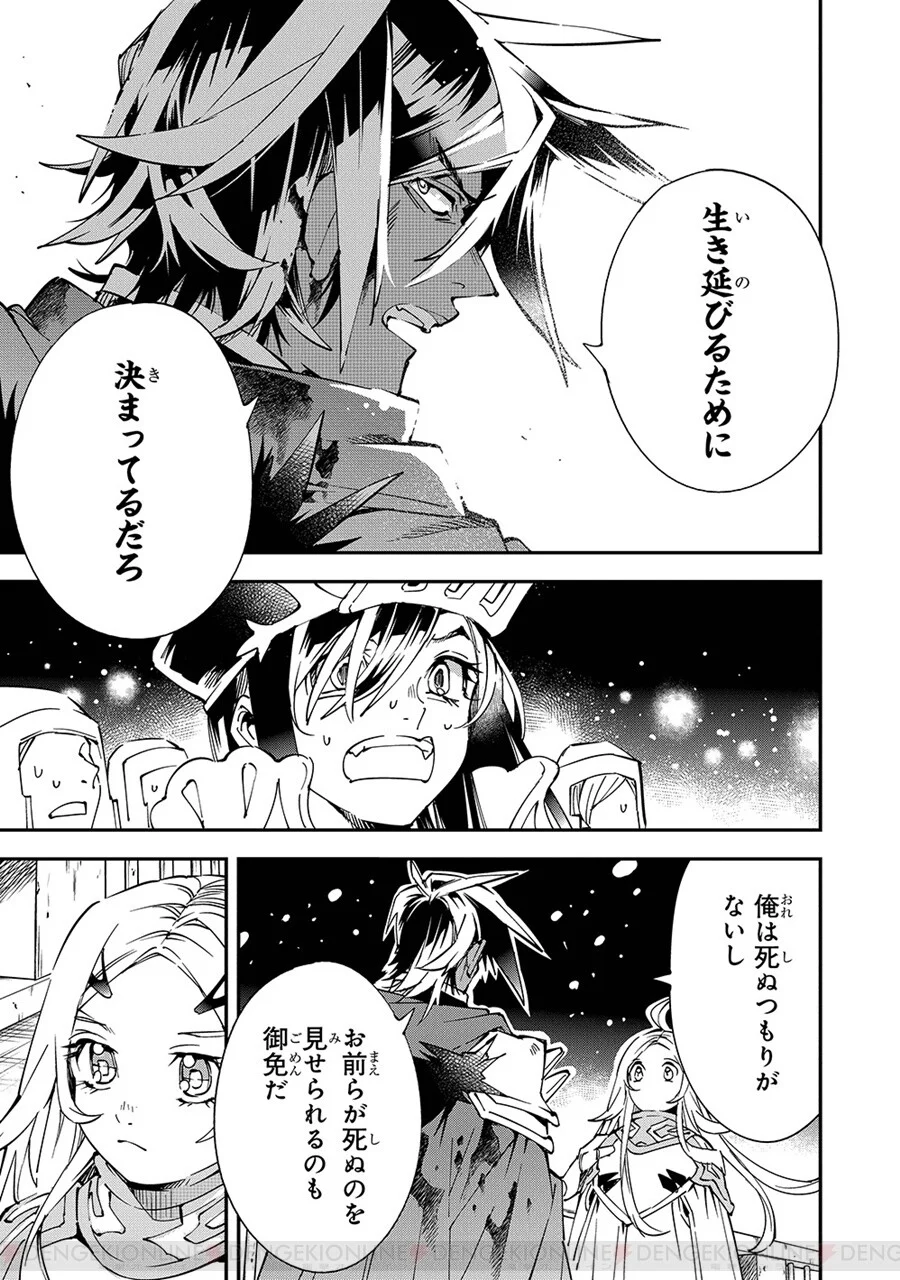
A notable aspect of "Sentenced to Be a Hero," even within its inaugural volume, is the extensive exposition provided to the reader. The manga delves into detailed explanations of the penal heroes’ abilities and the nature of Goddesses from the outset. This information is often conveyed through lengthy dialogues that occupy significant portions of the page. Consequently, the characters themselves can sometimes feel overshadowed by the sheer volume of dialogue, appearing more as vehicles for delivering exposition than as fully realized individuals. This approach stands in contrast to the fundamental nature of manga as a visual medium. The emphasis on extensive textual explanations, which dominate the narrative flow, prioritizes text over image. This preference for detailed textual exposition is more characteristic of literary works than of comic books, which are intrinsically visual storytelling formats.
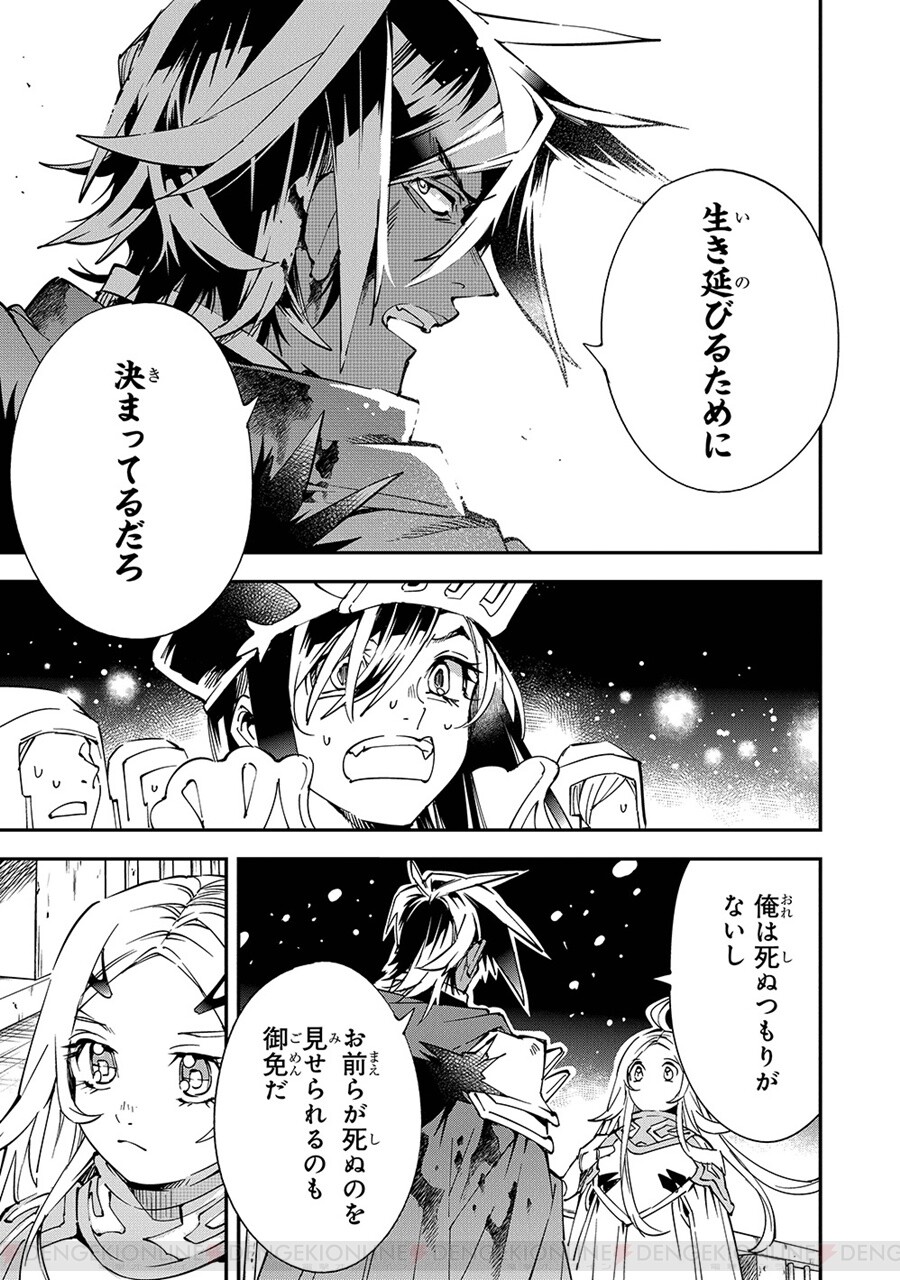
The rapid dissemination of information, while intended to orient new readers, can also lead to a sense of narrative acceleration that might detract from character development and immersive storytelling. In a genre often characterized by gradual world-building and the slow unveiling of character motivations, the directness of "Sentenced to Be a Hero" may leave little room for organic discovery. This narrative strategy, coupled with the derivative visual elements, contributes to the overall impression of a work that, while functional in its storytelling, may lack a distinct identity.
Industry Trends and Adaptation Strategies
The challenges faced by "Sentenced to Be a Hero" in establishing a unique identity can be viewed within the broader context of contemporary Japanese publishing trends. There is a discernible inclination among major Japanese publishing houses to prioritize the adaptation of existing, successful intellectual properties into manga. This strategy offers a degree of pre-established market appeal and a built-in audience. By leveraging popular light novels, web novels, or even anime series, publishers can mitigate the risks associated with launching entirely new and original concepts.
This reliance on adaptations, while commercially pragmatic, has sparked discussions about the industry’s capacity for fostering groundbreaking originality. The pursuit of safe, predictable narratives that cater to established fanbases, while ensuring consistent sales, may inadvertently stifle the emergence of truly novel storytelling and artistic expression. The ease with which readers can engage with these adaptations—often described as an "easy and relaxing task"—can come at the cost of lasting impact or profound artistic resonance. The concern is that this trend could lead to a market saturated with familiar themes and styles, potentially diminishing the innovative spirit that has historically characterized the manga medium.
Supporting Data and Industry Context
The light novel market in Japan has seen substantial growth in recent years. Data from Oricon, a leading Japanese music and book sales tracker, indicates a consistent upward trend in light novel sales, with many titles achieving widespread popularity and subsequent cross-media adaptations. For instance, the "isekai" (another world) genre, which often features protagonists transported to fantasy realms, has been a dominant force, fueling the demand for light novels and their manga counterparts. "Sentenced to Be a Hero," by virtue of its fantasy setting and its origin as a light novel, taps into this popular market segment.
The multimedia strategy employed by Kadokawa, encompassing light novels, manga, and potentially anime adaptations, is a well-established model for maximizing the reach and profitability of intellectual property. This integrated approach allows for a sustained engagement with the narrative across different platforms, fostering a dedicated fanbase that can translate into commercial success. However, the critical reception of "Sentenced to Be a Hero" suggests that the execution of such adaptations, particularly in translating the nuances of a novel’s narrative to a visual medium, remains a significant challenge.
Potential Implications and Broader Impact
The reception of "Sentenced to Be a Hero" raises pertinent questions about the future of manga adaptations. While the commercial imperative to adapt successful properties is undeniable, the critical success of such ventures hinges on the ability to translate the essence of the source material into a compelling visual narrative that can also stand on its own. The current trend, if unchecked, could lead to a homogenization of content, where stylistic similarities and predictable plotlines become the norm.
For creators and publishers, there is a delicate balance to strike. While adaptations offer a secure foundation, cultivating a unique artistic voice and pushing creative boundaries remains crucial for the long-term health and evolution of the manga industry. The "Sentenced to Be a Hero" case serves as an example of how even faithful adaptations can fall short if they fail to engage readers on a deeper, more original level. The expectation for manga, as a fundamentally visual and artistic medium, extends beyond mere faithful retelling; it encompasses innovative storytelling, distinctive characterization, and a compelling visual identity. The challenge for Kadokawa and other publishers will be to navigate this landscape, ensuring that the pursuit of commercial success does not come at the expense of artistic innovation and the cultivation of fresh, original narratives. The market’s appetite for novelty, alongside its appreciation for familiar themes, will ultimately dictate the long-term trajectory of these adaptation-heavy strategies.