


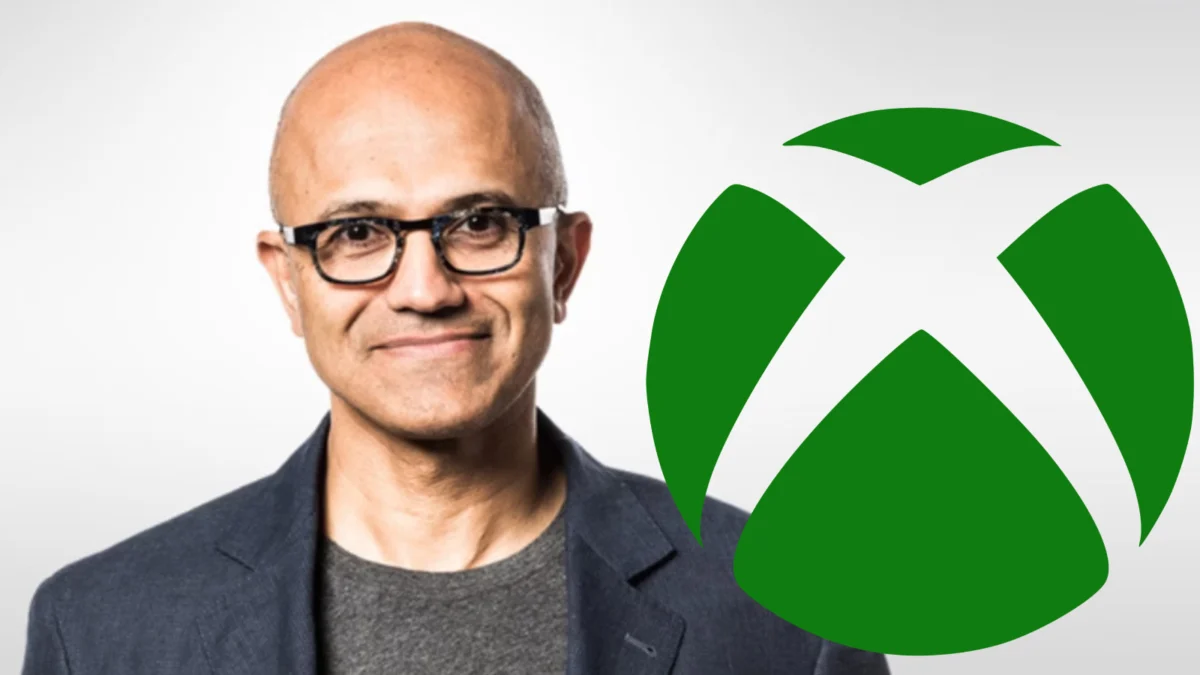
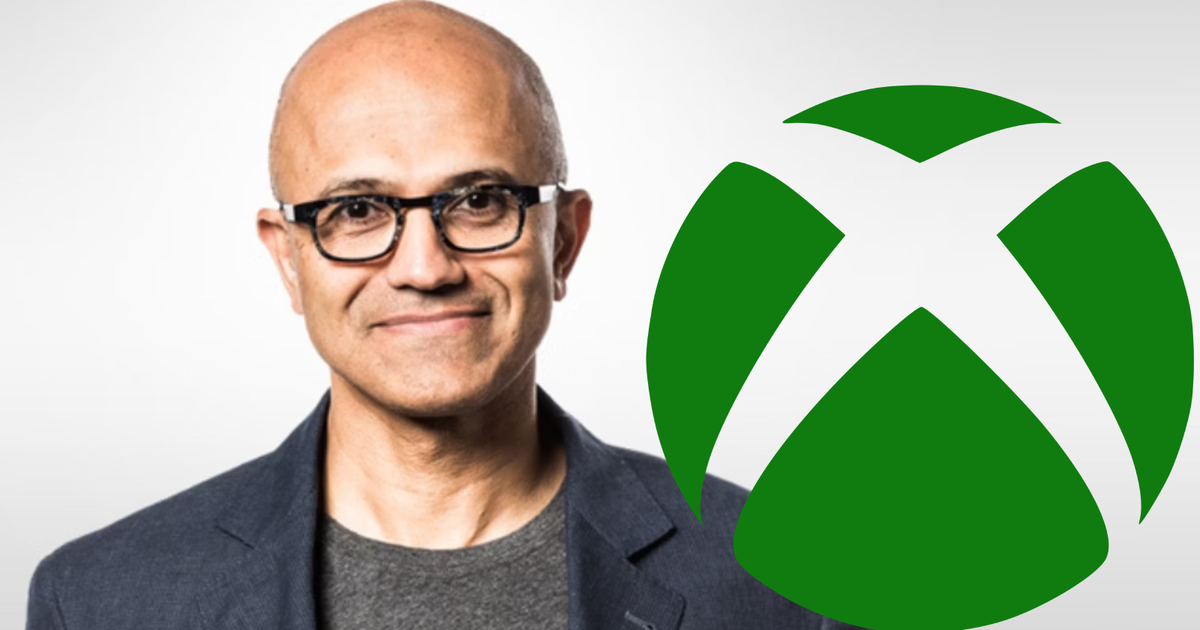
Microsoft Chief Executive Officer Satya Nadella has publicly endorsed the ongoing operational overhaul of the company’s gaming division, expressing optimism regarding the strategic direction led by Xbox CEO Asha Sharma. The endorsement, delivered during a recent appearance on the Sources podcast with technology journalist Alex Heath, comes amidst a period of profound turbulence for the gaming giant, characterized by extensive layoffs, studio closures, and significant structural reorganization. While Nadella remains bullish on the long-term potential of Microsoft’s gaming IP, the disconnect between executive optimism and the reality of workforce reductions has intensified scrutiny regarding the future of the Xbox brand.
The Strategic Vision Under Asha Sharma
During his discussion with Heath, Nadella articulated a vision for Xbox that prioritizes sustainable business models and cross-platform accessibility. "I feel fantastic about the IP we have right now," Nadella stated, emphasizing that the current portfolio of studios—bolstered by the massive acquisition of Activision Blizzard—provides a foundation for future growth.
Central to this vision is the "streamlining" process spearheaded by Asha Sharma. According to Nadella, the current restructuring is a necessary evolution to ensure that Microsoft can function effectively as both a high-tier publisher and a robust platform provider. By consolidating resources and refining the operational hierarchy, the leadership team aims to steer Xbox toward a period of renewed growth in the coming fiscal year. The goal, as defined by Nadella, is not merely to produce content but to invent a model that delivers gaming experiences to a broader global audience across both PC and console ecosystems.
A Chronology of Restructuring and Workforce Reductions
The current atmosphere at Microsoft Gaming is the result of a protracted period of organizational flux that began in earnest following the completion of the Activision Blizzard acquisition. The timeline of these events reflects a transition from aggressive expansion to a period of rigorous fiscal consolidation.
- Early 2023: Microsoft initiates a broader corporate layoff affecting 10,000 employees, which included significant impacts on the gaming division, particularly within Bethesda Game Studios and 343 Industries.
- January 2024: Microsoft announces a massive reduction of approximately 1,900 employees across its gaming workforce, primarily impacting Activision Blizzard, ZeniMax, and Xbox teams.
- May 2024: Reports emerge regarding the sudden closure of multiple studios, including Arkane Austin and Tango Gameworks, fueling industry-wide concerns about the stability of the "Xbox Game Studios" label.
- July 2024: Xbox CEO Asha Sharma announces what is described as the "most significant" restructuring in the company’s history. This initiative includes a reduction of 3,200 staff members, with 1,600 positions terminated immediately.
- Late 2024/Early 2025: Ongoing reports detail further organizational shifts, including the integration of Obsidian Entertainment under the Bethesda umbrella, the merger of Playground Games and Turn 10 Studios, and the independent transition of Undead Labs.
Organizational Realignment and Studio Integration
The restructuring process extends beyond simple workforce reductions; it represents a fundamental shift in how Microsoft manages its internal creative assets. The recent decision to bring studios like World’s Edge and the Halo franchise under the operational oversight of the Activision division signals a move toward centralized management.
Industry analysts suggest that this strategy is intended to eliminate redundancies in middle management and streamline the production pipeline. However, this has also resulted in the loss of independent studio cultures. For instance, the transition of studios like Double Fine and Compulsion Games back to a more independent operational model—following the larger wave of layoffs—suggests that Microsoft is retreating from its previous strategy of total vertical integration in favor of a more flexible, perhaps more lean, development environment.
Quantitative Impact on the Gaming Division
The scale of these changes is unprecedented for the Xbox brand. With over 3,200 roles cut in the July 2024 wave alone, the human cost of the "streamlining" effort is significant. This represents a substantial percentage of the overall gaming headcount, which expanded significantly following the $68.7 billion acquisition of Activision Blizzard.
Financial analysts note that these cuts are being driven by a need to reconcile the immense capital expenditure required for the acquisition with the realities of a maturing gaming market. Microsoft’s gaming revenue has seen spikes due to the inclusion of Activision titles, but the rising costs of AAA game development—often exceeding $200 million per title—have forced the company to prioritize efficiency over the sheer volume of projects. The "sustainable business model" mentioned by Nadella is widely interpreted as a pivot toward prioritizing Game Pass subscriptions and high-margin software sales over hardware-centric growth.
Industry Implications and Official Responses
The reaction from the broader gaming industry has been a mixture of professional acknowledgment and public concern. While investors have largely welcomed the move toward efficiency and cost-cutting, the creative community has expressed anxiety regarding the long-term impact on game quality and innovation. The closure of storied developers like Ninja Theory and the downsizing of teams behind long-running franchises like Age of Empires have raised questions about how Microsoft defines "success."
In his defense of the current path, Nadella maintains that the company is playing a long game. By aligning its studios more closely with the broader Microsoft enterprise—leveraging cloud infrastructure, AI integration, and the scale of the Activision catalog—the company believes it is positioning itself for a future where gaming is "platform-agnostic."
However, the pressure remains on Asha Sharma and her executive team to deliver tangible results. The promise that Xbox will return to growth in the next fiscal year is a benchmark that will be closely monitored by shareholders and industry observers alike. Failure to meet these projections, especially after such drastic structural changes, could lead to further questions regarding the viability of the current strategy.
Analytical Perspective: Efficiency vs. Innovation
The fundamental tension in Microsoft’s current strategy lies between the demand for corporate efficiency and the necessity of creative freedom. Historically, successful gaming divisions have thrived on a degree of autonomy that allows for experimental, high-risk development. The current trend of folding studios into larger, centralized groups like Bethesda or Activision risks creating a bureaucratic environment that could stifle the very "great games" Nadella claims to be prioritizing.
Furthermore, the decision to allow some studios to return to independence while others are absorbed highlights an inconsistent approach to portfolio management. This "hybrid" model suggests that the restructuring is still very much a work in progress, with the company testing different operational frameworks to see which yields the highest return on investment.
Future Outlook
As Microsoft continues to navigate the complexities of its post-acquisition reality, the messaging from the top remains consistent: the pain of the current restructuring is a prerequisite for future stability. Whether this holds true will depend on the performance of upcoming titles and the company’s ability to retain top-tier talent during a period of massive turnover.
For the employees and fans of the Xbox brand, the current climate is one of uncertainty. While Satya Nadella’s "fantastic" outlook offers a corporate vote of confidence, the reality on the ground—defined by closed studios and reduced staff—serves as a reminder that Microsoft is in the midst of a high-stakes transition. The next fiscal year will serve as the true litmus test for whether the streamlining effort has preserved the soul of the Xbox brand or merely reduced it to a series of spreadsheets and growth projections. The focus now shifts to the upcoming product cycle, where the effectiveness of the new, leaner organizational structure will finally be put to the test in the marketplace.