


Paris Fashion Week consistently serves as a premier global stage where high fashion, high drama, and celebrity culture seamlessly intersect. Yet, even among the meticulously choreographed runway shows and exclusive after-parties, unexpected friction can occur. The latest high-profile disagreement to capture the attention of fashion enthusiasts and pop culture commentators alike involves global music icon and entrepreneur Rihanna and television personality EJ Johnson. What began as a casual critique of runway timing shared on social media quickly escalated into a viral digital exchange, highlighting the rapid pace at which modern celebrity interactions are scrutinized, debated, and amplified across global platforms.
The incident underscores the delicate ecosystem of high-fashion events, where punctuality, front-row seating hierarchies, and public perception carry significant weight. As fashion weeks increasingly blend traditional runway exclusivity with real-time digital documentation, attendees find themselves navigating both the physical constraints of major fashion capitals and the unforgiving court of public opinion.
The Genesis of the Tiff: Paris Fashion Week and the Dior Runway Delay
The sequence of events began during one of the most anticipated events on the Paris Fashion Week calendar: the Dior presentation. As industry insiders, celebrities, photographers, and fashion critics gathered inside the venue, anticipation mounted for the unveiling of the latest collection. However, the scheduled start time came and went, resulting in a noticeable delay that left attendees waiting in their seats.
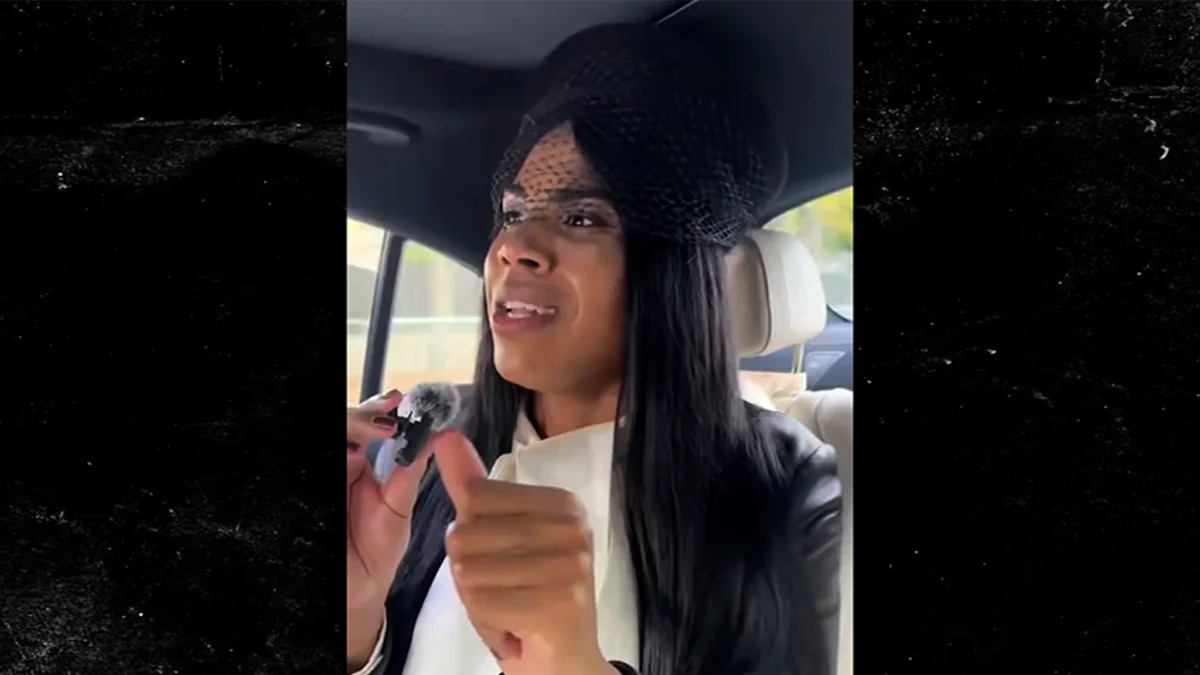
According to subsequent social media commentary, the delay extended to approximately one hour. Among the assembled guests was EJ Johnson, a prominent media personality and fashion fixture known for his frequent attendance at major international style events. Frustrated by the disruption to the schedule, Johnson later took to TikTok to document his experiences during Paris Fashion Week, specifically calling out the delay. In his video, Johnson attributed the tardiness to Rihanna, asserting that the show was held up because the "Diamonds" singer had not yet arrived. He further remarked that the audience "didn’t care to wait for her," framing the situation as a moment of collective annoyance among front-row attendees.
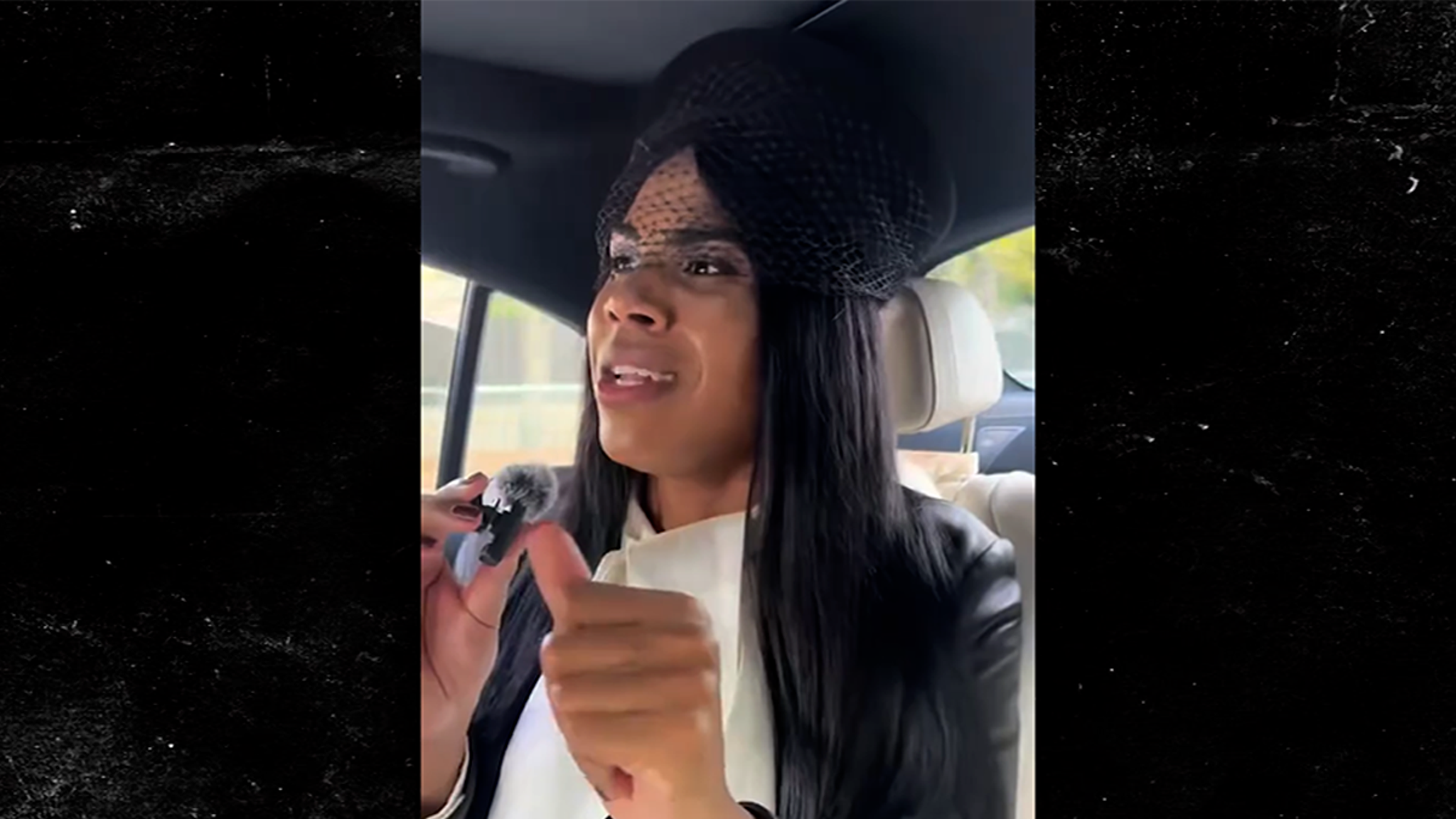
While public grumbling over late-starting fashion shows is a long-standing tradition within the industry—where cascading delays are notoriously common—singling out a specific attendee by name introduced a personal element to the critique. Within the digital landscape, the video immediately generated traction, drawing thousands of views and sparking lively commentary regarding celebrity privilege, event punctuality, and the unwritten social codes of the fashion elite.
The Counter-Narrative: Hotel Security and Digital Retaliation
As the initial TikTok video circulated and generated debate across various social media platforms, the digital dynamics of the feud shifted rapidly. Shortly after Johnson’s critique gained momentum online, a separate piece of media surfaced capturing a difficult moment for Johnson himself on the streets of Paris.
The newly surfaced video depicted Johnson attempting to enter his hotel amid a chaotic swarm of paparazzi, fans, and onlookers. In the footage, security personnel and venue barriers temporarily blocked his entry, creating a frustrating bottleneck that played out under the harsh glare of camera flashes and public visibility. For public figures accustomed to seamless transitions between exclusive venues, being temporarily barred or delayed at a hotel entrance under media scrutiny can be a compounding public relations headache.
The video of Johnson’s hotel entry friction quickly found its way into digital comment sections, where observant users drew connections back to his earlier remarks regarding Rihanna’s runway delay. It did not take long for Rihanna herself to notice the circulating footage and the ensuing commentary.
In an understated yet impactful move, the pop superstar and fashion mogul entered the digital fray directly. Rather than issuing a formal statement through public relations representatives or publishing a lengthy rebuttal, Rihanna chose a minimalist approach. Commenting directly on the video of Johnson’s hotel security ordeal, she posted a single word: "Damn."
The economy of the response immediately caught the attention of digital analysts and fans alike. Devoid of punctuation beyond the period or capitalization beyond standard sentence casing, the single-word comment functioned as a potent rhetorical device. Within internet culture, such a reaction can be interpreted simultaneously as an expression of sympathy, an acknowledgment of schadenfreude, or a subtle reminder of the unpredictable nature of public exposure.
Chronology of Events
To understand the trajectory of the public disagreement, it is helpful to examine the precise timeline of occurrences:
- Paris Fashion Week Presentation: Attendees gather for the scheduled Dior show, which experiences a delay of approximately one hour before commencing.
- Social Media Commentary: EJ Johnson publishes a TikTok video recapping his Paris Fashion Week experience, explicitly citing Rihanna as the cause of the runway delay and noting that attendees were uninterested in waiting.
- Escalation of Digital Discourse: Johnson’s video gains traction, prompting discussion across multiple platforms regarding event etiquette and celebrity accountability.
- The Hotel Incident: A separate video captures Johnson facing restricted entry and security bottlenecks outside his Paris hotel amid heavy paparazzi presence.
- The Clapback: Rihanna observes the footage of Johnson’s hotel incident and leaves a one-word comment ("Damn.") in the comment section, effectively closing the loop on the public exchange.
Broader Implications for Celebrity Culture and Fashion Week
While the verbal sparring between Rihanna and EJ Johnson may appear lighthearted or trivial within the broader scope of global events, it highlights several structural shifts in how celebrity culture operates in the digital age.
First, the incident illustrates the democratization—and subsequent volatility—of fashion week commentary. Historically, critiques of high-fashion events were confined to print journalism, editorial reviews, or whispered conversations in exclusive after-party lounges. Today, attendees with substantial digital followings can broadcast their unfiltered grievances in real time, bypassing traditional gatekeepers and directly shaping public perception. This shift has turned front-row seats into digital pulpits, where social media personalities and global icons alike must navigate the immediate consequences of their public statements.
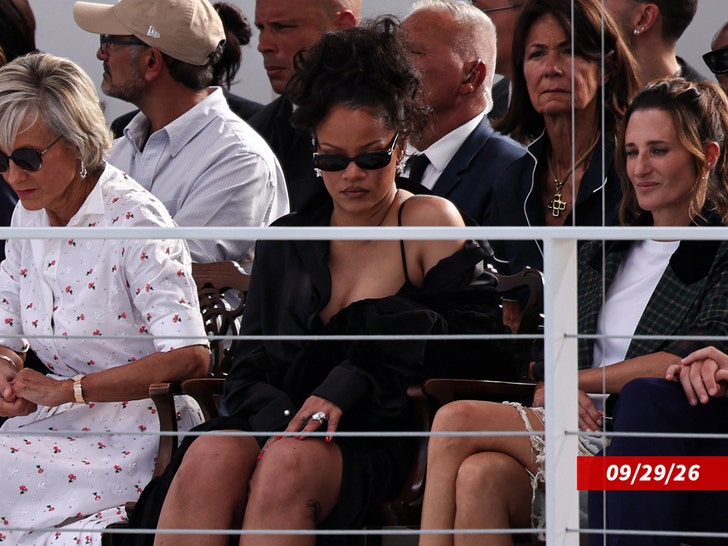
Second, the exchange underscores the concept of public accountability in real time. Rihanna’s decision to respond with a single word demonstrates the power of passive-aggressive digital communication. By refusing to engage in a protracted online argument, she maximized the impact of her statement while minimizing the risk of a full-scale public relations crisis. In modern celebrity feuds, silence or extreme conciseness often speaks louder than carefully crafted press releases.
Finally, the incident brings attention to the logistical complexities of Paris Fashion Week. The global fashion event draws thousands of celebrities, models, editors, and influencers, creating unprecedented logistical hurdles for security personnel, transportation networks, and event organizers. Traffic congestion in major fashion capitals during event weeks regularly disrupts schedules, making punctuality a persistent challenge even for the most high-profile participants. While fans and critics often attribute delays to individual entitlement, industry insiders recognize that systemic logistical bottlenecks are frequently the primary culprits behind schedule slippages.
As Paris Fashion Week concludes and the participants return to their respective schedules, the digital footprint of this brief encounter remains. Whether the exchange will lead to a private reconciliation or remain merely another footnote in the expansive archives of celebrity social media history is yet to be seen. However, the episode serves as a clear reminder that in the interconnected world of modern fashion and digital media, no comment goes unnoticed and no public misstep is entirely isolated.