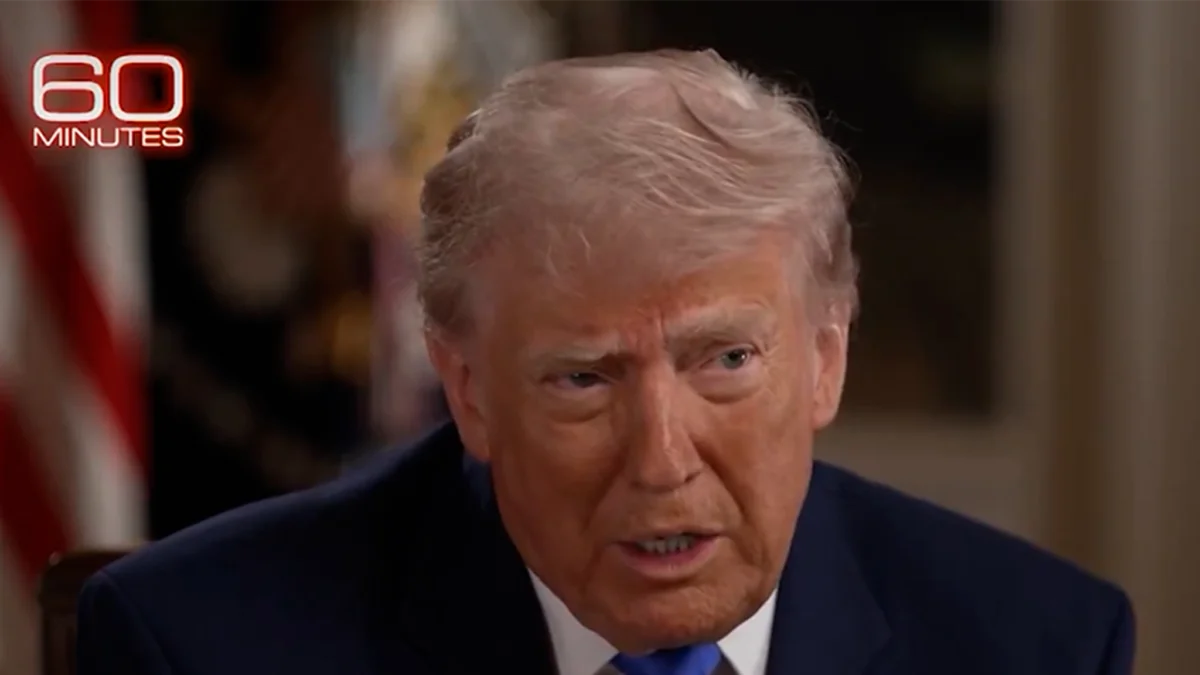
In a candid and highly controversial interview with "60 Minutes" on Sunday, President Donald Trump recounted the harrowing events of the previous night’s White House Correspondents’ Dinner, asserting that he actively resisted Secret Service efforts to evacuate him from a live shooting incident, preferring instead to observe the unfolding chaos firsthand. The President’s remarks, made to veteran journalist Norah O’Donnell, have ignited a fresh debate over presidential security protocols, personal bravery, and the perceived responsibilities of the nation’s highest office during a crisis. The unprecedented security breach at what is traditionally a lighthearted annual gathering of politicians and journalists has sent shockwaves through Washington D.C., prompting urgent reviews of protective measures for high-profile public figures across the government.
The incident, which occurred Saturday evening at the prestigious Washington Hilton ballroom, saw a lone assailant identified by federal authorities as Cole Allen, breach multiple layers of security before opening fire. President Trump, who was on stage delivering remarks at the time, described a scene of sudden pandemonium, contrasting his own reaction with that of his security detail and even Vice President J.D. Vance, who was reportedly whisked away with immediate urgency. The event, a cornerstone of Washington’s social and political calendar, was abruptly transformed from a celebratory evening into a stark reminder of the volatile security landscape facing public officials.
A Night of Celebration Turns to Chaos: The White House Correspondents’ Dinner Incident
The White House Correspondents’ Dinner (WHCD), an annual event hosted by the White House Correspondents’ Association, is a storied tradition dating back to 1921. It serves as a unique platform where the President of the United States addresses the media, often with a mix of humor and serious reflection, alongside celebrities, politicians, and prominent journalists. The 2026 dinner, marking its 105th iteration, was anticipated to be a grand return to its full pre-pandemic splendor, drawing approximately 2,600 attendees to the Hilton’s grand ballroom. Security for the event is typically extensive, involving multiple federal agencies including the Secret Service, FBI, and local Metropolitan Police Department, utilizing magnetometers, K-9 units, plainclothes officers, and a comprehensive perimeter defense.
Eyewitness accounts from attendees describe the initial moments of the attack as a blur of motion and sound. President Trump was mid-sentence, delivering his customary humorous roast of the media, when the first shots rang out, echoing through the cavernous hall. According to preliminary reports from the Secret Service, Cole Allen, 28, managed to bypass a secondary screening checkpoint near a service entrance, reportedly moving with extraordinary speed. "He ran past medical detectors in ‘a blur’ before opening fire," President Trump stated in his interview, adding a characteristic quip that an NFL team should consider signing Allen for his athletic prowess—a remark that drew both criticism for its levity and bewilderment from commentators given the gravity of the situation.
Chaos erupted as attendees, many of whom were initially confused by the popping sounds, quickly realized the gravity of the situation. Guests ducked under tables, and a collective gasp of fear swept through the room. Secret Service agents, trained for such contingencies, immediately converged on the stage, moving with practiced precision to form a protective perimeter around the President. Video footage, later released and widely circulated across news networks, showed agents attempting to guide President Trump away from the podium and towards an emergency exit. While he appeared to stumble during this rapid movement, the President clarified that this was not a fall but rather agents physically instructing him to "get down" and move quickly, emphasizing the urgency of their commands.
President Trump’s Account: Resisting Evacuation for a "Front Row Seat"
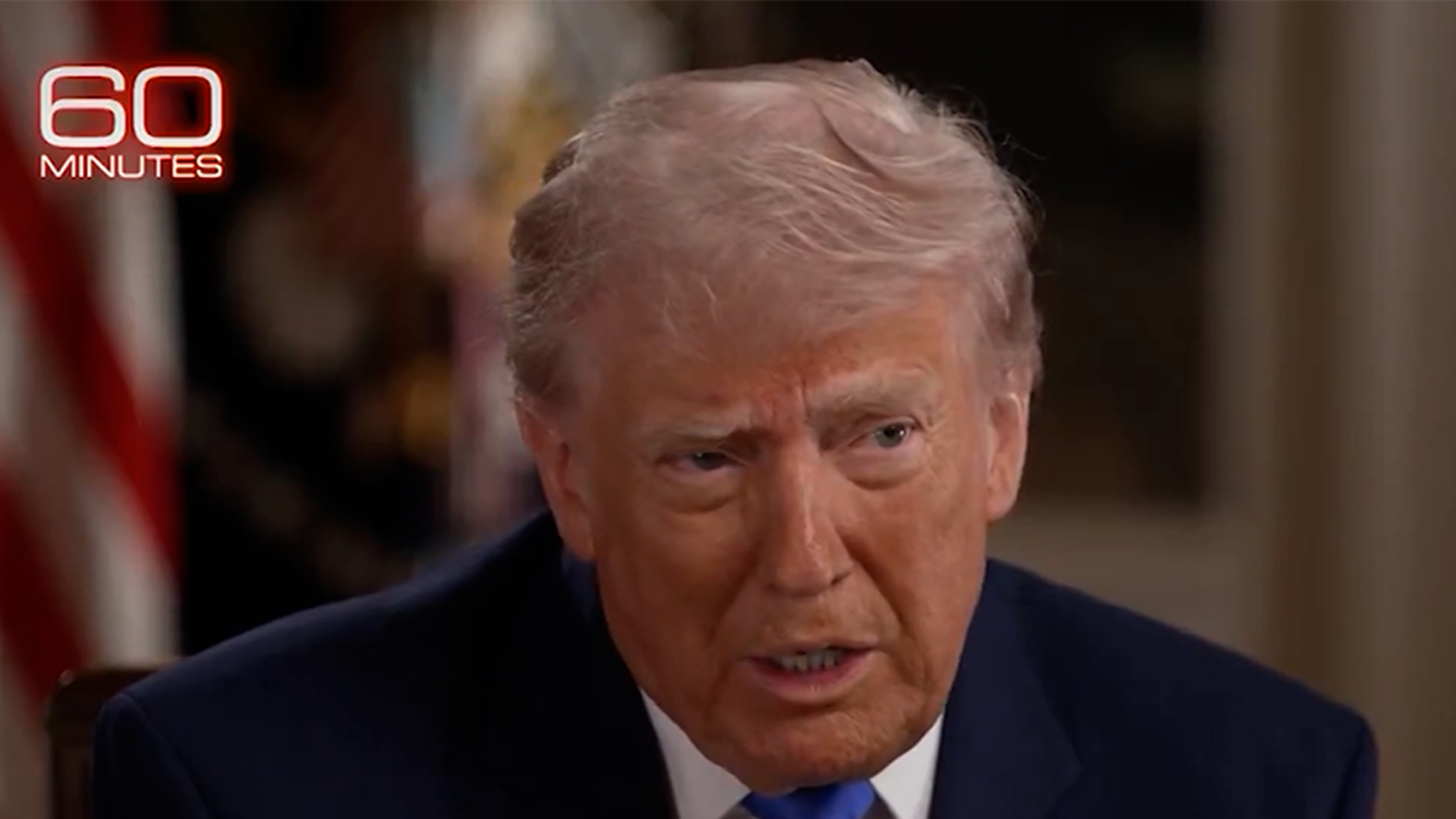
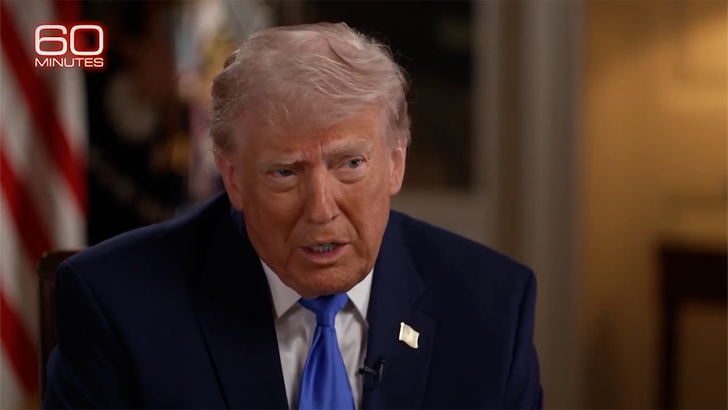
In his Sunday interview with "60 Minutes," President Trump offered a vivid, and at times defiant, account of the incident. He told Norah O’Donnell that he actively resisted the Secret Service’s immediate attempts to remove him from the immediate vicinity of the shooting. "I didn’t let the Secret Service usher him away from the shooting at the White House Correspondents Dinner because I wanted to see what was going on," Trump asserted, emphasizing his desire for a "front row seat" to the unfolding events. He further elaborated that he "didn’t make it easy on the folks trying to protect him," suggesting a deliberate defiance of standard evacuation protocols designed for presidential safety.
This statement has been met with a spectrum of reactions. Supporters lauded it as a testament to his courage and leadership, portraying him as a President unwilling to be cowed by danger and keen to assess the situation directly. Critics, however, raised profound concerns about the potential implications for presidential safety and the operational effectiveness of the Secret Service, whose primary mission is to ensure the President’s survival above all else. Experts in executive protection universally noted that any resistance to established security protocols, however well-intentioned or driven by a sense of duty, could create critical vulnerabilities in high-stakes situations, potentially endangering not only the President but also the agents sworn to protect him.
The President’s remarks also touched upon the swiftness of Vice President J.D. Vance’s evacuation. "In contrast to Trump’s exit, his Vice President, J.D. Vance, got whisked away in a flash," the President observed, drawing a clear distinction between their respective reactions and the speed of their protective details. This comparison, while factually accurate regarding the differing evacuation speeds captured on various video feeds, led some to speculate about its underlying message and potential implications for inter-office dynamics.
Secret Service Response and Presidential Protection Protocols
The Secret Service, established in 1865, has a dual mission: protecting national leaders and investigating financial crimes. Its protective detail for the President is meticulously planned and rehearsed, designed to extract the protectee from danger zones within seconds. The protocols are rigid, emphasizing immediate evacuation to a secure location, regardless of the protectee’s personal inclination. Agents are trained to physically guide, shield, or even carry protectees if necessary to ensure rapid extraction. This adherence to protocol is considered paramount to national security and the continuity of government.
Following the incident, the Secret Service issued a brief statement confirming that "all established protocols were executed to ensure the safety of the President and other protectees." However, they declined to comment directly on President Trump’s specific remarks about resisting evacuation, citing agency policy regarding operational details and the sensitive nature of protective strategies. Privately, sources within the agency are reported to be conducting a thorough internal review of the President’s actions during the incident, emphasizing the delicate balance between presidential autonomy and security imperatives. One former high-ranking Secret Service official, speaking off the record, noted, "The President is the ultimate client, but in a live fire situation, our job is to get them out, period. Any deviation from that plan introduces unacceptable risk to everyone involved."
The efficiency of Vice President Vance’s evacuation underscores the rigorous training and coordinated action of the Secret Service. Agents assigned to the Vice President’s detail performed a textbook extraction, moving him rapidly through a pre-identified secure route. The contrast highlighted by President Trump’s account, while perhaps intended to convey his own steadfastness, inadvertently drew attention to the disciplined adherence to procedure by the Vice President’s detail, raising questions about the implications of presidential non-compliance.
First Lady Melania Trump’s Composure and Prior Experiences
President Trump also took a moment to praise First Lady Melania Trump, who was present at the dinner and seated at the head table. He described her as remarkably "strong" and "smart" in her first direct experience with a shooting incident. This remark drew a subtle but important distinction, clarifying that "she wasn’t there in Butler, PA a couple years ago when there was an assassination attempt." The reference points to a separate, prior incident where an attempt was made on President Trump’s life during a campaign rally in Butler, Pennsylvania, an event from which the First Lady was absent. Her composure during the WHCD shooting, therefore, marked her inaugural direct experience with such a high-stakes security threat, according to the President. This highlights the unique pressures faced by presidential families and the often-unpredictable nature of public life at the highest echelons of government, where danger can strike without warning.
The Assailant: Cole Allen and the Alleged Manifesto
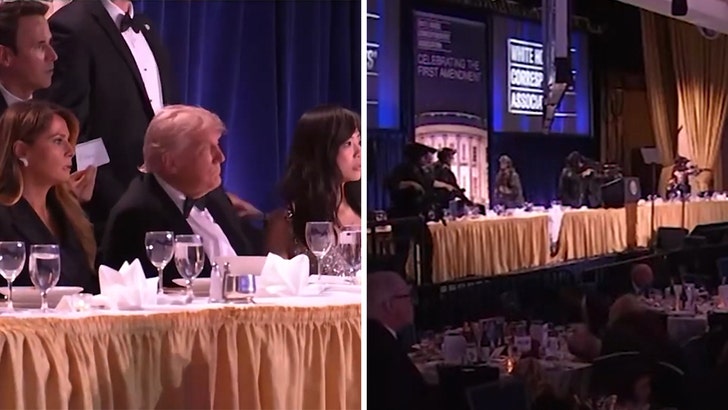
Federal authorities swiftly identified the shooter as Cole Allen. While details of his background and specific motives remain under intensive investigation by the FBI and Secret Service, President Trump mentioned that Allen’s alleged manifesto had been discovered. The President, without divulging specifics of the manifesto’s contents, indicated that it contained elements he found noteworthy and discussed it further during his "60 Minutes" interview. In a characteristic fashion, he even took "some shots at his interviewer" in the process of discussing the document’s implications. This suggests the manifesto may contain politically charged or ideologically driven rhetoric, potentially linked to broader societal grievances, extremist views, or even personal grievances against specific figures or institutions. The FBI’s involvement indicates a thorough investigation into whether Allen acted alone, his potential affiliations, the source of his weapon, and the specific intent behind the attack. Such manifestos often provide crucial insights into the psychological state and motivations of assailants, aiding law enforcement in understanding and potentially preventing future incidents. Initial reports suggest Allen had a history of online postings expressing anti-government sentiments, though a clear motive has yet to be formally declared by investigators.
Broader Impact and Implications
The shooting at the White House Correspondents’ Dinner carries significant implications for national security, political discourse, and the future of public events involving the President.
- Security Reassessment: The most immediate consequence will be an exhaustive, multi-agency review of security protocols for all high-profile events involving the President, Vice President, and other protectees. Questions will be raised about the effectiveness of current screening procedures, intelligence gathering, rapid response capabilities, and the potential for a "single point of failure" in event security. The breach, despite the swift neutralization of the threat, exposed a vulnerability in what was presumed to be an impregnable security apparatus at one of Washington’s premier gatherings.
- Political Messaging and Public Perception: President Trump’s deliberate framing of his actions as resistance to evacuation and his desire for a "front row seat" will undoubtedly resonate deeply with his political base, reinforcing an image of fearlessness, direct engagement, and a leader who stands his ground. However, it could also be interpreted by critics as recklessness, a disregard for the immense responsibility of his office, or a dangerous precedent for the safety of his protective detail. The incident will fuel ongoing debates about presidential temperament and the communication of crisis leadership.
- Future of the WHCD and Public Engagements: The incident casts a profound shadow over the future of the White House Correspondents’ Dinner and similar large-scale public engagements. While President Trump reaffirmed his plan to reschedule the event within the next 30 days, organizers and potential attendees will undoubtedly face heightened anxieties. The balance between maintaining the accessibility and tradition of such events for the press and ensuring absolute security will be a central and complex challenge. The dinner, historically designed to foster dialogue and often humor between the press and the President, may need to fundamentally alter its format, location, or guest list to mitigate future risks, potentially impacting its very essence.
- Societal Discourse on Violence: The attack, regardless of the assailant’s specific motives, adds to a concerning trend of politically motivated violence or threats targeting public figures in the United States. This incident will likely reignite urgent discussions about the tone of political rhetoric, the proliferation of misinformation and extremist ideologies online, and the broader mental health crisis, all of which contribute to a volatile and sometimes violent social environment.
- Role of the Media and Presidential Interviews: The "60 Minutes" interview itself, with President Trump’s unfiltered and unconventional recounting of the events, underscores the complex and often confrontational relationship between the President and the media. His willingness to share such granular details, and his "shots" at the interviewer, highlight the dynamic and often contentious nature of modern political journalism and presidential communication strategies.
In the immediate aftermath of the shooting, President Trump publicly praised the Secret Service for their exceptional performance in neutralizing the shooter before anyone was seriously injured. This commendation, while acknowledging their bravery and effectiveness, stood in stark contrast to his earlier comments about his own resistance to their directives. The incident at the White House Correspondents’ Dinner will undoubtedly be remembered as a moment of profound vulnerability for the American presidency, prompting a comprehensive reevaluation of security paradigms and igniting a robust public discourse on leadership, courage, and the ever-present threats facing the nation’s highest office. The rescheduled dinner, if it proceeds, will not merely be an evening of remarks, but a potent symbol of resilience, and perhaps, a stark reminder of the fragile peace within the nation’s capital.