


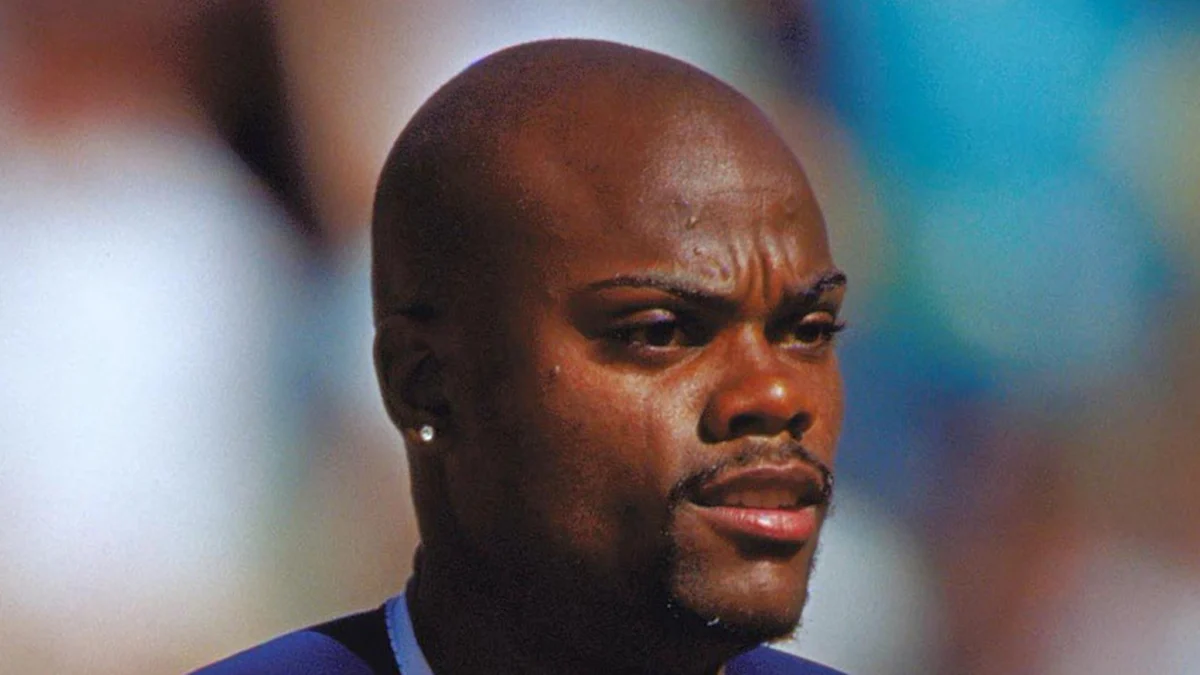
Former U.S. Olympic track and field star Alvin Harrison, a gold medalist from the 1996 Atlanta Summer Olympics, was arrested in Los Angeles on Monday night for driving under the influence (DUI). The incident, confirmed by law enforcement sources, involved Burbank Police Department officers who initiated a traffic stop after observing Harrison, 52, disregard a stop sign. Further investigation during the stop led officers to suspect impairment, culminating in his arrest. Compounding the situation, a records check revealed three active misdemeanor warrants for Harrison’s arrest, leading to his current detention without bail. He has remained in custody for four days following the Monday night arrest and is scheduled to appear in court in mid-July.
The Arrest and Subsequent Detention
The sequence of events leading to Harrison’s arrest began shortly before 11:00 PM PDT on Monday, June 22, 2026, in Burbank, California. According to preliminary reports obtained by TMZ Sports, Burbank PD officers were conducting routine patrols when they observed a vehicle, later identified as being driven by Alvin Harrison, fail to come to a complete stop at a designated stop sign. This common traffic infraction provided the initial legal basis for the officers to initiate a traffic stop.
Upon interacting with Harrison, officers reportedly detected indicators consistent with driving under the influence. While specific details regarding the nature of these indicators (e.g., odor of alcohol, slurred speech, impaired coordination during field sobriety tests) have not been publicly disclosed, these observations were sufficient for the officers to form probable cause for a DUI arrest. Harrison was then taken into custody on suspicion of driving under the influence.
During the booking process, a standard procedure involves running a background check on the individual. It was at this point that authorities discovered three outstanding misdemeanor warrants associated with Harrison’s name. The nature of these warrants has not been specified, but misdemeanor warrants typically stem from minor offenses such as unpaid fines, failure to appear in court for minor infractions, or violations of probation for less serious crimes. The existence of these prior legal issues significantly altered Harrison’s immediate post-arrest status. Instead of being eligible for standard bail on the DUI charge, the outstanding warrants resulted in him being held without bail, a measure often imposed when an individual is deemed a flight risk or has a history of non-compliance with court orders. As of Thursday, June 25, 2026, Harrison remains incarcerated, awaiting his court appearance next month.
Alvin Harrison’s Storied Athletic Career
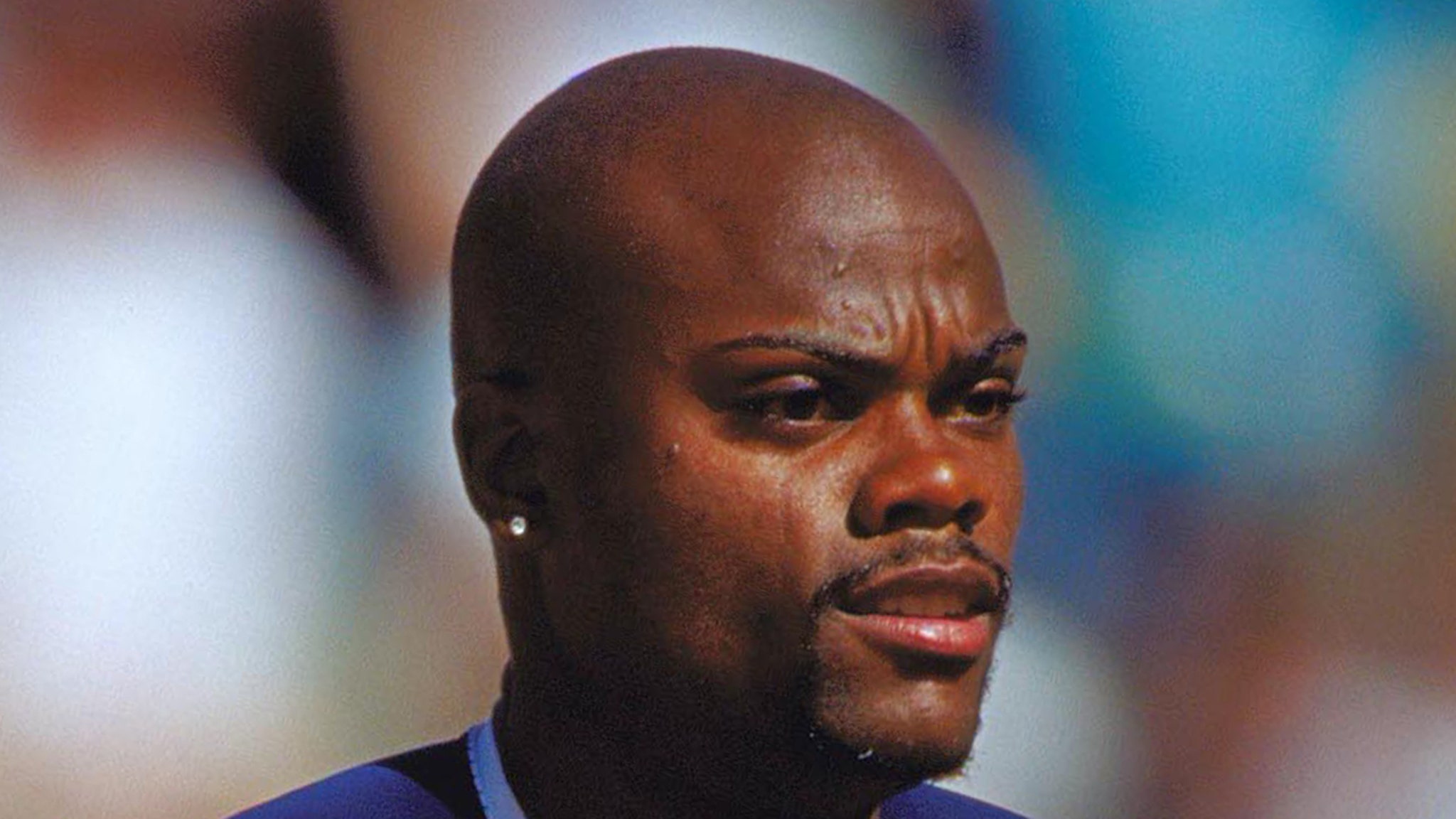
Alvin Harrison’s name resonates within the annals of American track and field, particularly for his prowess in the 400-meter dash and the 4×400-meter relay. Born in Orlando, Florida, in 1974, Alvin, alongside his identical twin brother Calvin, emerged as a formidable talent in high school, eventually earning scholarships to compete at the collegiate level. Their unique story as twin Olympic medalists adds a distinctive chapter to their legacy.
Harrison’s athletic peak arrived in the late 1990s and early 2000s. His most celebrated achievement came at the 1996 Summer Olympics in Atlanta, where he earned a gold medal as a crucial member of the United States’ dominant 4×400-meter relay team. This victory was a highlight of the home-soil Games and solidified his status as an elite international competitor. Four years later, at the 2000 Sydney Olympics, Harrison continued his Olympic success, securing a silver medal in the individual 400-meter event. His ability to consistently perform at the highest level across multiple Olympic cycles underscored his dedication and talent.
Beyond his Olympic medals, Harrison was a consistent presence on the international circuit, competing in numerous World Championships and Grand Prix events. His career was marked by intense rivalries and a relentless pursuit of excellence in a highly competitive era of sprinting. After his professional racing career concluded, like many former athletes, Harrison transitioned into various roles, sometimes involving coaching or motivational speaking, leveraging his Olympic experience. However, the path for many retired athletes is not always smooth, and challenges in adjusting to post-competition life are well-documented. This latest incident casts a shadow on a career that was once a source of national pride.
Understanding DUI Laws and Warrants in California
The legal framework surrounding driving under the influence in California is stringent, reflecting the state’s commitment to public safety. A DUI arrest in California can lead to severe penalties, even for a first-time offense, including fines, mandatory attendance at DUI education programs, driver’s license suspension, and potential jail time. The legal limit for blood alcohol content (BAC) for drivers 21 and older is 0.08%. If a driver is found to be impaired regardless of their BAC, they can still face charges. For commercial drivers, the limit is even lower at 0.04%, and for drivers under 21, any detectable amount of alcohol can lead to a DUI.
The added complication of three outstanding misdemeanor warrants significantly escalates the seriousness of Harrison’s current situation. A misdemeanor warrant is an order issued by a judge for the arrest of an individual who has either failed to appear in court as required (FTA) or has been formally charged with a misdemeanor offense but has not yet been taken into custody. Common reasons for such warrants include failure to pay traffic tickets, minor assault charges, petty theft, or violations of probation for non-felony crimes.
When a person is arrested on a new charge and outstanding warrants are discovered, the standard practice is often to hold them without bail. This decision is typically made by a judge or magistrate who assesses the individual’s flight risk, public safety risk, and history of complying with court orders. The presence of multiple warrants indicates a pattern of non-compliance, making it highly probable that Harrison would be deemed a flight risk, thus justifying the decision to deny bail. This means he will remain in custody until his scheduled court appearance in mid-July, where he will face both the new DUI charge and the issues pertaining to his prior warrants.
Reactions and Implications
While official statements from Alvin Harrison or his legal representatives have not yet been released, this is standard procedure in the early stages of a legal case. It is anticipated that Harrison will secure legal counsel to navigate the complexities of both the DUI charge and the outstanding misdemeanor warrants. A spokesperson for the Burbank Police Department, when contacted for information, would likely confirm the arrest details and charges without elaborating on the specifics of the ongoing investigation or Harrison’s personal circumstances. The department’s focus would remain on the procedural correctness of the arrest and the enforcement of public safety laws.
The news of Harrison’s arrest sends ripples through the athletic community and among those who followed his illustrious career. For a former Olympian, a figure once celebrated for discipline and peak physical performance, an arrest for DUI and outstanding warrants carries significant implications for public perception. It serves as a stark reminder of the personal struggles that can affect individuals regardless of their past achievements or public stature. Such incidents often spark broader conversations about accountability, the pressures faced by retired athletes, and the persistent challenges of maintaining a positive public image.
Beyond the immediate legal consequences—which could range from substantial fines, mandatory alcohol education programs, probation, and potential jail time, depending on the specifics of the DUI and the nature of the warrants—the long-term impact on Harrison’s legacy and personal life could be considerable. His court date in mid-July will be a critical juncture, where the full scope of the charges and the potential legal outcomes will begin to unfold. The outcome will not only determine his legal standing but also shape the public’s understanding of this unfortunate chapter in the life of a celebrated American athlete. The incident underscores the principle that no individual, regardless of their past accomplishments, is above the law, and the consequences of impaired driving and neglecting legal obligations are severe.