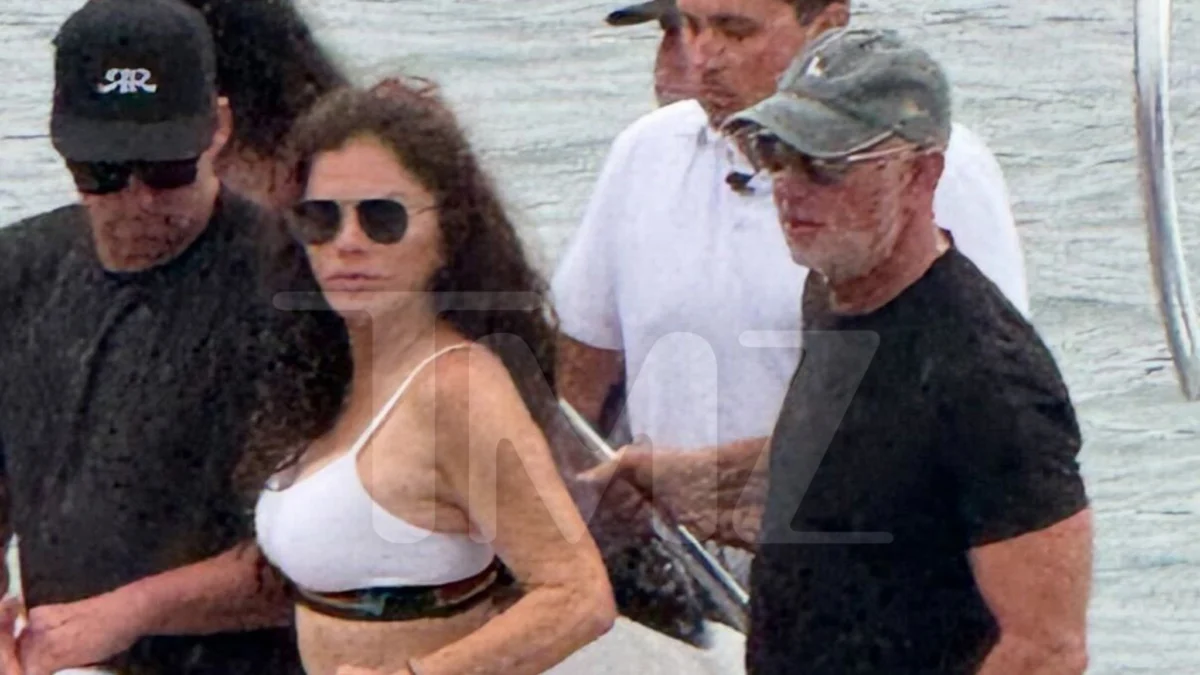
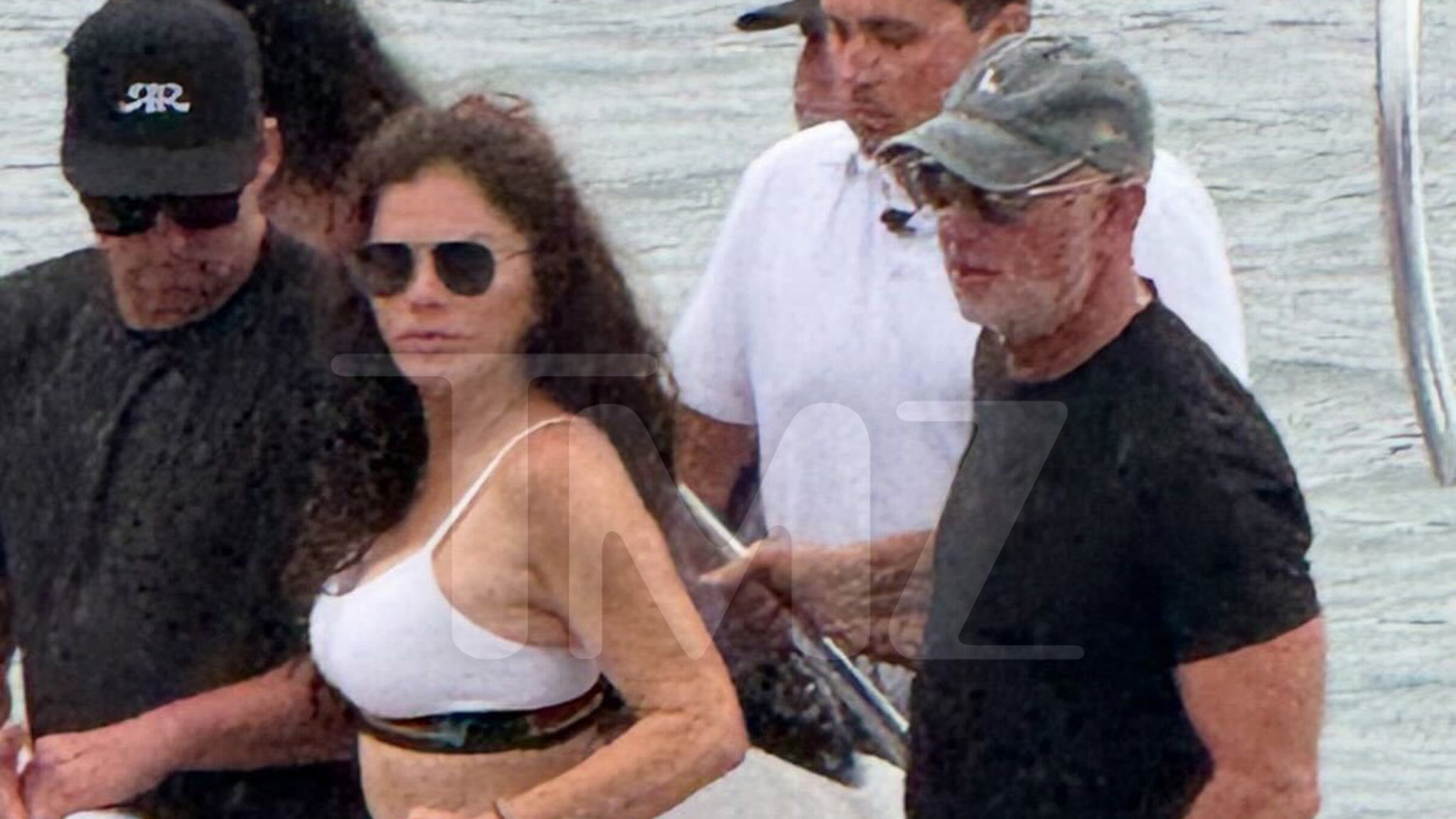
The pristine, volcanic archipelago of the Galápagos Islands, a crucible of biodiversity and a beacon of conservation, is currently hosting one of the world’s most high-profile couples: Amazon founder Jeff Bezos and his fiancée, Lauren Sánchez. Their visit, unfolding aboard the colossal 417-foot superyacht Koru, valued at an estimated $500 million, and its accompanying 246-foot support vessel, Abeona, has drawn significant public attention, particularly following recent media engagements that have placed their lifestyle under renewed scrutiny. The journey, captured in exclusive photographs, depicts the couple disembarking their luxury vessels to explore the unique terrestrial environments of the islands, an experience that intertwines unparalleled luxury with one of Earth’s most fragile ecosystems.
The Voyage of Koru and Abeona: A Flotilla of Luxury
The centerpiece of this lavish expedition is Koru, a sailing yacht that redefines the scale of private seafaring. Delivered by the Dutch shipyard Oceanco in 2023, Koru (meaning "new beginnings" in Māori) is not just one of the largest sailing yachts ever built but also a symbol of ultra-high net worth leisure. Its impressive dimensions include three towering masts and an expansive deck space designed for ultimate comfort and privacy. Features are rumored to include multiple swimming pools, extensive spa facilities, and lavish interiors crafted by industry-leading designers. The yacht is capable of accommodating numerous guests and a substantial crew, ensuring every need is met during extended voyages to remote corners of the globe.
Crucially, Koru does not travel alone. It is accompanied by Abeona, a state-of-the-art support vessel named after the Roman goddess of outward journeys. Valued at approximately $100 million, Abeona serves as a crucial logistical hub, carrying all the necessary tenders, toys, and even a helicopter that are too large or numerous for Koru itself. This dual-vessel arrangement allows for maximum flexibility and exploration, enabling the couple to access remote locations, launch aquatic excursions, and utilize air transport for rapid island transfers, as subtly referenced by the original report contrasting Bezos’s access to a helicopter with Charles Darwin’s historical visit. The combined cost of this private flotilla, exceeding $600 million, underscores the extraordinary resources dedicated to their voyages.
Galápagos: A Sanctuary Under Scrutiny
The choice of the Galápagos Islands as a destination is both evocative and controversial. This remote volcanic archipelago, located approximately 1,000 kilometers off the coast of Ecuador, is globally renowned for its unique biodiversity, which inspired Charles Darwin’s theory of evolution by natural selection during his 1835 visit aboard HMS Beagle. The islands are home to a remarkable array of endemic species, including giant tortoises, marine iguanas, flightless cormorants, and numerous finch species, all of which have evolved in isolation over millennia. Recognized as a UNESCO World Heritage site since 1978 and a Biosphere Reserve, the Galápagos National Park and Marine Reserve are among the most stringently protected natural areas on the planet.
Visitor access to the Galápagos is strictly regulated to minimize human impact on its delicate ecosystems. Tourists typically arrive on licensed tour vessels, following designated itineraries and accompanied by certified naturalist guides. Private yachts, especially those of Koru‘s magnitude, operate under highly specific permits that entail rigorous environmental assessments and adherence to strict operational protocols. These regulations cover everything from waste management and wastewater treatment to anchoring procedures and limitations on where visitors can disembark. The presence of a superyacht and its support vessel, complete with a helicopter, within such a sensitive marine protected area invariably raises questions about the environmental footprint of ultra-luxury tourism, even if all regulations are meticulously observed.
A Retreat Amidst Public Scrutiny and Personal Declarations
The timing of this opulent getaway is particularly noteworthy. It follows a recent high-profile interview with Lauren Sánchez published in The New York Times on April 11, 2026, which reportedly generated considerable public discussion and, in some quarters, backlash. While the precise nature of the criticism was not detailed in the original report, such interviews often delve into the couple’s lifestyle, philanthropic endeavors, and personal philosophies, inevitably inviting public commentary on wealth disparity and perceived priorities.
It was in this interview that Lauren Sánchez made a candid remark about her desire to have a child with Jeff Bezos, stating she "would have a baby tomorrow" with her billionaire husband. This personal declaration, juxtaposed with images of their extravagant vacation, adds another layer to their public narrative. The couple has been increasingly open about their relationship since it became public in 2019, sharing glimpses into their life together, which often includes extensive travel and participation in high-profile events. Their engagement, announced in May 2023, further cemented their status as a prominent power couple.
Sánchez also shared details of a daily gratitude practice during the interview, revealing that their mornings commence with each of them listing ten unique things they are grateful for. Against the backdrop of a $600 million yacht journey through a natural paradise, the article humorously suggests that finding ten things to be grateful for would be a "simple task" for the couple. This practice aligns with a broader trend among public figures to share personal routines aimed at mindfulness and positive mental well-being, even as their external circumstances differ vastly from the general population.
The Darwinian Legacy and Modern Expeditions
Charles Darwin’s transformative journey to the Galápagos in 1835 laid the groundwork for his theory of evolution. His observations of the islands’ distinct species, such as the finches with their varied beaks and the giant tortoises unique to each island, provided critical insights into adaptation and natural selection. Darwin’s expedition, undertaken aboard a Royal Navy survey ship, was characterized by scientific rigor, hardship, and a profound engagement with the natural world through painstaking observation and collection.
In stark contrast, Jeff Bezos and Lauren Sánchez’s modern-day expedition epitomizes the pinnacle of technological advancement and personal comfort. While Darwin relied on rudimentary tools and months of arduous travel, Bezos’s access to a private helicopter allows for rapid, almost instantaneous transitions between islands, offering aerial perspectives that Darwin could only dream of. This contrast highlights the vast chasm between historical scientific exploration and contemporary luxury tourism, prompting reflection on how our engagement with natural wonders has evolved with technological progress and accumulated wealth.
Environmental Impact and Ethical Considerations
The presence of superyachts in environmentally sensitive areas like the Galápagos invariably sparks debate about sustainable tourism and the ecological footprint of the ultra-rich. While strict regulations are in place, the sheer scale of Koru and Abeona necessitates careful consideration of their impact. Fuel consumption, potential for accidental spills, waste generation, and the disturbance caused by auxiliary vessels and aircraft are all factors that environmental agencies monitor closely.
Jeff Bezos, through the Bezos Earth Fund, has committed $10 billion to combat climate change and protect nature, a philanthropic endeavor that positions him as a significant player in global environmental conservation. This commitment creates an interesting paradox when viewed alongside a lifestyle that includes owning and operating one of the world’s largest and most carbon-intensive private vessels. Critics often point to this perceived inconsistency, questioning whether such personal consumption aligns with the broader goals of environmental stewardship.
However, proponents argue that responsible superyacht owners often invest heavily in cutting-edge environmental technologies, such as advanced wastewater treatment systems, exhaust gas purification, and adherence to stringent international maritime regulations. Furthermore, visits by high-profile individuals can sometimes bring increased awareness and philanthropic interest to the conservation efforts of the regions they visit, potentially attracting further funding and support for local initiatives. The Galápagos National Park Service, for its part, maintains a robust framework for managing all forms of tourism, including private vessels, ensuring that visits contribute positively to conservation through permit fees and regulated interactions.
Broader Implications: Wealth, Lifestyle, and Public Perception
The ongoing public fascination with the lives of billionaires like Jeff Bezos reflects broader societal discussions about wealth distribution, economic inequality, and the responsibilities that accompany immense fortunes. Every public appearance, every grand purchase, and every luxurious vacation becomes a point of public discourse, often sparking both admiration and criticism.
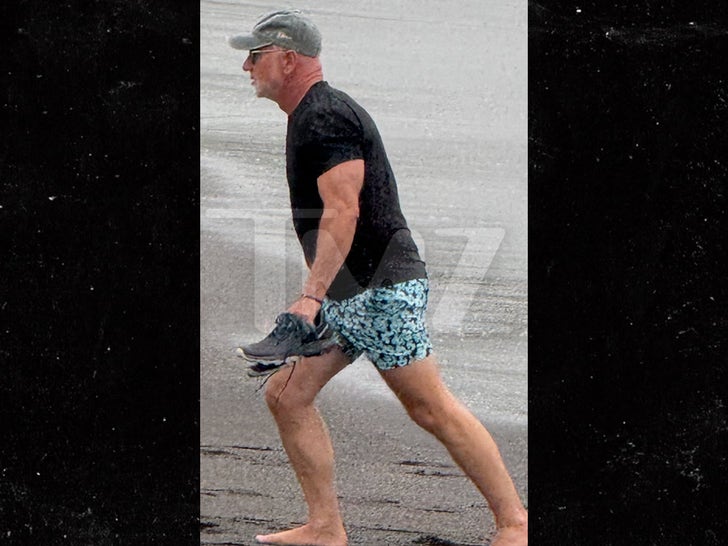
For Bezos and Sánchez, their Galápagos trip serves multiple purposes: a personal retreat, a display of their shared life, and perhaps a moment of respite from intense professional and public demands. Yet, it also underscores the enduring tension between private luxury and public perception, particularly when juxtaposed with global challenges such as climate change, poverty, and social inequality. The images of them strolling barefoot on a pristine island, leaving their half-billion-dollar yacht behind, encapsulate a reality that is both aspirational for some and a symbol of excess for others.
Ultimately, the Galápagos trip is more than just a vacation; it is a meticulously orchestrated experience that reflects the intersection of immense wealth, advanced technology, personal declarations, and global environmental responsibility. As the couple continues their journey through this extraordinary natural wonder, their actions and choices will undoubtedly remain a subject of keen observation and ongoing analysis in the public sphere.