

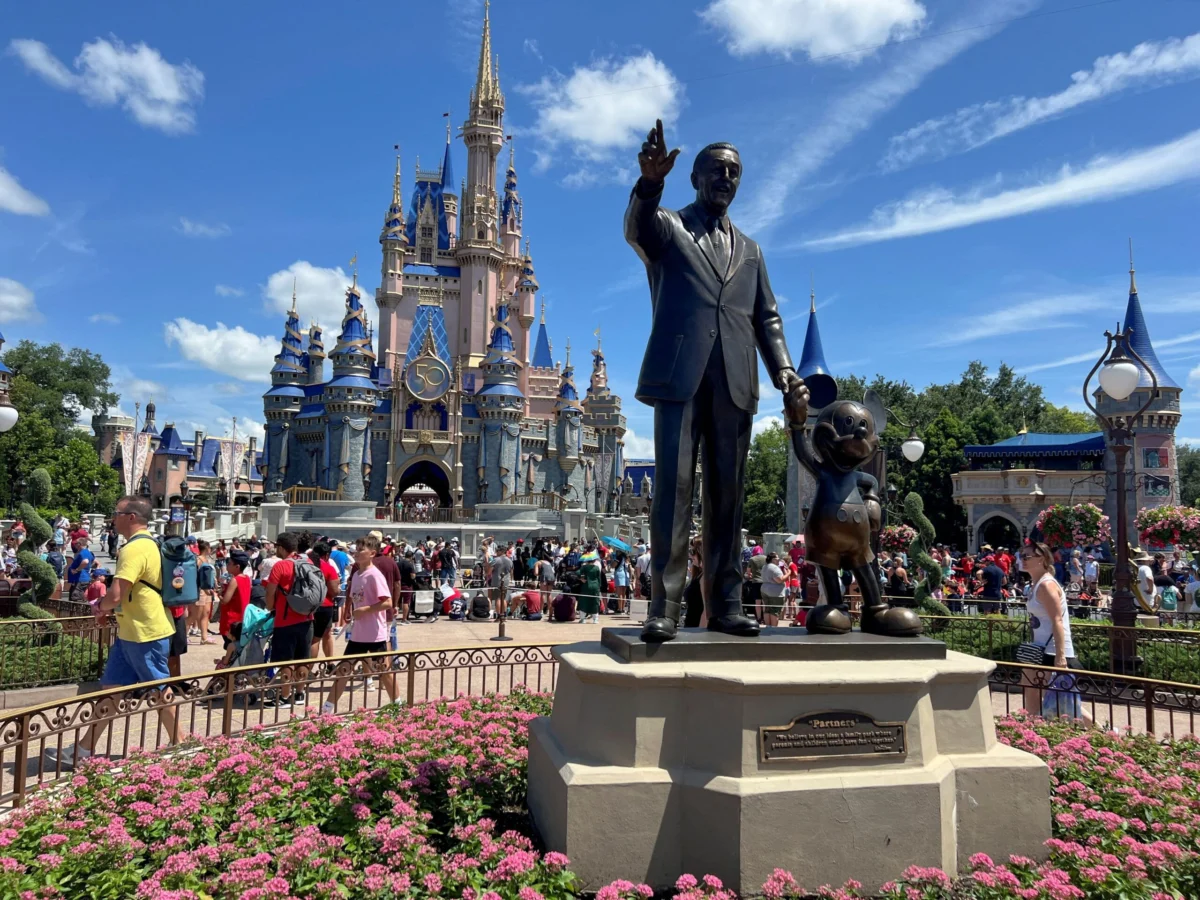
The Walt Disney Company has launched a significant new phase of its ongoing cost-cutting strategy, a move that is expected to result in the elimination of approximately 1,000 positions across the organization. This latest round of workforce reductions represents the first major structural adjustment under the leadership of Josh D’Amaro, who officially assumed the role of Chief Executive Officer in mid-March. According to sources familiar with the internal proceedings, the layoffs are primarily concentrated within the company’s marketing divisions, following a high-level reorganization intended to streamline global brand operations and reduce operational redundancies.
This strategic pivot comes at a pivotal moment for the media and entertainment titan. While the company has navigated a period of intense restructuring over the past several years, the current initiative signals a continued commitment to fiscal discipline and organizational lean-ness. The marketing department, which has recently undergone a comprehensive consolidation, is bearing the brunt of these cuts as the company seeks to integrate its various business segments—entertainment, experiences, and sports—under a unified brand strategy.
The Reorganization of Disney’s Global Marketing Apparatus
The decision to target the marketing department follows the recent appointment of Asad Ayaz as Disney’s inaugural Chief Marketing and Brand Officer. In this newly created role, Ayaz oversees marketing efforts across the entirety of the Disney ecosystem, reporting directly to CEO Josh D’Amaro and Dana Walden, Disney’s President and Chief Creative Officer. This structural change marks the first time in the company’s century-long history that all marketing units have been centralized under a single executive leader.
Previously, marketing teams operated with a degree of autonomy within their respective divisions, such as the Disney Entertainment segment, ESPN, and the Disney Experiences division (formerly Parks, Experiences and Products). By consolidating these functions, Disney aims to create a more cohesive brand voice while eliminating overlapping roles that emerged during the company’s rapid expansion into streaming and international markets. While the consolidation was designed to improve efficiency, it has inevitably led to a surplus of personnel in mid-to-high-level marketing roles, necessitating the current staff reductions.
Industry analysts suggest that the centralization of marketing is a logical step for a company that relies heavily on its "flywheel" effect—where a film release drives theme park attendance, which in turn fuels merchandise sales and streaming subscriptions. A unified marketing strategy allows for more synchronized promotional campaigns, though it requires a leaner, more agile team to execute global initiatives.
Leadership Transition: From the Iger Era to D’Amaro’s Stewardship
The timing of the layoffs is inextricably linked to the recent transition in the executive suite. Josh D’Amaro, the former Chairman of Disney Experiences, was named successor to Bob Iger after a protracted and highly publicized search for a new leader. D’Amaro’s ascent to the CEO position followed a period of significant volatility for the company, during which Iger returned from retirement in late 2022 to stabilize the business following the brief and turbulent tenure of Bob Chapek.
During Iger’s second stint as CEO, he was tasked with a comprehensive "turnaround" of the company’s core businesses. This included addressing a flagging stock price, managing the transition of ESPN to a direct-to-consumer future, and achieving profitability for the Disney+ streaming service. In February 2023, Iger announced a massive restructuring plan that included $5.5 billion in cost savings and the elimination of 7,000 jobs.
As D’Amaro takes the helm, he inherits a company that has largely completed the "fortification" phase described by Iger. On his first official day as CEO, D’Amaro addressed investors, noting that the groundwork for long-term growth had been laid through improvements in studio performance and the "turbocharging" of the parks and experiences division. However, the current layoffs indicate that the pursuit of efficiency remains a top priority. D’Amaro’s leadership style, characterized by a deep understanding of consumer experience and operational logistics, appears focused on refining the internal mechanics of the company to ensure sustained profitability in an increasingly competitive media landscape.
A Chronology of Disney’s Fiscal Realignment
To understand the context of the current 1,000-person layoff, it is necessary to examine the timeline of Disney’s financial and structural shifts over the last several years:
- November 2022: Bob Iger returns as CEO, replacing Bob Chapek, with a mandate to restore investor confidence and restructure the company’s creative and distribution arms.
- January 2023: Disney begins the process of centralizing its brand management, eventually leading to the appointment of Asad Ayaz as Chief Marketing and Brand Officer.
- February 2023: The company announces a $5.5 billion cost-cutting target and a workforce reduction of 7,000 employees, representing roughly 3% of its global staff.
- Mid-2024 to 2025: Disney focuses on streaming profitability and the integration of Hulu into the Disney+ ecosystem, while simultaneously navigating labor strikes in Hollywood and fluctuating advertising revenues.
- January 2026: The marketing department structure is finalized, bringing entertainment, experiences, and sports under one umbrella.
- March 2026: Josh D’Amaro officially succeeds Bob Iger as CEO.
- Current Period: Disney initiates a new phase of layoffs targeting 1,000 employees, primarily within the newly consolidated marketing organization.
Financial Performance and Market Sentiment
Following the news of the impending layoffs, Disney’s stock experienced a slight decline in afternoon trading. Investors have remained cautious but generally supportive of the company’s cost-containment measures. The broader market sentiment suggests that while layoffs are a difficult necessity, they are viewed as a sign that management is proactive in protecting margins.
Disney’s financial health has seen a steady recovery since the post-pandemic slump. The Experiences division, which D’Amaro previously led, has been a primary engine of growth, reporting record revenues and operating income driven by high per-capita spending at domestic and international parks. However, the Entertainment segment has faced headwinds, including a shifting theatrical landscape and the high costs associated with content production for streaming.
The current cost-cutting efforts are also seen as a move to bolster the company’s balance sheet as it prepares for significant capital expenditures. Disney has previously committed to investing $60 billion in its parks and cruises over the next decade. To fund such ambitious growth while maintaining a healthy dividend and satisfying shareholders, the company must continue to find savings in its overhead and administrative functions.
Broader Implications for the Media and Entertainment Industry
Disney is not alone in its pursuit of a leaner corporate structure. The entire media industry has been grappling with a "right-sizing" period as the initial euphoria of the streaming wars gives way to the harsh realities of profitability and debt management. Competitors such as Warner Bros. Discovery, Paramount Global, and NBCUniversal have all undergone various rounds of layoffs and restructuring in recent years.
The trend toward marketing consolidation is particularly noteworthy. As traditional linear television advertising declines, media companies are forced to find more efficient ways to reach audiences across digital, social, and physical platforms. By reducing the number of marketing personnel and focusing on a centralized strategy, Disney is attempting to maximize the impact of every dollar spent on promotion.
However, the reduction in force also raises questions about the potential impact on creative output and brand innovation. Marketing is essential for driving the success of new intellectual property (IP), and a significantly reduced team may face challenges in managing the sheer volume of content Disney produces annually.
Analysis: The Strategic Logic Behind the Move
From a strategic standpoint, the layoffs serve two primary purposes. First, they address the "bloat" that often accompanies large-scale mergers and rapid shifts in business models. Disney’s acquisition of 21st Century Fox and its subsequent pivot to a streaming-first model created a complex web of departments that often duplicated efforts.
Second, the layoffs allow Josh D’Amaro to put his own stamp on the company’s culture and operational philosophy. By streamlining the marketing arm early in his tenure, D’Amaro is signaling a move toward a more integrated, data-driven approach to consumer engagement. The goal is likely to create a "leaner and meaner" organization that can react more quickly to market shifts and consumer trends.
As the company moves forward, the focus will likely remain on the "four pillars" D’Amaro highlighted: creative excellence in studios, streaming profitability, the digital evolution of ESPN, and the expansion of the parks and experiences. While 1,000 employees will be leaving the company, the executive leadership maintains that these changes are essential to ensure that Disney remains at the forefront of the global entertainment industry for the next century.
The Walt Disney Company has not yet released an official statement regarding the specific timing or locations of the layoffs, but the process is expected to begin in the coming weeks. Affected employees are anticipated to receive severance packages and outplacement services, consistent with the company’s previous handling of workforce reductions. For now, the industry remains focused on how these internal changes will translate into the company’s external performance during the first full year of the D’Amaro era.