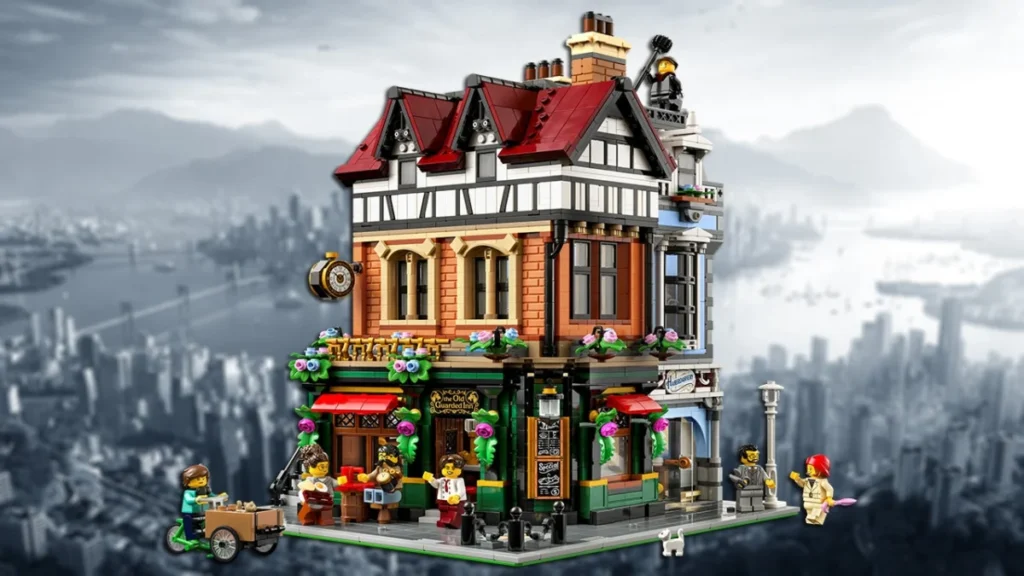
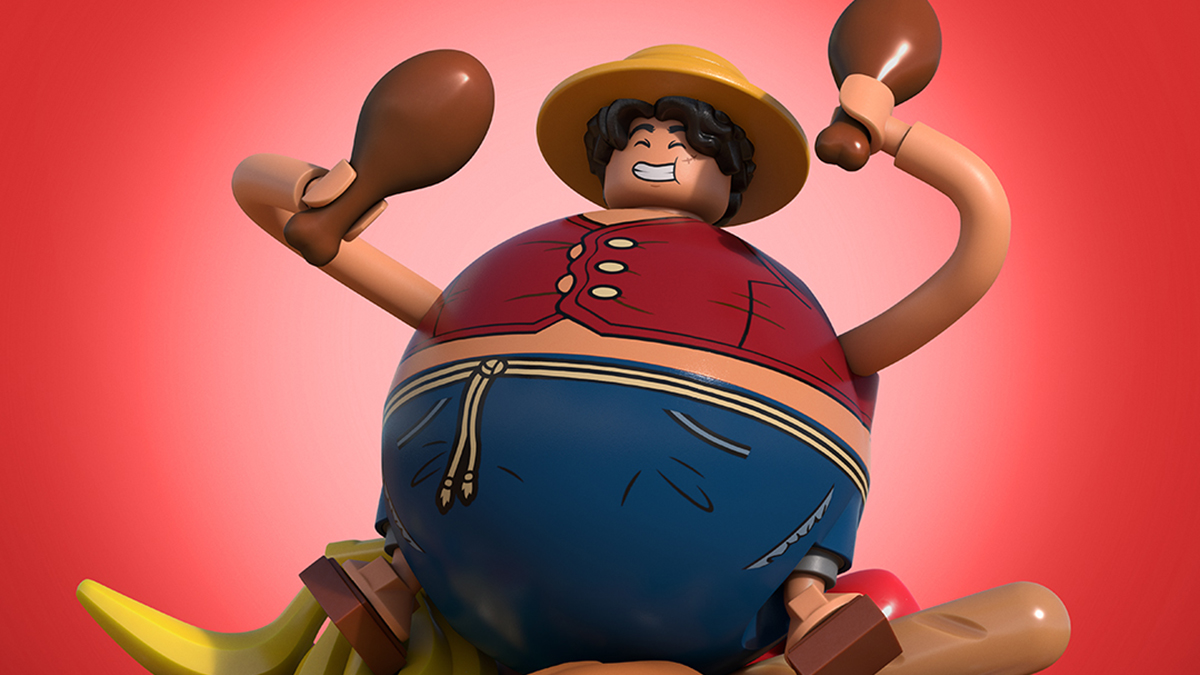
The recent debut of the LEGO One Piece animated special on Netflix has reignited discussions regarding the intersection of premium intellectual property and the distinct, plastic-brick aesthetic popularized by the LEGO Group. By condensing the sprawling, multi-arc narrative of Eiichiro Oda’s legendary manga—specifically the foundational seasons of the live-action Netflix adaptation—into a brisk, accessible format, the special has demonstrated a proven formula: distill complex lore into a medium that balances physical comedy with narrative fidelity. Historically, the LEGO Group has successfully partnered with major entertainment conglomerates to adapt high-stakes franchises like Star Wars, Jurassic World, and DC Comics. These collaborations often serve dual purposes: acting as a low-barrier entry point for younger demographics while providing a satirical, meta-textual commentary for long-term fans. As Netflix continues to bolster its animation slate, the potential for expanding this "LEGO-fied" library to its own prestigious originals remains a compelling strategic avenue.
The Evolution of LEGO Media Strategy
The LEGO Group’s entry into long-form animation is not merely a marketing exercise but a sophisticated brand-extension strategy. Since the release of the 2014 theatrical feature, the company has refined its ability to interpret mature narratives through a lens of "safe" absurdity. The primary mechanism of this success is the "recap special," a genre that synthesizes hundreds of hours of source material into a self-contained narrative. This approach allows rights holders to re-engage dormant or casual audiences by stripping away the narrative bloat often associated with multi-season prestige dramas.
From a production standpoint, these specials utilize a recognizable visual language—minifigures, buildable environments, and "studs" as a currency of engagement—to bridge the gap between high-concept storytelling and family-oriented entertainment. The success of the One Piece initiative suggests that Netflix is increasingly comfortable utilizing the LEGO brand to anchor its global anime and live-action output, positioning these specials as "gateway" content that may drive traffic back to the primary, more mature source material.
Stranger Things: A Modular Approach to Sci-Fi Horror
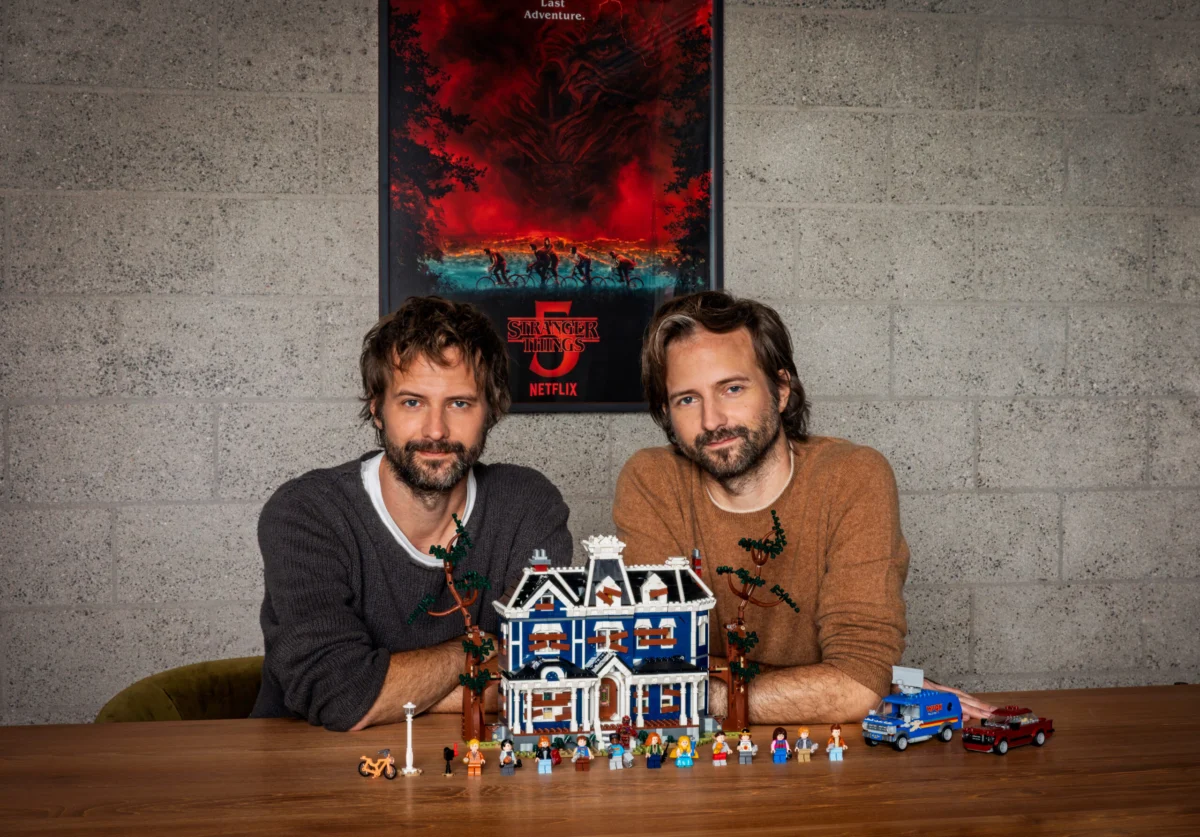
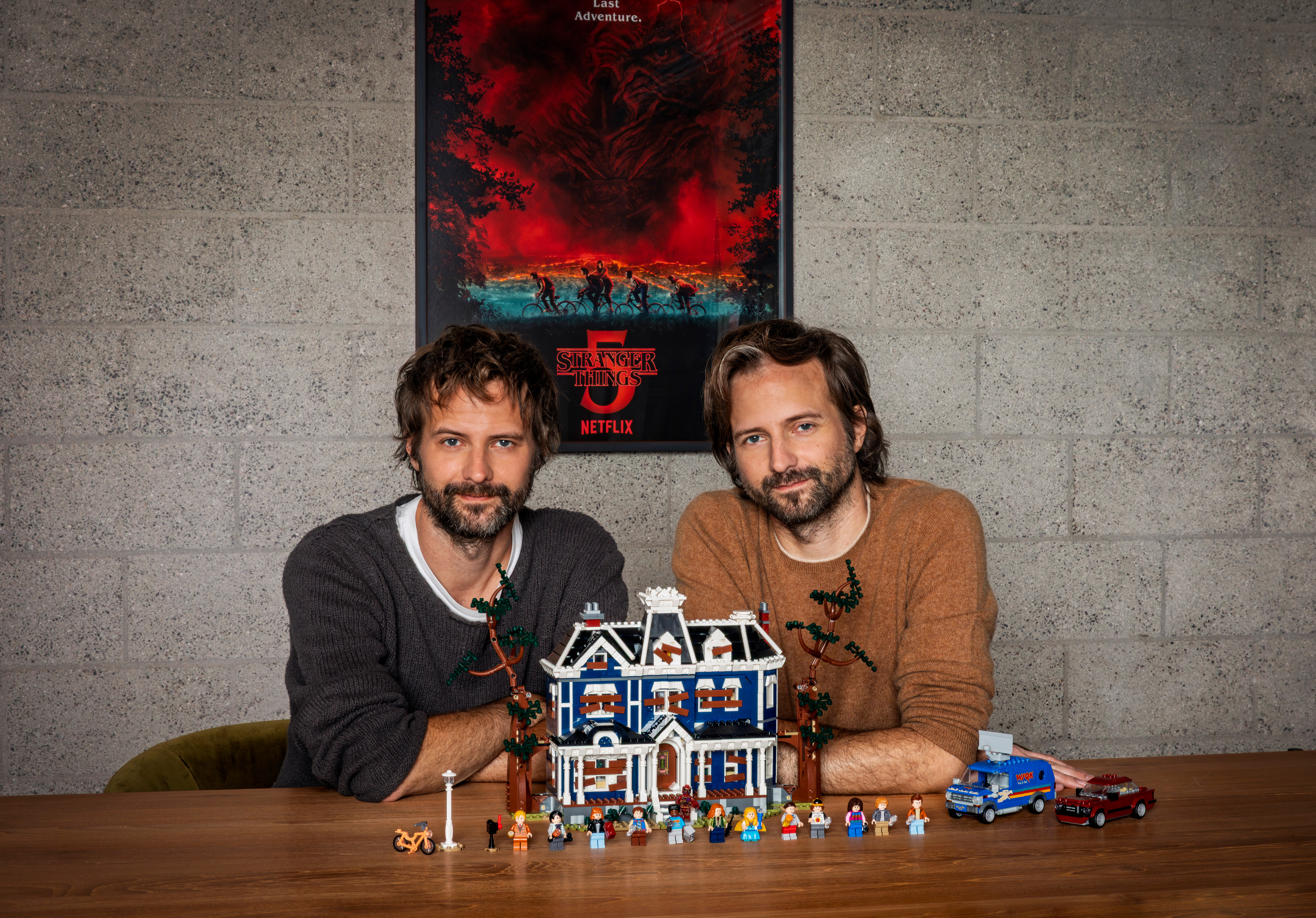
Among Netflix’s most valuable intellectual properties, Stranger Things stands out as a prime candidate for the LEGO treatment. With the series finale approaching, the brand is currently in a phase of expansive franchise building, as evidenced by the West End stage play, the upcoming animated spin-off, and various mobile game iterations.
A LEGO Stranger Things special would offer a unique utility: the ability to sanitize the series’ visceral horror elements for a broader audience. By translating the "Upside Down" into a brick-based construct, the narrative could pivot toward the absurdity of the show’s more intense sequences. For example, the transformation of traumatic character deaths into the harmless disassembly of minifigures serves as a hallmark of LEGO’s brand of humor. Furthermore, such a special could provide a condensed, streamlined history of the Hawkins saga, allowing viewers to bypass the more protracted character arcs of the middle seasons. Industry analysts suggest that this type of "summary" content is essential for long-running shows, as it helps retain audience engagement in a crowded streaming landscape where re-watching an entire multi-season series is often prohibitive for the average viewer.
The Witcher: Navigating Complex Fantasy Worlds
Andrzej Sapkowski’s The Witcher universe presents a different set of challenges and opportunities. The live-action adaptation has been noted for its non-linear timeline and dense geopolitical lore, which have occasionally served as barriers to entry for mainstream audiences. A LEGO-animated special could simplify these intricate narratives, providing a "Dummies Guide" to the Conjunction of the Spheres or the political maneuvering of the Nilfgaardian Empire.
Beyond the narrative simplification, the aesthetic potential is significant. The Witcher’s creature design, which relies on complex CGI in the live-action version, would be uniquely suited for the "build-it-yourself" modularity of LEGO. The juxtaposition of a serious, gravel-voiced Geralt of Rivia in a LEGO-brick bathtub creates an inherent comedic tension that the franchise, in its current iteration, rarely explores. By adopting this format, Netflix could potentially widen the reach of The Witcher to a younger demographic that is currently restricted from viewing the TV-MA-rated live-action series.
Wednesday: Gothic Aesthetics in Plastic
The Addams Family franchise, particularly the Wednesday series, shares a symbiotic history with the LEGO Group. With established design languages already present in existing commercial sets, a dedicated animated special would require minimal asset development. Wednesday’s visual style—monochromatic, sharp, and gothic—would provide a striking contrast to the vibrant, primary-color-focused world of traditional LEGO animation.
From a structural perspective, the series’ focus on mystery and supernatural school drama fits the classic "detective" tropes often explored in LEGO video games. The challenge, and the opportunity, lies in maintaining the character’s trademark nihilism within a kid-friendly framework. Much like the successful adaptations of the Harry Potter universe, a LEGO Wednesday special could highlight the eccentricities of the Addams family while providing a satirical take on the "chosen one" school narrative that dominates the show’s plot.
BoJack Horseman and the Limits of Parody
Perhaps the most experimental candidate for a LEGO special is the critically acclaimed animated series BoJack Horseman. While the show deals with mature themes such as addiction, depression, and the superficiality of Hollywood, its narrative structure is highly malleable. The show has famously experimented with non-traditional storytelling, such as dialogue-free episodes and surrealist sequences.
A LEGO version of BoJack would represent the pinnacle of the "meta" approach. By translating the show’s darkest moments into the bright, rigid, and often silly world of LEGO, the production could offer a satirical mirror to the entertainment industry that the series itself frequently critiques. While this might appear antithetical to the LEGO brand’s focus on children, the company has increasingly demonstrated a willingness to engage with mature source material if the satirical framing is sufficiently robust.
Mindhunter: The Absurdist Frontier
The inclusion of Mindhunter on this list is a study in creative juxtaposition. David Fincher’s procedural, which focuses on the psychological profiling of serial killers, is perhaps the least likely candidate for a family-friendly toy-based adaptation. However, this is precisely where the potential for a groundbreaking special lies.
The concept of "LEGO Mindhunter" would lean heavily into deadpan, dry humor. The stark contrast between the grim, beige-toned realism of the FBI Behavioral Science Unit and the cheerful, static expressions of LEGO minifigures would be an exercise in high-concept irony. While such a project might never see the light of day due to the severity of the source material, it illustrates the sheer scale of the LEGO brand’s current influence in the cultural zeitgeist.
Broader Implications for Netflix’s Content Strategy
The shift toward these "recap specials" reflects a broader trend in streaming: the commodification of nostalgia and the consolidation of IP. As Netflix faces increased competition from legacy studios, the ability to iterate on its own original content through various formats—including animation, gaming, and interactive specials—is critical.

By leveraging the LEGO brand, Netflix achieves three key objectives:
- IP Rejuvenation: Refreshing interest in older seasons of hit shows without the need for additional live-action production costs.
- Audience Expansion: Creating "entry-level" versions of mature content that can be consumed by younger demographics.
- Cross-Platform Synergy: Driving traffic between its animation hub and its flagship live-action library.
Industry observers anticipate that if the One Piece special meets its projected viewership targets, we can expect a formalization of this partnership. The LEGO Group, for its part, benefits from the continued relevance of its physical products in the digital age, effectively turning Netflix’s UI into an interactive catalog for their latest sets.
While the creative risks of "LEGO-fying" serious dramas are non-trivial, the precedent is well-established. As production cycles for major dramas lengthen, these animated specials may become the standard method for bridging the gap between seasons, ensuring that these franchises remain at the forefront of the cultural conversation. Whether or not these specific series will receive the "brick" treatment remains to be seen, but the success of the format is now a proven variable in the evolving equation of digital entertainment.