



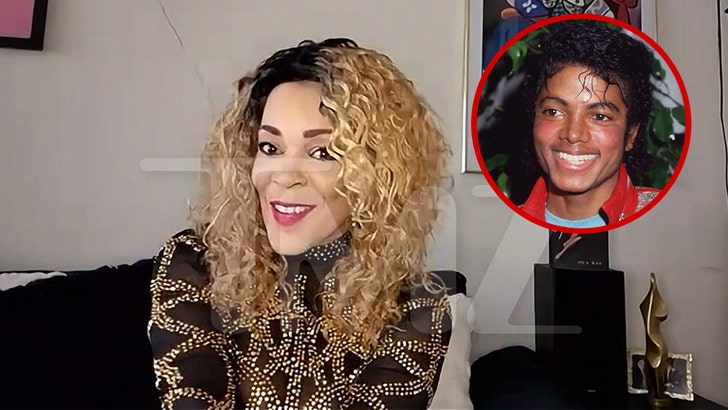
The indelible legacy of Michael Jackson’s "Thriller" music video continues to capt captivate audiences and inspire new narratives, with recent revelations from Ola Ray, the woman who famously played Jackson’s girlfriend in the iconic 1983 short film, adding a new dimension to its history. Ray, a former Playmate and music video vixen, recently sat down with TMZ’s Charlie Neff, disclosing that a palpable "sexual tension" existed between her and Jackson during the production of the groundbreaking video. Her recollections offer a rare glimpse into the personal dynamics behind one of the most culturally significant artistic collaborations of the 20th century, shedding light on the King of Pop’s on-set demeanor and the complexities of their professional and personal interactions.
The Genesis of a Masterpiece: "Thriller" Production and Impact
Released in December 1983, Michael Jackson’s "Thriller" music video transcended the traditional promotional clip, becoming a 14-minute cinematic event that redefined the genre. Directed by John Landis, renowned for his work on films like "An American Werewolf in London," the video was a groundbreaking endeavor, blending horror, dance, and narrative storytelling on an unprecedented scale. The budget for "Thriller" was reported to be between $500,000 and $1 million, a colossal sum for a music video at the time, made possible by a pioneering deal that included MTV and Showtime contributing funds in exchange for exclusive broadcast rights to "The Making of Michael Jackson’s Thriller." This "making-of" documentary itself became a best-seller, further cementing the video’s cultural footprint.
The original "Thriller" album, released in November 1982, was already a phenomenal success, having sold over 70 million copies worldwide and earning eight Grammy Awards, including Album of the Year. However, it was the accompanying visual masterpiece that propelled both the album and Michael Jackson into an unparalleled stratosphere of global superstardom. The video’s innovative choreography by Michael Peters, Rick Baker’s groundbreaking zombie makeup effects, and Jackson’s charismatic performance created an instant sensation. It broke racial barriers on MTV, which had previously been reluctant to feature Black artists prominently, and popularized the concept of the long-form "short film" music video. Filmed across various locations in Los Angeles, including the historic Palace Theatre and residential streets in East Los Angeles, the production was an intricate logistical feat, involving hundreds of extras and a dedicated crew working tirelessly to bring Landis’s vision to life.
Ola Ray’s casting as Jackson’s girlfriend was pivotal. As a former Playboy Playmate (Miss June 1980), her presence added a layer of glamour and relatable appeal to the narrative, which sees the couple on a date before Jackson transforms into a werewolf and later a zombie. Her role was not merely decorative; she was central to the plot, experiencing the unfolding horrors alongside Jackson, grounding the fantastical elements in a relatable human dynamic. This choice reflected the video’s aspiration to appeal to a broad, mainstream audience while pushing artistic boundaries.
Recollections from the Set: Ola Ray’s Perspective
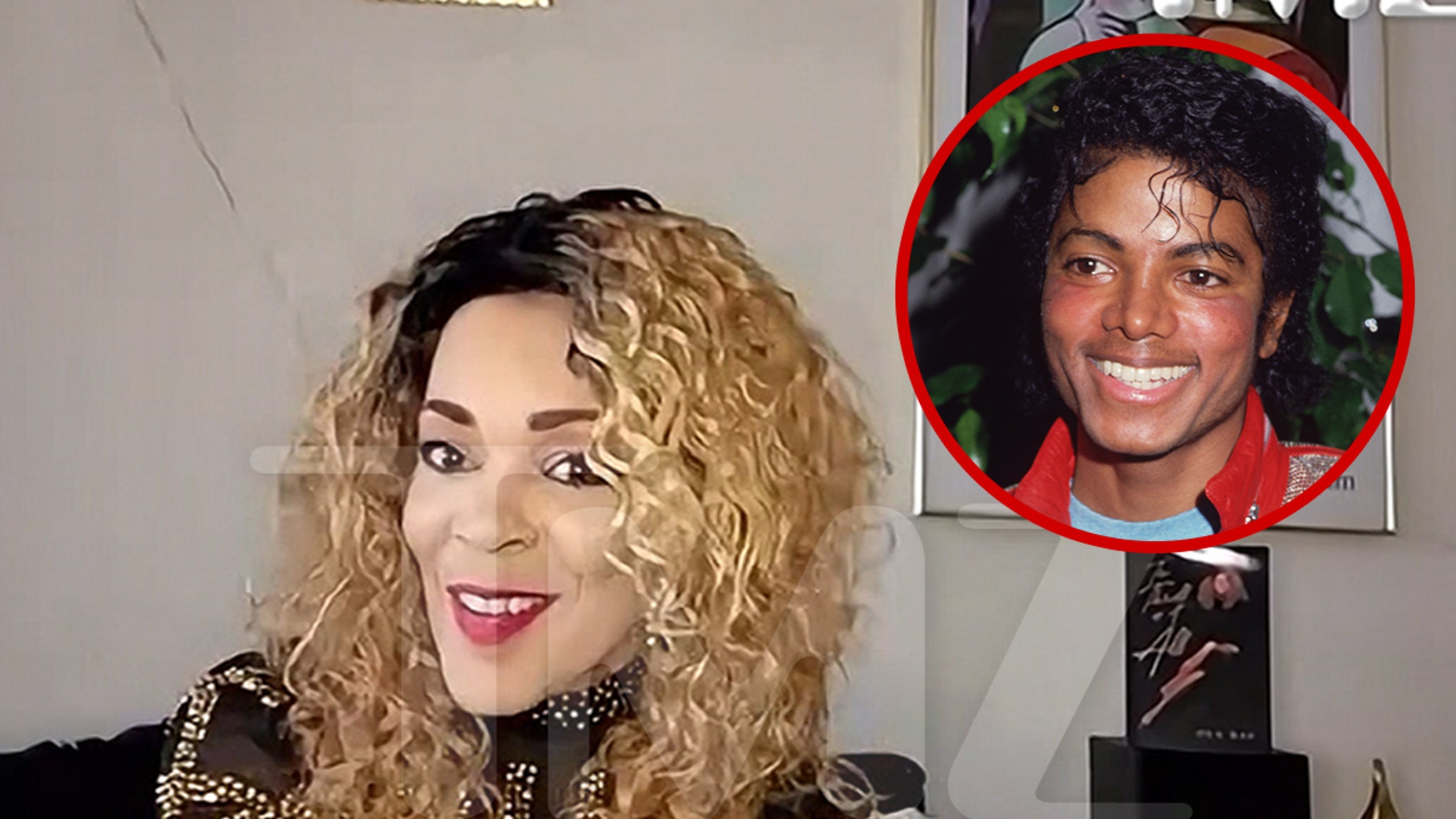
During her recent interview, Ola Ray detailed the on-set chemistry she experienced with Michael Jackson, describing an undeniable "flirty" dynamic that permeated their interactions. Ray specifically recalled conversations leading up to their shared kiss scene in the video, a moment that stands out as one of the few instances of direct romantic interaction Jackson portrayed on screen during his career. This kiss, occurring early in the video before the horror elements fully manifest, serves as a tender, almost innocent, prelude to the impending supernatural chaos. Ray’s account suggests that the on-screen affection was rooted in an authentic, albeit subtle, personal connection between the two performers.
Jackson, known publicly for his shy and enigmatic persona, often maintained a carefully constructed distance from overt displays of romantic interest in his public image. However, Ray’s narrative paints a different picture of their private interactions during the "Thriller" shoot. She described Jackson as being "very charming" and "playful" when the cameras weren’t rolling, a side of the King of Pop that few outside his immediate circle ever witnessed. This intimacy, she suggests, was not just a performance but an underlying current of mutual attraction. The "sexual tension," as Ray phrased it, was an unspoken element that contributed to the authenticity of their on-screen relationship, making their characters’ bond feel genuine before the zombie apocalypse ensues.
The environment of a film set, particularly one as intense and creatively charged as "Thriller," often fosters close bonds and unique dynamics among cast members. For Ray, working closely with Jackson on such a monumental project evidently created a space where a personal connection could flourish, even if it remained largely unacted upon beyond the confines of the script. Her recollections provide valuable insight into the human element of a production often viewed through the lens of its groundbreaking technical and artistic achievements.
Post-Production Encounters and Missed Opportunities
Ola Ray’s interactions with Michael Jackson did not end with the final cut of the "Thriller" video. She recounted crossing paths with Jackson in the years that followed, indicating a continued, albeit sporadic, connection. A particularly poignant detail from her interview was Jackson’s invitation to her for lunch on one such occasion. This offer suggests a desire on Jackson’s part to extend their professional acquaintance into a more personal sphere, hinting at the potential for a deeper relationship had circumstances been different.
Ray, however, passed on the immediate offer. While she provided the King of Pop with her phone number and encouraged him to call, she now expresses regret over her decision to not accept the lunch invitation directly. Her explanation for this "regrettable choice" could stem from various factors – perhaps the societal pressures surrounding Jackson’s unprecedented fame, her own career trajectory at the time, or simply a misjudgment of the moment’s significance. In retrospect, as she reflects on the life and career of one of the most iconic figures in music history, the opportunity for a personal connection with Jackson takes on added weight. This sentiment of missed opportunity is a common thread for many who had brief but significant encounters with legendary figures, where the full magnitude of the interaction is only appreciated years later. It underscores the human aspect of these relationships, often overshadowed by the larger-than-life personas.
The Royalty Dispute: A Legal Battle
Despite the reported on-set chemistry and subsequent friendly encounters, Ola Ray’s relationship with Michael Jackson also took a turn into the legal arena. In 2009, just one month before Michael Jackson’s untimely passing on June 25, 2009, Ola Ray filed a lawsuit against Jackson and his production company, Optimum Productions. The core of her claim was that she had not been adequately compensated or paid royalties for her pivotal role in the "Thriller" music video, which had generated immense revenue and cultural capital over the decades.
Disputes over residuals and royalties are not uncommon in the entertainment industry, particularly for projects that achieve enduring global success. While performers are typically paid a flat fee for their initial work, contracts often include provisions for ongoing payments (royalties or residuals) based on the project’s continued commercial exploitation. Ray’s lawsuit highlighted the complexities and often opaque nature of these contractual agreements, especially for supporting roles in groundbreaking works that go on to define an era. The timing of the lawsuit, coinciding with a period of intense public scrutiny and legal challenges for Jackson himself, added a layer of poignancy to the proceedings.
Following Jackson’s death, the legal battle continued with his estate. In 2013, four years after the initial filing, Ola Ray settled her case with the Michael Jackson Estate. The settlement awarded her $55,000, with an additional $20,000 allocated to her attorney. While the monetary sum might seem modest compared to the video’s colossal earnings, it represented a legal acknowledgment of her claim and a resolution to a long-standing dispute. Ray, reflecting on the resolution, stated that there were "never any hard feelings" with Michael Jackson himself. This suggests that her legal action was primarily a professional pursuit to secure what she believed was owed to her, rather than a personal vendetta against the artist. It underscores the distinction between the personal dynamics and the business realities of the entertainment industry.
"Thriller"’s Enduring Legacy and the Biopic
More than four decades after its release, "Thriller" remains an undisputed cultural touchstone, continually referenced, celebrated, and analyzed. Its impact on music, film, fashion, and pop culture is immeasurable, solidifying its place in the Library of Congress’s National Film Registry. The ongoing fascination with "Thriller" is evident in the anticipation surrounding the upcoming "Michael" biopic, a major cinematic production set to explore the life and career of Michael Jackson. Directed by Antoine Fuqua and starring Jaafar Jackson, Michael’s nephew, the film aims to provide a comprehensive portrayal of the King of Pop.
Ola Ray’s recent interview also delved into her "thoughts and honest reaction" to the new biopic. As one of the few individuals with first-hand experience working closely with Michael Jackson during such a pivotal moment in his career, her perspective offers invaluable insight. Her unique position allows her to comment not just on the historical accuracy of the portrayal but also on the subtle nuances of Jackson’s character and presence, particularly during the "Thriller" era. Her reflections could help authenticate the biopic’s depiction of Jackson, especially concerning his personal interactions and creative process during the video’s production.

The continuous public interest in revisiting icons like Michael Jackson, even decades after their passing, highlights the power of memory and the enduring influence of their art. Interviews such as Ola Ray’s contribute significantly to this ongoing narrative, offering humanizing details and personal anecdotes that enrich our understanding of these larger-than-life figures. They provide a bridge between the myth and the man, allowing new generations to connect with the stories behind the legends.
Broader Implications and Cultural Significance
Ola Ray’s revelations about the "serious sexual tension" on the "Thriller" set and her subsequent legal battle offer a multifaceted lens through which to examine Michael Jackson’s legacy and the broader entertainment industry. The ongoing public fascination with such figures underscores a universal human desire to understand the personal lives and motivations of those who achieve extraordinary fame. Ray’s account humanizes Jackson, presenting him not just as a global phenomenon but as an individual capable of forming personal connections and experiencing human emotions, even within the highly professional and often guarded environment of a film set.
The details of her royalty dispute also shine a light on the often-complex world of intellectual property rights and artist compensation within the music and film industries. It serves as a reminder that even for seminal works, disputes over fair compensation can arise years later, affecting individuals whose contributions were integral to a project’s success. This aspect of her story resonates with ongoing discussions in the industry about fair pay, residuals, and the long-term economic benefits for all contributors to creative works.
Ultimately, Ola Ray’s candid reflections add another layer of depth to the already rich tapestry of Michael Jackson’s story and the enduring cultural impact of "Thriller." Her perspective, encompassing both the personal and the professional, contributes to a more complete and nuanced understanding of a period that forever changed the landscape of popular music and visual artistry. As the world continues to celebrate "Thriller" and anticipate the upcoming biopic, such personal accounts ensure that the human stories behind the legendary art remain part of the narrative, reminding us that even the most iconic creations are born from the collaborative efforts and shared experiences of individuals. "Thriller, thriller night!!!" indeed, continues to inspire conversation and captivate imaginations.