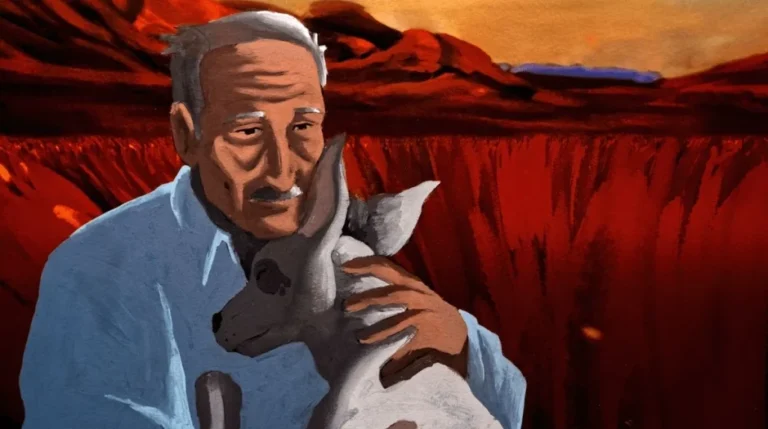

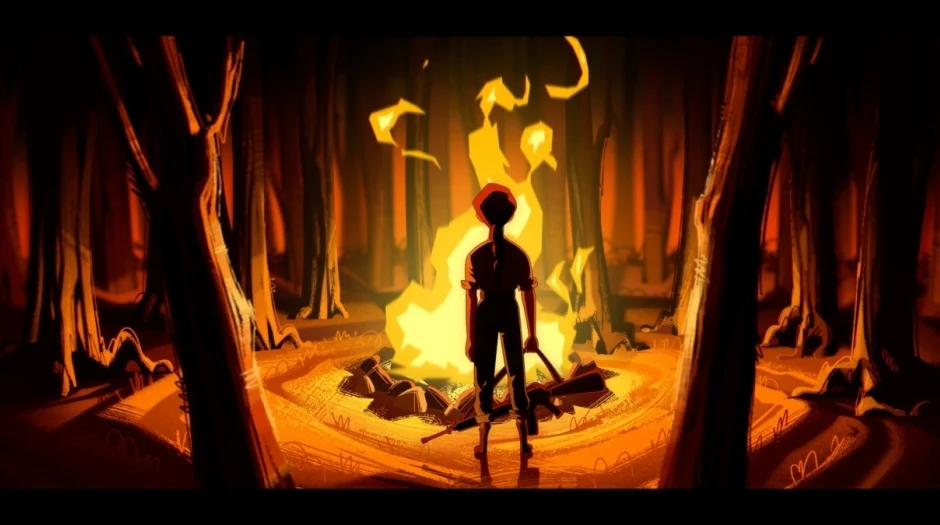
The animated short film Remember Us, a poignant creation by director Pablo Leon and producer Jonathan Coria, has emerged from its Oscar-qualifying festival run to offer a profound cinematic reflection on the enduring impact of the Salvadoran Civil War. This 13-minute hand-drawn 2D film, a collaborative effort involving 100 Volcanoes, Antigravity Academy, Ocelotl Productions, Dinamita Animacion, Kojtanchanej Productions, and Streets Ahead Productions, serves as a powerful testament to the human spirit’s capacity to persevere through unimaginable loss and violence.
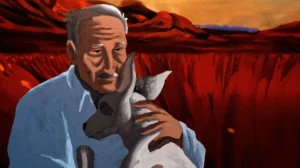
At its core, Remember Us is a narrative journey guided by a journalist who meticulously documents the lived experiences of three individuals whose lives were irrevocably shaped by the brutal 12-year conflict that gripped El Salvador throughout the 1980s. The film masterfully weaves together threads of childhood trauma, the systemic violence inflicted upon women and the indigenous population, and the gradual, often arduous, reclamation of hope across three distinct generations.
A Filmmaker’s Mission: Memory, Testimony, and Dignity
Director Pablo Leon, an acclaimed Guatemalan author, artist, and director based in Los Angeles, views filmmaking as far more than mere entertainment. "Film isn’t just entertainment, it’s memory. It’s testimony. It’s a way to carry stories forward that might otherwise be forgotten," Leon stated in an interview, emphasizing his artistic philosophy. He expressed a desire to move beyond celebratory narratives of Latin American culture to confront the painful realities of historical conflict. "I love when people share about their love of Latin American culture – the food, the art, the volcanoes – but I want to be real about the fact that our countries have seen a lot of conflict that cycles every few decades, and we really should talk about it," he elaborated. Leon firmly believes that acknowledging and discussing the past is crucial for restoring dignity to survivors and honoring the memory of those lost. This conviction fuels his passion for using his preferred medium, animation, to achieve this vital objective.

The Salvadoran Civil War: A Decade of Unspeakable Violence
The Salvadoran Civil War, a protracted and devastating conflict, pitted the government of El Salvador against the Farabundo Martí National Liberation Front (FMLN), a coalition of leftist guerrilla groups. This struggle, which raged for over a decade, was characterized by widespread atrocities, including kidnappings, torture, and systematic murder. According to United Nations data, the conflict resulted in the deaths of over 75,000 people between 1979 and 1992. An additional approximately 8,000 individuals are recorded as having "disappeared" during this tumultuous period. The outbreak of El Salvador’s civil war was not an isolated event; it occurred against a backdrop of regional instability, coinciding with the Sandinista victory in the Nicaraguan revolution in 1979, the ongoing civil war in neighboring Guatemala (1961-1996), and the subsequent Contra War in Nicaragua (1981-1990). This interconnectedness of regional conflicts amplified the suffering and displacement experienced by countless individuals across Central America.
Forging Hope from the Ashes of Conflict
Despite the overwhelming scale of death and loss, Remember Us illuminates the resilience of the human spirit. The film delves into the profound legacy of El Salvador’s civil war, giving voice to survivors who endured the theft of family, language, and identity, yet found the strength to rebuild their lives. The narrative explores how these experiences, though traumatic, have shaped the collective memory and continue to influence present-day realities. The film’s exploration of intergenerational trauma and the persistent search for healing underscores the complex and enduring consequences of armed conflict.
Oscar Recognition and Critical Acclaim
Remember Us has garnered significant recognition, including qualifying for Academy Award consideration by securing the Best Short Film of Spanish-Speaking Nationality – Animation award at the prestigious Animayo International Festival of Animation in 2024. This accolade highlights the film’s artistic merit and its profound thematic resonance, positioning it as a significant contender in the international animation landscape.
A Deep Dive into the Filmmaker’s Background
Pablo Leon’s artistic journey is marked by a consistent engagement with themes of historical memory and cultural identity. As an Eisner Award nominee for his work on "The Journey," he has also illustrated Scholastic’s "Miles Morales" series and collaborated with major entertainment entities such as Disney, Warner Bros., and Nickelodeon. His debut graphic novel, "Silenced Voices," published by HarperCollins, further cemented his commitment to exploring the narratives of marginalized communities and forgotten histories. Remember Us represents a powerful continuation of this artistic mission, translating complex historical events and personal testimonies into a compelling animated format.

The Collaborative Canvas: Bringing Remember Us to Life
The production of Remember Us was a testament to a shared vision among multiple animation studios and production companies. This collaborative spirit was essential in bringing Leon’s nuanced storytelling to the screen. The involvement of Ocelotl Productions, Dinamita Animacion, Kojtanchanej Productions, and Streets Ahead Productions, alongside Antigravity Academy and 100 Volcanoes, speaks to a collective desire to address underrepresented historical narratives within the animation community. Each of these entities likely contributed specialized skills and resources, enabling the film to achieve its artistic and emotional depth.
The Power of Animation as a Medium for Truth
Leon’s choice of animation is particularly significant. Unlike live-action, which can sometimes feel more distant from deeply personal and traumatic events, animation offers a unique ability to translate abstract emotions and complex historical realities into a visually accessible and emotionally resonant form. Hand-drawn 2D animation, as employed in Remember Us, possesses a tactile quality that can evoke a sense of intimacy and authenticity, allowing viewers to connect more deeply with the characters and their struggles. This approach is particularly effective when dealing with sensitive subjects, as it can offer a layer of abstraction that facilitates processing difficult emotions while still conveying raw truth.
Impact and Implications: Preserving History, Fostering Dialogue
The release of Remember Us serves multiple critical functions. Firstly, it acts as a vital historical document, preserving the memories and testimonies of those who lived through the Salvadoran Civil War – a conflict often overshadowed by more widely publicized global events. By bringing these stories to light, the film contributes to a broader understanding of the region’s complex history and the lasting consequences of political instability and violence.
Secondly, the film has the potential to foster crucial dialogue about reconciliation, healing, and the importance of remembering historical injustices. In a world where similar conflicts continue to unfold, the lessons embedded within Remember Us about the human cost of war and the enduring power of hope are universally relevant. The film’s accessibility, particularly through its availability on platforms like YouTube, allows for a wide audience to engage with these important themes, potentially sparking conversations and promoting empathy.

Furthermore, the film’s Oscar qualification signifies a growing recognition of animated shorts as powerful vehicles for social commentary and artistic expression. This recognition can encourage other filmmakers to tackle challenging historical and social issues through animation, further enriching the cinematic landscape and broadening the scope of stories that are told and heard.
The journey of Remember Us from conception to its current international recognition is a powerful example of how art can serve as a bridge between the past and the present, fostering understanding, honoring resilience, and ultimately, reminding us of the shared human capacity for both suffering and hope. As Leon eloquently stated, the film is a testament to the fact that "talking about the past restores people’s dignity." Through its compelling narrative and artistic vision, Remember Us ensures that the voices of those who endured the Salvadoran Civil War will not be forgotten.