

The mystery surrounding the development of Metroid Ravenous, the surprise headliner of the September 9, 2026, Nintendo Direct showcase, has officially concluded. Spanish developer MercurySteam, best known for its critically acclaimed work on Metroid Dread and the Castlevania: Lords of Shadow series, has confirmed its involvement in the project. This confirmation arrives following widespread industry speculation, triggered by the absence of the studio’s branding during the game’s initial reveal. The announcement marks a significant milestone for both the developer and Nintendo as they look toward the launch of the next-generation hardware platform.
A Stealth Confirmation
For several hours following the Nintendo Direct, the gaming industry was left to dissect the brief, high-energy trailer for Metroid Ravenous. Despite the title’s clear visual lineage to 2021’s Metroid Dread, neither Nintendo nor MercurySteam formally acknowledged the studio’s participation in the immediate aftermath of the showcase. Nintendo, maintaining its historically guarded approach to development attribution, remained silent on the matter, a strategy it frequently employs until closer to a product’s commercial release.
MercurySteam ultimately broke the silence on September 10, 2026, by sharing the official trailer across its primary social media channels, including X (formerly Twitter) and LinkedIn. The studio accompanied the posts with minimalist iconography—specifically a ninja and a heart emoji—a clear allusion to the "stealth" nature of the project’s development. This social media activity provided the confirmation that industry analysts and fans had been seeking, effectively linking the Madrid-based studio to the ambitious new entry in the long-running sci-fi franchise.

Contextualizing the Metroid Franchise
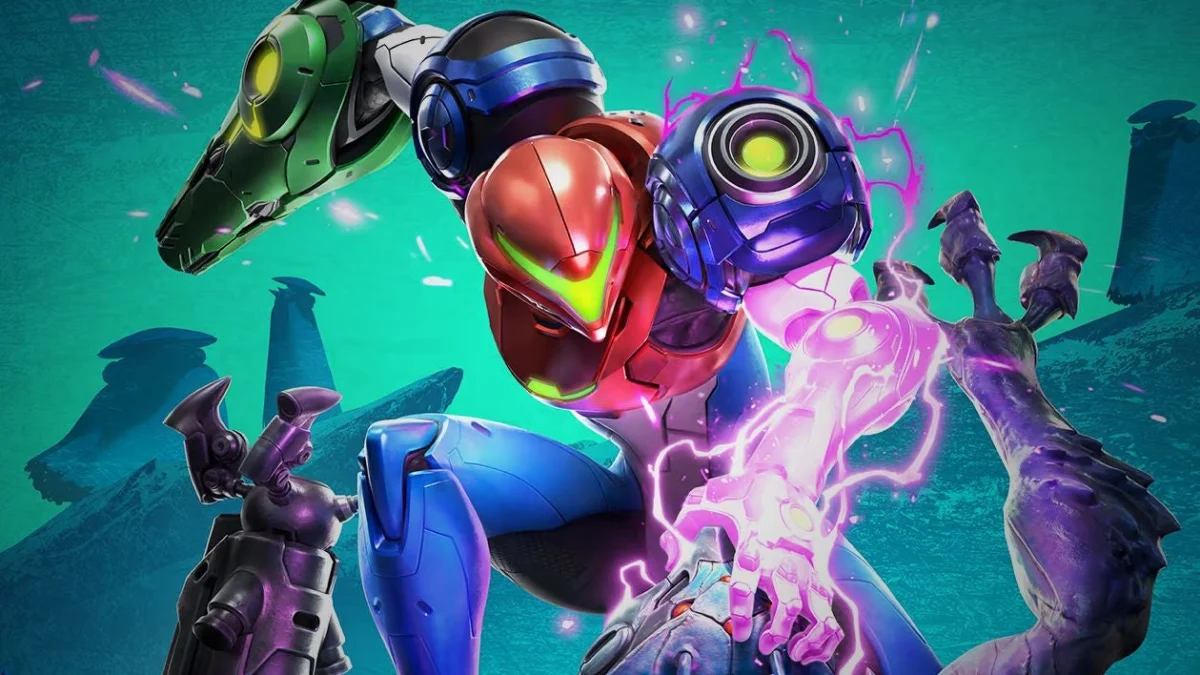
Metroid Ravenous represents the next evolution of the 2D side-scrolling format that defines the series. While Metroid Dread was lauded for its oppressive, claustrophobic atmosphere and challenging "E.M.M.I." stealth sequences, early footage of Ravenous suggests a departure in tone. The new title features a more vibrant, high-saturation color palette and appears to experiment significantly with perspective, potentially incorporating pseudo-3D mechanics that push the capabilities of the upcoming Switch 2 hardware.
The success of Metroid Dread remains a benchmark for the franchise. Upon its 2021 release, the title earned a rare "Essential" designation from critics, praised for its tight controls, fluid traversal, and its ability to modernize the traditional "Metroidvania" design philosophy. With over 3 million units sold globally as of mid-2023, Dread revitalized interest in Samus Aran’s side-scrolling adventures, establishing a high bar for any successor.
Chronology of Recent Events
The road to this announcement has been marked by a blend of creative ambition and corporate volatility for MercurySteam. The following timeline tracks the studio’s recent trajectory:
- October 2021: MercurySteam releases Metroid Dread to universal critical acclaim and strong commercial performance, cementing its partnership with Nintendo.
- 2023–2024: The studio pivots to original intellectual property, including the development of the title Blades of Fire. While the game receives positive critical reception, it fails to achieve the commercial velocity necessary for sustained growth in a highly competitive market.
- July 2026: Following reports of underperformance regarding its recent console and PC titles, MercurySteam announces a series of layoffs and internal restructuring aimed at streamlining operations and focusing on high-priority contracts.
- September 9, 2026: Metroid Ravenous is unveiled as a flagship title for the Nintendo Switch 2 during a global Nintendo Direct, sparking immediate speculation about the development team due to the game’s stylistic similarities to previous MercurySteam projects.
- September 10, 2026: MercurySteam officially confirms its role as the lead developer of Metroid Ravenous.
Operational Challenges and Studio Resilience
The confirmation of MercurySteam’s involvement in Metroid Ravenous serves as a positive development for the company, which has endured a challenging fiscal year. The decision to pursue original intellectual property, such as the aforementioned Blades of Fire, proved to be a double-edged sword. While the project demonstrated the studio’s creative breadth, its failure to capture a broader market share necessitated a strategic pivot back to established, high-performing franchises.

Industry observers suggest that the partnership with Nintendo on a major first-party franchise like Metroid is a vital lifeline for the studio. The restructuring, which occurred only months ago, was largely attributed to the pressures of an increasingly selective consumer base. By securing the development contract for a marquee Switch 2 launch window title, MercurySteam has regained a degree of financial and operational stability. This collaboration underscores Nintendo’s continued confidence in the Spanish studio’s ability to handle its most valuable assets.
Market Implications for the Switch 2
The announcement of Metroid Ravenous as a Switch 2 exclusive is a strategic maneuver for Nintendo. By positioning a high-fidelity 2D action title as a primary selling point for its next-generation console, Nintendo aims to appeal to both long-time fans of the series and new players who may be drawn to the console’s updated technical specifications.
The shift toward a more vibrant, dynamic visual style in Ravenous suggests that Nintendo intends for the Switch 2 to handle more complex lighting and particle effects than the current hardware, which has been in service since 2017. Industry analysts note that Nintendo often relies on high-quality, recognizable franchises to drive hardware adoption during the first six to twelve months of a console’s lifecycle. By pairing the release of the Switch 2 with a known quantity like Metroid, the company is effectively mitigating the risks associated with a hardware transition.
Looking Ahead to 2027
Metroid Ravenous is scheduled for release on January 28, 2027. This date is significant, as it places the title early in the calendar year—a period often used by platform holders to maintain momentum following the high-volume holiday sales season.

The technical implications of the game being developed for the Switch 2 remain a subject of intense focus. The original Metroid Dread was a masterclass in optimization for the aging Switch hardware; seeing what the MercurySteam team can achieve with the additional processing power of the successor is a primary interest for the technical community. If the gameplay footage shown during the Direct is indicative of the final product, players can expect a more expansive world, faster load times, and a higher level of environmental interactivity than was possible in previous iterations.
Conclusion
The formal acknowledgment of MercurySteam as the developer of Metroid Ravenous resolves the lingering ambiguity following the Nintendo Direct. For the studio, this project represents both a return to form and an opportunity to stabilize its future after a period of intense organizational change. For Nintendo, it ensures that the upcoming Switch 2 will have a strong, critically recognized franchise ready at launch. As the January 2027 release date approaches, the focus will shift from the identity of the developer to the gameplay innovations that Metroid Ravenous promises to bring to the iconic franchise. The industry will be watching closely to see if this partnership can replicate or exceed the success of 2021’s Metroid Dread on a new, more powerful stage.