The historical trajectory of the video game industry is often defined by serendipitous encounters and high-stakes executive decisions that, at the time, may seem like routine administrative approvals. Such was the case for one of the most successful cross-media collaborations in entertainment history: the partnership between the Walt Disney Company and Square Enix (then Square Co., Ltd.). Recent comments from former Disney Chairman and CEO Michael Eisner, however, suggest that the monumental decision to greenlight the Kingdom Hearts franchise was not a defining moment in his tenure, despite the series going on to sell tens of millions of copies and becoming a cornerstone of modern gaming culture.
During a recent appearance in New York City to promote Delphi Interactive, a burgeoning video game developer where he serves as a primary investor, Eisner was questioned about his role in the inception of the Kingdom Hearts series. Initially, the former executive—who led Disney through its celebrated "Renaissance" era from 1984 to 2005—admitted he had no immediate recollection of the project’s approval. It was only after being prompted with specific details regarding the "Tokyo pitch" and the unconventional blending of Disney’s animated icons with the aesthetic of the Final Fantasy series that the memories began to resurface.
The Architectural Origins of a Legend
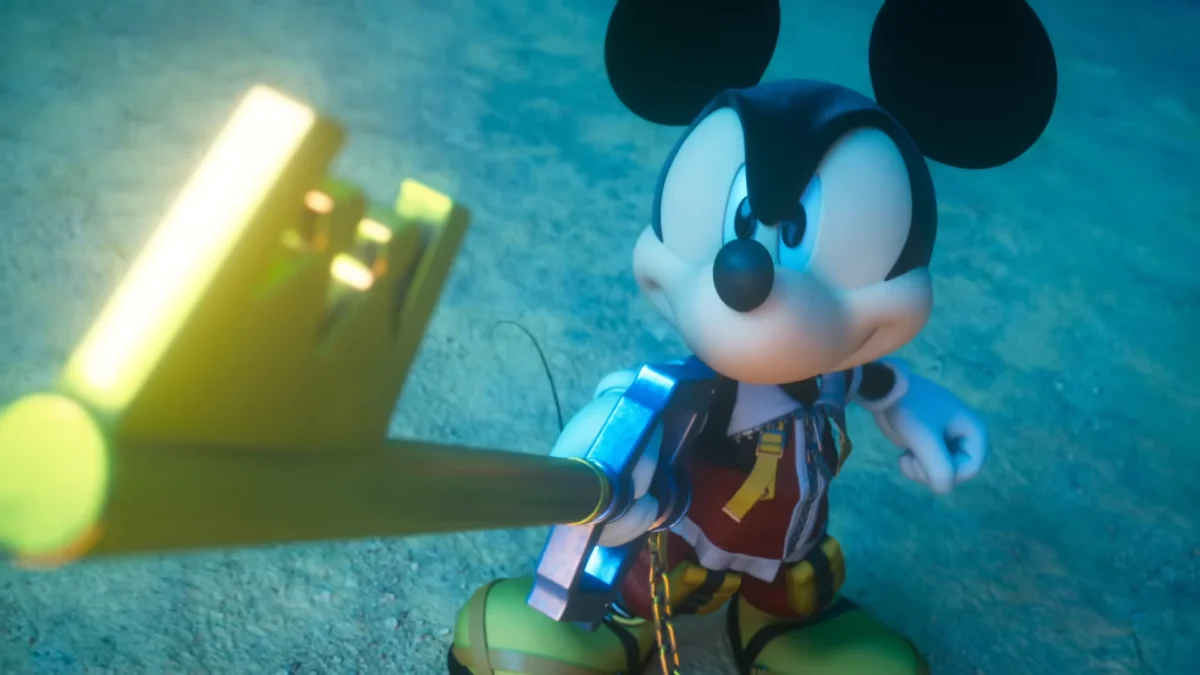
To understand the significance of Eisner’s memory lapse, one must look back at the corporate climate of the early 2000s. At the time, Disney was primarily focused on its film slate and theme park expansions, while its interactive division often functioned through licensing deals rather than deep creative partnerships. The proposal for Kingdom Hearts was inherently radical: it sought to place Mickey Mouse, Donald Duck, and Goofy into a complex, often dark, action-role-playing narrative alongside characters from Square’s Final Fantasy franchise.
The project’s genesis is frequently attributed to a chance meeting in an elevator between a Disney executive and a Square executive in Tokyo, as both companies shared an office building at the time. However, the internal path to formal approval was fraught with administrative hurdles. Shuji Utsumi, the current Chief Operating Officer of Sega who was then serving as a high-level executive at Disney’s Japanese division, recently shed light on the "experimental" and somewhat "unauthorized" nature of the project’s early days.
According to Utsumi, the development team at Square was moving forward with significant energy before the project had received official clearance from Disney’s global headquarters in Burbank, California. Veteran staff within Disney Japan reportedly advised Utsumi to abandon the endeavor, fearing that the central leadership—and Eisner specifically—would never approve such a drastic departure from the traditional use of Disney IP. Despite these warnings, Utsumi and his team engaged in meticulous groundwork, eventually presenting the pitch to Eisner and the U.S.-based leadership.
The Executive Approval and the "Keep Up the Good Work" Mandate
When the pitch finally reached the highest levels of Disney management, the reaction was professional yet reserved. Utsumi recalls that while Eisner did not shower the project with effusive praise, he recognized the potential for a new revenue stream and a unique brand extension. The approval was granted with a simple directive to "keep up the good work."
This pragmatic approach to the greenlighting process explains why the event may have faded from Eisner’s memory. For a CEO overseeing a multi-billion dollar conglomerate involved in cruise lines, television networks, and international theme parks, a single licensing agreement for a "niche" video game might have appeared as a minor line item on a quarterly report. Yet, for the gaming industry, it was a watershed moment that proved Disney’s intellectual property could thrive in complex, long-form interactive narratives.
A Chronology of Success: Kingdom Hearts by the Numbers
Since the release of the original Kingdom Hearts on the PlayStation 2 in 2002, the franchise has evolved into a global phenomenon. The series’ commercial and critical performance provides a stark contrast to its humble, "unauthorized" beginnings:
- 2002: Kingdom Hearts launches on PS2, eventually selling over 6 million units.
- 2005: Kingdom Hearts II is released to critical acclaim, further cementing the series’ legacy just as Eisner prepares to exit Disney.
- 2005–2012: The franchise expands into handheld markets with titles like Birth by Sleep and Dream Drop Distance, broadening the lore and the fan base.
- 2019: After a long development cycle, Kingdom Hearts III is released, shipping over 5 million units in its first week alone and becoming the fastest-selling entry in the series.
- 2022: Square Enix announces that the franchise has surpassed 36 million units shipped worldwide across all platforms.
The financial impact of the series extends beyond software sales. Kingdom Hearts has generated significant revenue through merchandise, soundtracks, and appearances in Disney theme parks, proving that the "experimental project" Utsumi championed was one of the most lucrative decisions of the Eisner era.
Delphi Interactive and Eisner’s Return to the Gaming Sphere
Eisner’s recent comments came during a panel for Delphi Interactive, a studio that positions itself as a major disruptor in the modern gaming landscape. Delphi Interactive has claimed a role as the "architect" of IO Interactive’s upcoming 007: First Light project and has asserted its involvement in the revival of the FIFA video game brand following the high-profile split between Electronic Arts and the international football governing body.
The studio’s recent development of FIFA World Cup: Launch Edition for the Netflix Games platform signals Eisner’s continued interest in the intersection of high-value intellectual property and interactive entertainment. His involvement as a major investor suggests that while he may not recall the granular details of every project he approved two decades ago, he remains attuned to the strategic importance of the gaming sector.

The Future of Kingdom Hearts and Recent Industry Shifts
While Eisner looks toward new ventures, the Kingdom Hearts franchise continues to navigate a changing industry. The series is currently in a state of transition as fans await the release of Kingdom Hearts IV. The upcoming mainline entry is expected to utilize Unreal Engine 5, promising a significant graphical leap and a move toward a more "photorealistic" art style in certain game worlds.
However, the path forward has not been without its setbacks. Recently, the mobile title Kingdom Hearts: Missing-Link was reportedly cancelled after development teams determined it might not meet the high expectations of the core fan base. Despite this, leaked footage of the game appeared online earlier this month, showcasing innovative concepts such as keyblade-wielding astronauts battling Heartless in space-like environments. This leak has reignited discussions about the creative risks the franchise is still willing to take—risks that mirror the "experimental" nature of the 2002 original.
Analysis: The Legacy of Detached Approval
The fact that Michael Eisner forgot the specific circumstances of the Kingdom Hearts pitch serves as a fascinating case study in corporate management versus creative execution. It highlights a common phenomenon in the entertainment industry: a "greenlight" from an executive is often a permission slip for creatives to take risks, rather than a shared vision between the boardroom and the development studio.
For the developers at Square Enix and the team at Disney Japan, Kingdom Hearts was a career-defining labor of love. For Eisner, it was a successful business transaction in a career defined by thousands of such transactions. This detachment, however, may have been the project’s greatest asset. By granting approval and then stepping back, Eisner allowed the creative leads—most notably director Tetsuya Nomura—the autonomy to build a complex, idiosyncratic world that did not strictly adhere to the "safe" corporate guidelines usually associated with Disney characters.
Conclusion: The Enduring Impact of a Forgotten Pitch
As the Kingdom Hearts series approaches its 25th anniversary in the coming years, its influence on the RPG genre and its role in the "Disneyfication" of gaming remain undisputed. The franchise proved that Western and Eastern storytelling sensibilities could merge into a cohesive, albeit complex, narrative that resonates across generations.
Michael Eisner’s memory lapse does not diminish the importance of the Kingdom Hearts approval; rather, it underscores the unpredictable nature of the creative industries. A project that was once considered too risky for headquarters to even know about eventually became one of Disney’s most enduring digital legacies. As Eisner pivots his focus to Delphi Interactive and the future of the FIFA and James Bond franchises, the story of Kingdom Hearts stands as a reminder that the most "experimental" pitches often yield the most legendary results—even if the person who signed the papers doesn’t immediately remember doing so.