

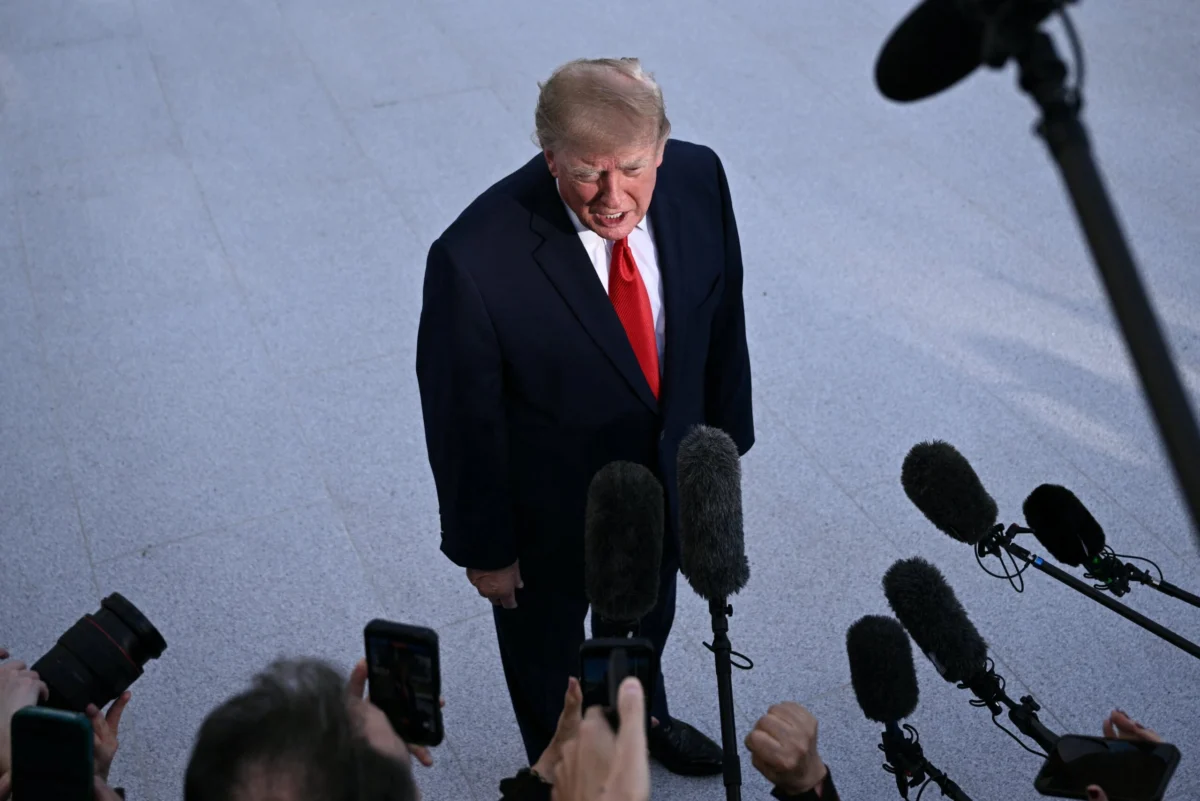
In a significant legal development for press freedom, U.S. District Court Judge Timothy Kelly issued a preliminary injunction late Tuesday night, indefinitely blocking the Trump administration from enforcing a ban on three prominent media organizations—CNN, MS NOW, and Politico—from accessing the White House complex. This ruling serves as a major setback for the White House, which had sought to revoke the "hard passes" of journalists from these outlets, citing concerns regarding reporting accuracy and national security.
The preliminary injunction replaces a temporary restraining order (TRO) previously issued by Judge Kelly. While the ruling does not constitute a final judgment on the merits of the ongoing lawsuit, it ensures that the status quo remains intact, allowing reporters from the affected organizations to continue their coverage of the White House while the litigation moves through the federal court system.
A Chronology of the Conflict
The friction between the Trump administration and these media outlets reached a boiling point in mid-September 2026. On September 18, President Donald Trump publicly declared that the three organizations would no longer be permitted on White House grounds. In a post on his Truth Social platform, the President justified the move by claiming the outlets were reporting "fiction and lies" regarding his administration.
The following day, September 19, Secret Service agents began confiscating permanent hard passes from journalists representing the three outlets. The ban was immediate, effectively barring dozens of credentialed reporters from the West Wing, the press briefing room, and other areas of the White House complex.
By September 21, the affected media organizations filed a civil lawsuit in the U.S. District Court for the District of Columbia. The complaint argued that the summary revocation of their credentials constituted a violation of both the First Amendment and the Fifth Amendment’s due process requirements. On September 23, Judge Kelly granted a temporary restraining order, which required the White House to restore access for at least 14 days. That order was subsequently extended while the court weighed the arguments for a more permanent preliminary injunction.
Judicial Rationale and Legal Standing
In his written opinion, Judge Kelly, a jurist appointed by President Trump, provided a detailed analysis of the legal landscape governing press access. He underscored that the plaintiffs were likely to succeed on their due process claims. Citing established precedents from the U.S. Court of Appeals for the District of Columbia Circuit, the judge noted that journalists possess a clear, constitutionally protected interest in maintaining their hard passes, which cannot be revoked without adequate notice and an opportunity to be heard.
Perhaps most notably, Judge Kelly addressed the First Amendment claims regarding retaliation and viewpoint discrimination. He stated that the evidence suggested the President’s decision was motivated by a desire to alter the nature of the reporting he received. "President Trump’s own comments suggest that he intended the revocation of Plaintiffs’ hard passes to alter their reporting on him," Kelly wrote, noting that the administration failed to provide evidence that the ban was based on legitimate, non-discriminatory grounds.
The court also scrutinized the Department of Justice’s sudden pivot to a "national security" defense. Government attorneys had argued that the revocation was a precautionary measure against the mishandling of classified information. However, Judge Kelly rejected this justification, labeling it a "post-hoc" rationalization. "There is no evidence in the record that President Trump made the decision to revoke Plaintiffs’ hard passes on national security grounds from the get-go," the judge observed, highlighting the lack of contemporaneous documentation to support the government’s belated claim.
Data and Scope of the Revocation
The impact of the White House ban extended far beyond a few high-profile correspondents. Reports indicate that prior to the initial restraining order, approximately 78 journalists—including those associated with the three named outlets as well as other supporting staff—had their credentials flagged or revoked by the Secret Service under the administration’s new directive.
The "hard pass" system is a critical component of the American press infrastructure. It allows journalists to move freely within the White House complex, facilitating daily interaction with press secretaries, senior staff, and occasionally the President himself. Without these credentials, journalists are relegated to the public pool or must rely on temporary visitor passes, which are subject to rigorous security screening and lack the consistent access required for long-term investigative reporting.
Reactions from Legal and Media Stakeholders
Theodore Boutrous Jr., the lead attorney representing the media organizations, praised the court’s decision as a victory for the rule of law. In a statement released shortly after the ruling, Boutrous emphasized that the administration’s actions were an "unconstitutional ban on the free press." He noted that the President’s own public admissions—where he frequently cited his distaste for the outlets’ coverage—undermined any argument that the decision was based on neutral administrative policy.
Conversely, the administration has remained steadfast in its stance that the President maintains the authority to regulate the press environment within the White House. While the White House has not yet released a detailed response to the latest injunction, President Trump has previously indicated his intention to appeal any adverse rulings. The Department of Justice is expected to evaluate its options for further litigation, though the high bar for overturning a preliminary injunction may complicate their efforts.
Broader Implications for the Press and Executive Power
This case raises fundamental questions regarding the extent of executive power in managing the "Fourth Estate." While the judiciary has historically deferred to the executive branch on matters of national security and logistics, the courts have been equally consistent in holding that the government cannot use access as a tool for punishment or ideological filtering.
The ruling serves as a warning against the politicization of press credentials. By asserting that due process must be observed, Judge Kelly has reaffirmed that the White House press corps is not merely an extension of the administration’s public relations apparatus, but an independent entity protected by the Constitution.
However, the judge was careful to maintain a nuanced stance. He explicitly noted that his ruling should not be interpreted as an endorsement of the media’s accuracy or a statement that the government is powerless to act when genuine national security breaches occur. He emphasized that the government maintains its right to protect classified information, provided that its actions are not predicated on discriminatory intent or a desire to suppress unfavorable coverage.
Looking Ahead
The litigation is far from over. With the preliminary injunction now in place, the case will move toward the discovery phase, where the plaintiffs will likely seek internal communications regarding the decision-making process behind the ban. This phase could reveal significant insights into the administration’s internal deliberations and the extent to which the President’s public comments reflect the official rationale provided by the executive branch.
As the legal battle continues, the White House finds itself in a delicate position. Any further attempts to restrict these outlets will now be subject to immediate judicial scrutiny under the framework established by Judge Kelly. For now, the reporters from CNN, MS NOW, and Politico remain on the grounds, continuing their work under the protection of the federal court. The case stands as a landmark test of the balance between executive authority and the constitutional right to a free and unfettered press in the nation’s capital.
The ultimate resolution of this case will likely set a lasting precedent for how future administrations manage the press, ensuring that the mechanisms of access are shielded from the political volatility that characterized this autumn of intense conflict between the Oval Office and the news media.