

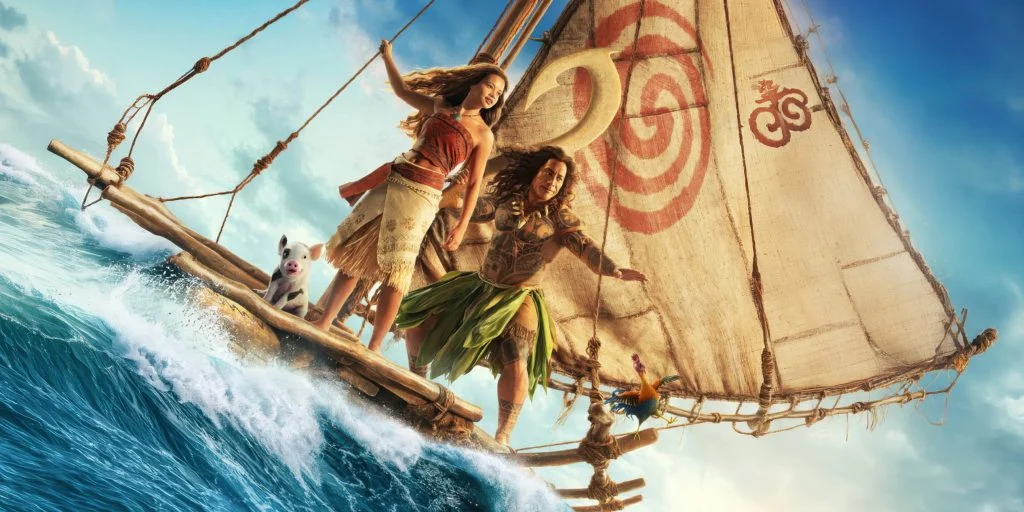
The highly anticipated live-action adaptation of Disney’s beloved animated film "Moana" has officially arrived, sparking considerable discussion among audiences and critics alike. This new iteration, which hit theaters remarkably soon after the animated sequel "Moana 2," represents a significant strategic move by The Walt Disney Company to leverage the enduring popularity of one of its more recent animated successes. The project, helmed by "Hamilton" director Thomas Kail and featuring original song contributor Lin-Manuel Miranda as a producer, sees Dwayne Johnson reprising his role as the demigod Maui. The ensemble cast also includes Rena Owen as Gramma Tala, John Tui as Chief Tui, Frankie Adams as Sina, and Catherine Laga’aia as Moana. The film’s release, occurring just two years after the animated "Moana 2," has led to widespread speculation about Disney’s intent to capitalize on established intellectual property, a strategy that has become increasingly prevalent in the contemporary film landscape.
Strategic Repetition: Disney’s Live-Action Remake Strategy
Disney’s decision to produce a live-action "Moana" is not an isolated incident but rather a continuation of a well-established and often lucrative strategy. Since the critical and commercial success of "Alice in Wonderland" in 2010, the studio has embarked on a systematic reimagining of its animated classics into live-action features. Films like "Maleficent" (2014), "Cinderella" (2015), "The Jungle Book" (2016), "Beauty and the Beast" (2017), "Aladdin" (2019), and "The Lion King" (2019) have collectively grossed billions of dollars worldwide. This approach allows Disney to tap into existing brand recognition and nostalgia while potentially attracting new audiences with updated visual effects and contemporary storytelling sensibilities.
The timing of the "Moana" live-action release, so close to the animated "Moana 2," suggests a deliberate effort to maintain momentum and brand visibility for the franchise. "Moana 2" itself was initially conceived as a Disney+ series before being elevated to a theatrical feature, indicating a strategic shift within the company to maximize the appeal of its popular properties across different platforms and formats. This dual approach—revisiting beloved animated stories through live-action and expanding existing animated universes—underscores Disney’s commitment to its extensive library of characters and narratives.
A Familiar Journey, Reimagined: The Narrative and Production
The live-action "Moana" largely follows the narrative arc of its 2016 animated predecessor. The story centers on Moana, the spirited daughter of a Polynesian chief, who is chosen by the ocean to reunite a mystical relic with the goddess Te Fiti, thereby saving her island from a creeping blight. Her quest leads her to Maui, a once-great demigod who now embarks on a journey of redemption alongside Moana. The film’s exploration of Polynesian culture, mythology, and seafaring traditions remains a central theme.
The production team behind the live-action "Moana" boasts considerable talent. Thomas Kail, whose directorial work on the Broadway phenomenon "Hamilton" earned him critical acclaim and a Tony Award, brings his experience in staging ambitious musical narratives to the project. Lin-Manuel Miranda, the creative force behind "Hamilton" and the composer of the original "Moana" songs, returns as a producer, ensuring the musical integrity of the film. Dwayne Johnson, who voiced Maui in the animated film, reprises his role, bringing his considerable star power and charisma to the character. His involvement is a key factor in the film’s marketing and potential box office performance, as his global appeal is undeniable.
Casting Choices and Cultural Representation
The casting of Catherine Laga’aia as Moana is a significant element of the live-action adaptation. The original animated film was praised for its authentic portrayal of Polynesian culture and its inclusive casting. The live-action version continues this commitment, with a cast largely comprised of actors of Polynesian descent. Rena Owen, a respected Māori actress, takes on the role of Gramma Tala, a character central to Moana’s spiritual journey. John Tui, known for his roles in "Fast & Furious" and "The Suicide Squad," portrays Chief Tui, Moana’s father, while Frankie Adams, a New Zealand actress, plays Sina, Moana’s mother.
The presence of Jemaine Clement, who voiced Tamatoa in the animated film, returning in some capacity for the live-action version, is also a point of interest, though his specific role has not been widely detailed in initial promotional materials. The casting choices aim to bring a sense of authenticity and respect to the cultural elements of the story, a crucial aspect for a film that draws so heavily from Pacific Islander heritage.
Performance Analysis: Voice to Live-Action
The transition from animated voice performance to live-action acting presents unique challenges and opportunities. Dwayne Johnson’s return as Maui is particularly noteworthy. His animated performance was characterized by vocal energy and comedic timing. In the live-action setting, his physical presence and established acting chops are expected to imbue the demigod with a different dimension. The physicality of the role, coupled with Johnson’s inherent charisma, is likely to be a significant draw for audiences.
For newcomers like Catherine Laga’aia, stepping into the shoes of a character as beloved as Moana is a considerable undertaking. The animated Moana was celebrated for her bravery, determination, and vocal talent. Laga’aia’s performance will be scrutinized for its ability to capture the essence of the character while bringing her own interpretation to the role. The supporting cast, including veteran actors like Rena Owen, is expected to provide a strong foundation for the film, grounding the fantastical elements with nuanced performances.
Musical Legacy and Adaptation
The original "Moana" soundtrack, with music and lyrics by Lin-Manuel Miranda, Opetaia Foa’i, and Mark Mancina, was a critical and commercial triumph. Songs like "How Far I’ll Go" and "You’re Welcome" became instant hits, earning Academy Award nominations and significant chart success. The live-action adaptation faces the challenge of translating these beloved musical numbers into a new format. Thomas Kail’s experience with large-scale musical productions, particularly "Hamilton," suggests a strong understanding of how to stage and film musical sequences effectively.

The inclusion of Lin-Manuel Miranda as a producer signals a commitment to maintaining the quality and impact of the musical score. Audiences will be keen to see how the new arrangements and performances of existing songs are received, and whether any new musical numbers are introduced to enhance the live-action experience. The visual spectacle of the animated musical numbers, often incorporating vibrant animation and dynamic choreography, will need to be effectively replicated or reimagined through live-action cinematography and visual effects.
Visuals and Production Design: Bridging Animation and Reality
The visual landscape of "Moana" is as crucial to its identity as its characters and music. The animated film was lauded for its stunning depiction of the Pacific Ocean, its vibrant coral reefs, and its lush island environments. The live-action remake must translate this visual splendor into a tangible, real-world aesthetic. Advances in CGI and practical effects technology allow for increasingly realistic and immersive visual experiences. The production design team faces the task of creating believable island settings, ocean environments, and fantastical creatures that resonate with audiences accustomed to the stylized beauty of the animated original.
The attention to detail in costumes, set design, and overall visual atmosphere will be critical in recreating the immersive world of "Moana." The film’s success in this regard will depend on its ability to blend practical effects and location shooting with sophisticated digital enhancements to create a world that feels both familiar and breathtakingly new. The use of real-world locations, if any, could lend an added layer of authenticity to the visual presentation.
The "Cash Grab" Debate: Economic Realities of Hollywood
The notion of the live-action "Moana" being a "cash grab" is a common critique leveled against Disney’s remake strategy. While the financial motivations are undeniable, it is also important to consider the broader economic context of the modern film industry. Major studios often rely on established intellectual property to mitigate the significant financial risks associated with producing large-scale films. Reboots, sequels, and remakes of popular franchises offer a built-in audience and a higher degree of predictability in terms of box office performance.
Disney, as a global entertainment conglomerate, operates within this economic reality. The success of previous live-action remakes has demonstrated the financial viability of this approach. For Disney, "Moana" represents a valuable franchise with a global appeal, and its expansion into live-action is a strategic investment aimed at maximizing its commercial potential. The question for audiences and critics is whether these remakes offer sufficient artistic merit and creative innovation to justify their existence beyond purely financial considerations.
Critical Reception and Audience Response
As the live-action "Moana" begins its theatrical run, critical reviews and audience reactions will provide insight into its success. Early indicators suggest a mixed reception, with some praising the visual spectacle and performances, while others question the necessity of remaking a relatively recent animated film. The film’s ability to capture the magic of the original, while offering something new and compelling, will be key to its long-term reception.
The comparison to the original animated film will be inevitable. Audiences who hold the animated "Moana" in high regard will be looking for a faithful yet engaging adaptation. The performances of the new cast, the reinterpretation of the musical numbers, and the visual fidelity to the source material will all be subject to intense scrutiny. The film’s ultimate success will be measured not only by its box office returns but also by its ability to resonate with audiences on an emotional and artistic level, transcending its perceived commercial origins.
Broader Implications for Franchise Development
The release of the live-action "Moana" has wider implications for how studios approach franchise development. It highlights a trend towards revisiting and reinterpreting existing intellectual property, often through multiple mediums and formats. This strategy can be a double-edged sword: while it can ensure continued relevance and financial success for beloved characters and stories, it also risks oversaturation and a dilution of creative originality.
Disney’s continued investment in its animated classics through live-action remakes, coupled with the expansion of animated universes like "Moana," suggests a long-term strategy focused on leveraging its extensive IP library. The success or failure of this "Moana" adaptation will undoubtedly influence future decisions regarding similar projects within the Disney portfolio and across the wider film industry. The challenge for studios will be to strike a balance between commercial viability and artistic integrity, ensuring that these remakes offer genuine value to audiences beyond mere nostalgia.
Conclusion
The live-action "Moana" is more than just a film; it is a strategic maneuver within the contemporary Hollywood landscape. It represents Disney’s calculated effort to capitalize on the enduring appeal of its animated properties while navigating the economic realities of the global film market. With a talented cast and crew, a beloved story, and the promise of stunning visuals, the film aims to recapture the magic of its predecessor for a new generation of viewers, and perhaps, to reaffirm the commercial power of its iconic characters. The ongoing discussion surrounding its creation and reception underscores the evolving relationship between artistic ambition and commercial imperatives in the blockbuster era.