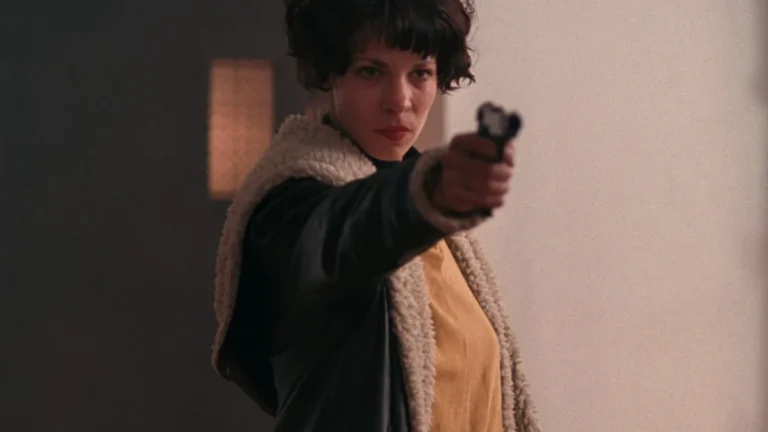
The debut feature film by Beirut-based multidisciplinary artist Lana Daher, titled Do You Love Me, has emerged as a significant cinematic contribution to the preservation of Lebanon’s fragmented history. Premiering at Venice Days before moving to its recent engagement at the Metrograph in New York, the 76-minute documentary functions as a visceral, archival portrait of a nation defined by its contradictions. Constructed from over 70 years of found footage, the film avoids the conventions of traditional historical narration, opting instead for a non-linear, sensory experience that mirrors the disorientation inherent in the Lebanese experience. By stitching together clips from independent cinema, newsreels, home movies, and musical performances, Daher recontextualizes the past to confront the complexities of the present, challenging the erasure of collective memory in a country that lacks a centralized national archive.
The Archival Hunt: Methodology and Data
The production of Do You Love Me was a monumental undertaking in archival research, described by Daher as a "hunt" rather than a standard search. Because Lebanon possesses no formal national archive or unified historical curriculum, the filmmaker was forced to source material from disparate and often neglected collections. The film utilizes fragments from approximately 106 fiction and documentary features produced between 1958 and the present day. This extensive survey resulted in a library of more than 20,000 audiovisual fragments spread across multiple hard drives.

The statistical scale of the project underscores the rigor of its curation. Only roughly seven percent of the researched material made it into the final 76-minute cut. Furthermore, the production team navigated a complex legal landscape, successfully clearing nearly 400 individual rights contracts to secure the footage. This process was not merely an administrative hurdle but a restorative act; many Lebanese families, including Daher’s own, lost their personal archives during decades of war and migration. By incorporating home videos—the oldest of which dates back to 1928—the film attempts to fill the void left by the absence of an institutionalized history, centering the voices and perspectives of the Lebanese people.
Collaborative Vision and Editorial Philosophy
A critical component of the film’s impact lies in its editing, a process that took nearly five years to complete. To refine the four-hour rough cut into a cohesive feature, Daher collaborated with Paris-based Syrian editor Qutaiba Barhamji. Barhamji, known for his work on high-profile documentaries such as Kaouther Ben Hania’s Four Daughters and the Oscar-nominated The Voice of Hind Rajab, brought an external perspective to the project. This choice was intentional; Daher sought an editor who did not carry the same personal and cultural baggage associated with the images, ensuring that the final film would resonate on a universal level rather than becoming mired in hyper-local sentimentality.
The editorial strategy was governed by strict creative parameters. The team decided against using voiceovers, central protagonists, or footage of Lebanese politicians. They also avoided lifting full scenes from existing films, preferring to fragment and recombine isolated shots to create a new "emotional logic." This approach reflects the film’s core thesis: that memory and trauma are rarely linear. By toggling between scenes of staged action movies and raw newsreel footage of street violence in Beirut, the film blurs the distinction between the real and the performed, forcing the viewer to engage with the psychological reality of living in a state of permanent crisis.

A Timeline of Conflict and Resilience
To understand the weight of the footage presented in Do You Love Me, it is necessary to contextualize the historical cycles it depicts. The film covers a broad chronological span that includes several pivotal eras in Lebanese history:
- 1958 Lebanon Crisis: Early footage captures the political and religious tensions that led to a brief civil war and U.S. military intervention.
- The Golden Age (Pre-1975): Clips of newlyweds, vibrant nightlife, and the Bendaly Family’s music illustrate the cultural prosperity of Beirut before the outbreak of major hostilities.
- The Lebanese Civil War (1975–1990): The core of the film’s archival material deals with this 15-year conflict, characterized by political confessionalism and shifting alliances.
- Israeli Invasions (1978, 1982, 2006): The film references the long history of external military intervention, specifically the 1978 invasion (Operation Litani) and the 1982 Siege of Beirut, which Daher notes occurred before the founding of Hezbollah.
- Post-War Reconstruction and Contemporary Crises: Footage from the 2000s and 2010s reflects the lingering trauma of the war and the socio-economic instability that continues to define the region.
By presenting these events through the lens of everyday civilians and intellectuals—speaking in a mix of Arabic and French—the film highlights the enduring humanity of a population caught in the crossfire of geopolitical interests.
Centering the Female Perspective and Artistic Influences
Do You Love Me pays significant homage to the women who have documented and preserved Lebanese history. A primary influence on the film is the late Jocelyne Saab, a pioneering journalist and filmmaker whose work, such as Lebanon in Turmoil (1975), captured the horrors of the civil war as they unfolded. Daher includes excerpts of Saab laments the loss of 150 years of family history amid the wreckage of her demolished home, a scene that serves as a microcosm for the film’s broader themes of erasure and loss.
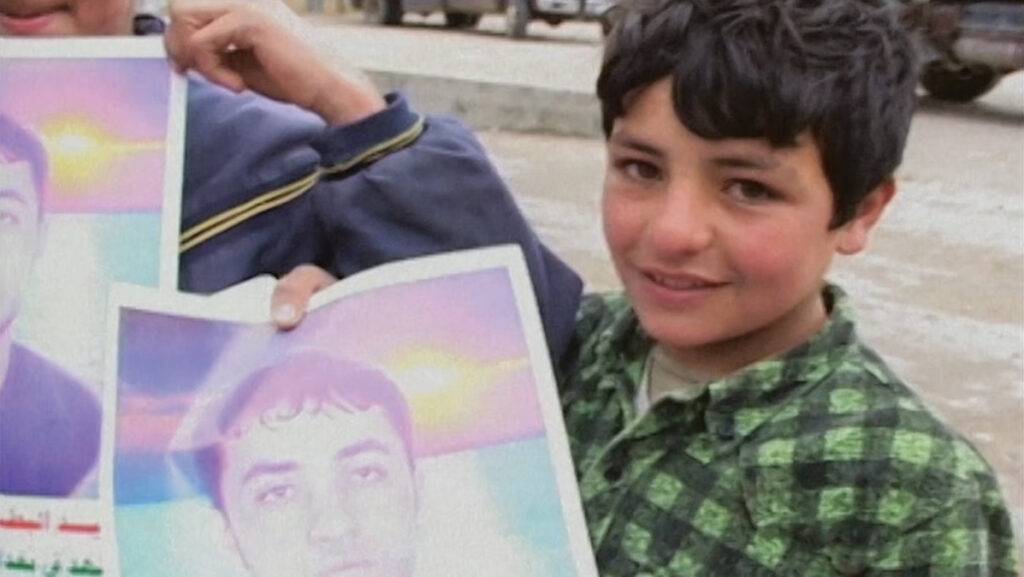
Daher emphasizes that women have historically been the "witnesses to time" in Lebanon. Even when they were not behind the camera, women were often the ones who preserved family photographs, home videos, and oral traditions—the very materials that form the backbone of this film. By centering the female gaze, Do You Love Me offers a counter-narrative to the male-dominated, militaristic accounts of Lebanese history that typically dominate the global media. This focus extends to the soundtrack, where the music of the Bendaly Family—a popular Lebanese band—serves as the titular inspiration and a reminder of the cultural vitality that persists despite conflict.
Contemporary Implications and Global Reception
The release and screening of Do You Love Me have coincided with a period of renewed violence in Lebanon, lending the film an unintended but profound relevance. During screenings in Beirut, the sound of real-time Israeli drones reportedly blended with the film’s audio, creating a surreal collapse of the archive into current reality. Daher has used the film’s platform to push back against simplified media narratives that reduce Lebanon to a battleground between specific political or militant factions. She argues that such framing overlooks the long-standing history of external aggression and internal fragmentation that has shaped the nation for over five decades.
For international audiences, the film serves as an educational tool and an emotional bridge. It challenges the "statistic-driven" reporting of war by presenting the Lebanese people as individuals with stories, humor, and tenderness. The film’s inclusion in the "Jocelyne Saab: Letters from Lebanon" series at the Metrograph further solidifies its place within a lineage of Lebanese resistance art.
Analysis: The Film as a Living Archive
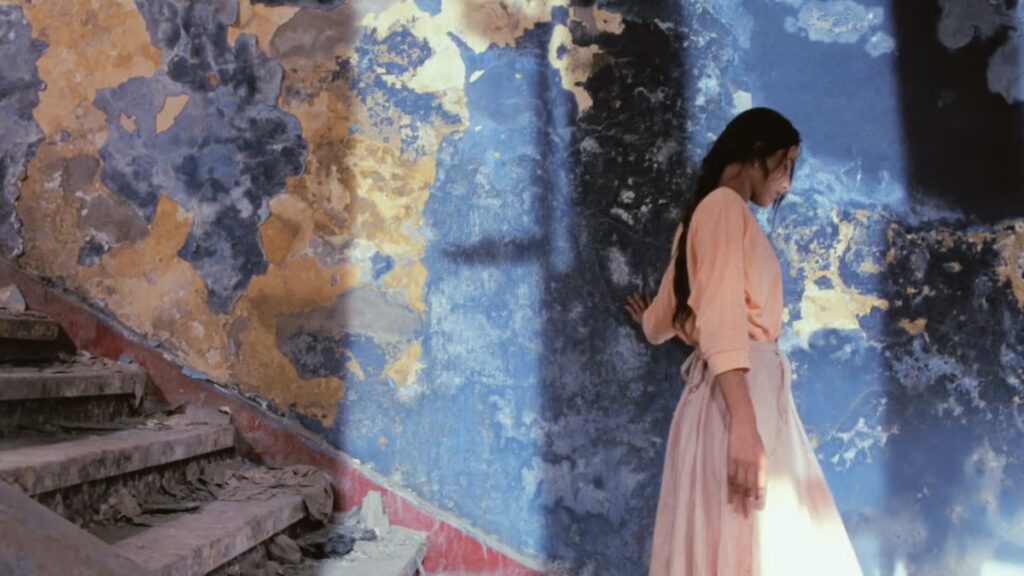
From a journalistic and cinematic perspective, Do You Love Me represents a shift in how documentary film approaches history. Rather than attempting to provide a definitive or objective record, Daher embraces the "unresolved complexity" of her homeland. The film functions as a "felt" archive—one that prioritizes emotional truth over factual chronology. This method is particularly effective for a society dealing with inherited trauma, where silence is often as communicative as speech.
The broader implication of Daher’s work is the suggestion that in the absence of state-led historical preservation, art must step in to perform the duties of the archive. By clearing 400 contracts and salvaging 20,000 fragments, Daher has created a repository of Lebanese identity that is accessible to the public. As Lebanon continues to navigate its current crisis, Do You Love Me stands as a testament to the power of cultural memory to resist erasure. It is not merely a film about war; it is a film about the persistent desire to live, love, and remember in spite of it.