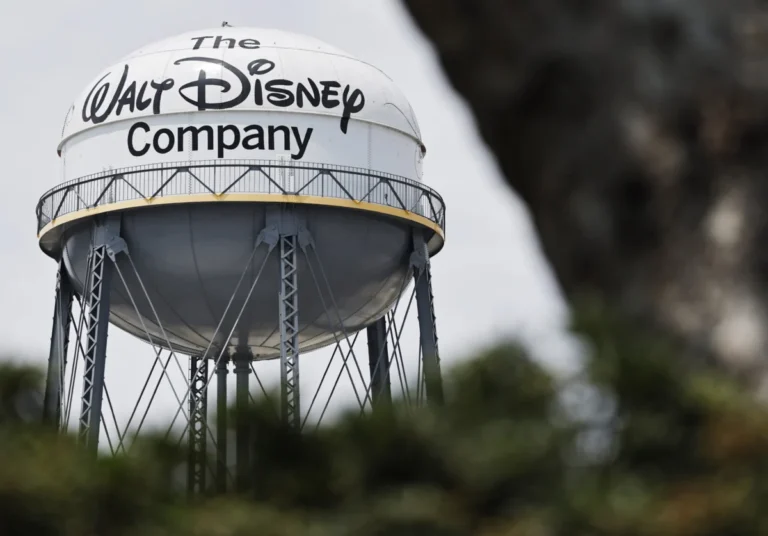



The Walt Disney Company is preparing to implement a significant new phase of its broader cost-reduction strategy, a move that is expected to result in the elimination of approximately 1,000 positions across various divisions. This latest round of layoffs represents one of the first major structural adjustments under the leadership of Josh D’Amaro, who officially assumed the role of Chief Executive Officer in mid-March. According to sources familiar with the matter, the reductions are primarily focused on the company’s marketing operations, following a period of intensive internal reorganization aimed at streamlining the media giant’s global brand presence.
The decision to trim the workforce comes at a pivotal moment for Disney, as it transitions from a period of emergency turnaround—initiated by the return of Bob Iger in late 2022—to a phase of long-term operational optimization. While the company has made significant strides in narrowing its streaming losses and revitalizing its theatrical slate, the pressure to maintain margin expansion in an increasingly competitive entertainment landscape has necessitated further scrutiny of internal overhead.
The Consolidation of Disney’s Marketing Apparatus
The anticipated layoffs are expected to fall most heavily on the company’s marketing department, a segment of the business that recently underwent a foundational transformation. In January, while Bob Iger was still at the helm, Disney announced the creation of a centralized "Enterprise Marketing Organization." This new structure brought together the disparate marketing arms of Disney’s three primary business segments: Disney Entertainment, Disney Experiences (formerly Parks, Experiences, and Products), and Disney Sports (ESPN).
Asad Ayaz, a long-time Disney veteran known for his work in the film studio’s blockbuster campaigns, was appointed as the company’s first-ever Chief Marketing and Brand Officer to lead this consolidated unit. Reporting directly to CEO Josh D’Amaro and Dana Walden, Disney’s President and Chief Creative Officer, Ayaz was tasked with creating a unified brand strategy across the entire Disney portfolio.
Industry analysts suggest that the consolidation of these departments naturally leads to redundancies. Previously, each division maintained its own independent marketing staff, creative teams, and media buying units. By centralizing these functions, the company aims to eliminate overlapping roles and create a more agile response to market trends. The shift reflects a broader trend in the media industry where legacy companies are moving away from siloed operations toward a "platform-first" approach to brand management.
Chronology of Disney’s Corporate Restructuring (2022–2024)
To understand the context of the current layoffs, it is essential to review the turbulent period of succession and reorganization that preceded D’Amaro’s appointment.
- November 2022: Bob Iger returns as CEO, replacing Bob Chapek. The board tasks Iger with a two-year mandate to restore profitability and find a permanent successor.
- February 2023: Disney announces a massive restructuring plan. The goal is to achieve $5.5 billion in annualized cost savings. This plan included the elimination of 7,000 jobs, representing roughly 3% of the company’s global workforce.
- May–July 2023: Multiple waves of layoffs occur across Disney Entertainment, ESPN, and the Parks division as part of the initial 7,000-job reduction target.
- January 2024: Disney announces the consolidation of its marketing efforts under Asad Ayaz, signaling a shift toward centralized corporate branding.
- February 2024: Disney names Josh D’Amaro as the successor to Bob Iger, ending months of speculation regarding the company’s next leader.
- March 2024: Josh D’Amaro officially takes the helm as CEO. During an investor day presentation, he declares that the company is "operating from a place of strength."
- April 2024: Reports emerge of a new round of 1,000 layoffs, specifically targeting the marketing and corporate divisions to further the $5.5 billion savings goal.
Financial Performance and Investor Expectations
The move to further reduce headcount is closely tied to Disney’s financial performance and the expectations of Wall Street. In the fiscal year 2023, Disney faced several headwinds, including a softening linear television market and the significant costs associated with the growth of Disney+. However, the company’s recent earnings reports have shown signs of a successful pivot.
By the end of the first quarter of 2024, Disney reported that it was on track to meet or exceed its $7.5 billion savings target—an upgrade from the original $5.5 billion goal announced a year prior. This aggressive cost management has been a key driver in the recovery of Disney’s stock price, which had hit multi-year lows during the 2022-2023 transition.
Despite these improvements, the media segment remains under pressure. The "Experiences" segment, which includes theme parks and cruise lines, continues to be the company’s primary profit engine. In the most recent fiscal quarter, the Parks division saw record revenues, driven by high per-capita spending at domestic resorts and the continued post-pandemic recovery of international sites like Hong Kong Disneyland and Disneyland Paris. By contrast, the Entertainment segment, which encompasses streaming and linear TV, is still working toward consistent profitability.
The 1,000 layoffs are viewed by many as a "fine-tuning" of the organization to ensure that the Entertainment and Sports divisions can mirror the high-margin efficiency of the Experiences segment.
The D’Amaro Strategy: Efficiency Meets Creativity
Josh D’Amaro’s transition from Chairman of Disney Experiences to CEO of the entire corporation was seen as a signal that the company would prioritize operational excellence and "guest-centric" business models. D’Amaro, who is widely regarded for his charismatic leadership and deep understanding of the Disney brand, has inherited a leaner organization than the one Bob Iger led during his first tenure.
On his first official day as CEO, D’Amaro addressed investors, acknowledging the groundwork laid by Iger. He emphasized four key pillars for the company’s future:
- Reigniting Creativity: Focusing on high-quality theatrical releases and franchise management.
- Streaming Profitability: Transitioning Disney+ and Hulu into a combined, sustainable business model.
- Digital Evolution of ESPN: Preparing the sports network for a direct-to-consumer future.
- Turbocharging Parks: Committing $60 billion in capital expenditures over the next decade to expand theme park capacity and technology.
The current layoffs in the marketing department are consistent with D’Amaro’s focus on these pillars. By reducing the headcount in administrative and marketing support roles, the company can redirect capital toward "content engines"—the creative projects and park attractions that drive long-term revenue.
Implications for the Media and Entertainment Industry
Disney’s decision to continue cutting costs even after a successful turnaround phase reflects a broader shift in the "streaming wars." For years, media companies prioritized subscriber growth at any cost, leading to bloated marketing budgets and excessive content spending. The current era is defined by "capital discipline."
Competitors such as Warner Bros. Discovery, Paramount Global, and Netflix have all undergone similar rounds of layoffs and restructuring over the last 18 months. Disney’s move suggests that the industry has not yet reached the end of its "correction" period. For marketing professionals in the entertainment sector, the consolidation at Disney highlights the rising importance of data analytics and automated media buying, which often require fewer personnel than traditional brand-building roles.
Furthermore, the focus on marketing layoffs indicates a shift in how Disney intends to reach its audience. With the integration of Hulu into the Disney+ app and the move toward a unified advertising platform, the company is leveraging technology to do the work that was previously handled by separate teams. This "tech-forward" marketing approach is expected to reduce the "cost per acquisition" for new streaming subscribers, a metric that investors watch closely.
Official Responses and Market Reaction
While Disney has not released an official public statement regarding the specific number of layoffs, the news has circulated through internal channels and industry reports. Sources suggest that the notifications to affected employees will be handled with the "utmost respect for the contributions made to the company," following the standard protocols established during the 2023 workforce reductions.
Following the report of the layoffs, Disney’s stock (DIS) saw a slight decline in afternoon trading, a common reaction as the market weighs the benefits of cost savings against the potential concerns over slowing growth. However, most institutional analysts remain optimistic about Disney’s trajectory. The consensus among financial experts is that D’Amaro is taking the necessary steps to "future-proof" the company against the continued decline of traditional cable television.
Conclusion: A Leaner Path Forward
The 1,000 layoffs planned at The Walt Disney Company mark a definitive end to the "reorganization" phase and the beginning of the "optimization" era under Josh D’Amaro. By centralizing marketing and continuing to trim the workforce, Disney is signaling its commitment to being a leaner, more profitable entity that can weather the volatility of the modern media landscape.
As the company moves forward, the success of this strategy will be measured by its ability to maintain its creative dominance while achieving the aggressive financial targets set during the Iger-D’Amaro transition. For now, the "House of Mouse" appears focused on ensuring that every dollar spent on marketing and operations is directly tied to the growth of its core franchises and the enhancement of its global fan experience.