

The Allegations Unveiled: A ‘Slush Fund’ for Insurrectionists
At the heart of the lawsuit are explosive allegations concerning the "Anti-Weaponization Fund," a reported $1.8 billion pool of money that Officers Hodges and Dunn claim is designed to benefit those who participated in the January 6th Capitol riot. The plaintiffs assert that this fund, allegedly orchestrated by the Trump administration, diverts public funds to individuals who engaged in criminal acts against the United States government. Their legal filing expresses "no doubt" that the money will be used to enrich January 6th rioters, arguing that such a mechanism not only rewards past illicit behavior but also incites future violence and defiance of democratic processes.
The lawsuit meticulously details how such a fund, if proven to exist and operate as described, would constitute a grave misuse of presidential power and public resources. It argues that by creating a financial incentive or reward system for individuals involved in the Capitol breach, the administration effectively endorses the attack and trivializes the severe injuries and trauma inflicted upon law enforcement officers. This move, according to the plaintiffs, sends a dangerous message that actions undermining democratic institutions can be met with financial recompense rather than legal consequences.
The Plaintiffs’ Stand: Officers Hodges and Dunn
Officer Daniel Hodges and former Officer Harry Dunn are well-known figures in the aftermath of the January 6th insurrection. Both officers gained national recognition for their bravery and candid testimonies regarding the brutal events of that day. Daniel Hodges, a D.C. Metropolitan Police officer, became an iconic image of the riot, seen pinned in a doorway, crushed by the mob, and valiantly resisting their advance. His testimony to Congress provided a harrowing account of the physical and psychological toll exacted on officers.
Harry Dunn, a former U.S. Capitol Police officer, also delivered powerful testimony, detailing the racial abuse he endured from the rioters and the intense fear and chaos that permeated the Capitol. Dunn has been a vocal advocate for accountability for those involved in the attack and for recognition of the officers’ sacrifices. Their decision to file this lawsuit underscores their continued commitment to seeking justice and ensuring that such an assault on American democracy is never normalized or rewarded. For them, this lawsuit is not merely about financial impropriation but about upholding the very principles of law and order they swore to defend. They argue that allowing a fund to exist that benefits those who attacked them directly contradicts the oath they took and the values of public service.
Background to the Capitol Attack: A Nation on Edge
To fully grasp the gravity of the current lawsuit, it is essential to revisit the events surrounding the January 6, 2021, Capitol insurrection. The attack occurred following a rally where then-President Donald Trump addressed supporters, urging them to march to the Capitol and "fight like hell" to prevent the certification of the 2020 presidential election results, which he falsely claimed were fraudulent. Fueled by this rhetoric, thousands of his supporters stormed the Capitol building, breaching security, clashing violently with law enforcement, and temporarily disrupting the peaceful transfer of power.
The siege lasted for several hours, resulting in significant damage to the Capitol building, the evacuation of lawmakers, and a profound shock to the nation. Over 150 officers were attacked or injured during the riot, some suffering career-ending physical injuries and lasting psychological trauma. The human cost was immense: five people died in connection with the events of the day, including Capitol Police Officer Brian Sicknick, who succumbed to his injuries the following day. Countless others faced medical emergencies or psychological distress.
In the aftermath, federal authorities launched an extensive investigation, leading to the arrest of over 1,000 individuals across all 50 states for various crimes, ranging from assault on federal officers and obstruction of an official proceeding to seditious conspiracy. Many have since been convicted, with some receiving lengthy prison sentences. The attack was widely condemned as an unprecedented assault on American democracy, prompting calls for accountability at every level. The ongoing legal and political fallout from January 6th continues to shape the national discourse, making the current lawsuit against the alleged "Anti-Weaponization Fund" a critical development in the broader quest for justice.

The "Anti-Weaponization Fund": A Closer Look
The lawsuit alleges that the "Anti-Weaponization Fund" is a substantial financial mechanism, valued at $1.8 billion, intended to support those involved in the January 6th events. While the exact operational details of this fund are a subject of the lawsuit, the plaintiffs’ claims suggest it could be used for various purposes, including legal defense fees for arrested rioters, financial support for their families, or even direct payments as a form of reward or compensation. The term "Anti-Weaponization" itself, as cited in the suit, implies a political framing, suggesting the fund’s stated purpose might be to counter perceived "weaponization" of the justice system against Trump’s supporters.
However, Hodges and Dunn argue that this framing is a deceptive veneer for a corrupt scheme. They contend that any such fund, especially one allegedly financed by taxpayer money, would inherently legitimize and encourage future acts of political violence. The very existence of such a fund raises serious questions about governmental ethics, financial transparency, and the potential for executive overreach. Legal experts have noted that if public funds are indeed being diverted for such purposes, it could constitute a severe breach of fiduciary duty and potentially criminal misconduct. The lawsuit seeks to compel a full accounting of the fund’s origins, expenditures, and beneficiaries, aiming to expose what the plaintiffs view as a systemic attempt to subvert justice.
Legal and Ethical Quandaries
The lawsuit filed by Officers Hodges and Dunn against the Trump administration introduces a complex web of legal and ethical challenges. Legally, the plaintiffs will need to establish standing, demonstrate the existence and nature of the "Anti-Weaponization Fund," and prove that it constitutes an illegal or corrupt use of public funds that directly harms them or the public interest. The claim that the fund encourages future violence could be a crucial component, arguing for an ongoing harm.
The legal strategy would likely involve subpoenaing financial records, internal communications, and other documents related to the fund’s establishment and operation. The defense, presumably, would argue that the fund is either non-existent, mischaracterized, or serves a legitimate purpose, such as providing legal aid to citizens whose rights they believe have been violated by the justice system. They might also challenge the plaintiffs’ standing to sue or the court’s jurisdiction over such a politically charged matter.
Ethically, the allegations strike at the core of governmental integrity. The concept of using taxpayer money to reward or support individuals who engaged in an attack on the government is seen by critics as fundamentally antithetical to democratic principles. It raises profound questions about accountability, the impartiality of justice, and the role of the executive branch in upholding the law. Ethics watchdogs and good governance organizations are likely to follow this case closely, viewing it as a critical test of whether high-ranking officials can be held accountable for actions perceived as undermining the justice system and encouraging civil unrest. The outcome of this lawsuit could set a significant precedent regarding the boundaries of presidential power and the permissible use of public funds.
Presidential Pardons and Precedent
The lawsuit also explicitly references Donald Trump’s stated intentions and actions regarding presidential pardons for those involved in the January 6th events. The original article, dated May 20, 2026, claims that Trump "has already issued nearly 1,600 presidential pardons in connection with it." This figure, if accurate within the article’s implied timeline (suggesting a potential second term), would represent an unprecedented scale of presidential clemency related to a single event.
Historically, presidential pardons are executive acts of mercy, typically granted after conviction, to restore rights or alleviate harsh sentences. While presidents have broad authority to issue pardons, the ethical and political implications of mass pardons for individuals involved in an attack on the Capitol would be profound. Critics argue that such widespread pardons could undermine the justice system, signal impunity for violent political acts, and erode public trust in the rule of law. Trump has publicly floated the idea of pardoning January 6th defendants, framing them as "patriots" or "hostages," which has drawn significant condemnation from those who view the attack as an insurrection.
The plaintiffs in this lawsuit likely see the alleged "Anti-Weaponization Fund" and the stated intent to issue pardons as two sides of the same coin: a concerted effort to absolve and reward those who committed crimes in support of Trump’s efforts to overturn the 2020 election. This aspect of the lawsuit highlights a broader concern about the weaponization of executive powers—both financial and judicial—to serve political ends, potentially at the expense of national security and democratic norms. The historical context of presidential pardons, usually reserved for individual cases based on specific merits, makes the prospect of such a large-scale, politically motivated clemency particularly controversial and central to the corruption claims.
Named Defendants and Administrative Roles
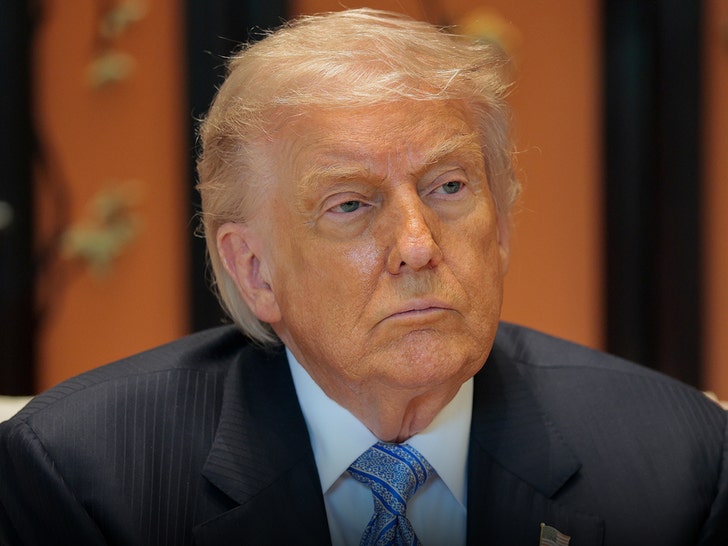
Beyond Donald Trump, the lawsuit specifically names Acting Attorney General Todd Blanche and Treasury Secretary Scott Bessent as defendants. Their inclusion points to the legal theory that these key officials are instrumental in the alleged operation or oversight of the "Anti-Weaponization Fund."
Acting Attorney General Todd Blanche: As the head of the Department of Justice (DOJ), the Attorney General holds significant power over federal legal proceedings and is responsible for upholding the rule of law. The lawsuit’s inclusion of Blanche suggests that the plaintiffs believe the DOJ, under his leadership, may be complicit in, or at least failing to prevent, the alleged misuse of funds or the encouragement of illegal activities. This is particularly notable given the DOJ’s central role in prosecuting January 6th defendants. The plaintiffs may be alleging that Blanche’s actions or inactions facilitate the fund’s operation, thus undermining the very department he leads. Todd Blanche, known as a prominent defense attorney, took on the role of Acting Attorney General, succeeding Pam Bondi, whose name is also referenced in the original article as his predecessor. His involvement raises questions about the ethical duties of the nation’s top law enforcement official when faced with allegations of executive corruption.
Treasury Secretary Scott Bessent: The Treasury Secretary is responsible for managing the nation’s finances, including the disbursement of federal funds. The inclusion of Scott Bessent indicates that the plaintiffs believe the Department of the Treasury plays a critical role in the alleged creation, management, or dispersal of the $1.8 billion "Anti-Weaponization Fund." Any large-scale financial operation involving taxpayer dollars would necessarily pass through or be overseen by the Treasury Department. The lawsuit likely seeks to uncover how such a fund could be established and funded without proper congressional oversight or within established legal parameters for federal spending. Bessent’s role as the chief financial officer of the U.S. government places him in a position where he would be expected to ensure the legality and transparency of all federal financial operations. His involvement as a defendant underscores the allegation that this is not merely a political maneuver but a concrete financial scheme involving significant public resources.
The naming of these high-ranking officials elevates the lawsuit from a personal grievance to a challenge against the institutional integrity of the executive branch, demanding accountability from those at the pinnacle of power.
Broader Implications for Democracy and Accountability
The lawsuit filed by Officers Hodges and Dunn carries profound implications for American democracy, the principle of accountability, and the future of political discourse. If the allegations regarding the "Anti-Weaponization Fund" are substantiated, it would signify a severe erosion of democratic norms, where the executive branch potentially uses public funds to reward individuals who engaged in an insurrection against the government. This could set a dangerous precedent, signaling that violent opposition to election results might not only go unpunished but could even be financially incentivized.
The case also serves as a critical test of judicial independence and the ability of the legal system to hold powerful figures accountable. The bravery of Officers Hodges and Dunn in pursuing this action highlights the ongoing struggle for justice and truth in the wake of the January 6th attack. Their lawsuit underscores the importance of safeguarding the rule of law against perceived attempts to subvert it for political gain.
Beyond the immediate legal outcome, this case will undoubtedly fuel public debate about political ethics, the boundaries of presidential power, and the responsibility of elected officials to uphold the Constitution. It will force a national conversation about how to prevent future acts of political violence and ensure that those who defend democratic institutions are supported, not undermined, by the very government they serve. The outcome of Hodges and Dunn v. Trump Administration et al. could therefore reverberate far beyond the courtroom, shaping the landscape of American politics and legal precedent for years to come.