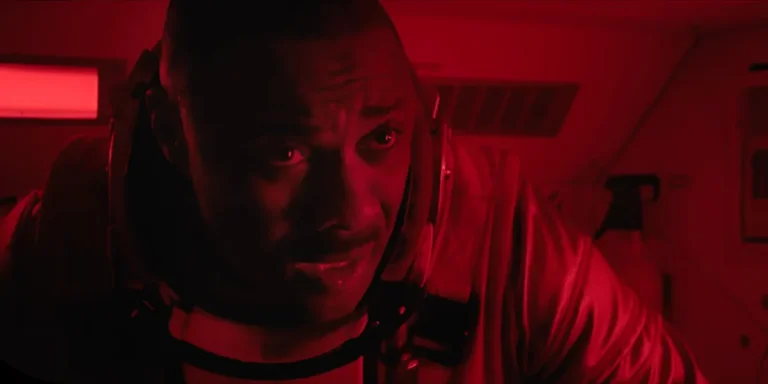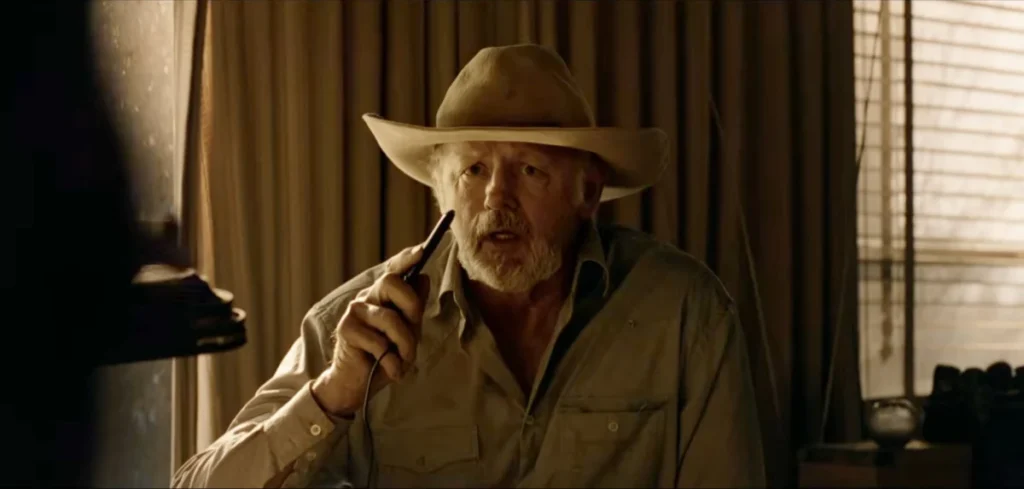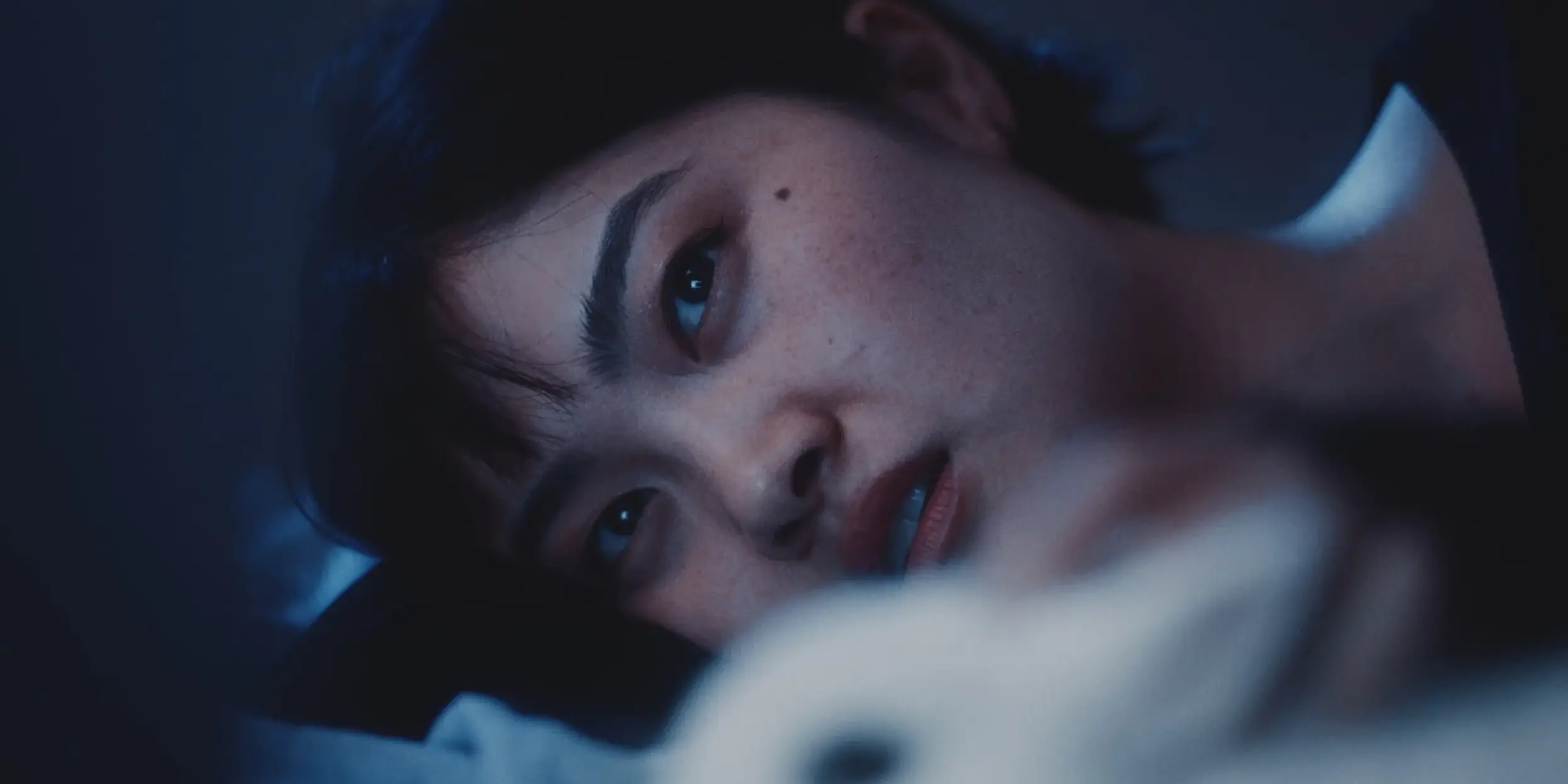
The digital age, a landscape of constant connection and profound isolation, serves as the fertile ground for Katarina Zhu’s directorial debut, "Bunnylovr." This 86-minute feature delves into the complex tapestry of modern young adulthood, weaving together the threads of a toxic online relationship, the fractured bonds of family, and the perennial search for self-identity. Starring Katarina Zhu herself as the protagonist Rebecca, alongside Rachel Sennott, Austin Amelio, Perry Yung, and Jack Kilmer, the film offers an intimate, albeit at times uneven, exploration of vulnerability and resilience in a world increasingly mediated by screens.
Navigating the Digital Divide: The Protagonist’s Predicament
At the heart of "Bunnylovr" is Rebecca, a young woman grappling with the ennui of contemporary existence. Her days are characterized by a disengaged participation in a menial office job, a testament to the widespread challenge of finding fulfillment in the contemporary workforce. Data from the U.S. Bureau of Labor Statistics consistently highlights the growing desire among millennials and Gen Z for meaningful work, with a significant percentage reporting feeling unfulfilled in their current roles. This backdrop of professional dissatisfaction is mirrored in Rebecca’s personal life. Her social circle is notably small, primarily consisting of her artist friend Bella (Rachel Sennott) and an on-again, off-again romantic entanglement that offers little emotional sustenance.
The most significant emotional strain, however, stems from her estranged relationship with her dying father, portrayed by Perry Yung. This familial rift, a common theme in narratives exploring intergenerational disconnect, adds a layer of poignant urgency to Rebecca’s internal struggles. The complexities of such relationships are further illuminated by research from the Pew Research Center, which indicates that while family remains a central pillar for many, modern life can often create geographical and emotional distance, leading to strained connections.
In this milieu of existential drift, Rebecca finds a peculiar form of engagement and income through her work as a cam girl. This digital performance space, where she caters to the desires of voyeuristic clients, becomes a significant source of revenue. It is within this virtual arena that she encounters John (Austin Amelio), a client whose interest transcends the typical transactional nature of their interactions. John’s persistent attention, marked by requests for private communications, video calls, and even the sending of gifts, such as a pet rabbit, introduces a significant dynamic into Rebecca’s life. While flattered by his attention, a palpable sense of suspicion and unease pervades their exchanges, hinting at a darker, more insidious undercurrent. This aspect of the narrative taps into a growing societal concern regarding online safety and the potential for exploitation within digital intimate spaces. Reports from cybersecurity firms frequently detail instances of individuals being groomed or manipulated through online platforms, underscoring the real-world implications of such virtual interactions.
A Director’s Vision: Atmosphere and Narrative Ambitions
Katarina Zhu, in her dual role as writer and director, crafts a film that is visually arresting, employing a hazy cinematography that effectively mirrors Rebecca’s own clouded emotional state. The visual language of "Bunnylovr" immerses the viewer in an opaque lens, symbolizing Rebecca’s aimless drift through various tenuous support structures. This stylistic choice aligns with the film’s thematic exploration of disorientation and the struggle for clarity in a rapidly changing world.
Zhu’s directorial talents are evident in moments of stark, intimate close-ups that powerfully convey Rebecca’s profound sense of isolation, even when surrounded by a virtual audience. These moments underscore the paradox of hyper-connectivity in the digital age: the ability to be seen by thousands while feeling utterly alone. The film also adeptly captures an unsettling dread in the interactions between Rebecca and John. Amelio’s portrayal of John is particularly effective in conveying a dangerous attraction laced with violent urges, a dynamic that significantly heightens the film’s inherent anxiety. This portrayal resonates with broader discussions about the normalization of aggression and the psychological impact of online content, a subject of ongoing research in media psychology.
However, the narrative structure of "Bunnylovr" is intentionally meandering, a choice that, while perhaps intended to reflect Rebecca’s lack of direction, can at times lead to a lack of momentum. The film’s progression, with scenes often flowing listlessly into one another, can make the relationships feel somewhat superficial. The conflicted feelings Rebecca harbors towards her former lover, for instance, are not explored in sufficient depth. Similarly, the potential tension surrounding her estranged father remains largely on the periphery, hinted at rather than fully developed.
John emerges as the most nuanced character in relation to Rebecca’s psyche, primarily because her attraction to him, juxtaposed with her awareness of her surroundings, provides a focal point for examination. Yet, even this analysis feels fractured and ultimately truncated. There are clear indications of a more profound character study lurking beneath the surface, but the execution struggles to fully capitalize on its potential, leaving the audience with a sense of what could have been. This often occurs in debut films where directors are balancing ambitious thematic goals with the practicalities of narrative construction.
Performances Grounded in Realism
A significant asset of "Bunnylovr" lies in the naturalism of its performances. The ensemble cast largely eschews heightened personas, opting instead for grounded, realistic portrayals that mirror the authentic, often fumbling, ways in which individuals communicate their feelings. This approach imbues the film with a palpable sense of authenticity.
Katarina Zhu, in her central role as Rebecca, delivers a quiet yet compelling performance that embodies both a yearning for personal freedom and the unsettling nature of inhibitions. Her portrayal is a significant contribution to the film’s emotional core. Rachel Sennott, known for her more energetic roles, demonstrates an impressive range with a remarkably toned-down performance as Bella. This restrained turn showcases her adaptability and fits the material’s introspective nature, highlighting her versatility as an actress beyond her established persona.
Austin Amelio navigates the delicate balance between allure and repulsion with remarkable skill as John. He effectively conveys the charm and underlying danger that make his character both intriguing and unnerving to Rebecca. His scenes consistently maintain this precarious equilibrium, demonstrating a keen understanding of the character’s complex motivations. Perry Yung, as the dying father, is a compelling presence despite his limited screen time. His brief scenes offer glimpses of a potentially richer father-daughter dynamic, hinting at a deeper history that remains largely unexplored. The chemistry he shares with Zhu is evident, and his screen presence is undeniable, though the narrative arc for his character feels repetitive, focusing on reconciliation attempts before his declining health relegates him largely off-screen. This often-cited challenge in filmmaking is how to adequately develop supporting characters when the narrative focus is so tightly on the protagonist’s journey.
Thematic Resonance and Future Promise
In essence, "Bunnylovr" engages with familiar thematic territory, presenting a modern iteration of the age-old journey of identity formation. The film acknowledges that while the challenges of self-discovery may be perennial, the advent of advanced technology has simultaneously amplified the complexities and provided new avenues for both connection and alienation. The film’s depiction of technology feels authentic, and the natural cadence of its dialogue is a welcome element, enhanced by the committed performances of its cast.
However, the film’s languid pacing ultimately hinders its ability to fully captivate the audience. While there are commendable moments of attention to detail that signal Zhu’s promise as a filmmaker, her debut feature leaves a lingering desire for more depth and a more fully realized exploration of the textured world she has begun to craft. The film’s 86-minute runtime, while concise, could have perhaps benefited from a more tightly woven narrative to maintain consistent engagement.
The implications of "Bunnylovr" extend beyond its individual narrative. It speaks to a broader cultural moment where the lines between online and offline identities are increasingly blurred, and where the pursuit of meaningful human connection is often fraught with digital intermediaries. The film’s exploration of toxic online relationships also taps into ongoing societal dialogues about consent, digital boundaries, and the psychological impact of online interactions, issues that will continue to be relevant as technology evolves.
As Zhu continues her filmmaking career, "Bunnylovr" serves as a promising, albeit imperfect, statement of intent. It showcases a director with a keen eye for atmosphere and a commitment to exploring the nuances of contemporary human experience, particularly for young adults navigating an increasingly complex digital and emotional landscape. The film’s strengths lie in its grounded performances and its visually evocative style, offering a foundation upon which future projects can build. The challenges it faces in narrative momentum and thematic depth are not insurmountable but rather areas for growth as Zhu hones her craft. The film’s ultimate impact may be measured not just by its immediate reception, but by the trajectory of its creator and the continued exploration of the themes it so ambitiously sets out to address.