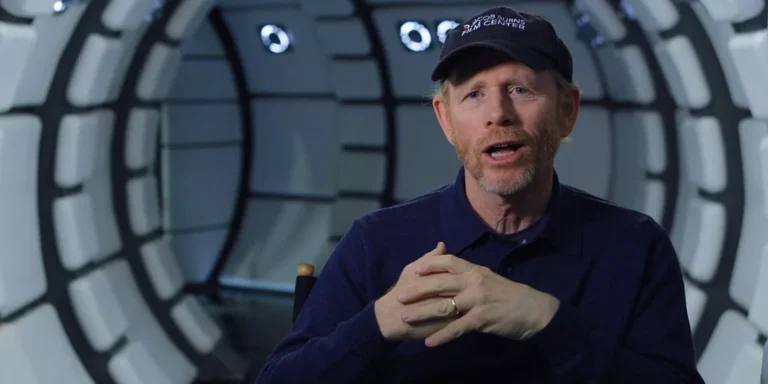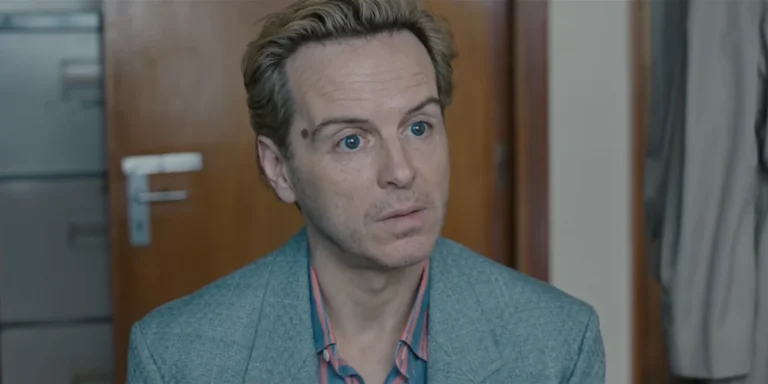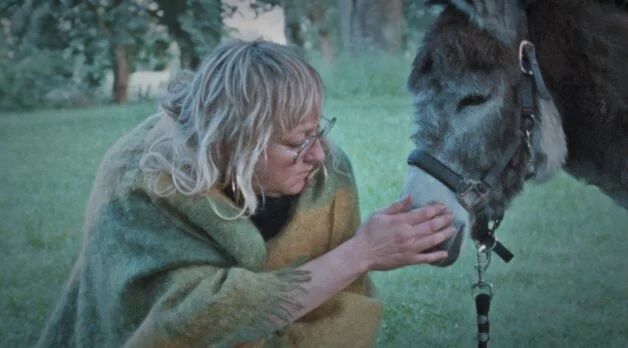



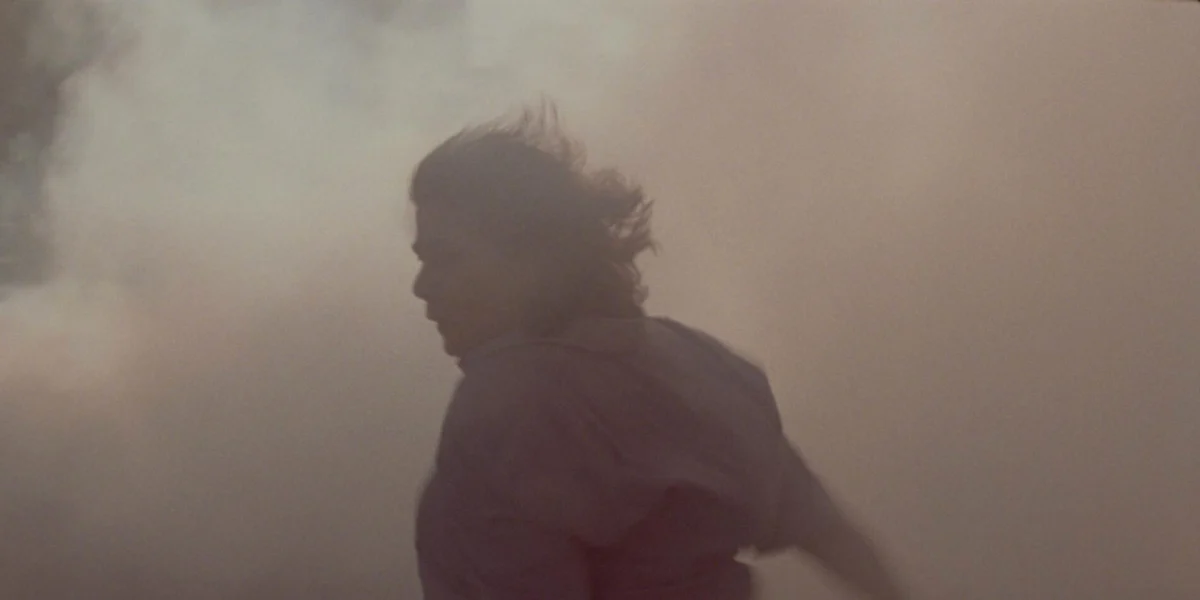
In the wake of the devastating impact of the Iraq War, a new cinematic offering, "Atonement," directed and written by Reed Van Dyk, emerges not as a typical anti-war film, but as a profound exploration of the enduring human cost of conflict and the complex, often unachievable, quest for absolution. Drawing inspiration from true events that unfolded during the initial stages of the U.S. invasion of Iraq in 2003, the film eschews the visceral shock of combat for the lingering, corrosive aftermath, compelling audiences to confront the irreversible consequences of military actions on civilian lives. This directorial debut, running at a deliberate 118 minutes, features a compelling cast including Boyd Holbrook, Hiam Abbass, and Kenneth Branagh, alongside Gheed in a pivotal role.
The narrative centers on a split-second decision made by U.S. Marine Lou D’Alessandro (Boyd Holbrook) during a chaotic firefight in Baghdad. This singular act of perceived duty results in the tragic loss of an Iraqi family. Years later, the film follows Lou’s arduous journey, facilitated by the persistent efforts of a New Yorker journalist, Michael Reid (Kenneth Branagh), as he seeks to reconcile with Mariam Khachaturian (Hiam Abbass), the matriarch of the devastated family, and her surviving daughter, Nora (Gheed). "Atonement" delves into the profound moral quandaries of war: can true amends ever be made after an act of irreversible violence? Who is truly deserving of forgiveness, and what form does it take? And, crucially, who possesses the authority to grant it?
The Genesis of Tragedy: Baghdad, 2003
The film plunges viewers into the heart of Baghdad in 2003, a city reeling from the early days of the Iraq War. The opening scenes vividly depict the Khachaturian family, led by Mariam, striving to maintain a semblance of normalcy amidst the pervasive destruction. Displaced by ongoing military operations, their attempts to preserve routine are shattered by a sudden, violent bombing nearby. The family’s decision to return to their home, navigating the war-torn streets, places them directly in the path of escalating conflict.
At a critical intersection, enveloped in the cacophony of battle, American soldiers find themselves under heavy fire. From a rooftop vantage point, U.S. Marines, under strict orders to neutralize any approaching vehicles deemed a potential threat, maintain a vigilant watch. Amidst the confusion and the disorienting sounds of combat, the Khachaturians continue their journey. In a moment of tragic misjudgment, U.S. Marine Lou D’Alessandro opens fire. The devastating consequence is immediate: Mariam’s husband and two sons perish in the attack. This single event irrevocably alters the trajectory of every life connected to it, a ripple effect of grief and trauma that extends far beyond the immediate moment of impact.
The Lingering Echoes of Violence
The film’s opening sequence, while the sole overtly explosive set-piece, is masterfully staged by Van Dyk with a terrifying clarity that underscores the brutal reality of warfare. However, the true power of "Atonement" lies not in the spectacle of the incident itself, but in the profound emotional aftershocks that resonate through the lives of those involved, on both sides of the conflict. Moving beyond the typical portrayal of combat horror, the film adopts a more mature and challenging perspective, shifting its focus from the act of violence to the immense and often unbearable burden carried by individuals in its aftermath.
The Quest for Reconciliation
The initial attempt to document this tragedy is undertaken by New York Times journalist Michael Reid (Kenneth Branagh), who encounters significant resistance from both Lou and the military establishment. Initially, Lou rationalizes his actions, asserting that he was merely adhering to his training, performing what he believed was a necessary duty in a hostile environment. He argues that in the fog of war, the authorization to use lethal force is granted, and accountability for unintended consequences often remains elusive. The film posits that the military, much like clandestine organizations, can operate under its own set of codes, where conventional humanistic principles may appear to be suspended.
However, the passage of time erodes this self-assuredness. More than a decade later, Lou is a man profoundly broken by guilt and trauma. Having endured eight deployments and a dishonorable discharge, he grapples with chronic unemployment, debilitating insomnia, volatile mood swings, physical tremors, and an overwhelming sense of self-loathing stemming from that fateful day in Baghdad. The film reveals that several of Lou’s former comrades have succumbed to suicide, unable to bear the weight of similar guilt and psychological distress. Lou himself teeters on the brink, facing the same existential crisis unless he can find a path toward self-forgiveness. This is where "Atonement" transcends a simple narrative of guilt and redemption, evolving into a complex emotional tapestry. Lou initiates contact with Michael Reid, hoping he can broker a meeting with Mariam and her surviving daughter, Nora. His objective is not merely an apology, but a profound plea for absolution. Yet, even Lou appears uncertain of the true purpose of such a meeting or whether he is in any way deserving of such a resolution.
Performances that Illuminate the Human Condition
Boyd Holbrook delivers a career-defining performance as Lou D’Alessandro, revealing a depth of vulnerability and emotional torment rarely showcased in his previous roles. Lou’s pursuit of absolution is, in many respects, a self-centered endeavor, rooted in his own pain. However, Holbrook and Van Dyk skillfully navigate this complex portrayal, ensuring that the audience is never invited to condone Lou’s actions. Instead, Holbrook embodies a man consumed by grief and guilt, teetering on the edge of psychological collapse, a state that even Mariam, in her own profound suffering, can recognize and offer a degree of sympathy towards. Lou’s agony is palpably real, yet the film wisely refrains from conflating his sorrow with innocence.
A Counterpoint to Traditional War Narratives
This critical distinction is paramount, as Reed Van Dyk demonstrates a nuanced understanding of historical shortcomings in many American war films. For too long, these narratives have disproportionately prioritized the American perspective, often relegating Iraqi civilians to the status of mere background casualties. "Atonement," in stark contrast, refuses to perpetuate this imbalance. The film accords an equal, if not greater, emotional weight to Mariam and the unimaginable devastation inflicted upon her family. This deliberate emphasis allows Hiam Abbass to deliver a truly monumental performance. Her portrayal of Mariam imbues the character with a quiet strength that belies her profound grief and pain. Abbass’s performance eschews grand pronouncements or overt emotional outbursts, instead conveying years of unspeakable suffering through every nuanced glance, pregnant pause, and subtle facial expression. The decade-long time jump means the audience doesn’t witness the immediate aftermath, but the weight of that experience is undeniably palpable. For Mariam, no apology can ever reclaim what was stolen, and no punishment can truly rectify the profound injustice she has endured. Consequently, the film circles back to its central, haunting question: what can truly be said or done in the face of such loss? While definitive answers remain elusive, the film suggests that a fundamental aspect of the human spirit lies in the persistent effort to do what is right, even when the path forward is unclear.
Beyond the Battlefield: A Universal Human Drama
Beyond its initial, potent firefight sequence, which could conceivably be transplanted into numerous war films, "Atonement" distinguishes itself as a deeply universal human drama. Director Van Dyk astutely recognizes the intricate moral and emotional complexities inherent in each character, urging viewers to confront the enduring legacies of a war that continues to evoke deeply divided sentiments. Kenneth Branagh, as Michael Reid, provides a grounding and empathetic presence, serving as a vital conduit between Lou and Mariam. His inherent warmth and compassion guide the film through its most delicate moments, ensuring that no character is presented as a simple villain, and that there are no easy answers or neat resolutions, despite the characters’ earnest attempts to find them.
"Atonement" stands as a powerful testament to the often-elusive nature of forgiveness. It acknowledges that in certain circumstances, words and actions may be insufficient to erase the profound weight of one’s deeds. However, it posits that steps can be taken towards absolution, not necessarily to move beyond the past, but to learn to carry on as best as one can. The film leaves the audience contemplating the ultimate source of this absolution: is it granted by the loved ones of victims, by a higher power, or by oneself? Van Dyk subtly suggests that the answer may lie in a confluence of all three, and even then, it may prove to be an insufficient balm. This is undeniably complicated and delicate material, handled with profound care and artistic integrity, offering a thought-provoking examination of the human capacity for both devastating error and the enduring pursuit of peace.