Narrative Continuity and the Expansion of the Le Domas Mythos
The sequel initiates its narrative at the precise moment the 2019 film concluded. In the original Ready or Not, Grace survived a night-long ritualistic hunt initiated by her new in-laws, the Le Domas family, who believed they were bound by a generational pact with a demonic entity known as Mr. Le Bail. The film ended with the spectacular, supernatural combustion of the Le Domas clan as the sun rose, leaving Grace as the sole survivor amidst the burning remains of their estate.
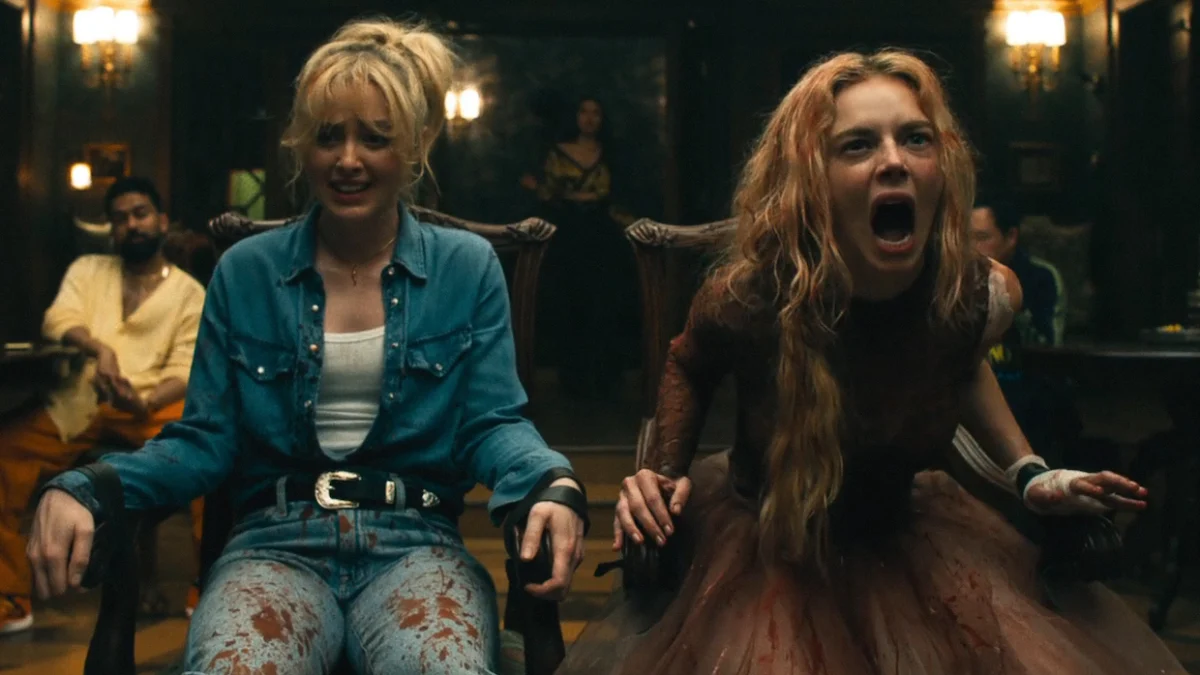
Ready or Not 2: Here I Come picks up with Grace collapsing on the steps of the mansion, only to be immediately thrust into a new layer of the conspiracy. The narrative reveals that the Le Domas family was merely one cell in a larger network of elite families—a "capitalist Satanic cult"—all of whom operate under similar blood pacts to maintain their global influence. The arrival of Grace’s estranged sister, Faith, played by Kathryn Newton, introduces a new dynamic to the survivalist plot. The two are quickly captured by rival factions, led by siblings Titus (Shawn Hatosy) and Ursula (Sarah Michelle Gellar), who seek to claim the leadership vacuum left by the Le Domas family by completing the sacrifice Grace previously escaped.
Production Evolution: Budgetary Increases and Aesthetic Shifts
The transition from the first film to the sequel involved a significant escalation in production scale. While the 2019 original was noted for its efficient use of a limited budget—approximately $6 million—to create a high-tension atmosphere within a single location, the sequel benefits from an increased "blood budget" and, notably, a significantly higher "candle budget."
Directors Bettinelli-Olpin and Gillett have noted that the increased resources allowed for a more authentic portrayal of the occult environments. In the first film, the production was limited to a handful of candles and candelabras that had to be moved between shots to simulate a grand, lit environment. In the sequel, the visual language is bolstered by expansive, practical lighting that underscores the "professionalism" of the new antagonist families. Unlike the Le Domas clan, whom the directors described as "cosplaying evil" with a lack of true occult competence, the new villains are depicted as more seasoned and disciplined in their adherence to the dark rituals of their class.
Analytical Context: Subverting the "Final Girl" Trope
A primary focus of the Ready or Not franchise is the subversion of traditional horror tropes, specifically the "Final Girl" archetype. Grace is presented not as a superhero or a character fueled by a supernatural bloodlust, but as a grounded, resilient individual whose primary motivation is survival rather than vengeance.
The filmmakers emphasize a "human-first" approach to the action. This is evidenced in the sequel through extended, uncomfortable sequences, such as a kill involving a laundry machine, where the protagonist and the audience are forced to confront the messy, painful reality of violence. Unlike many genre entries where the protagonist becomes an efficient killing machine by the third act, Grace maintains a sense of kindness and relatability, navigating the conflict through "imaginative resistance" rather than adopting the brutal worldview of her oppressors.

Key Performances and Character Archetypes
The casting of the sequel reinforces its themes of generational trauma and the corruptive nature of wealth.
- Samara Weaving (Grace): Reprising her role, Weaving anchors the film with a performance that balances "scrappiness" with a deep-seated exhaustion from the relentless nature of her predicament.
- Kathryn Newton (Faith): As the estranged sister, Newton provides a foil to Grace, representing the complicated familial ties that are often exploited by the film’s systemic villains.
- Shawn Hatosy (Titus): Hatosy’s portrayal of Titus explores the psychological toll of being raised within a physical and emotional hierarchy. His character arc, marked by a series of physical slaps from his father and sister, illustrates a psyche that gradually "cracks" until he fully embraces his villainous role.
- Sarah Michelle Gellar (Ursula): Gellar’s inclusion adds a layer of genre meta-commentary, bringing her history as a horror icon to a role that represents the ruthless preservation of the status quo.
The Cronenberg Cameo and Satirical Commentary
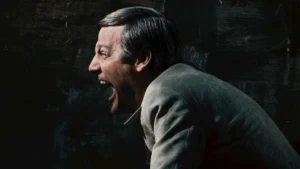
One of the film’s most discussed sequences involves a cameo by legendary filmmaker David Cronenberg. Appearing via a digital interface within a group chat of the global elite, Cronenberg’s character delivers a line regarding a "ceasefire" in a global conflict. The joke serves as a narrative device to illustrate the sheer scale of the cult’s power; once the command is given, the war is shown to resolve within seconds. This moment serves to set the film’s tone, blending high-stakes horror with a cynical, satirical look at how the world’s most powerful figures manipulate global events for their own convenience.
Chronology of the Franchise Development
The development of Ready or Not 2: Here I Come follows a specific timeline within the modern horror landscape:
- August 2019: Ready or Not is released, earning $57.6 million worldwide and becoming a sleeper hit for Searchlight Pictures.
- 2020–2022: Radio Silence directors Bettinelli-Olpin and Gillett transition to the Scream franchise, directing the fifth and sixth installments, which further established their ability to blend humor with intense genre thrills.
- 2024: Following the release of their monster film Abigail, the duo officially enters production on the Ready or Not sequel, bringing back original writers Guy Busick and R. Christopher Murphy.
- 2026: Ready or Not 2: Here I Come is released, positioned as a major genre event that expands the scope of the original "Hide and Seek" premise.
Thematic Analysis: Capitalism, Resistance, and the Binary of Choice
At its core, the film functions as a critique of corporate greed and the "join or die" mentality of modern capitalist structures. The central conflict for Grace is framed as a choice: either join the corrupt system and benefit from its power or be destroyed by it.
The filmmakers argue that this binary is a false one, created by the oppressors to maintain control. Through Grace’s refusal to accept either option, the film articulates a message of "hopeful resistance." It suggests that the only way to truly defeat a cynical system is to reject its worldview entirely. This thematic depth is what the directors refer to as "nutritive shit" hidden inside a "digestible" genre film. By making the audience feel the tension and humor of the hunt first, the film’s deeper messages about class warfare and systemic change are more effectively delivered.
Industry Impact and Genre Significance
Ready or Not 2: Here I Come arrives at a time when "social horror" and "eat the rich" narratives have become a dominant force in cinema, following films like The Menu and Triangle of Sadness. However, the Radio Silence approach distinguishes itself through its commitment to practical effects, grounded character work, and a refusal to succumb to total cynicism.
The success of the sequel indicates a robust market for original horror IP that can sustain a franchise without relying solely on established monsters or slashers. By focusing on the "humanity" of its protagonist and the "cosplay" nature of its villains, the film provides a unique entry into the genre that prioritizes thematic resonance alongside its high-octane thrills. The broader implications for Searchlight Pictures and the Radio Silence collective suggest a continued interest in genre-bending projects that use the framework of horror to explore the complexities of the modern social and economic landscape.