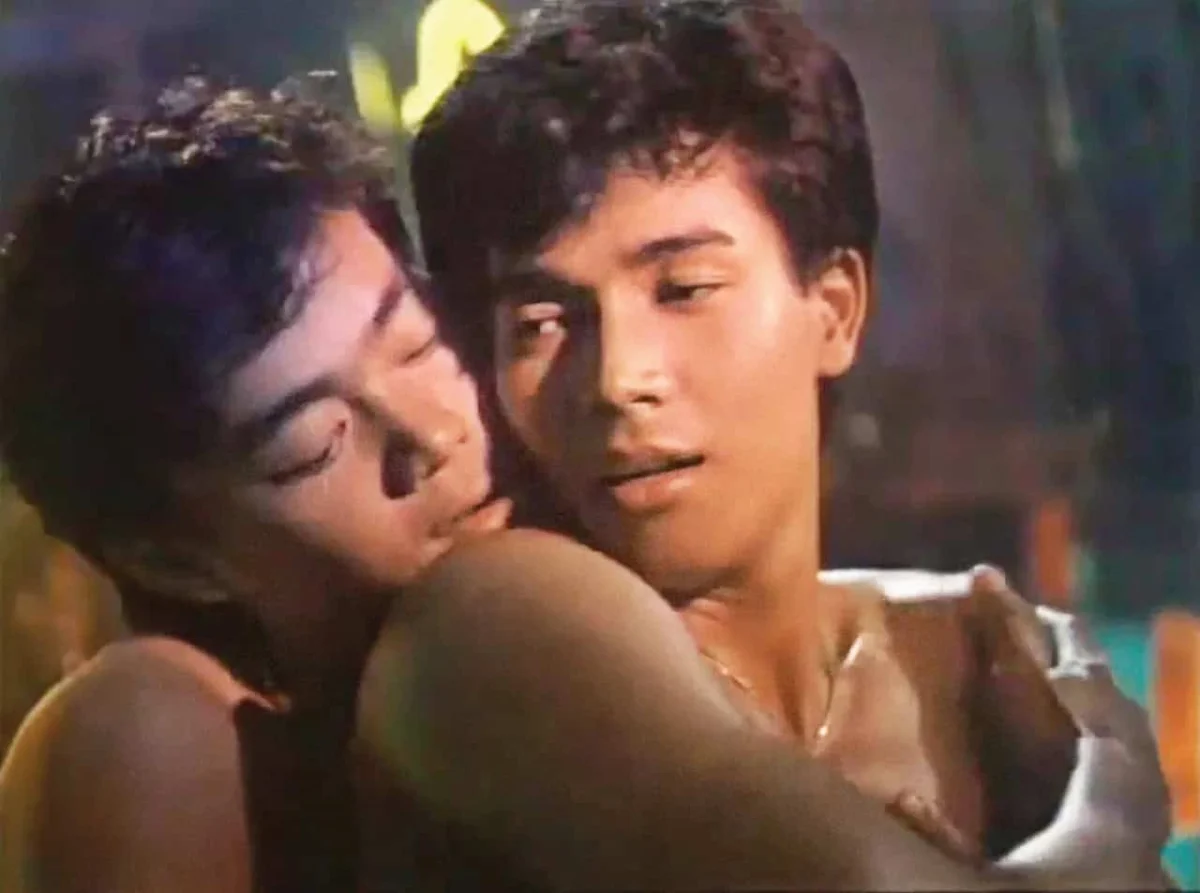
Macho Dancer, a visually arresting and politically charged drama, offers a stark and unflinching portrayal of queer underclass life within the Philippine cinematic landscape. Fusing elements of the thriller genre with an intimate character study, the film stands as a significant artistic statement, dissecting societal decay, systemic corruption, and the resilience of marginalized individuals in post-Marcos Philippines. The film is currently being showcased at the prestigious Queer East Film Festival, bringing its potent narrative to a wider international audience.
The Unfolding Narrative of Pol and the Manila Underbelly
The core of "Macho Dancer" follows the journey of Pol (Allan Paule), a young gay man hailing from the provinces. His initial vulnerability is amplified when his American boyfriend, whose military tour concludes, abandons him. This abrupt severance leaves Pol adrift and financially precarious, prompting his migration to the sprawling metropolis of Manila. It is within the city’s notorious red-light district that Pol’s path intersects with Noel (Daniel Fernando), a charismatic and established call boy and macho dancer. Under Noel’s tutelage, Pol is initiated into the dazzling yet perilous world of male stripping, a realm where survival often hinges on performance and precarious connections. Sharing a cramped living space with Noel, Pol navigates the harsh realities of urban existence, gradually transforming into a macho dancer himself.
Beyond the immediate struggles of survival, Pol finds himself unexpectedly drawn to Bambi (Jaclyn Jose), a seasoned sex worker whose life is shadowed by past trauma and an uncertain future. Pol’s burgeoning affection for Bambi introduces a poignant layer of fragile heterosexual longing into the narrative. His desire to escape Manila and build a life with her underscores the profound difficulty of forging genuine intimate connections amidst pervasive social and economic precarity. The film poignantly illustrates how the constant struggle for survival can eclipse the possibility of genuine human connection, even for those seeking solace and a different path.
A Descent into the Criminal Underworld
The narrative takes a significant turn towards darkness when Noel discovers that his younger sister, Pining (Princess Punzalan), has vanished, with indications suggesting she may have been trafficked to Manila. Driven by a desperate paternal instinct to rescue his sibling, Noel embarks on a perilous mission that plunges him deeper into the city’s labyrinthine criminal underworld. Their search culminates in a harrowing discovery: Pining is found in a massage parlor, forced into prostitution. The subsequent attempt to extricate her from this exploitative situation devolves into a brutal confrontation, exposing the intertwined forces of police violence, pervasive systemic corruption, and institutional injustice that plague the city. This sequence serves as a stark depiction of the lengths to which individuals will go to protect family and the devastating consequences of confronting entrenched power structures.
Socio-Political Commentary Through Eroticism and Spectacle
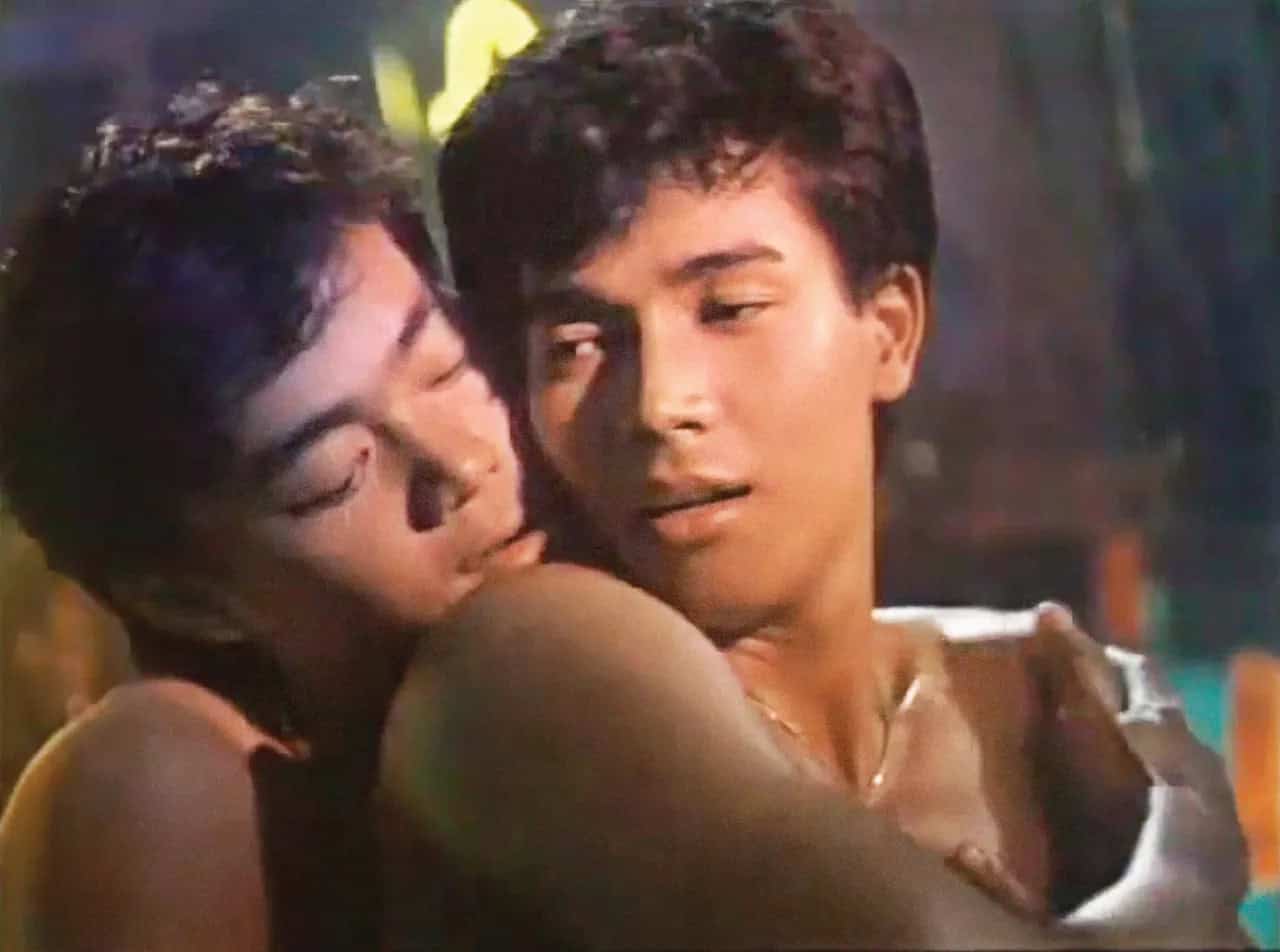
"Macho Dancer" is far more than a mere depiction of urban struggle; it functions as a searing indictment of the hypocrisy and corruption that permeated both the authoritarian Marcos era and the subsequent Aquino administration. Director Lino Brocka masterfully juxtaposes the seductive spectacle of macho dancing with an atmosphere steeped in political fear and societal decay. The dance itself evolves from a mere performance into a vital survival mechanism, a means by which marginalized bodies negotiate the crushing realities of poverty, navigate complex sexual identities, and resist exploitation.
The film courageously foregrounds a spectrum of sensitive and often taboo subjects, including homosexuality, prostitution, drag culture, pornography, police brutality, drug trafficking, and sexual slavery. These issues are not presented in isolation but are intricately woven into the broader social anxieties that characterized the Philippines in the post-Marcos period. The film’s bold engagement with these themes, particularly its focus on queer experiences, was groundbreaking for its time and continues to resonate with audiences today.
Performances: Anchoring the Narrative
The performances within "Macho Dancer" are central to its impact. Allan Paule, as Pol, delivers a performance that, while sometimes lacking the full emotional intensity required for the character’s profound psychological depth, nonetheless anchors the narrative with a palpable sense of vulnerability. His portrayal effectively conveys the initial innocence and subsequent hardening of a young man thrust into harsh circumstances. Daniel Fernando, as Noel, injects a compelling energy and convincing immediacy into his role. He embodies the multifaceted nature of a pragmatic survivor, a popular performer, and a desperate brother fiercely protective of his family. Jaclyn Jose’s portrayal of Bambi is equally affecting. She masterfully embodies a woman caught between the brutal realities of her existence and the flickering hope of escape, her performance conveying a quiet strength and profound weariness.
Cinematography and Editing: Crafting the Urban Psyche
The visual language of "Macho Dancer" is a crucial element of its storytelling. Cinematographer Joe Tutanes vividly captures the nocturnal landscape of Manila. His use of yellow-tinted cityscapes and densely populated street imagery evokes a gritty, lived-in atmosphere, at times reminiscent of the visual texture found in 1970s and 1980s Hong Kong cinema. This aesthetic choice immerses the viewer in the film’s world, amplifying the sense of urban alienation and vibrant chaos.
Editor Ruben Natividad’s work is particularly striking in the film’s extended dance and intimacy sequences. These scenes are deliberately paced, allowing the audience to linger on the physical movement and the charged eroticism of the performances. The recurring foam-party scenes, while visually striking and memorable, combine sultry lighting, pulsating music, and choreographed sensuality into moments of seductive spectacle. However, some critics have noted that these sequences, while effective, occasionally lean towards repetition rather than progressive narrative development.
Broader Context and Implications
The screening of "Macho Dancer" at the Queer East Film Festival is a significant event, highlighting the film’s enduring relevance and its place in the history of queer cinema. The festival, which aims to showcase and celebrate LGBTQ+ stories and filmmakers from Asia and its diaspora, provides a vital platform for films like "Macho Dancer" to reach new audiences and spark important conversations.
The film’s unflinching exploration of themes such as poverty, exploitation, and the precariousness of life for marginalized communities offers a critical lens through which to examine the socio-economic conditions in the Philippines. Its indictment of systemic corruption and state violence continues to resonate in contemporary discussions about governance and social justice.
"Macho Dancer" transcends its historical context to offer a powerful and enduring critique of societal structures that create and perpetuate inequality. By transforming the lives of marginalized queer bodies into a potent cinematic statement, the film challenges social stigmas, exposes the violence lurking beneath the surface of urban spectacle, and serves as a stark reminder of the ongoing struggle for dignity, rights, and recognition. The film’s continued impact underscores its status as a vital piece of Philippine cinema and a significant contribution to the global discourse on queer representation and social justice.