
The Federal Communications Commission (FCC) has released a comprehensive cache of 2,155 formal complaints filed by viewers following the Super Bowl halftime show headlined by Puerto Rican superstar Bad Bunny. The documents, obtained by WIRED through a Freedom of Information Act (FOIA) request, provide a granular look at the intersection of cultural expression and public sensitivity in the United States. While the performance reached a historic global audience, the complaints highlight a significant divide regarding language, choreography, and the sociopolitical identity of the performers.
Even before the first note was played at the stadium, the selection of Bad Bunny—born Benito Antonio Martínez Ocasio—had become a lightning rod for controversy. The artist had previously drawn the ire of MAGA-aligned influencers and conservative commentators due to his vocal criticism of U.S. Immigration and Customs Enforcement (ICE) and his steadfast commitment to performing almost exclusively in his native Spanish. Once the broadcast concluded, the initial political friction evolved into a broader debate over broadcast standards, decency, and the changing demographics of the American viewing public.
Statistical Breakdown of Public Grievances
An analysis of the 2,155 complaints reveals specific geographic and thematic trends. According to the data provided by the FCC, the highest volume of complaints originated from three states: Texas, Florida, and California. These states, which possess some of the largest Spanish-speaking populations in the country, also saw the most vocal opposition to the broadcast’s content.
The language used within the complaints provides insight into the specific nature of the viewers’ distress. The word "vulgar" appeared in 497 separate filings, while "Spanish" was mentioned 735 times. Bad Bunny’s name itself was featured in 919 complaints. The grievances generally fell into three categories: linguistic objections, concerns over suggestive choreography, and political or social opposition.
A significant portion of the complainants expressed frustration that a major American sporting event featured a primary performance in a language other than English. While some viewers claimed they could not understand the lyrics, others reported taking the step of looking up translations after the show, subsequently filing complaints based on the translated content. One viewer from Indiana noted that despite not speaking Spanish, the "suggestive nature" of the performance prompted a search for the meaning of the lyrics, which they then deemed inappropriate for a general audience.
The Controversy of Perreo and Choreography
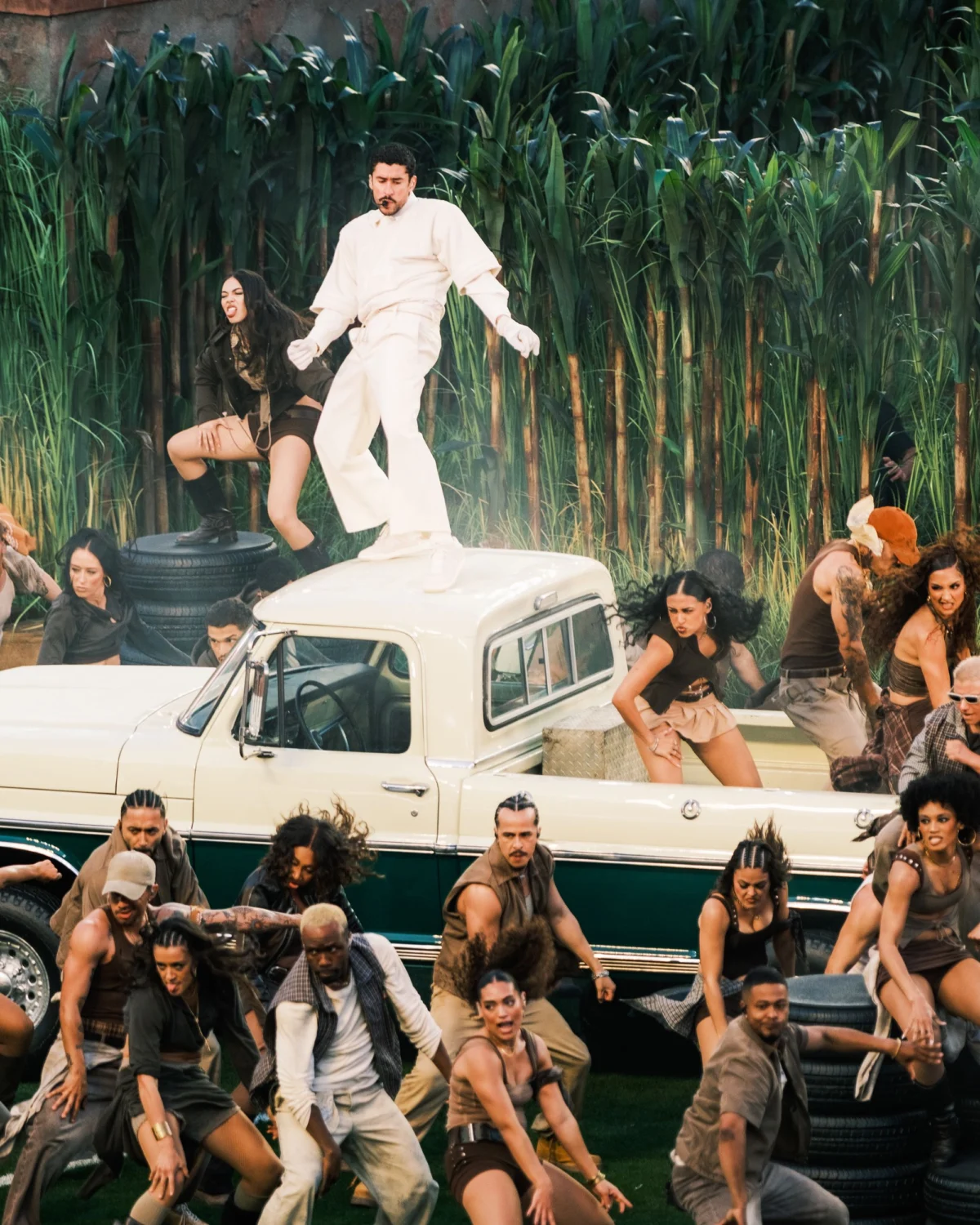
Beyond the lyrics, the physical nature of the performance drew intense scrutiny. Bad Bunny’s show featured "perreo," a style of dance deeply rooted in Puerto Rican reggaeton culture, characterized by rhythmic grinding and close physical contact. For many viewers in the continental United States, this cultural expression was interpreted as simulated sexual activity.
A viewer from Leighton, Alabama, provided a detailed critique of the broadcast’s camerawork, stating that the dancers engaged in "intense grinding, hip thrusting, and twerking," which they claimed mirrored the explicit nature of the lyrics. The complainant argued that the FCC and the network failed in their duty to censor the performance, noting that "cameras captured close-ups of suggestive contact and pelvic motions, amplifying the explicit nature" of the show.
Furthermore, approximately 30 complaints specifically targeted a segment of the performance featuring two men dancing together. A viewer from Winstead, Connecticut, characterized this as "depictions of gay sex openly on the screen," calling the inclusion of LGBTQ+ representation "incredibly inappropriate" for a program with a high number of child viewers. Similar sentiments were echoed by a viewer in Incline Village, Nevada, who claimed that patrons at a local Dave & Buster’s were "visibly disturbed" by the performance, with several families leaving the premises.
Political Overtones and Citizenship Misconceptions
The complaints also mirrored the broader national discourse on immigration and identity. One viewer from Raleigh, North Carolina, explicitly referenced the immigration status of the artists, stating, "There are illegals on my TV screen." This comment highlights a recurring misconception regarding the artist’s background; as a native of Puerto Rico, Bad Bunny is a United States citizen by birth, as are all residents of the island territory.
The political nature of the backlash was further evidenced by the formatting of the complaints themselves. At least 30 filings concluded with the phrase, "Thank you for your attention to this matter," a sign-off frequently utilized by supporters of former President Donald Trump on the social media platform Truth Social. This suggests a coordinated effort by certain groups to utilize the FCC’s reporting system as a tool for political expression.
Regulatory Response and Official Findings
In the wake of the performance, the pressure on regulatory bodies moved from the public to the legislative branch. Several Republican lawmakers called for a formal investigation into the NFL and NBC, the network responsible for the broadcast. These officials argued that the halftime show violated federal indecency standards and failed to protect the interests of families.
However, the FCC’s internal review led to a different conclusion. Commissioner Anna Gomez, who requested full transcripts of the performance for review, stated that the broadcast did not violate existing regulations. In a statement to Reuters, Gomez clarified her position: "I reviewed them carefully, and I found no violation of our rules and no justification for harassing broadcasters over a standard live performance."
This regulatory stance reinforces the high threshold required for a broadcast to be deemed "indecent" or "obscene" under current U.S. law. Historically, the FCC has been hesitant to penalize broadcasters for artistic expression unless it meets a strict legal definition of patently offensive material, a standard this performance—despite the volume of public outcry—did not meet.
Contextualizing the Global Impact
To understand the scale of the complaints, they must be viewed against the backdrop of the performance’s unprecedented success. The halftime show was not merely a solo act by Bad Bunny; it was a high-concept production that included a guest appearance by Lady Gaga, a live wedding ceremony, and a tribute to Caribbean culture featuring Maria Antonia Cay, the proprietor of Brooklyn’s famed Caribbean Social Club.
The NFL, Apple Music, and Roc Nation (the production company led by Jay-Z) reported that the performance set a global viewership record. According to their data, the show reached 128 million live broadcast viewers and amassed over 4.1 billion views across YouTube, social media, and streaming platforms. By this metric, the 2,155 complaints represent approximately 0.0016% of the live domestic audience, suggesting that while the opposition was vocal, it remained a statistically small minority of the total viewership.
Comparative History of Super Bowl Controversies
The backlash against Bad Bunny is part of a long-standing tradition of Super Bowl halftime show controversies. These performances often serve as a barometer for the prevailing cultural anxieties of the time.
For example, the 2025 halftime show featuring Kendrick Lamar received 125 complaints. Those grievances were largely focused on a perceived "lack of white people" in the production, reflecting contemporary debates over Diversity, Equity, and Inclusion (DEI) initiatives. Similarly, the 2020 performance by Shakira and Jennifer Lopez drew thousands of complaints centered on the perceived sexualization of the female performers and the inclusion of "tongue-wagging" and cultural dance styles that some viewers found offensive.
Going further back, the 2004 "wardrobe malfunction" involving Janet Jackson and Justin Timberlake remains the gold standard for FCC complaints, resulting in over 540,000 filings and a temporary tightening of broadcast indecency rules. Compared to the Jackson incident, the reaction to Bad Bunny indicates a shift in the nature of public concern—moving away from accidental exposure and toward a more fundamental discomfort with the changing linguistic and cultural landscape of American media.
Implications for Future Broadcasts
The volume and nature of the complaints following Bad Bunny’s performance suggest that the "culture war" continues to play out through the medium of live television. As the NFL and its production partners continue to seek out global icons to headline the halftime show, they face an increasingly bifurcated audience.
On one side is a global, younger demographic that embraces multilingualism and diverse cultural expressions. On the other is a segment of the domestic audience that views the departure from English-language, traditional "American" entertainment as a political affront. The FCC’s decision to dismiss the complaints suggests that, for now, regulatory bodies are unwilling to let public sentiment override established definitions of artistic expression and broadcast freedom.
As the United States continues to evolve demographically, the Super Bowl halftime show will likely remain a primary site of cultural friction. The Bad Bunny incident serves as a definitive case study in how a single 15-minute performance can simultaneously be a record-breaking commercial success and a catalyst for deep-seated national debate.