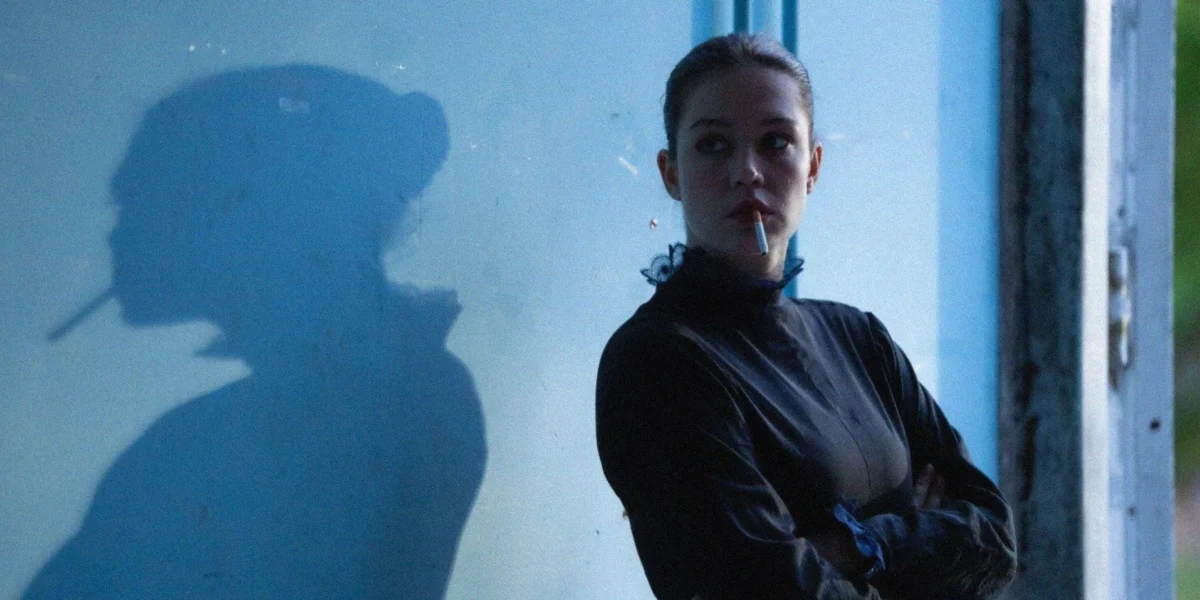
A poignant and unflinching exploration of addiction, Jeanne Herry’s "Another Day" (original title "Une vie") delves into the eight-year journey of Garance, a young Parisian actress whose valiant spirit is increasingly overshadowed by her dependence on alcohol. Starring Adèle Exarchopoulos, the film offers a raw and intimate portrayal of a woman navigating the complexities of her career, personal life, and a battle with alcoholism that escalates from a seemingly manageable habit to a life-threatening struggle. Herry, who also penned the screenplay, masterfully crafts a narrative that eschews dramatic clichés, instead opting for a disarmingly honest and propulsive depiction of addiction’s insidious grip.
The Unfolding Struggle of Garance
"Another Day" centers on Garance, a performer in her mid-thirties whose professional life, while marked by a clear talent, remains firmly in the realm of fringe theatre and sporadic roles. She is not a celebrated star, but a working actress, sharing living spaces with roommates and relying on the hospitality of friends, a stark reality for many in the arts. Her ambition and passion for acting, however, are increasingly eclipsed by her profound reliance on alcohol, a substance she openly acknowledges as a "fuel" and a source of comfort. The film opens with Garance already aware of her alcoholic tendencies, framing her struggle not as a denial of a problem, but as an active, albeit self-destructive, engagement with it. This immediate candor sets the tone for Herry’s approach, which prioritizes authenticity over melodrama.
The narrative unfolds with a deliberate, almost observational, pace, mirroring how those closest to an alcoholic often perceive the gradual escalation of their dependency. Initially, Garance’s drinking appears as a social lubricant, a glass of wine here and there, with only occasional verbal missteps that she readily dismisses. However, as the film progresses, subtle yet undeniable signs of her alcoholism begin to surface. These are often confined to the privacy of her own space – a stumble, a nap in an unusual place – observed only by herself or a roommate. This slow reveal is a testament to Herry’s keen insight into the progression of addiction, a phenomenon that rarely announces itself with overt fanfare but rather through a series of incremental changes that become increasingly difficult to ignore.
Adèle Exarchopoulos: A Performance of Magnetic Honesty
At the heart of "Another Day" is Adèle Exarchopoulos’s captivating performance as Garance. She imbues the character with a magnetic charisma, a blend of cynicism and directness that, paradoxically, comes across as charming. Exarchopoulos masterfully portrays Garance’s ability to maintain a semblance of functionality while under the influence, suggesting that perhaps, at times, she navigates the world more adeptly in her altered state. This is a nuanced portrayal, avoiding the histrionics often associated with depicting addiction, and instead opting for a "lived-in" authenticity that makes Garance’s struggles deeply relatable.
The actress’s portrayal is a masterclass in subtle characterization. Garance’s self-deprecating humor and quick wit serve as a shield, deflecting concerns and masking the depth of her internal turmoil. As an actress herself, Garance is adept at playing the role of someone who has their life together, a performance within a performance that Exarchopoulos executes with remarkable conviction. Her ability to shift from disarming charm to moments of raw vulnerability is what makes the film so compelling. When the narrative demands it, Exarchopoulos delivers powerful emotional outbursts, but these are never gratuitous; they arise organically from Garance’s inability to control her circumstances, a testament to Herry’s commitment to a truthful portrayal.
A Chronology of Escalation and Its Human Cost
"Another Day" spans approximately eight years, a period marked by constant movement, evolving relationships, fleeting parties, and the pervasive undercurrent of anxiety and hardship that accompanies addiction. This extended timeline allows for a comprehensive examination of how addiction can permeate and disrupt every facet of an individual’s life.
-
Early Stages (Years 1-3): The film likely begins with Garance exhibiting a more controlled, though still problematic, level of drinking. She is actively pursuing her acting career, attending auditions, and participating in theatrical productions. Social engagements are frequent, and alcohol is an integral part of these gatherings. While her friends and colleagues might notice an increased consumption, it hasn’t yet reached a point of overt crisis. This period is characterized by a fragile balance, where Garance’s charisma and wit allow her to navigate social and professional spheres with a degree of success, masking the growing dependency.
-
Mid-Journey (Years 4-6): During this phase, the impact of alcohol becomes more pronounced. Garance’s professional opportunities may begin to suffer as her commitment to sobriety wanes. Her personal relationships face increasing strain due to her unpredictable behavior and emotional volatility. Instances of missed appointments, unreliable performances, or significant personal conflicts may become more frequent. The "moves, work, encounters, parties and anxieties" mentioned in the synopsis become more chaotic, reflecting the destabilizing effect of escalating addiction. This period could see her experiencing greater financial instability and a more pronounced reliance on others for support.
-
Critical Point (Years 7-8): The final years depicted in the film signify a critical escalation. Garance’s health may begin to deteriorate, and the "very possibility of death" becomes a tangible threat. Her acting career likely faces severe setbacks, potentially leading to her being sidelined or unable to secure roles. The social circle that once tolerated her behavior may shrink considerably, leaving her more isolated. This stage is characterized by a desperate struggle for survival, where the consequences of her addiction are undeniable and the need for intervention becomes paramount. The film’s conclusion likely focuses on this precipice, leaving the audience to contemplate the precariousness of Garance’s situation.
Herry’s Directorial Vision: Unflinching Realism
Jeanne Herry’s direction in "Another Day" is characterized by its unflinching realism and a deliberate avoidance of sentimentalism. The film moves at an "astonishing clip," propelled by the energetic score of Pascal Sangla, which effectively mirrors the dizzying passage of time for Garance. This rapid progression of events, with time passing in "large sweeps," underscores how individuals struggling with addiction often lose track of days, measuring their existence not by calendars but by tangible markers of their habit, such as the accumulation of empty bottles.
While the repetitive nature of watching Garance pour glass after glass and experience a continuous cycle of drunken nights could be perceived as monotonous, Herry uses this to deliberately evoke a sense of the numbing effect addiction can have. It is an intentionally "frustrating watch," designed to immerse the audience in the disorienting reality of Garance’s existence. Yet, Exarchopoulos’s unwavering commitment and captivating presence ensure that the audience remains riveted, unable to look away from both Garance’s moments of resilience and her inevitable falls. This sustained attention is crucial for a film that aims to foster empathy and understanding rather than judgment.
The Broader Implications of Addiction in "Another Day"
"Another Day" transcends a simple character study to offer a broader commentary on the pervasive nature of addiction and its impact on individuals and their communities. The film implicitly addresses the societal pressures and individual vulnerabilities that can contribute to the development of such dependencies. While the synopsis focuses on Garance’s personal journey, the film likely touches upon the ripple effects of her addiction on her relationships, her chosen profession, and potentially the healthcare system.
-
Societal Context: The film’s Parisian setting provides a backdrop against which Garance’s struggles unfold. The arts community, often characterized by precarious employment and intense emotional demands, can be fertile ground for coping mechanisms that can easily tip into addiction. The film’s portrayal of her living situation and professional status highlights the economic realities faced by many aspiring artists, which can exacerbate stress and lead to unhealthy coping strategies.
-
Public Health Perspective: From a public health standpoint, "Another Day" serves as a stark reminder of the human cost of addiction. The World Health Organization (WHO) estimates that alcohol consumption is a leading cause of death and disability worldwide. Films like this can contribute to public awareness campaigns, destigmatize seeking help, and encourage greater investment in addiction treatment and prevention programs. The film’s depiction of the "possibility of death" underscores the life-threatening nature of untreated alcoholism, a condition that contributes to millions of deaths annually due to conditions such as liver disease, cardiovascular problems, and accidents.
-
The Role of Support Systems: The film’s narrative arc likely explores the effectiveness and limitations of support systems. While Garance’s friends and potential romantic interests are part of her journey, the film may illustrate the challenges of helping someone who is not yet ready to accept help. The dynamics of codependency, enabling, and the emotional toll on loved ones are often implicit in such narratives, highlighting the need for comprehensive support that extends beyond the individual struggling with addiction.
Conclusion: A Powerful and Affirming Look at Humanity
In its entirety, "Another Day" is an engaging and engrossing film that reveals the surprising and often devastating ways addiction can manifest. It avoids becoming merely another grim account of self-destruction by virtue of its authentic portrayal and Exarchopoulos’s magnetic performance. Jeanne Herry’s directorial vision, coupled with the compelling narrative, transforms a potentially bleak subject matter into a surprisingly funny, affirming, and powerful examination of one individual’s resilience and vulnerability.
The film’s strength lies in its ability to make Garance relatable, showcasing her humanity amidst her struggles. By presenting her highs and lows with such honesty, "Another Day" encourages empathy and a deeper understanding of the complex challenges faced by those battling addiction. It is a testament to the power of cinema to illuminate difficult truths, fostering connection and conversation around issues that profoundly impact individuals and society as a whole. The film, with its 105-minute runtime, offers a concentrated yet comprehensive look at a life lived in the shadow of addiction, leaving a lasting impression on the viewer. The ensemble cast, including Sara Giraudeau, Rudgy Pajany, Raya Martigny, Mathilde Roehrich, and Sara-Jeanne Drillaud, further enriches the narrative tapestry, providing nuanced portrayals of the individuals who populate Garance’s world and are inevitably affected by her journey.