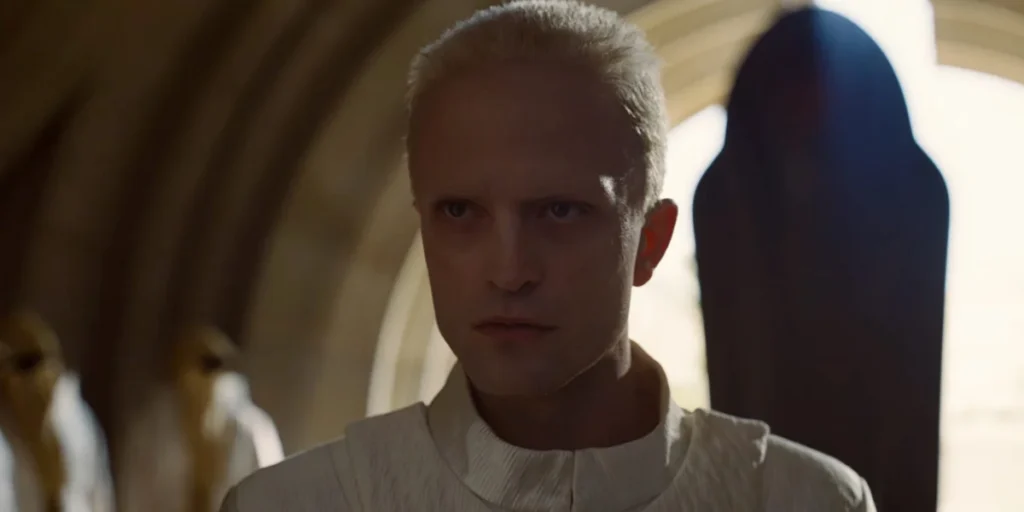
The Director’s Fortnight, a prestigious sidebar at the Cannes Film Festival renowned for championing independent and avant-garde cinema, has once again underscored its commitment to groundbreaking animation with the selection of Kohei Kadowaki’s feature directorial debut, "We Are Aliens." This 117-minute animated drama, starring Ryota Bando and Amane Okayama, has emerged as a compelling entry in the festival’s animation lineup, offering a profound and introspective narrative that delves into the enduring impact of a singular act of betrayal in a small Japanese town. The film’s journey from an unknown music video director’s vision to a Cannes premiere highlights the evolving landscape of animated storytelling and the increasing recognition of animation as a medium capable of tackling complex adult themes.
A New Voice in Animation: Kadowaki’s Fortnight Debut
The inclusion of "We Are Aliens" within the Director’s Fortnight program signifies a deliberate expansion and enhancement of the sidebar’s animation offerings, a trend notably influenced by the consultancy of Alex Dudok de Wit since 2024. Under this new direction, the Fortnight has actively sought to introduce a diverse array of animation talent to a global audience. Previous selections have showcased the work of acclaimed artists such as Cristóbal León, Joaquín Cociña, Kōji Yamamura, Félix Dufour-Laperrière, Alex Boya, Elizabeth Hobbs, and Honami Yano. This strategic programming not only provides a vital platform for established animation innovators but also cultivates a fertile ground for emerging filmmakers like Kadowaki, whose prior experience was primarily limited to music videos.
Kadowaki’s emergence at this year’s Fortnight as a directorial force is particularly noteworthy. Unlike established auteurs whose animation ventures might be anticipated, Kadowaki enters the international film scene as a relative unknown, making the critical reception of "We Are Aliens" all the more significant. The film’s success in standing out among the three animated features selected for the Fortnight suggests a compelling artistic vision that resonates with the festival’s ethos of celebrating originality and artistic daring. While the prospect of an animated film from a director known for surreal, genre-bending live-action might have generated buzz, Kadowaki’s distinct background offers a different, yet equally intriguing, pathway into the animated realm.
The Narrative Core: A Betrayal’s Lingering Shadow
At its heart, "We Are Aliens" is a coming-of-age story, but one that eschews simplistic tropes for a more nuanced exploration of friendship, guilt, and the corrosive nature of regret. The narrative centers on an ordinary boy in a small Japanese town whose seemingly minor act of betrayal—prompted by a provocative, perhaps imagined, confession from a friend: "Hey—what if I told you I am an alien?"—unleashes a chain of events that he will spend a lifetime attempting to erase from his memory. This initial premise, steeped in the ambiguity of youthful perception and the weight of unspoken secrets, sets the stage for a deeply personal and ultimately devastating journey.
The film’s strength lies in its unflinching examination of culpability and complacency, posing profound existential questions about the consequences of our actions and inactions. The friendship between the two schoolboys, initially depicted as rambunctious and pure, begins to unravel under the pressures of social performance and the subtle machinations of adolescent dynamics. This deterioration is not presented as a sudden rupture but as a gradual erosion, a testament to the film’s mature handling of complex emotional landscapes.
A Dual Perspective: Structure and Storytelling
Kohei Kadowaki masterfully structures "We Are Aliens" into two distinct halves, each offering a unique perspective on the unfolding tragedy. This division allows for a comprehensive character study, tracing the divergent paths the young men take as their lives are irrevocably shaped by that pivotal moment. The narrative culminates in a mutually destructive climax, a powerful visual and emotional resolution that brings these separate threads together, highlighting the interconnectedness of their fates.
The film’s pacing is remarkably brisk, driven by an impressive rhythmic montage that effectively accelerates the narrative without sacrificing depth. Kadowaki demonstrates a keen ability to introduce multiple narrative threads and character arcs without overwhelming the viewer with exposition. The transition from childhood to adulthood is seamless, allowing the audience to witness the characters’ evolution organically. This efficient storytelling is further amplified by Kadowaki’s skillful use of match-cutting, a deliberate editorial technique that reinforces the film’s central themes. By juxtaposing actions and imagery across different time periods, the film visually links the characters’ dissociative memories with their present-day realities. This simple yet profound cinematic device serves as a constant reminder that the choices and experiences of youth are inextricably bound to the consequences faced in adulthood.
Visual Language: Rotoscoping and Its Uncanny Effect
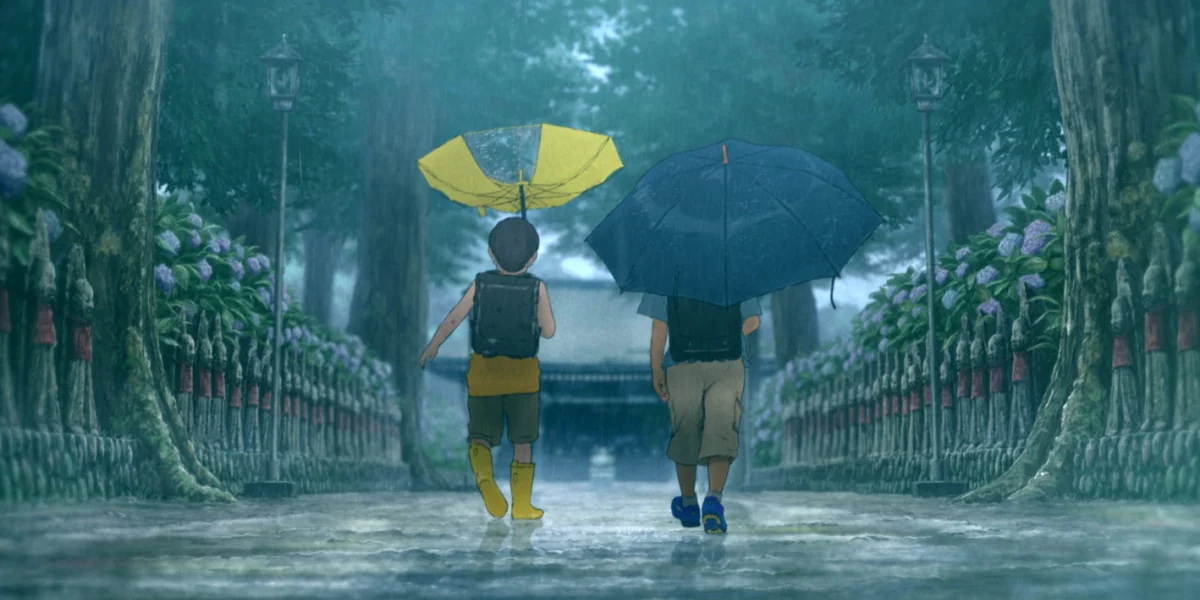
The animation technique employed in "We Are Aliens" is rotoscoping, a method that involves tracing over live-action footage frame by frame to create a fluid, often photorealistic, aesthetic. This choice imbues the film’s world with a vibrant, almost hyperreal quality. The character designs, in particular, bear an uncanny resemblance to reality, and their movements meticulously emulate the mechanics of live-action cinema.
This inherent "uncanniness" of rotoscoping proves most effective when capturing the heightened imagination of the adolescent protagonists. Their internal struggles, their hallucinatory fears, and their distorted perceptions are vividly personified through brief, dreamlike detours from reality. In these moments, Kadowaki cleverly disrupts the otherwise consistent visual style, allowing the manic aggression of his characters to manifest in less detailed and refined animation. These sudden aesthetic shifts serve as a visceral representation of the characters’ erratic impulses, immersing the audience in their emotional turmoil. However, the review notes that these kinetic bursts are relatively infrequent, with the film largely adhering to its established, albeit "unattractive," design. This stylistic consistency, while contributing to a cohesive visual world, may limit the full potential of the animation to convey the characters’ internal states in its more turbulent moments.
Environmental Storytelling and Atmospheric Depth
Despite potential critiques of its character design, "We Are Aliens" is elevated by Kohei Kadowaki’s evocative and intoxicating landscapes. The director demonstrates a profound sensitivity to atmospheric world-building, finding subtle nuances within the environmental settings that mirror the characters’ internal states. The gentle flow of water, the ferocity of rainfall—these elements are not mere background details but active participants in the narrative, directly correlating with the characters’ emotional trajectories.
This environmental storytelling is particularly impactful during the film’s transitions into urban spaces. Kadowaki clearly intends for the viewer to experience the abrupt shift that the boys face as they are compelled to enter the adult world, a world that often feels less forgiving and more demanding than the familiar confines of their youth. The contrast between the natural world and the encroaching urban environment serves as a powerful visual metaphor for the characters’ loss of innocence and their confrontation with harsh realities.
A Decade-Spanning Plea for Compassion
In its concluding moments, "We Are Aliens" delivers a poignant message about the relentless march of time and the inevitability of life’s progression, regardless of personal desires. The film manages to sustain audience engagement throughout its runtime without resorting to predictable plot devices or tiresome tropes. Its fresh narrative structure, coupled with its mature thematic exploration, ensures that the tragedy’s outcome is both compelling and thought-provoking.
While the film’s character designs and the application of its animation technique may present areas for refinement, the captivating story and its underlying message are likely to resonate deeply with both anime enthusiasts and film scholars. "We Are Aliens" distinguishes itself by avoiding miserablist tendencies, opting instead to elicit emotional resonance through empathy and understanding. Kohei Kadowaki’s debut feature is, in essence, a decade-spanning plea for compassion, a powerful testament to the enduring weight of youthful choices and the profound human need for forgiveness, both for oneself and for others. The film’s selection for the Director’s Fortnight, a program that consistently seeks out films that push the boundaries of cinematic expression, solidifies its position as a significant and noteworthy addition to the international animation canon. Its success at Cannes could pave the way for greater recognition of Kadowaki’s unique talent and for more nuanced, character-driven animated narratives to find their audience on the global stage.