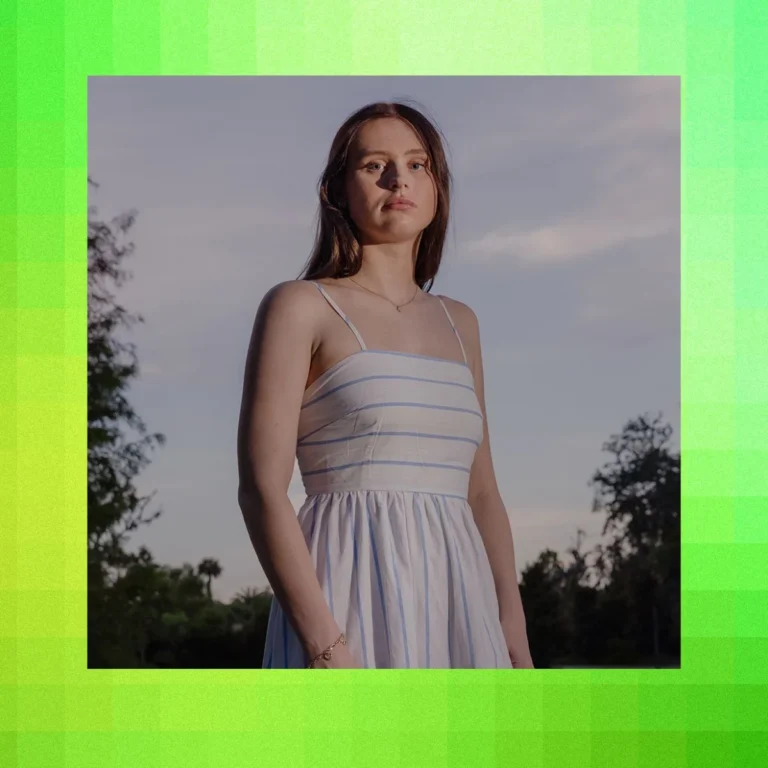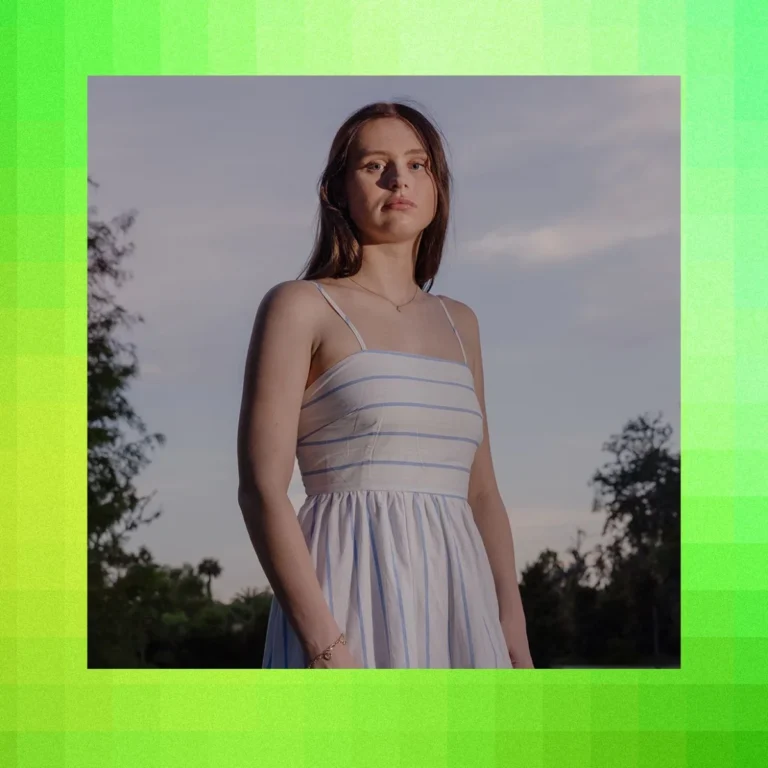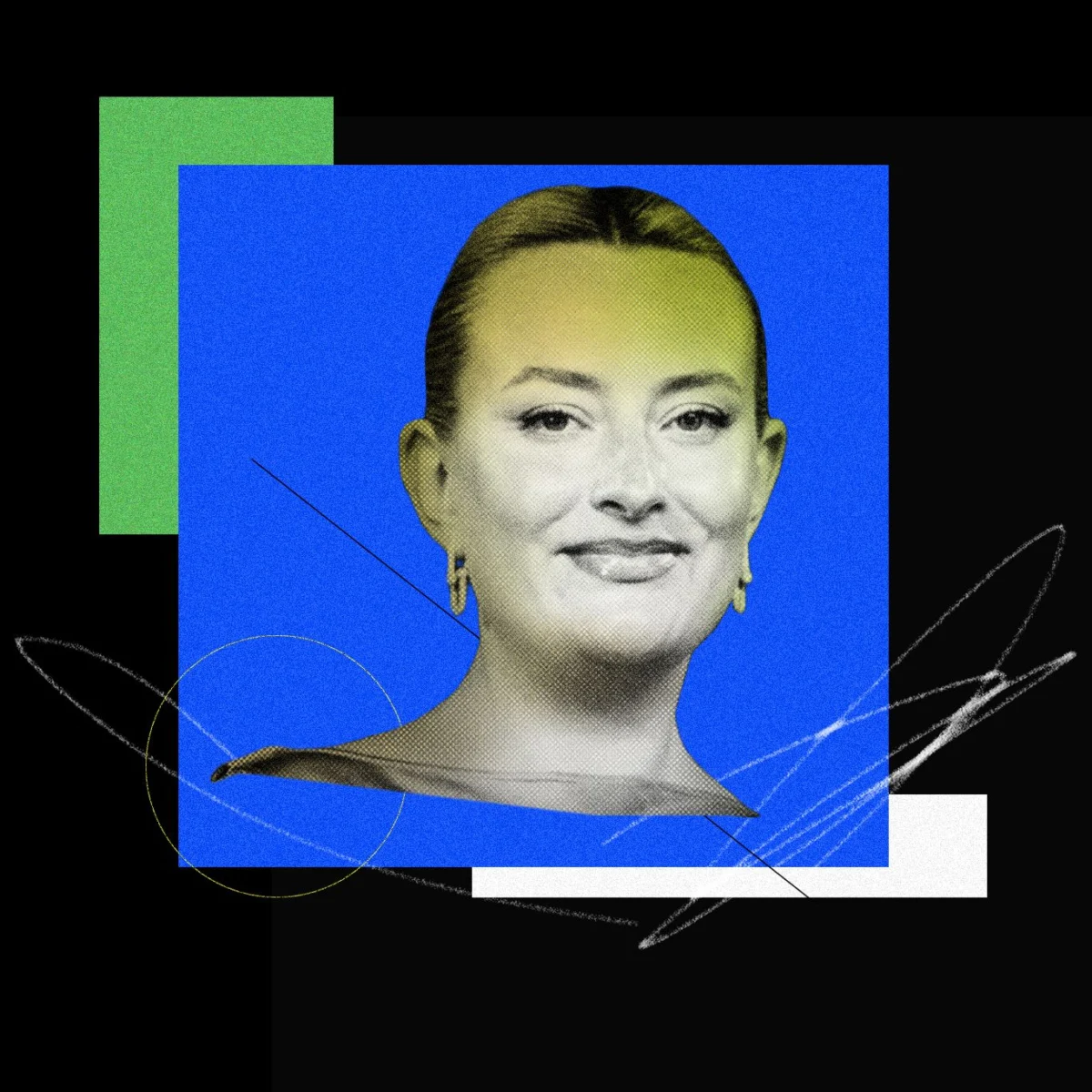
Amelia Dimoldenberg, the director, host, and creative architect behind the YouTube sensation Chicken Shop Date, is redefining the boundaries between digital content creation and traditional entertainment through a combination of meticulous preparation, intellectual property ownership, and a strategic understanding of audience behavior. Known for a deadpan, often awkward on-camera persona that suggests a lack of interest, Dimoldenberg in reality operates as a high-functioning executive who maintains total control over her brand’s ecosystem. Her journey from a youth club column in London to a red-carpet fixture at the Academy Awards serves as a blueprint for the modern "creator-entrepreneur," a segment of the workforce now driving a global creator economy valued at approximately $250 billion.
The Strategic Foundation of Chicken Shop Date
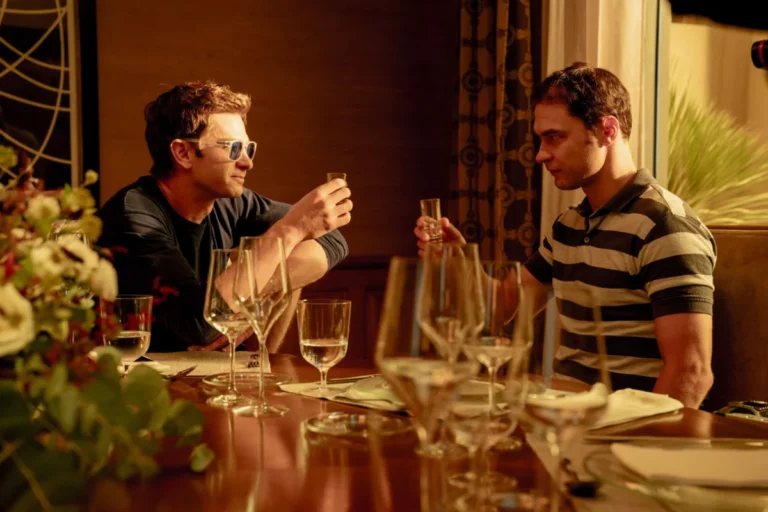
The origins of Dimoldenberg’s career highlight a shift in how media is produced and consumed by younger demographics. Chicken Shop Date began in 2011 as a written column for The Cut, a youth-led publication in London. By the time Dimoldenberg enrolled at Central Saint Martins to study fashion journalism, she recognized the potential for a video format. The early episodes were produced on a negligible budget, often filmed in active fast-food outlets where production would frequently pause for customers to place orders.
A pivotal moment in Dimoldenberg’s career occurred when she faced the choice of selling the rights to her show. Early in the production of Chicken Shop Date, media companies and record labels offered to fund the series in exchange for total ownership of the intellectual property (IP). One offer reportedly valued the permanent copyright of the show at just £500. Dimoldenberg, acting on instinct and the advice of her first manager, refused the deal. This decision allowed her to maintain 100% ownership of the IP, a rarity in an industry where production companies typically retain rights. Today, the show is self-funded through Google AdSense revenue and high-value brand partnerships, ensuring that Dimoldenberg remains the ultimate decision-maker regarding her content and its distribution.
Redefining the Red Carpet: The Academy Awards and Creator Journalism
Dimoldenberg’s influence has extended into the most traditional echelons of Hollywood. For three consecutive years, she has served as the Academy of Motion Picture Arts and Sciences’ Social Media Ambassador and Red Carpet Correspondent. This role is part of a broader effort by the Academy to modernize the Oscars and engage a younger audience that primarily consumes media via TikTok, Instagram, and YouTube.
The transition from "nontraditional talent" to a recognized red-carpet journalist underscores a blurring of lines between entertainment and journalism. While Dimoldenberg holds a degree in journalism, she identifies primarily as an entertainer. Her approach to high-stakes environments like the Oscars involves an exhaustive two-month research process. Alongside her sister, Zoe, and a writing partner, she prepares bespoke, nuanced questions for every nominee. This level of preparation is designed to "disarm" celebrities, moving beyond standard junket questions to create "viral moments" that resonate across social platforms.
The Academy’s decision to integrate creators like Dimoldenberg is supported by data showing a shift in viewership habits. As traditional television ratings for awards shows have fluctuated, social media engagement has become the primary metric for cultural relevance. By 2029, the Oscars are slated to air on YouTube, a move that Dimoldenberg suggests is a necessary acknowledgment of the platform’s democratic reach and the changing habits of Gen Z and Millennial audiences.
The Economics of the Creator Industry
The "creator economy" is no longer a niche segment of the internet; it is a significant pillar of the global media landscape. With an estimated valuation of a quarter-trillion dollars, the industry is driven by individuals who act as their own production houses, marketing departments, and talent agencies. Dimoldenberg’s success is rooted in her refusal to migrate her core product, Chicken Shop Date, to traditional streaming services or television networks, despite lucrative offers.
Her rationale is based on audience psychology and platform loyalty. She notes that for digital-native audiences, the friction of moving from a free, accessible platform like YouTube to a paid streamer like Netflix is often enough to deter viewership. "The audience will be like, ‘why is it on another platform?’" she observed during a recent interview at WIRED’s New York studio. This philosophy emphasizes the importance of the "ecosystem" in which content lives. While she is developing separate scripted projects for traditional outlets like the BBC and Amazon MGM, she views YouTube as the permanent home for the Chicken Shop Date brand.
Ownership and Intellectual Property as a Power Move
The retention of IP is the cornerstone of Dimoldenberg’s business model. In the traditional media world, talent often trades ownership for the security of a high-production budget. Dimoldenberg’s path—funding episodes through digital ad revenue—allows her to bypass the "gatekeepers" of the industry. This autonomy enables a ruthless editing process where she distills 40 to 60 minutes of raw footage into a dense, eight-minute episode. This "clip-ready" format is natively suited for the algorithms of TikTok and Instagram Reels, which serve as the primary discovery engines for her long-form YouTube content.
Furthermore, Dimoldenberg’s business interests have expanded into education and mentorship through the Dimz Inc. Academy. This initiative provides a four-week summer program for young people from diverse backgrounds to learn the creative and business aspects of content production. By teaching the next generation how to ideate, shoot, and market their own formats, Dimoldenberg is institutionalizing the "creator-entrepreneur" model that she helped pioneer.
The Generational Shift: "The Changing of the Guard"
A recurring theme in Dimoldenberg’s analysis of the media industry is the "changing of the guard." She posits that the lack of institutional respect for digital creators stems from a generational divide among those in positions of power. "There’s a lot of people in positions of power that grew up watching television, and that is kind of the be-all and end-all of what they deem to be legitimate," she stated. She predicts that as younger, digital-native professionals move into executive roles, the distinction between "online content" and "traditional media" will eventually vanish.
However, Dimoldenberg does not believe that social media will entirely replace traditional formats. Instead, she argues that they serve different purposes. While TikTok is for immediate, short-form engagement, movies and scripted series remain the gold standard for long-form storytelling. This is evidenced by her own career trajectory, which now includes a romantic comedy in development with Amazon MGM and Ryan Pictures, in which she will play a version of herself.
Future Implications and Industry Impact
The success of Amelia Dimoldenberg signals a broader transformation in how celebrity is manufactured and maintained. Unlike traditional stars who rely on PR machines and studio backing, Dimoldenberg has built a direct-to-consumer relationship that she owns and controls. This shift has significant implications for the entertainment industry:
- Talent Autonomy: Creators are increasingly prioritizing IP ownership over upfront payments, leading to a new class of wealthy, independent producers.
- Platform-Specific Content: The refusal to move successful YouTube shows to streamers suggests that "platform loyalty" is a powerful force that traditional networks must contend with.
- The Rise of the "Multi-Hyphenate": The modern creator must be a director, editor, social media strategist, and business executive simultaneously. Dimoldenberg’s "obsessive" preparation and involvement in the edit of every episode reflect this necessity.
- Awards Evolution: As creators seek eligibility for Emmys and other major awards, traditional institutions are being forced to create new categories or amend bylaws to include digital-first content.
Dimoldenberg’s transition from a niche internet personality to a mainstream media mogul is nearly complete. With a BBC series and a major motion picture on the horizon, she is proving that the "creator" label is not a limitation but a foundation. Her career demonstrates that in the modern media landscape, the most valuable assets are not just a high follower count, but the ownership of one’s ideas and a deep, data-informed understanding of where the audience’s attention truly lies. As she continues to bridge the gap between the "chicken shop" and the red carpet, the rest of the industry is watching closely to see where the algorithm—and her ambition—will take her next.