

The cinematic landscape is often punctuated by narratives of individuals striving against overwhelming odds to achieve their aspirations. Rafiki Fariala’s directorial debut, "Congo Boy," emerges as a compelling addition to this tradition, offering a fresh perspective through its specific cultural nuances and a deeply human central character. The film, clocking in at a runtime of 95 minutes, delves into the life of Robert, a 17-year-old aspiring musician in Bangui, the capital of the Central African Republic, whose dreams are perpetually shadowed by the pervasive instability of civil war and profound personal hardship. This narrative feature, brought to life by a cast including Bradley Fiomona Dembeasset, Christy Djomanda Louba, and Pétruche Mbomba, explores the resilience of the human spirit when confronted with the necessity of survival and the enduring power of hope.
The Unfolding Narrative of Resilience in Bangui
At its core, "Congo Boy" chronicles the arduous journey of Robert, portrayed with remarkable depth by Bradley Fiomona Dembeasset. The film opens with Robert living as a refugee in Bangui, a city grappling with the persistent fallout of protracted conflict. His immediate reality is a complex web of responsibilities: he is the sole caretaker for his four younger siblings following the imprisonment of both his parents. This dire situation forces him to navigate a precarious existence, juggling the demands of daily life, the pursuit of education to pass his crucial school exams, and the faint but persistent echo of his musical ambitions. The backdrop of civil war is not merely a plot device but an omnipresent force, dictating the terms of survival and casting a long shadow over any semblance of normalcy.
Robert’s dual objectives—securing his parents’ release and continuing his education—are inextricably linked to financial means. This financial imperative, coupled with his innate talent, leads him to a pivotal opportunity: a chance to perform for an influential local music producer. This encounter proves to be a turning point, securing him a place in a talent competition that offers a substantial cash prize. However, the path to this competition is fraught with obstacles. The film meticulously illustrates the daily struggles Robert faces, underscoring the immense effort required to simply subsist before he can even contemplate pursuing his artistic endeavors. His unwavering determination, however, serves as a beacon, illuminating his capacity to overcome these formidable challenges.
A Central Figure of Unwavering Resolve
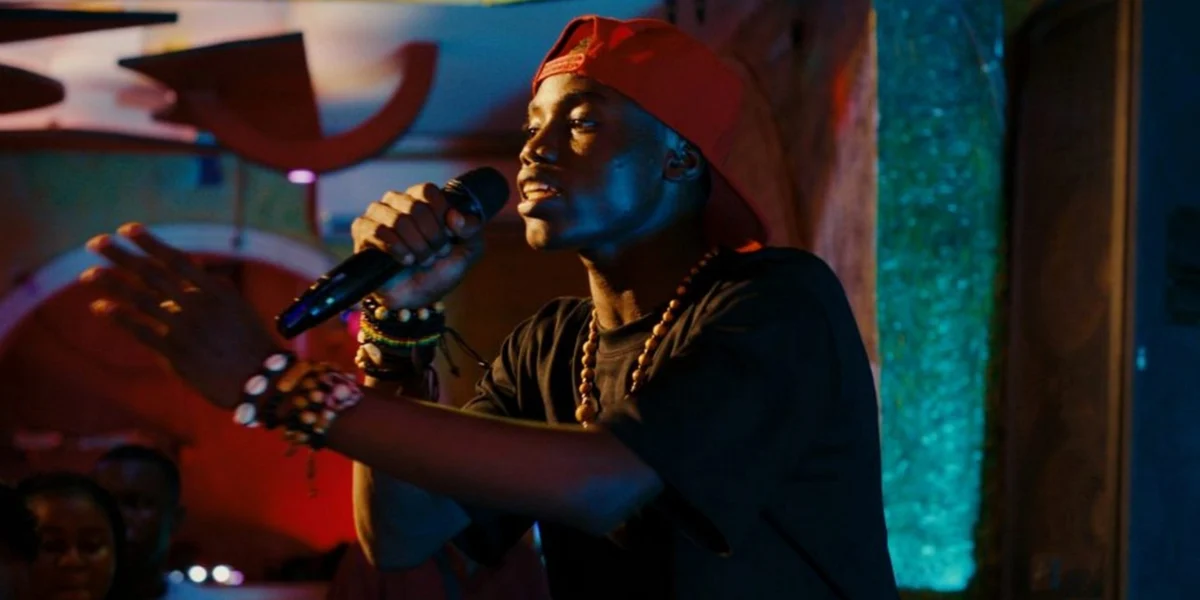
From its opening frames, "Congo Boy" firmly anchors its audience’s attention on Robert. The directorial choice to have the camera recede as Robert walks toward it, filling the screen, immediately establishes his significance within the narrative. Dembeasset’s performance is critical to the film’s success, imbuing Robert with a compelling blend of vulnerability and strength. The screenplay subjects him to a relentless series of adversities, yet Dembeasset avoids portraying him with a passive, victimized demeanor. Instead, he conveys a palpable sense of purpose and focus, transforming Robert into an inspirational figure within a world that often appears devoid of hope. His pursuit of musical stardom becomes a metaphor for broader aspirations of upward mobility and escape from destitution.
The social fabric depicted in "Congo Boy" is characterized by a pervasive sense of self-preservation, a "every-man-for-himself" mentality where transactional relationships often supersede genuine human connection. This environment, while specific to the film’s setting, resonates with broader observations about the challenges faced by individuals in societies marked by economic inequality and political instability. The constant barrage of misfortunes that befall Robert could, in less capable hands, lead to a narrative that feels overwhelming or gratuitous. However, director Rafiki Fariala navigates this delicate balance with skill, ensuring the film remains grounded in believability while acknowledging the sheer weight of Robert’s circumstances. The visual language of the film complements this narrative, with cinematography that employs vibrant lighting and strategic use of shadows to underscore the stark realities and the aspirational glimmers within Robert’s world.
The Healing and Transcendent Power of Music
Music is not merely a plot element in "Congo Boy"; it is the very lifeblood of the narrative, permeating every aspect of Robert’s existence. The film opens with the sound of singing, immediately establishing the profound importance of music to Robert and his community. Whether seeking solace, earning a meager income, or asserting his own sense of agency, Robert consistently turns to song. Music offers him a temporary respite from his immediate hardships and, more importantly, represents a tangible pathway toward a brighter future. The songs, all composed by director Rafiki Fariala himself, are characterized by their infectious energy and propulsive rhythms, effectively conveying Robert’s undeniable talent and the audience’s conviction in his potential.
Dembeasset’s vocal delivery is marked by an honest and unvarnished quality, amplified by dynamic musical arrangements and compelling beats. The audience’s visceral reaction at the film’s premiere at Cannes, where attendees were seen moving to the rhythm, attests to the universal appeal and power of Robert’s music. The climactic performance of his song, "Mama ti kondo," is particularly resonant, amplified by the dramatic context of its presentation, the intrinsic quality of the composition, and Dembeasset’s emotionally charged rendition. This musical culmination serves as a powerful testament to the film’s central theme: the ability of art to transcend adversity and offer a form of liberation.
Background and Context: The Central African Republic in Crisis
The setting of "Congo Boy" is deeply intertwined with the complex and often tragic history of the Central African Republic (CAR). The nation has endured decades of political instability, coups, and widespread violence, primarily stemming from ethnic and religious tensions, exacerbated by external interference and resource exploitation. Since gaining independence from France in 1960, the CAR has struggled to establish a stable democratic government.
The current period of civil war, which began in 2012, has been particularly devastating. Various armed groups, including the Seleka coalition and the anti-Balaka militias, have been involved in widespread atrocities, displacement, and humanitarian crises. The United Nations has maintained a peacekeeping mission, MINUSCA, since 2014, attempting to stabilize the country and protect civilians. However, the challenges remain immense.
Key Chronological Points:
- 2012: The conflict escalates with the rise of the Seleka rebel coalition, leading to the overthrow of President François Bozizé in 2013.
- 2013-2014: Widespread sectarian violence erupts between Seleka fighters and the predominantly Christian anti-Balaka militias, resulting in mass displacement and atrocities.
- 2014: The United Nations Security Council authorizes the establishment of MINUSCA.
- 2015-2016: Elections are held, bringing Faustin-Archange Touadéra to power, but violence continues in many regions.
- 2017-2018: Peace talks and a new peace agreement are signed, but implementation remains fragile.
- 2020-2021: A new wave of violence erupts following the disputed presidential elections, with rebel groups launching offensives.
The reality depicted in "Congo Boy"—a child soldier’s precarious existence, the imprisonment of parents likely due to the conflict, and the constant struggle for survival—is a direct reflection of the lived experiences of many Central Africans. The film’s portrayal of a refugee living in Bangui highlights the internal displacement caused by the conflict, as people flee violence in rural areas to seek relative safety in urban centers, only to face new forms of hardship and marginalization.
Supporting Data and Societal Implications
The United Nations Office for the Coordination of Humanitarian Affairs (OCHA) has consistently reported dire humanitarian conditions in the CAR. Millions of people require humanitarian assistance, with widespread food insecurity, lack of access to basic services like healthcare and education, and pervasive insecurity. According to OCHA reports, as of recent years, over 2 million people have been displaced internally or are refugees in neighboring countries. The imprisonment of parents, as depicted in the film, is a common consequence of the conflict, with arbitrary arrests and detentions occurring frequently amidst the widespread insecurity and breakdown of the rule of law.
The film’s depiction of a society where "money runs everything" and where individualism is paramount reflects the economic strain and the erosion of social capital caused by protracted conflict and underdevelopment. In such environments, informal economies often flourish, and corruption can become endemic as individuals seek to navigate or exploit the system for survival. The challenges Robert faces in accessing education and opportunities are amplified by the underfunded and often disrupted state of the education system in the CAR, which has been severely impacted by years of instability.
Analysis of Broader Impact
"Congo Boy" offers a powerful lens through which to understand the human cost of conflict beyond the headlines. It underscores the resilience of young people who are forced to assume adult responsibilities prematurely and the vital role of hope and aspiration in navigating such challenging circumstances. The film’s focus on music as a tool for empowerment and escape resonates with numerous initiatives worldwide that utilize arts and culture as mechanisms for psychosocial support and community building in post-conflict settings.
The narrative implicitly critiques systems that perpetuate cycles of poverty and violence, highlighting the need for sustainable peace, robust governance, and investment in human capital. By bringing Robert’s story to the screen, Rafiki Fariala contributes to a growing body of work that aims to give voice to marginalized communities and challenge Western-centric perspectives on global crises. The film’s success in international festivals suggests an appetite for authentic storytelling that transcends geographical and cultural boundaries, fostering empathy and understanding.
The implications of Robert’s journey extend beyond his personal triumph. His success, however precarious, serves as a symbol of what is possible when talent is nurtured and when individuals are given the opportunity to pursue their dreams, even in the most unforgiving environments. The film is a potent reminder that behind every statistic and every geopolitical analysis, there are individual lives, hopes, and stories waiting to be told. It champions the notion that even amidst the ravages of war, the human spirit’s capacity for creativity, love, and perseverance remains an indomitable force. "Congo Boy" is more than just a film; it is a testament to the enduring power of human aspiration and the vital necessity of keeping one’s dreams in focus, irrespective of the formidable challenges that may lie in one’s path.