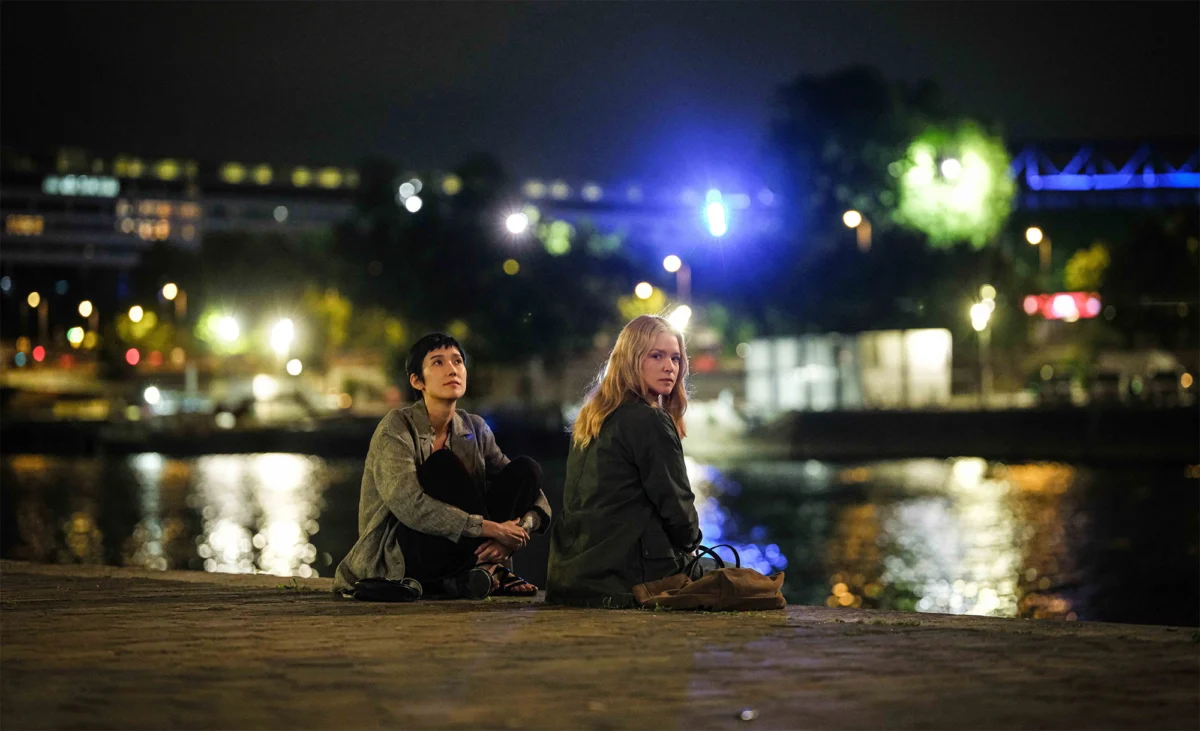
Ryûsuke Hamaguchi’s latest cinematic offering, All of a Sudden, premiered to an overwhelmingly enthusiastic reception at the 2026 Cannes Film Festival, immediately establishing itself as a potential landmark in contemporary cinema. The film, also known by its French title Soudain or simply Suddenly, has been widely lauded by critics as a profound and deeply humanistic exploration of societal structures, personal connection, and the essence of compassion. Emerging from its afternoon screening on May 15, 2026, initial critical consensus points towards a work of exceptional depth and artistry, with many reviewers already labeling it a bona fide masterpiece. This marks a significant moment for the acclaimed Japanese director, as he ventures beyond his customary Japanese settings to deliver what is being described as his most ambitious and emotionally resonant narrative to date, primarily filmed against the backdrop of Paris.
The Director’s Evolving Vision: Ryûsuke Hamaguchi’s Trajectory
Ryûsuke Hamaguchi has steadily built a reputation as one of the most compelling voices in international cinema. His previous works, such as Drive My Car (2021), which earned him the Best Screenplay award at Cannes and later the Academy Award for Best International Feature Film, and Evil Does Not Exist (2024), which garnered critical praise for its subtle environmental commentary, have showcased his distinctive narrative style characterized by intricate dialogue, profound emotional intelligence, and a meticulous approach to character development. Hamaguchi’s films often delve into the complexities of human relationships, communication breakdowns, and the search for meaning in an increasingly fragmented world.
All of a Sudden represents a notable departure in terms of its primary geographical setting. While Hamaguchi has previously explored universal themes, anchoring this new narrative predominantly in Paris signals a conscious expansion of his artistic canvas. This decision, according to industry analysts, allows Hamaguchi to examine his recurring themes through a different cultural lens, potentially broadening the film’s appeal and enhancing its universal resonance. The shift in setting also provides a fresh visual aesthetic, moving from the often stark or contemplative Japanese landscapes to the vibrant, historically rich urban tapestry of the French capital, expertly captured by cinematographer Alan Guichaoua.
Narrative Core: "All of a Sudden" Unveiled
Co-written by Hamaguchi and Léa Le Dimna, All of a Sudden draws inspiration from Makiko Miyano and Maho Isono’s book, You and I – The Illness Suddenly Get Worse. The film centers on the serendipitous connection between two women in Paris whose lives become intricately entwined. Virginie Efira portrays Marie-Lou, the dedicated and innovative manager of "The Garden of Freedom," an elderly care facility. Marie-Lou is deeply committed to implementing a philosophy known as "Humanitude" within the facility. This approach, while requiring additional time and resources, focuses on profoundly humanizing the residents, recognizing their individual identities and needs beyond basic nursing routines. It seeks to foster a sense of dignity and personal agency for those in their twilight years.
The narrative introduces Mari, played by Tao Okamoto, a Japanese theater director working in Paris. Mari faces a grave health challenge: a recurring cancer that could "suddenly" – a clear nod to the film’s title – worsen at any moment. The encounter between Marie-Lou and Mari forms the emotional and intellectual backbone of the film. Their interactions primarily unfold through extended, philosophical conversations that span a wide array of topics, from the existential realities of life and death to incisive critiques of modern societal structures, particularly capitalism. These dialogues, noted for their intellectual rigor and emotional authenticity, form the core of the film’s immersive experience, captivating audiences for its entire 3-hour and 20-minute runtime.
Philosophical Underpinnings and Societal Critique
While the immediate context of All of a Sudden revolves around elderly care and the operational challenges within a hospice facility, the film’s ambitions extend far beyond this specific domain. Hamaguchi leverages the microcosm of "The Garden of Freedom" and its daily struggles – budgetary constraints, staffing issues, and safety risks – as a potent metaphor for broader societal dysfunctions. The film meticulously unpacks what it posits as fundamental flaws within contemporary capitalism and its impact on human connection and well-being.
The director uses the intimate setting to pose profound questions about the state of humanity, suggesting that modern society is struggling to function correctly and is in urgent need of evolution. The philosophical examinations are not merely academic; they are deeply embedded within the characters’ experiences and decisions. Ultimately, the film argues that beneath the layers of societal issues and personal anxieties, life itself is inherently grand, beautiful, and magical. It challenges the conventional approach to end-of-life care, advocating not just for preparing for death, but for ensuring that individuals live the most fulfilling, dignified, and joyful lives possible until their very last moments. This perspective has been hailed as profoundly moving, humbling, and a powerful call for a re-evaluation of human values.
The Art of Cinematic Storytelling: Craft and Performance
Hamaguchi’s directorial prowess is evident in the film’s deliberate pacing and visual elegance. Despite its significant runtime of 200 minutes, the film is structured to allow conversations to unfold organically and scenes to breathe, drawing the audience into the characters’ intellectual and emotional worlds. Alan Guichaoua’s cinematography is consistently praised for its vivid and lush aesthetic, transforming everyday settings into visually rich tableaux. From the nuanced interplay of sunset colors to the evocative lights of Paris, every shot is crafted to convey a sense of life and vibrancy, even when addressing somber themes.

The performances in All of a Sudden are central to its impact. Virginie Efira, in particular, delivers a performance that critics describe as career-defining. Her portrayal of Marie-Lou is imbued with dedication, vulnerability, and a remarkable linguistic achievement: Efira reportedly learned and fluently speaks complex Japanese dialogue throughout the film, a feat that has left audiences and critics astonished. Tao Okamoto brings a quiet strength and philosophical depth to Mari, creating a compelling counterpoint to Efira’s intensity. The ensemble cast also features standout performances, including the legendary Kyôzô Nagatsuka as the elderly Japanese actor Goro, whose warmth and distinctive presence are noted as particularly unforgettable. Each character, even those in supporting roles, is presented with a depth and individuality that contribute to the film’s overarching message of celebrating the unique essence of every human being. The film’s meticulously crafted narrative allows for significant character growth and evolution, with layers of meaning embedded in every scene and interaction.
Cannes Context and Hamaguchi’s Festival History
The Cannes Film Festival, established in 1946, remains one of the most prestigious and influential cinematic events globally. Held annually in Cannes, France, it serves as a crucial platform for launching new films, celebrating directorial talent, and setting the tone for the international film calendar. The festival’s main competition, vying for the coveted Palme d’Or, is a fiercely contested arena for the world’s most acclaimed filmmakers.
Ryûsuke Hamaguchi is no stranger to the Croisette. His previous triumphs, particularly with Drive My Car in 2021, solidified his standing as a major auteur. Evil Does Not Exist, which premiered in 2024, further cemented his reputation for thought-provoking narratives. His return to Cannes with All of a Sudden was therefore highly anticipated, and the overwhelmingly positive reception suggests that he has not only met but exceeded expectations. The festival’s programming committee, known for its discerning taste, clearly recognized the profound artistic merit of Hamaguchi’s latest work by selecting it for the main competition. The festival’s atmosphere on May 15, 2026, was palpable with excitement following the screening, underscoring the immediate impact the film had on attendees.
Critical Acclaim and Industry Buzz
The initial wave of critical reviews for All of a Sudden has been resoundingly positive. Critics have praised Hamaguchi for his audacious thematic scope, his ability to weave complex philosophical inquiries into a deeply personal narrative, and his masterful command of pacing and dialogue. Many reviewers highlighted the film’s unique ability to provoke intellectual thought while simultaneously eliciting profound emotional responses. The film received a prolonged standing ovation at its premiere, with many in the audience visibly moved.
Early whispers from industry insiders and critics alike already position All of a Sudden as a frontrunner for the Palme d’Or, and potentially other major awards at the festival, including Best Director and Best Screenplay. The performances, particularly those of Efira, Okamoto, and Nagatsuka, are garnering significant buzz for potential acting accolades. Beyond awards, the film is expected to generate extensive discussion in academic and cultural circles due to its rich thematic content and its bold critique of modern society. Its release is anticipated to be a major event on the international cinematic calendar later in 2026.
Themes of Compassion, Evolution, and Hope
One of the most striking aspects of All of a Sudden is its tender yet unflinching depiction of human evolution. Hamaguchi courageously illustrates that genuine progress often necessitates risk and vulnerability. The film suggests that societal and personal transformation might involve setbacks and difficulties, but these are integral to the process of change. This concept, presented with remarkable tenderness and concern, has been singled out as a particularly powerful and rarely explored cinematic theme.
The film distinguishes itself by not merely diagnosing societal ills but by offering a genuine artistic vision of what is possible. It argues forcefully that art, rather than being a direct mechanism of change, serves as a crucial catalyst. Through the medium of theater and the artistic process, combined with a profound emphasis on compassion and authentic human connection, the film demonstrates the path towards growth. It is this message of inherent hope – a hope rooted in individual compassion and the collective desire to connect and care – that resonates most deeply with audiences. The film posits that by acknowledging and nurturing the unique soul of each individual, humanity can transcend its current limitations and foster a more empathetic and connected world. The narrative culminates in a powerful affirmation of life’s beauty and the imperative to live freely, connect deeply, and love unconditionally, inspiring audiences to believe in the tangible possibility of a better future.
Broader Implications and Award Prospects
The premiere of All of a Sudden at Cannes 2026 marks a pivotal moment for Ryûsuke Hamaguchi and for global cinema. The film’s ambitious scope and universal themes are likely to spark widespread debate and critical analysis for years to come. Its exploration of "Humanitude" and its critique of capitalism offer timely insights into contemporary challenges, potentially influencing discussions beyond the realm of film.
Given the overwhelming critical reception, All of a Sudden is undeniably a strong contender for the Palme d’Or, the highest honor at Cannes. Its blend of intellectual depth, emotional resonance, and masterful storytelling aligns well with the festival’s history of recognizing films that push artistic boundaries and offer profound insights into the human condition. Should it receive such recognition, it would further solidify Hamaguchi’s position as one of the most important directors of his generation, likely paving the way for wider international distribution and significant award consideration throughout the upcoming awards season. The film’s impact is expected to extend beyond critical acclaim, inspiring audiences globally to reflect on their own lives, their connections to others, and the collective responsibility to foster a more compassionate and humane society.