


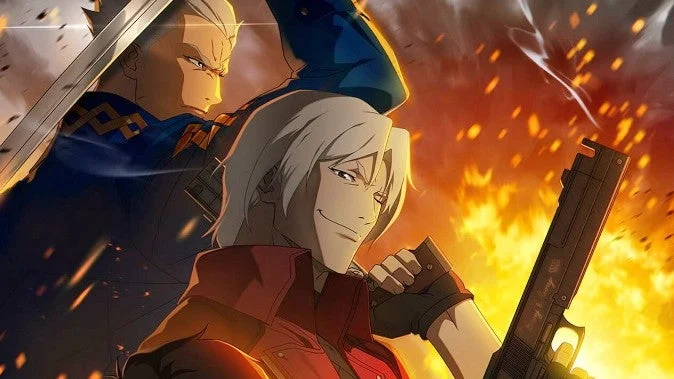
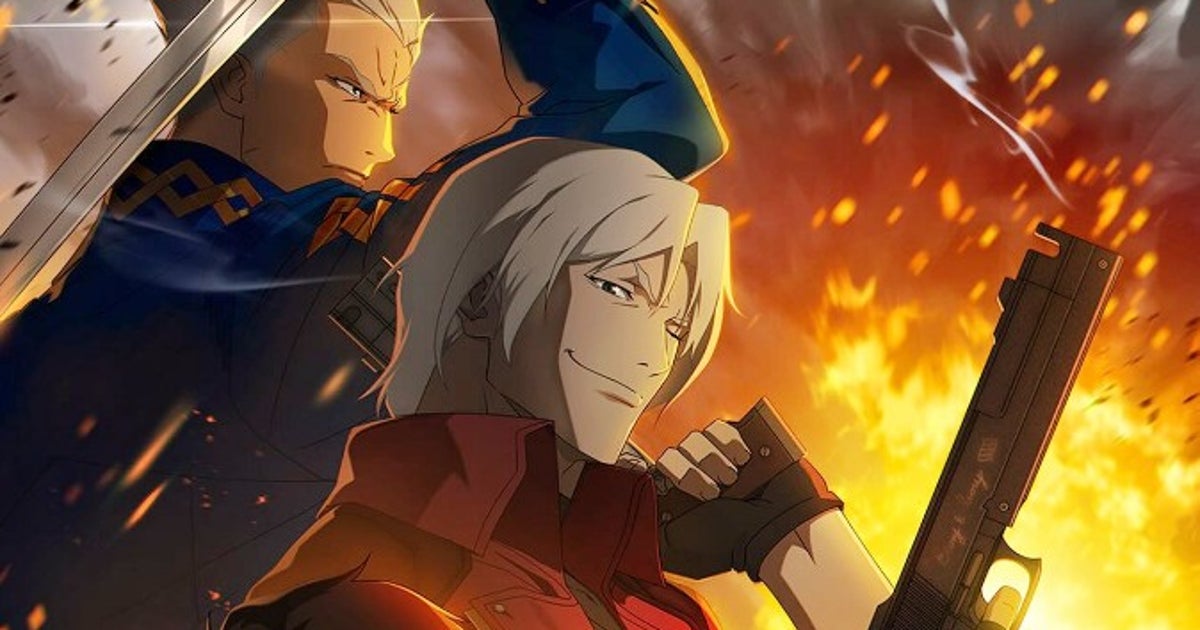
Netflix’s consumer products division has officially retracted a piece of licensed apparel from its online storefront following a wave of criticism from the Devil May Cry community regarding a significant typographical error. The item in question, a graphic t-shirt intended to celebrate the release of the second season of the Devil May Cry animated series, featured the franchise’s primary protagonist, Dante, alongside his twin brother and career rival, Vergil. However, the garment prominently displayed the brother’s name as "Virgil," a spelling that, while historically accurate to the Roman poet who inspired the character, is considered a factual error within the context of Capcom’s video game universe.
The removal of the merchandise occurred shortly after the t-shirt was listed on the official Netflix Shop. The speed with which the item was delisted suggests an internal acknowledgment of the oversight, which has since become a focal point for fans who remain skeptical of the streaming giant’s handling of the intellectual property. This incident highlights the delicate balance required when adapting long-standing video game franchises for television, where even minor aesthetic or textual discrepancies can be interpreted by enthusiasts as a lack of fundamental understanding of the source material.
The Context of the Character: Vergil vs. Virgil
To understand the intensity of the fan reaction, one must look at the history of the character within Capcom’s "stylish action" series. Since his debut in the original 2001 Devil May Cry (initially appearing as the masked Nelo Angelo) and his subsequent fleshing out in 2005’s Devil May Cry 3: Dante’s Awakening, the character has been exclusively and consistently referred to as "Vergil."
While the series draws heavy thematic and nomenclature inspiration from Dante Alighieri’s Divine Comedy, Capcom intentionally utilized the "e" spelling to distinguish its silver-haired, katana-wielding antagonist from the classical poet. In the gaming community, the spelling "Vergil" is more than a name; it is a brand identifier for one of the most popular anti-heroes in digital media. For many fans, seeing the name spelled "Virgil" on official merchandise is an immediate "red flag," signaling that the designers or the licensing approvers may not be intimately familiar with the twenty-year history of the franchise.
Timeline of the Netflix Adaptation
The journey of Devil May Cry on Netflix has been a lengthy one, marked by high expectations and periods of silence. The project was first announced in 2018 by executive producer Adi Shankar, who previously saw immense success with the Castlevania animated series. Shankar described the project as part of his "Bootleg Multiverse," promising a high-octane, faithful rendition of Dante’s demon-hunting exploits.
The first season of the animated series finally arrived on the platform in April 2024. Produced by Studio Mir—the South Korean animation powerhouse behind The Legend of Korra and Voltron: Legendary Defender—the show was met with a divided reception. While critics, including those at Eurogamer, praised the series for its fluid animation and blockbuster action sequences, awarding it four stars, a vocal segment of the core gaming fanbase expressed concerns. These viewers argued that the characterizations felt inconsistent with the games and that certain narrative liberties undermined the established lore.
Despite these internal community debates, the show was a statistical success for Netflix. Just one week after its debut, the streaming service greenlit a second season, citing strong viewership numbers and a high completion rate among subscribers. The second season has recently premiered, and it was the promotional push for these new episodes that led to the release—and subsequent withdrawal—of the controversial t-shirt.
The Mechanics of Official Merchandising and Quality Control
The error on the Netflix t-shirt raises questions regarding the quality control pipeline for licensed video game merchandise. Typically, the process involves several layers of approval. A design is usually drafted by a third-party vendor or an in-house creative team at Netflix, which must then be approved by both the streaming platform’s licensing department and the original rights holder—in this case, Capcom.
Industry analysts suggest that such errors often occur when designers rely on autocorrect features or general internet searches rather than specific style guides provided by the IP owner. In the case of "Vergil," a standard English spell-checker will almost always suggest "Virgil," leading to a common pitfall for those not deeply embedded in the fandom. The fact that the shirt reached the point of public sale indicates a lapse in the multi-stage vetting process that usually governs high-profile collaborations between tech giants and legendary game developers.

Fan Reaction and Social Media Discourse
The discovery of the misspelling was quickly amplified across social media platforms like X (formerly Twitter) and Reddit. Fans pointed to the error as symptomatic of a broader disconnect. User @vergildearest, a prominent voice in the Devil May Cry online community, expressed disbelief that such a basic fact could be overlooked on an official product. Other users, such as @ShinEyeZehUhh, noted that the error "summed up" their frustrations with the adaptation, viewing the misspelling as a metaphor for the show’s perceived lack of attention to detail.
This reaction is not isolated to Devil May Cry. The "gamer" demographic is known for its meticulous attention to lore and aesthetics. Similar controversies have erupted in the past when official merchandise for franchises like The Legend of Zelda or Halo featured incorrect terminology or mirrored assets. In the digital age, where fanbases are highly organized and vocal, these "merch fails" can rapidly evolve from minor gaffes into PR challenges that overshadow the content they were meant to promote.
Broader Implications for Video Game Adaptations
The Devil May Cry incident occurs at a time when Netflix is heavily investing in video game IPs to bolster its animation catalog. With successful runs of Arcane (League of Legends), Cyberpunk: Edgerunners, and Tomb Raider: The Legend of Lara Croft, the platform has positioned itself as the premier destination for gamers looking for prestige television.
However, the success of these adaptations relies heavily on "fan service"—the inclusion of small, accurate details that signal to the audience that the creators respect the source material. When a platform fails at a task as simple as spelling a main character’s name correctly on a t-shirt, it risks alienating the "tastemakers" of that community. For Netflix, the challenge is maintaining the scale of their production while ensuring that the niche details that define these franchises are not lost in the corporate machinery.
Critical Standing vs. Community Sentiment
The discrepancy between the critical reception of the Devil May Cry series and the fan reaction to the merchandise highlights a growing trend in media consumption. Professional critics often evaluate a series based on its narrative structure, animation quality, and pacing—areas where the Netflix series has been largely lauded. Season one was described as giving Dante his "blockbuster action hero moment," successfully translating the kinetic energy of the games into a serialized format.

Conversely, "hardcore" fans often judge an adaptation based on its adherence to established canon and character "vibe." For this group, the misspelling of Vergil’s name is not just a typo; it is evidence that the production may be prioritizing general audience appeal over the specificities that made the games a cult classic. As Netflix moves forward with more seasons and potentially more merchandise, the pressure to bridge this gap will only increase.
Conclusion and Current Status
As of this writing, the "Virgil" t-shirt remains unavailable on the Netflix Shop. It is expected that a corrected version, featuring the proper "Vergil" spelling, will eventually take its place, though Netflix has not issued a formal statement regarding the timeline for a replacement. The second season of Devil May Cry continues to stream on the platform, where it remains a top performer in the animation category.
This episode serves as a cautionary tale for the licensing industry. In an era where "geek culture" is mainstream, the details are no longer secondary—they are the foundation of brand loyalty. For the fans of Devil May Cry, the hope remains that future endeavors, whether on screen or on a t-shirt, will treat the "Son of Sparda" with the precision and respect the character’s legacy demands. For now, the "Virgil" shirt exists only as a digital artifact and a reminder that in the world of demon hunting, the difference between an "e" and an "i" can be the difference between fan adoration and a social media firestorm.