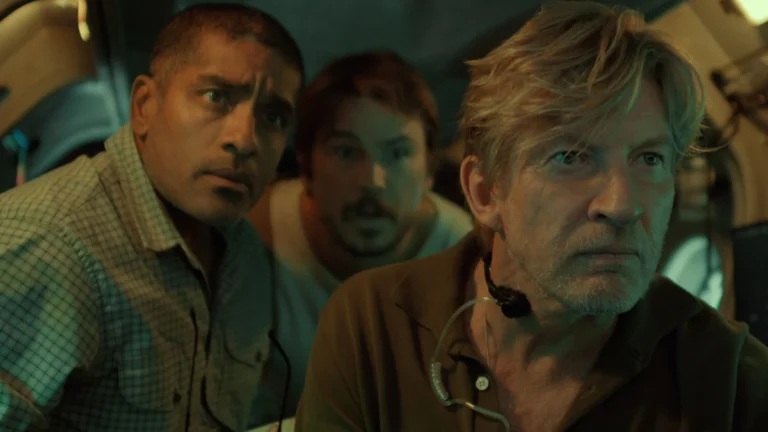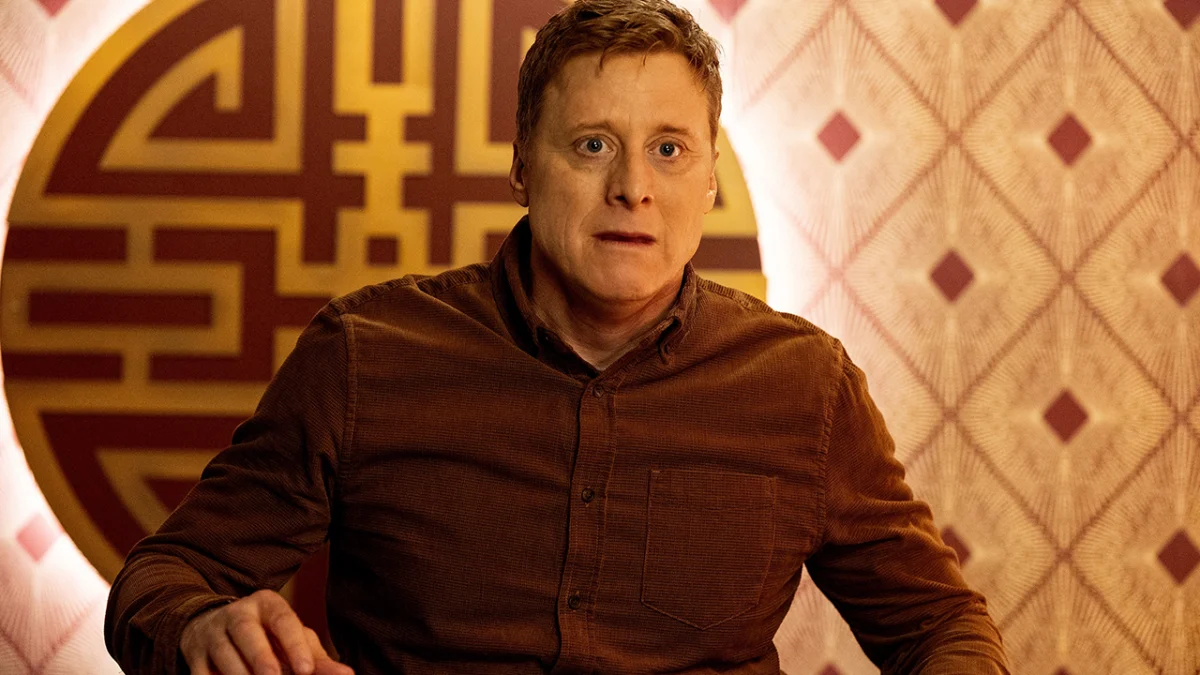
Fans of the critically acclaimed sci-fi comedy-drama Resident Alien in the United States can mark their calendars for a significant, albeit bittersweet, event: the fourth and final season of the beloved Alan Tudyk-led series is officially set to arrive on Netflix on June 6th, 2026. This announcement, confirming the show’s final outing after its cancellation by original network Syfy, brings both anticipation for the conclusion of Harry Vanderspeigle’s extraterrestrial journey and profound disappointment for a dedicated fanbase hoping for further adventures. Meanwhile, a considerable portion of the global audience continues to grapple with significant delays, with most international Netflix regions still awaiting the release of Season 3, underscoring the complex and often frustrating landscape of global content distribution.
The Final Chapter Unfolds for US Audiences
The confirmation of Resident Alien Season 4’s arrival on Netflix US on June 6th, 2026, represents a crucial development for the show’s American viewership. This swift addition to the streaming giant’s catalog comes much earlier than initially projected, with some analysts having predicted a potential release as late as February 2027 based on previous licensing patterns. The expedited rollout reflects Netflix’s strategic interest in capitalizing on the show’s proven popularity within its domestic market. However, the excitement surrounding this early release is tempered by the definitive news that Season 4 will serve as the series finale. Syfy, the show’s original broadcast network, made the decision not to renew Resident Alien for a fifth season, effectively concluding the narrative arc of the alien-turned-small-town-doctor. This cancellation, despite the show’s robust performance on Netflix, has sparked considerable discussion among fans and industry observers about the evolving metrics of success in the fragmented media landscape. For US subscribers, the impending release offers a chance to experience the culmination of Harry’s story, albeit with the knowledge that this chapter marks the end.
From Dark Horse Comics to a Streaming Sensation: The Genesis of Resident Alien
Resident Alien‘s unique appeal stems from its origins as a Dark Horse comic book series created by Peter Hogan and Steve Parkhouse. The television adaptation, spearheaded by showrunner Chris Sheridan, masterfully translates the comic’s quirky premise and character-driven narrative to the screen. The series centers on an alien, initially named Hah Re, who crash-lands on Earth and assumes the identity of Dr. Harry Vanderspeigle in the remote Colorado town of Patience. His primary mission: to eradicate humanity. However, as he navigates human customs, emotions, and relationships, Harry begins to develop a profound, albeit often begrudging, empathy for the species he was sent to destroy.
The show, which premiered on Syfy in January 2021, quickly garnered critical acclaim, largely attributed to Alan Tudyk’s captivating performance as Harry. Tudyk’s portrayal, blending physical comedy, nuanced emotional depth, and a distinctive alien vocal cadence, became a cornerstone of the series’ success. The ensemble cast, including Sara Tomko as Asta Twelvetrees, Corey Reynolds as Sheriff Mike Thompson, Alice Wetterlund as D’Arcy Bloom, Levi Fiehler as Mayor Ben Hawthorne, and Judah Prehn as Max Hawthorne (the only child who can see Harry’s true form), further enriched the narrative with their compelling performances and dynamic interactions. Resident Alien seamlessly blends elements of science fiction, mystery, comedy, and drama, exploring themes of identity, belonging, prejudice, and the human condition through the eyes of an extraterrestrial observer. Syfy, a network long recognized for its commitment to genre programming, provided an initial home for the series, allowing it to cultivate a dedicated fan base drawn to its distinctive blend of humor and heart. Its unique premise and strong character development set it apart in a crowded television market, building a loyal following over its initial three seasons broadcast on Syfy.
Netflix’s Strategic Licensing: A Resounding Success Story
The journey of Resident Alien to Netflix US has been a textbook example of how licensed content can achieve monumental success on streaming platforms, often introducing shows to entirely new and broader audiences. Netflix first acquired the licensing rights for Resident Alien in early 2024, a move that immediately propelled the series into the mainstream consciousness for a significant segment of the US streaming market. The impact was almost instantaneous and undeniably substantial.
According to Netflix Engagement Reports, which provide unprecedented insights into viewership data, Resident Alien amassed an astonishing 403.2 million viewing hours on Netflix throughout 2024 and 2025. This impressive figure translates to approximately 45.8 million total views during that period, solidifying its position as one of the platform’s most successful licensed acquisitions. To put this into perspective, such numbers often rival or even surpass the performance of many of Netflix’s own original productions, particularly those outside of its tentpole franchises. The series consistently dominated the Netflix Top 10 charts following the release of each new season, a clear indicator of sustained audience interest and strong discoverability within the platform’s algorithm.
This phenomenon highlights several key aspects of Netflix’s content strategy. By licensing popular shows from traditional networks, Netflix can enrich its catalog, attract new subscribers, and offer proven entertainment without incurring the full production costs associated with original programming. For Resident Alien, the move to Netflix provided a second life, introducing the quirky sci-fi gem to millions who might not have had access to Syfy or were simply unaware of its existence. The binge-watching model inherent to streaming platforms also played a crucial role, allowing new fans to quickly catch up on multiple seasons and become deeply invested in the narrative, thereby contributing to the show’s significant cumulative viewership. The series’ consistent presence in the Top 10s also demonstrated its ability to cut through the vast content library, leveraging word-of-mouth and algorithmic promotion to maintain visibility, effectively turning a cable niche hit into a streaming juggernaut.
The Paradox of Cancellation: Why a Streaming Hit Ends
Despite its undeniable triumph on Netflix and the fervent support of its growing fanbase, the decision by Syfy to cancel Resident Alien after its fourth season has left many bewildered. The paradox of a show performing exceptionally well on a global streaming platform yet being axed by its original network is a recurring theme in the contemporary television landscape. While Netflix’s data unequivocally showcased Resident Alien‘s widespread appeal and strong engagement, Syfy’s internal metrics and strategic priorities likely painted a different picture.
Network cancellations are rarely straightforward and often stem from a confluence of factors beyond mere viewership numbers. For a linear broadcast channel like Syfy, critical considerations include:
- Linear Viewership and Advertising Revenue: While Resident Alien excelled on streaming, its performance on traditional television broadcasts, particularly in the coveted 18-49 demographic, might not have met Syfy’s benchmarks for advertiser appeal. Linear ratings directly impact advertising revenue, which remains a primary income stream for cable networks. Despite its critical acclaim, linear viewership for Resident Alien on Syfy had seen fluctuations, a common challenge for many cable dramas in the face of cord-cutting trends.
- Production Costs vs. Return on Investment: Science fiction shows, especially those involving special effects, prosthetics (like Harry’s alien form), and elaborate sets, can be expensive to produce. The cost-per-episode might have become prohibitive relative to the revenue generated through Syfy’s specific business model. Industry reports often cite rising production budgets across television, making cost-benefit analysis even more stringent for networks.
- Network Strategy Shifts: Cable networks frequently re-evaluate their programming slates to align with broader corporate objectives. Syfy is part of NBCUniversal, which also owns the streaming service Peacock. Decisions about which shows to renew or cancel can be influenced by a desire to push content towards proprietary streaming platforms or to make room for new, potentially cheaper, or strategically aligned projects. There’s an ongoing industry trend of consolidating content onto owned streaming services, sometimes at the expense of linear programming.
- Ownership and Licensing Dynamics: While Netflix licensed the show, it did not own it outright. The financial benefits from Netflix’s success would primarily accrue to the production studio and NBCUniversal, not necessarily directly to Syfy’s bottom line in a way that would guarantee renewal if linear performance faltered. Licensing revenue is often a separate stream from a network’s primary broadcast income.
The cancellation news has inevitably sparked an outpouring of disappointment from fans across social media platforms. Hashtags advocating for the show’s return and online petitions have circulated, reflecting the deep emotional investment viewers have in Harry’s journey and the quirky residents of Patience. Showrunner Chris Sheridan and lead actor Alan Tudyk have both expressed their gratitude for the fan support, with Tudyk often engaging directly with the fanbase. While no official statements from Syfy or NBCUniversal have elaborated on the specific rationale behind the cancellation beyond standard industry practices, the decision underscores the complex economic realities facing even successful shows in a fragmented media ecosystem. This situation frequently leaves fans feeling bewildered, as their demonstrated enthusiasm on one platform doesn’t always translate into a lifeline from the original broadcaster.
The International Divide: A Persistent Lag for Global Fans
While US subscribers prepare for the final season, the experience for Resident Alien fans outside the United States remains markedly different and considerably more frustrating. The initial licensing deal between Netflix and NBCUniversal was regionally exclusive to the US. Although distribution has since widened, making the show available in most regions globally, international audiences are significantly behind, with the vast majority of territories currently limited to streaming only Seasons 1 and 2, totaling 26 episodes.
This considerable lag is a common issue in global content distribution and is primarily attributed to a complex web of existing pay-TV and local broadcasting deals. In many countries, rights for popular US shows are sold to local cable networks or broadcasters long before streaming deals with global platforms like Netflix can be finalized. For example:
- United Kingdom: Resident Alien has aired on Sky Max and is available on NOW, with Season 3 only recently becoming available in late 2025.
- Canada: The show airs on CTV Sci-Fi Channel, which typically holds a first-run window.
- Australia: SBS Viceland holds the broadcast rights, delaying its availability on other platforms.
These contracts typically grant exclusive broadcast windows for a certain period, meaning Netflix cannot acquire the streaming rights for a particular season until these local agreements expire. This often results in a staggered release schedule, with international Netflix libraries receiving new seasons months, or even years, after their US counterparts or original broadcast. For Resident Alien, this means that while US fans are getting the final season in mid-2026, many international viewers are still patiently awaiting Season 3, making Season 4 an even more distant prospect.
The implications for international fans are significant. They face a constant risk of spoilers from US viewers, feel disconnected from the global conversation surrounding the show, and endure prolonged waiting periods for content that has already been widely consumed elsewhere. The anticipation for Season 3, let alone Season 4, is palpable among these communities, often leading to frustration and the search for unofficial viewing methods. For these audiences, the advice remains to diligently monitor local Netflix "What’s Coming" previews and announcements, as the release timeline is entirely dependent on the expiration of pre-existing regional licensing agreements. The current situation highlights the intricate and often frustrating realities of a globalized media market where licensing complexities frequently supersede immediate fan demand, creating a distinct two-speed experience for the global fanbase.
Broader Implications for the Streaming Ecosystem and Licensed Content
The Resident Alien narrative—its phenomenal success as licensed content on Netflix US, coupled with its cancellation by its original network, and the significant international release disparities—offers valuable insights into the evolving dynamics of the streaming industry.
Firstly, it reinforces the strategic importance of licensed content for Netflix. While the streamer has invested heavily in original programming, shows like Resident Alien demonstrate that acquiring rights to popular, established series can be incredibly effective in driving engagement and subscriber retention. These shows often arrive with a built-in fanbase and proven appeal, offering a less risky investment compared to entirely new originals. However, the Resident Alien case also illustrates the inherent limitations of this model: Netflix ultimately has no control over the creative future or longevity of licensed series, leaving it vulnerable to decisions made by the original rights holders. This lack of control can be a double-edged sword, as a successful licensed show’s cancellation can still disappoint Netflix’s subscribers.
Secondly, the cancellation despite strong streaming metrics highlights the ongoing tension between linear television’s traditional revenue models and the rapidly expanding streaming ecosystem. Networks like Syfy are caught between balancing the needs of their broadcast schedules, which rely on advertising dollars, and the potential for a show to find a massive secondary life on a streamer. The financial calculus for renewal on a cable network is distinct from a streaming platform’s engagement metrics. This often leads to a "death by a thousand cuts" for critically acclaimed but perhaps not stratospherically rated linear shows that could thrive in a streaming-only environment. This dynamic forces a re-evaluation of what constitutes "success" in the modern media landscape.
Finally, the persistent international lag for Resident Alien underscores the fragmented nature of global content distribution. Despite the aspiration for a truly global streaming experience, the reality is that a patchwork of historical licensing deals continues to create barriers. This not only frustrates international viewers but also presents a challenge for Netflix in delivering a consistent global catalog, which could impact its international growth strategies. The digital age promised instant global access, yet for many shows, the old rules of territorial rights still largely apply, creating a two-tiered viewing experience. This disparity can lead to viewer fatigue and a sense of being an afterthought for international audiences, potentially driving them to alternative, often illicit, viewing methods.
As US fans prepare to bid farewell to Harry Vanderspeigle and the charmingly eccentric town of Patience, the legacy of Resident Alien will undoubtedly be one of a unique sci-fi comedy that captivated millions, navigated the complex currents of modern media, and ultimately became a poignant example of a streaming success story cut short by the intricacies of network economics. Its journey highlights the enduring power of compelling storytelling to find an audience, even as the pathways to that audience become ever more convoluted.
For US subscribers, June 6th, 2026, will be a day to savor the final adventures of an alien trying to find his place among humans. For the rest of the world, the wait continues, a testament to the complex, globalized, yet still regionally segmented, landscape of modern entertainment. The final mission is indeed almost here, marking the definitive end of Harry’s transformative time on Earth, and an important case study for the evolving dynamics of television production and distribution.