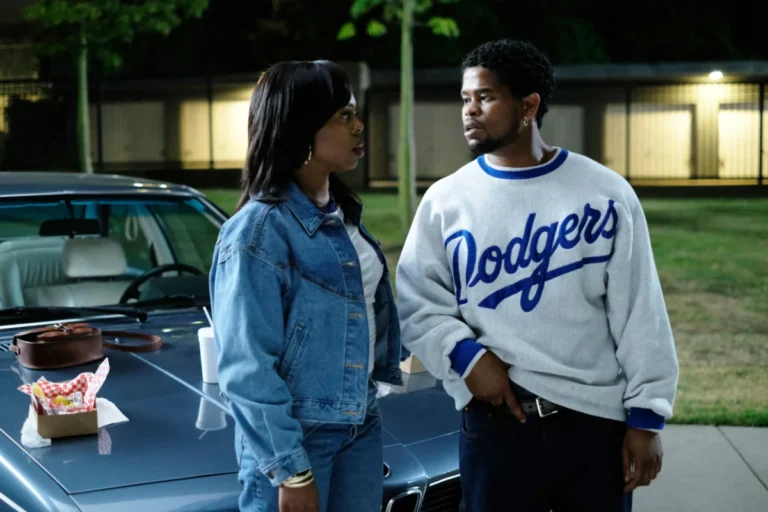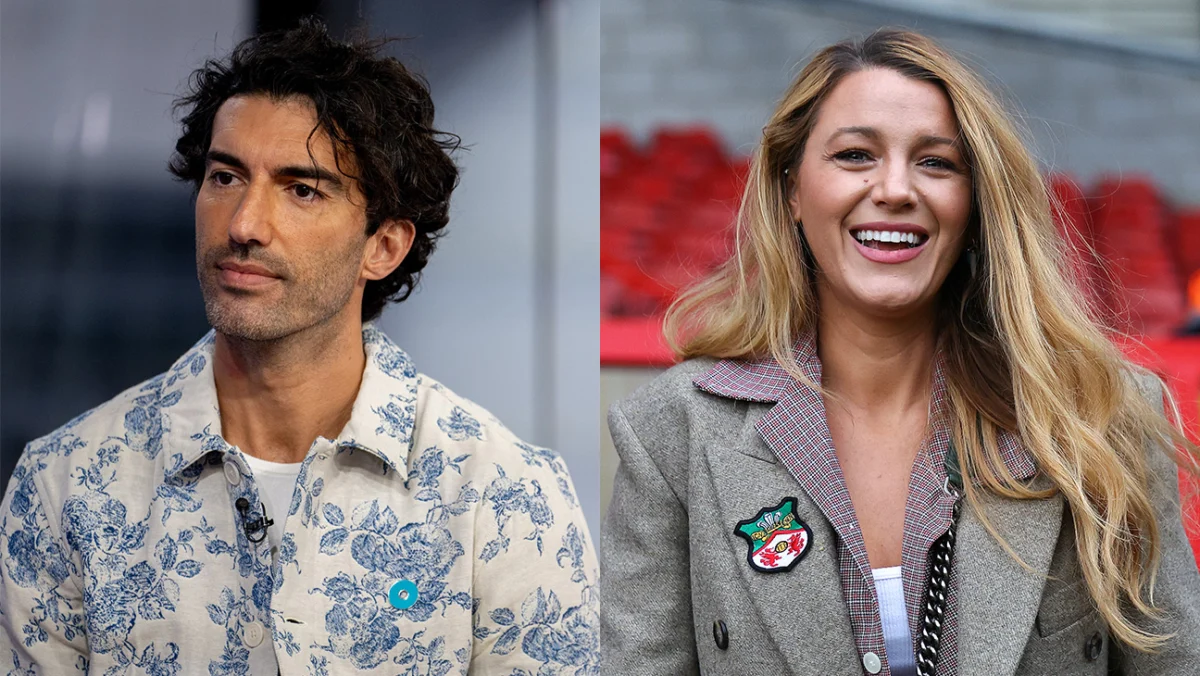
The highly anticipated "legal battle royale" between Blake Lively and Justin Baldoni, stemming from a sexual harassment lawsuit connected to their film It Ends With Us, concluded earlier this week with a surprise settlement. While the agreement successfully sidestepped a potentially explosive and reputation-damaging trial, both the actress-producer and actor-director now confront a different, equally formidable challenge: rehabilitating their careers in a Hollywood increasingly sensitive to personal conduct and public perception. The sentiment across Tinseltown is stark, with one high-ranking studio executive bluntly stating, "They’re in jail. Both of them."
This unequivocal assessment resonates widely among a diverse cross-section of industry professionals, including agents, producers, studio executives, and casting directors informally surveyed by The Hollywood Reporter. While none of the insights diminished the recognized talent of Lively or Baldoni, both of whom boast significant bodies of work, they uniformly underscored the severe damage inflicted by a protracted legal and public relations conflict where even the best outcomes often felt like pyrrhic victories. The settlement, while preventing further legal escalation, has done little to immediately soothe the ruffled feathers of an industry notoriously risk-averse when it comes to controversy.
The Genesis of the Dispute: It Ends With Us and Its Tumultuous Aftermath
The focal point of this contentious saga was It Ends With Us, a 2024 drama adapted from Colleen Hoover’s best-selling novel. Blake Lively not only starred as the lead, Lily Bloom, but also served as a producer on the project. Justin Baldoni directed, produced, and co-starred as Ryle Kincaid. The film proved to be a significant commercial success, grossing an impressive $351 million globally against a modest budget of $25 million, demonstrating its widespread appeal and the substantial fanbase of its source material. However, the financial triumph was overshadowed by the bitter personal and professional dispute brewing behind the scenes.
Unlike many Hollywood clashes, the contention between Lively and Baldoni was not rooted in disagreements over profits, credits, or creative control. Instead, it spiraled from accusations concerning the on-set environment and subsequent public relations strategies. Central to the dispute were allegations of sexual harassment leveled against Baldoni, alongside claims of smear campaigns initiated by both sides. This led to a barrage of lawsuits and countersuits, transforming what should have been a celebratory post-release period into a bitter legal quagmire. The specific details of the alleged harassment and smear tactics largely remained under wraps due to the nature of legal proceedings and the eventual settlement, but their existence alone was enough to cast a long shadow over both individuals.
A Timeline of Escalation and Resolution
The journey from the film’s production to the recent settlement was marked by a gradual yet relentless escalation of hostilities. While precise dates for the initial grievances are not publicly detailed, the friction likely began during or shortly after the principal photography for It Ends With Us. As the production wrapped and post-production commenced, the underlying tensions appear to have solidified into formal complaints.
- Late 2023/Early 2024: The initial whispers of discord likely began, potentially involving internal complaints or mediation attempts that failed to resolve the burgeoning issues.
- Spring 2024: The dispute escalated into formal legal action, with Blake Lively reportedly filing a lawsuit detailing allegations of sexual harassment against Justin Baldoni and related claims concerning the film’s production environment.
- Mid-2024: In response, Justin Baldoni and his legal team reportedly filed countersuits, which included allegations of smear campaigns against him and, notably, also named Lively’s husband, Ryan Reynolds, in certain capacities, framing him as having influenced or participated in actions detrimental to Baldoni’s reputation.
- Summer/Early Fall 2024: The legal maneuvering intensified, with both parties engaging in discovery, depositions, and public statements that further fueled media speculation and solidified the narrative of a deep-seated animosity. The prospect of a full-blown trial loomed large, threatening to expose potentially damaging details and prolong the public spectacle.
- Early October 2024: In a move that surprised many industry observers, both parties announced a settlement, thereby averting the scheduled trial. The terms of the settlement, as is common in such cases, remain confidential. However, the immediate aftermath has seen discussions shift from legal culpability to the profound professional consequences for all involved.
The General Hollywood Consensus: A Period of Isolation
"Who wants to work with people that go this far?" queried the same high-ranking studio executive, encapsulating the prevailing mood. Casting director Matthew Barry, known for his work on hit features like The Notebook and Rush Hour, echoed this sentiment, stating plainly, "They’re both in for a tough time." Barry drew a direct parallel to the lengthy hiatus from major studio work experienced by Johnny Depp and Amber Heard following their highly publicized and contentious legal battles, noting that while Depp is making a tentative return with Paramount’s forthcoming Ebenezer: A Christmas Carol — his first major studio film since 2018 — the path back is arduous and protracted.
The core issue for Hollywood decision-makers isn’t necessarily a judgment on guilt or innocence, but rather the sheer disruption and negative publicity associated with such a prolonged and bitter dispute. The industry thrives on collaboration and harmony, and individuals perceived as bringing significant "baggage" or potential for future conflict become immediate liabilities. Most sources surveyed by THR agreed that a significant portion of Hollywood would be reticent to engage with either Lively or Baldoni in the immediate future, at least until the dust settles and a clear path to rebuilding trust can be established.
Blake Lively’s Path Forward: A Calculated Re-entry
Among the two, there is a consensus that Blake Lively, despite the considerable damage, faces an "easier way back." Her established career as a leading lady, combined with the nuances of how such disputes are often perceived through a gendered lens in Hollywood, may afford her a slightly more forgiving landscape.
Experts suggest a period of strategic retreat from the public eye. "She needs to be thoughtful about what part she chooses next," advised an executive with experience navigating controversy-mired talent. This means avoiding roles that might inadvertently draw more negative attention or seem to capitalize on her recent troubles. Instead, a carefully selected project that allows her to showcase her talent without extraneous drama is paramount. One producer quipped with a hint of dark humor, "If I were her, I would do a villain role and lean into the baggage," suggesting a path where she might cleverly subvert expectations and harness the public’s perception.
However, the financial toll is undeniable. Lively’s brand has taken a significant hit. One studio executive estimated that prior to the dispute, post-the success of It Ends With Us, she could have commanded paydays of up to $12 million per film. "Today, she’s worth $3 million," this person asserted, reflecting a drastic devaluation in her perceived market worth. This estimation aligns with her own court filings, where Lively estimated the reputational fallout from the alleged smear campaign to have cost her over $100 million, including projected earnings from roles that would have secured her $10 million to $15 million each. The immediate future will likely see her accepting reduced fees as she works to re-establish her standing and demonstrate her commitment to projects without the accompanying drama.
Justin Baldoni’s Uphill Battle: Director’s Reputation at Stake
Justin Baldoni, by most accounts, faces a significantly tougher road to career rehabilitation, particularly in his capacity as a director. The specific nature of the allegations — an "unsafe set" — strikes at the core of a director’s primary responsibility: creating a secure and professional environment for cast and crew. "The allegations of an unsafe set, it’s hard to imagine he could cast a movie," noted one studio executive, highlighting the profound difficulty he will encounter in attracting talent to future projects. Actors and crew members, now more than ever, prioritize respectful and safe working conditions, and any director with such a blemish on their record becomes a substantial risk.
One casting director predicted that Baldoni might be compelled to return to his roots as a television actor, where he first gained prominence as a romantic lead on The CW’s Jane the Virgin. This individual expressed doubt that he would direct any major projects in the near future, citing the difficulty in securing financing and talent for a director associated with a contentious production environment. Jen Rudin, another prominent casting director and author of Confessions of a Casting Director, believes Baldoni will work again, but acknowledges that being linked to a problematic set will "present a mark against him, at least in the short term."
Rudin elaborated on the broader industry shift, emphasizing, "We’re at risk with anybody that we hire for anything. I just want to work with great people, on and off set. Now more than ever, we really need to just be good, kind human beings to each other." This sentiment underscores the heightened scrutiny on professional conduct in the post-#MeToo era, where a reputation for creating a toxic or unsafe workplace can be career-ending.
Baldoni’s one potential saving grace for future directing endeavors may lie in his company, Wayfarer Entertainment, which enjoys the backing of billionaire Steve Sarowitz. This financial independence could theoretically allow him to self-finance his own movies, bypassing traditional studio gatekeepers who are currently wary. However, even with his own funding, the challenge of attracting top-tier talent and distribution for a project led by a director with recent allegations against him remains formidable. "He could bring his own career back, but no one will hire him right now," concluded a studio executive, illustrating the dual nature of his predicament.
The Ryan Reynolds Question: Collateral Damage
The ripple effects of the Lively-Baldoni dispute extended beyond the primary parties, notably impacting Blake Lively’s husband, Ryan Reynolds. Reynolds, one of Hollywood’s highest-paid actors, was named in Baldoni’s now-dismissed countersuit, placing him directly within the legal crosshairs as he supported his wife. This involvement resulted in significant collateral damage to his own carefully cultivated public image.
Several industry sources cited instances where Reynolds’s association with the ongoing legal drama caused hesitation among major players. For example, Apple reportedly delayed dating his action-comedy Mayday for several months before finally committing to a September 4 release date in early February. While Reynolds’s star power remains immense, particularly with the continued success of the Deadpool franchise (which serves as an asterisk, given its built-in audience and contractual obligations), he too could be looking at potential pay cuts for immediate future projects outside of established IP.
An agency partner offered a candid piece of advice for Reynolds to regain goodwill and industry credibility: "He should do a Van Wilder movie for scale and regain his coolness," only half-jokingly referring to his early career breakout role. The suggestion points to a need for Reynolds to perhaps embrace smaller, "leaner and scrappier" projects that demonstrate artistic integrity and a willingness to step away from blockbuster paydays, signaling a commitment to craft over pure commercial gain in a bid to distance himself from the recent controversy.
Broader Industry Implications and Gender Disparities
The entire saga highlights several critical trends within the entertainment industry. The increased emphasis on ethical conduct, workplace safety, and accountability in the wake of movements like #MeToo means that even high-profile figures are not immune to the severe professional consequences of such disputes. The "surprise settlement" might have prevented a public airing of dirty laundry, but it did not erase the perceptions of conflict and misconduct that now cling to the individuals involved.
Furthermore, the case once again brings to the forefront the persistent gender disparities within Hollywood when it comes to navigating scandal. An agent pointed to Johnny Depp’s return in Ebenezer: A Christmas Carol after his acrimonious divorce from Amber Heard as a prime example. "You don’t ever hear Amber’s name" when people discuss that movie, the agent noted, underscoring a prevailing sentiment: "It’s easier for men." This suggests that while both men and women face consequences, the path to redemption, particularly for women, often appears steeper and more fraught with lasting judgment.
For Blake Lively, Justin Baldoni, and even Ryan Reynolds, the settlement marks the end of one battle but the beginning of another. The legal skirmish is over, but the fight for professional rehabilitation has just begun. Their immediate future will be defined by careful strategic choices, a willingness to accept revised terms, and an unwavering commitment to proving their reliability and professionalism to a wary industry. Only time will tell whether they can fully shake off the shadows of It Ends With Us and reclaim their former stature in Hollywood.