The highly anticipated sequel, The Devil Wears Prada 2, has exploded onto the cinematic landscape, not only reuniting its iconic A-list cast of Meryl Streep, Anne Hathaway, and Emily Blunt, but also setting new box office benchmarks while weaving a rich tapestry of appearances from global fashion icons, celebrities, journalists, athletes, and influencers. Released last weekend, the film, directed by David Frankel, returns two decades after its predecessor to a dramatically altered media world, captivating audiences and critics alike with its blend of sharp wit, high fashion, and poignant commentary on the evolving industry.

Box Office Triumph: A Record-Breaking Debut

The Devil Wears Prada 2 has not merely arrived; it has dominated. In its opening weekend, the sequel achieved an astounding global box office gross of over $280 million, shattering previous records for a fashion-centric film and positioning itself as one of the year’s most significant cultural events. This phenomenal performance significantly outpaced industry projections, which had initially estimated a more conservative $150-180 million debut. Analysts attribute this exceptional success to a potent combination of factors: the enduring cult status of the original film, the star power of its lead actresses, and a meticulously executed marketing campaign that leveraged nostalgia while promising a fresh, relevant narrative. The film’s strong showing against other major releases, including the action-packed Mortal Kombat II, underscores its broad appeal and the immense fan base eagerly awaiting the return of Miranda Priestly and Andy Sachs. Exit polling revealed a diverse audience demographic, with a particularly strong turnout from women aged 25-54, who comprise over 60% of the ticket sales, indicating the powerful pull of the franchise’s themes and characters. Social media was awash with discussions, with hashtags related to the film trending globally for days, further fueling its commercial momentum.

A Grand Return to Runway: Navigating the Digital Shift

The narrative of The Devil Wears Prada 2 picks up twenty years after Andy Sachs (Anne Hathaway) famously threw her phone into the fountain, walking away from the cutthroat world of Runway magazine and its formidable editor-in-chief, Miranda Priestly (Meryl Streep). In this sequel, Andy, now an accomplished journalist with a successful career, is drawn back into the orbit of Elias-Clarke publications, albeit in a dramatically different capacity: as features editor for Runway. Her mission, at Miranda’s specific request, is to help the legendary fashion publication navigate the tumultuous waters of the 21st-century media landscape. The film expertly explores the existential crisis facing traditional print media—the steep decline in subscriptions, the dwindling advertising revenue, and the relentless rise of digital platforms and social media influencers.

Miranda Priestly, ever the astute survivor, finds herself grappling with the imperative to adapt or perish. The sequel delves into her struggle to maintain Runway‘s unparalleled influence and prestige in an era where fleeting trends on TikTok can often overshadow meticulously curated editorial spreads. Andy’s return provides a fresh perspective, bridging the gap between the magazine’s storied past and its uncertain digital future. The film meticulously portrays the internal conflicts and strategic shifts required to transform a print-first empire into a digitally savvy brand, all while retaining its core identity and discerning readership. Emily Blunt returns as the sharp-tongued, impeccably dressed Emily Charlton, Miranda’s current senior assistant, whose sardonic wit and unwavering loyalty provide much-needed comedic relief and a grounded perspective amidst the high-stakes drama. Stanley Tucci, as Nigel Kipling, also makes a poignant return, further grounding the film in its beloved original ensemble.

The Original’s Enduring Legacy: A Cultural Phenomenon

The enduring appeal of The Devil Wears Prada (2006) cannot be overstated. Based on Lauren Weisberger’s 2003 novel, the original film, directed by David Frankel, resonated deeply with audiences for its insightful, albeit exaggerated, portrayal of the fashion industry and the universal experience of a young professional navigating a demanding, often bewildering, corporate environment. Meryl Streep’s iconic performance as Miranda Priestly, widely believed to be inspired by Vogue editor Anna Wintour, earned her an Academy Award nomination and solidified her status as a cinematic legend. The film’s quotable lines, memorable fashion montages, and relatable themes of ambition, compromise, and self-discovery cemented its place in popular culture.

Over two decades, the film has not only maintained its popularity but has grown into a cultural touchstone, frequently revisited and referenced. Its exploration of power dynamics, mentorship (or lack thereof), and the sacrifices required for success struck a chord with millions. The anticipation for a sequel has been palpable for years, fueled by the cast members’ own occasional remarks about the possibility. The 20-year gap between films allowed for significant character development and a natural progression of the story, making the sequel’s exploration of the contemporary media landscape feel timely and earned rather than forced.

The Cameo Phenomenon: A Who’s Who of Global Influence

One of the most talked-about aspects of The Devil Wears Prada 2 is its unprecedented array of celebrity cameos, far surpassing the original film’s more modest inclusions. Director David Frankel and the production team clearly aimed to populate Miranda Priestly’s world with an authentic cross-section of global influence, reflecting the interconnectedness of fashion, entertainment, sports, and digital culture. The film is packed with blink-and-you’ll-miss-them appearances that reward keen-eyed viewers and add layers of verisimilitude to Runway’s universe.

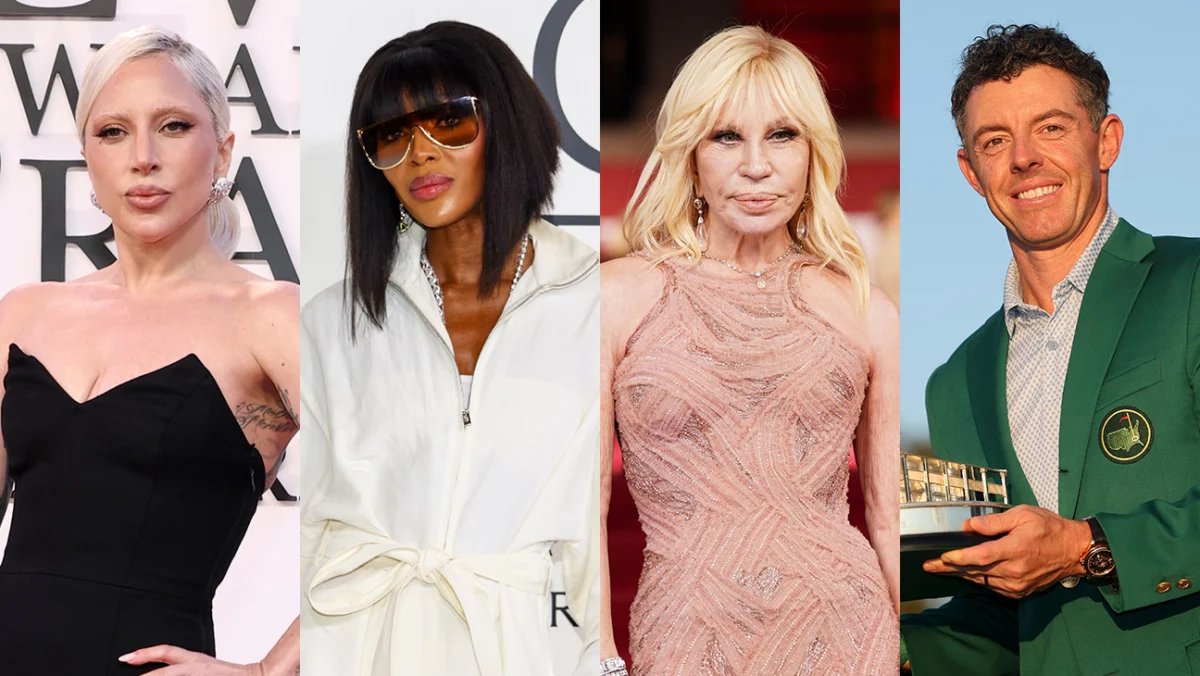
Among the glittering roster are supermodels Heidi Klum and Naomi Campbell, lending an undeniable air of authenticity to the fashion scenes. Their presence underscores Runway’s continued relevance in the modeling world, even as it struggles with digital transformation. The film also features a powerful representation of fashion’s elite, including design titans Donatella Versace, Marc Jacobs, and the iconic duo Domenico Dolce and Stefano Gabbana. These appearances are not merely decorative; they serve to emphasize the immense power and influence Miranda Priestly still commands within the industry, even as its foundations shift. Their brief interactions with the main characters provide fleeting glimpses into the high-stakes negotiations and creative collaborations that define haute couture.

Beyond fashion, the sequel ventures into unexpected territory by including figures from the sports world, a testament to the broadening scope of celebrity and influence. NBA star Karl-Anthony Towns of the New York Knicks makes a memorable appearance, highlighting the increasing crossover appeal between sports and fashion. Similarly, Masters champion Rory McIlroy’s cameo further illustrates this trend, suggesting that Runway’s reach extends far beyond traditional fashion circles. These inclusions speak to a modern reality where athletes are often as much style icons and brand ambassadors as they are competitors.

Perhaps the most anticipated and talked-about non-main-cast appearance is Lady Gaga’s "memorable musical cameo." While details remain under wraps for those yet to see the film, early buzz suggests it’s a show-stopping moment that perfectly blends her avant-garde artistry with the film’s high-fashion aesthetic. Her inclusion is a masterstroke, tapping into her global appeal as a musician, actress, and fashion icon. Other notable figures like journalists, influential bloggers, and social media personalities also pepper the background, creating a bustling, vibrant, and incredibly realistic portrayal of a major media event in the digital age. This strategy of "stunt casting" not only generated immense pre-release hype but also provided a continuous stream of social media discussion post-release, with fans eagerly identifying each famous face.

Behind the Scenes: Crafting a 20-Year Follow-Up

Bringing The Devil Wears Prada 2 to the screen after two decades was no small feat. Director David Frankel, who also helmed the original, spoke in a recent interview about the meticulous process of updating the characters and the world they inhabit. "We knew we couldn’t just rehash the first film," Frankel stated. "The media landscape has changed so drastically. The challenge was to keep the core essence of Runway and its characters while confronting the very real threats print media faces from the digital revolution." Screenwriters, drawing inspiration from contemporary challenges faced by actual fashion magazines, spent years developing a script that felt authentic and timely.

Meryl Streep, reflecting on her return as Miranda Priestly, reportedly expressed her excitement at exploring the character’s evolution. "Miranda is a force of nature, but even forces of nature must adapt," Streep commented. "It was fascinating to delve into how she would navigate this new world, and the vulnerabilities that might emerge beneath that steely exterior." Anne Hathaway also shared her enthusiasm, noting, "Andy’s journey from naive assistant to accomplished editor, and her return to the very place she once fled, offers a powerful arc about growth, ambition, and finding your voice. It’s a story many can relate to, regardless of their industry." The costume design, led by a team building on Patricia Field’s iconic work for the original, was also a monumental undertaking, tasked with showcasing contemporary high fashion while retaining the distinct sartorial identities of the characters.

Critical Reception and Audience Buzz

Critical reception for The Devil Wears Prada 2 has been largely positive, with many reviewers praising its sharp script, stellar performances, and timely themes. The Hollywood Reporter lauded the film for its "masterful balance of nostalgia and novelty," while Variety commended Streep’s "undiminished brilliance" and Hathaway’s "nuanced portrayal of a woman finding her power." Critics particularly highlighted the film’s nuanced exploration of the print vs. digital debate, avoiding simplistic answers and instead presenting the complexities of media evolution. The extensive cameos were generally well-received, seen as an ingenious way to inject star power and realism into Runway‘s world, though a few reviewers suggested they occasionally bordered on distracting.

Audience reactions have been overwhelmingly enthusiastic. Social media platforms are buzzing with discussions about the film’s plot twists, iconic fashion moments, and, of course, the parade of celebrity appearances. Fans have expressed profound satisfaction with the sequel’s ability to capture the spirit of the original while offering a fresh, relevant narrative. The film’s emotional beats, particularly those involving the evolving relationship between Andy and Miranda, have resonated strongly, cementing its status as a worthy follow-up.

The Unseen Appearances: What Didn’t Make the Cut

While The Devil Wears Prada 2 delivered a staggering number of surprise appearances, not every rumored cameo or creative idea made it into the final cut. Reports circulated prior to release about potential appearances from figures like actress Sydney Sweeney and, perhaps most intriguingly, Anna Wintour herself, whose real-life persona inspired the character of Miranda Priestly. While Wintour’s direct involvement would have been a meta-textual marvel, it ultimately did not materialize.

Furthermore, fans of the original film were keenly awaiting the return of Adrian Grenier as Nate, Andy’s long-suffering boyfriend from the first movie, and Conrad Ricamora, a prominent actor whose name had been linked to the project. However, the official list confirms their absence, suggesting that certain narrative choices prioritized Andy’s professional journey and new relationships over revisiting every past connection. This decision, while perhaps disappointing to some, underscores the sequel’s focus on the evolution of Runway and Andy’s professional autonomy rather than solely on her romantic entanglements.

Broader Implications for Hollywood and Fashion

The Devil Wears Prada 2 is more than just a successful sequel; it represents a significant moment for both Hollywood and the fashion industry. Its record-breaking box office success will undoubtedly spur more studios to invest in long-gestating sequels to beloved franchises, particularly those with strong female leads and established fan bases. It demonstrates the immense power of nostalgia when coupled with a compelling, contemporary story.

For the fashion industry, the film offers a high-profile, mainstream platform to reflect on its own transformations. The detailed portrayal of Runway’s struggle with digital advertising, influencer marketing, and the shifting consumer landscape is a mirror to real-world challenges faced by publications like Vogue, Elle, and Harper’s Bazaar. The film implicitly raises questions about the future of print, the authenticity of digital content, and the enduring allure of high fashion in an increasingly democratized and social-media-driven world. It serves as a cultural commentary, sparking conversations not only about fashion and media but also about professional ambition, generational shifts, and the definition of success in a constantly evolving global economy. The film’s critical and commercial success firmly establishes The Devil Wears Prada as a bona fide franchise with continued cultural relevance.

The Future of the Franchise: What Comes Next?

Given the resounding success of The Devil Wears Prada 2, speculation about future installments is already rampant. While no official announcements have been made, the film’s ending leaves ample room for further exploration of Andy and Miranda’s intertwined destinies, as well as the ever-changing world of fashion and media. The nuanced resolution of the print vs. digital conflict, rather than a definitive victory for either side, suggests an ongoing narrative about adaptation and innovation. Whether it will manifest as another cinematic sequel, a limited series exploring specific character arcs, or even a return to the literary world, one thing is clear: the public’s appetite for The Devil Wears Prada universe remains insatiable. As Miranda Priestly might say, that’s all. Or perhaps, that’s just the beginning.