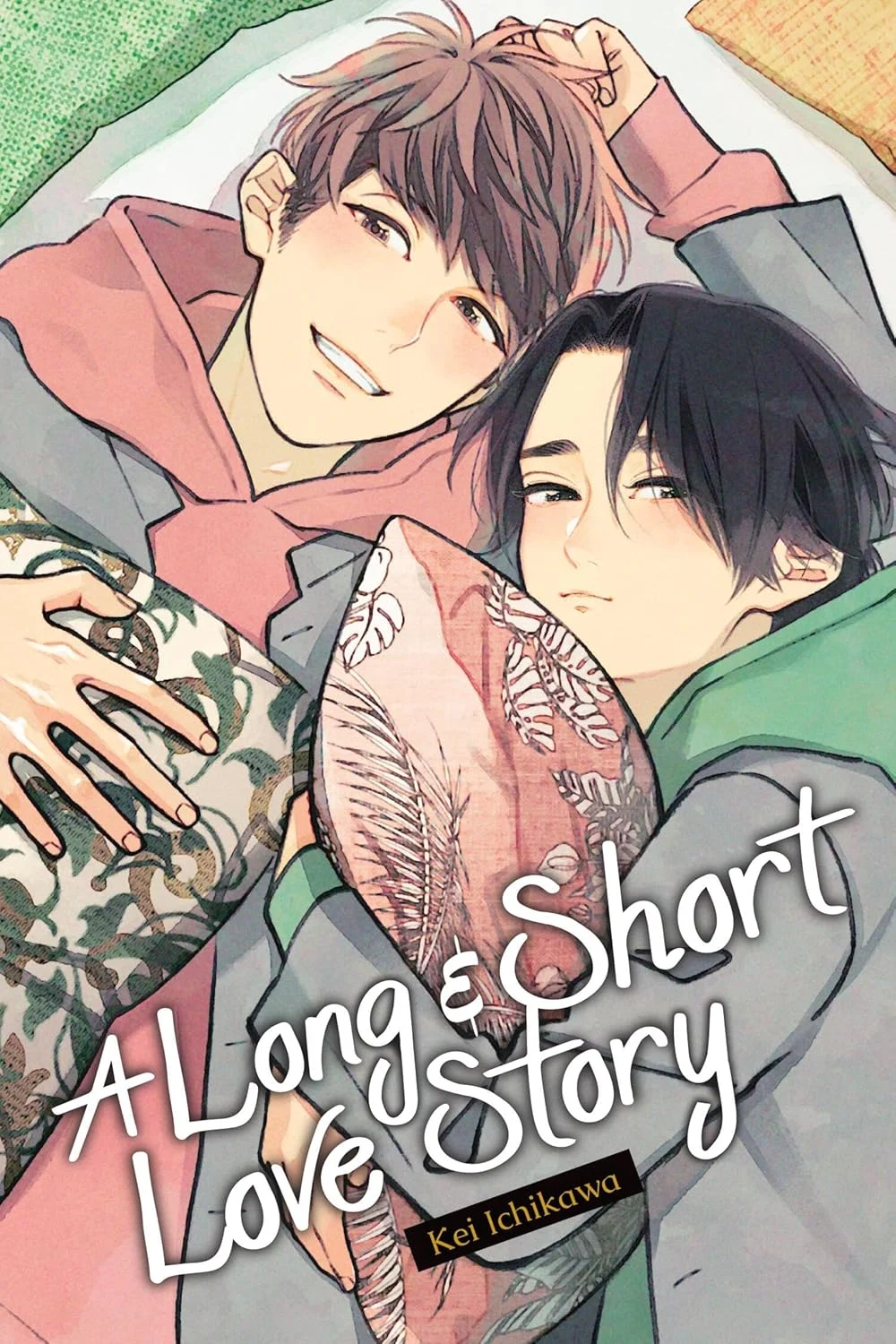
Kei Ichikawa’s Boys’ Love manga, A Long and Short Love Story, emerges as a distinctive entry in the genre, its genesis rooted in a series of commissioned short stories, each adorned with a color cover. Ichikawa’s innovative approach to unifying these disparate narratives was to weave a singular story thread through them, featuring the same two male protagonists. This resulted in a work that is not only a compelling narrative of developing affection but also a visually arresting artistic endeavor, pushing the boundaries of conventional manga presentation. The manga’s unique structure, which blends individual vignettes into a cohesive, albeit non-linear, exploration of a relationship, has garnered attention for its aesthetic qualities and its nuanced portrayal of burgeoning romantic feelings within a lifelong friendship.
Genesis and Artistic Intent
The creative spark for A Long and Short Love Story ignited when Kei Ichikawa received a commission to produce a collection of short manga stories, each accompanied by a distinctive color cover. Rather than treating these as standalone pieces, Ichikawa conceived of a unifying narrative that would link them thematically and character-wise. This ambitious undertaking led him to feature the same two male characters as the central figures in what would become a Boys’ Love story. The decision to connect these shorts was not merely a narrative convenience; it allowed Ichikawa to explore the gradual unfolding of emotions and the complexities of a relationship over time, using the distinct visual style of each short to contribute to the overall artistic tapestry of the work. The result is a manga that prioritizes visual storytelling and emotional resonance, positioning it as a significant piece within the artistic landscape of contemporary manga.
The Protagonists: Ibuki and Kippei
At the heart of A Long and Short Love Story are Ibuki and Kippei, two characters whose bond has been forged over a lifetime. Their journey begins with the idyllic simplicity of childhood proximity, growing up as next-door neighbors and inseparable friends. This foundational closeness extends into their shared experiences at school, where they navigate adolescent life together, discussing their mutual passions, such as their favorite music, and continuing a cherished tradition of watching the summer fireworks display annually. The narrative meticulously builds the foundation of their relationship, showcasing a deep, unspoken affection that permeates their interactions. The inherent emotional connection between them is palpable, yet it remains on the precipice of romantic development for a significant period. The pivotal moment that irrevocably shifts the nature of their bond occurs when Ibuki initiates a kiss with Kippei, a gesture that transcends the boundaries of their long-standing friendship and signals the emergence of romantic feelings. This singular act serves as a catalyst, propelling their story into new emotional territories and setting the stage for the exploration of their evolving relationship.
Narrative Structure and Thematic Resonance
The manga employs a unique narrative structure, progressing through a series of interconnected vignettes that fluidly transition between past and present. This non-linear approach, while occasionally demanding of the reader’s attention to piece together the chronology, ultimately contributes to the immersive and reflective nature of the story. The fragmented style allows Ichikawa to delve into the nuances of memory, emotion, and the subtle shifts in a relationship over time. Despite the temporal shifts, the narrative momentum is carefully maintained, guiding the reader toward a clear and emotionally resonant conclusion. The thematic core of A Long and Short Love Story lies in its exploration of the complexities of expressing deep-seated feelings, particularly within the context of an established, non-romantic relationship. The manga realistically captures the hesitations and internal struggles that accompany the transition from platonic affection to romantic love. Furthermore, the narrative subtly addresses broader societal contexts, such as the challenges faced by individuals navigating same-sex relationships and the perceptions of those around them. The story also poignantly illustrates the emotional impact of significant life transitions, such as graduation and the subsequent separation that may follow, highlighting the vulnerability and uncertainty that accompany such moments.
Artistic Presentation and Visual Language
A significant aspect of A Long and Short Love Story‘s distinctiveness lies in its artistic presentation. The edition itself is a testament to Ichikawa’s commitment to an elevated aesthetic. Unlike the standard paper commonly used in manga, this publication features glossy pages, enhancing the visual impact of the artwork. This choice of material underscores the manga’s emphasis on its visual qualities, elevating it beyond a typical serialized comic. The dialogue within the manga is deliberately sparse, allowing the artwork to carry much of the narrative weight and emotional expression. This minimalist approach to text amplifies the impact of the visual storytelling. Furthermore, each chapter is bookended by full-page color illustrations, serving as visually striking introductions that set a distinct tone for the ensuing narrative. The majority of panels are also larger than standard, providing ample space for Ichikawa’s detailed and expressive linework to flourish.
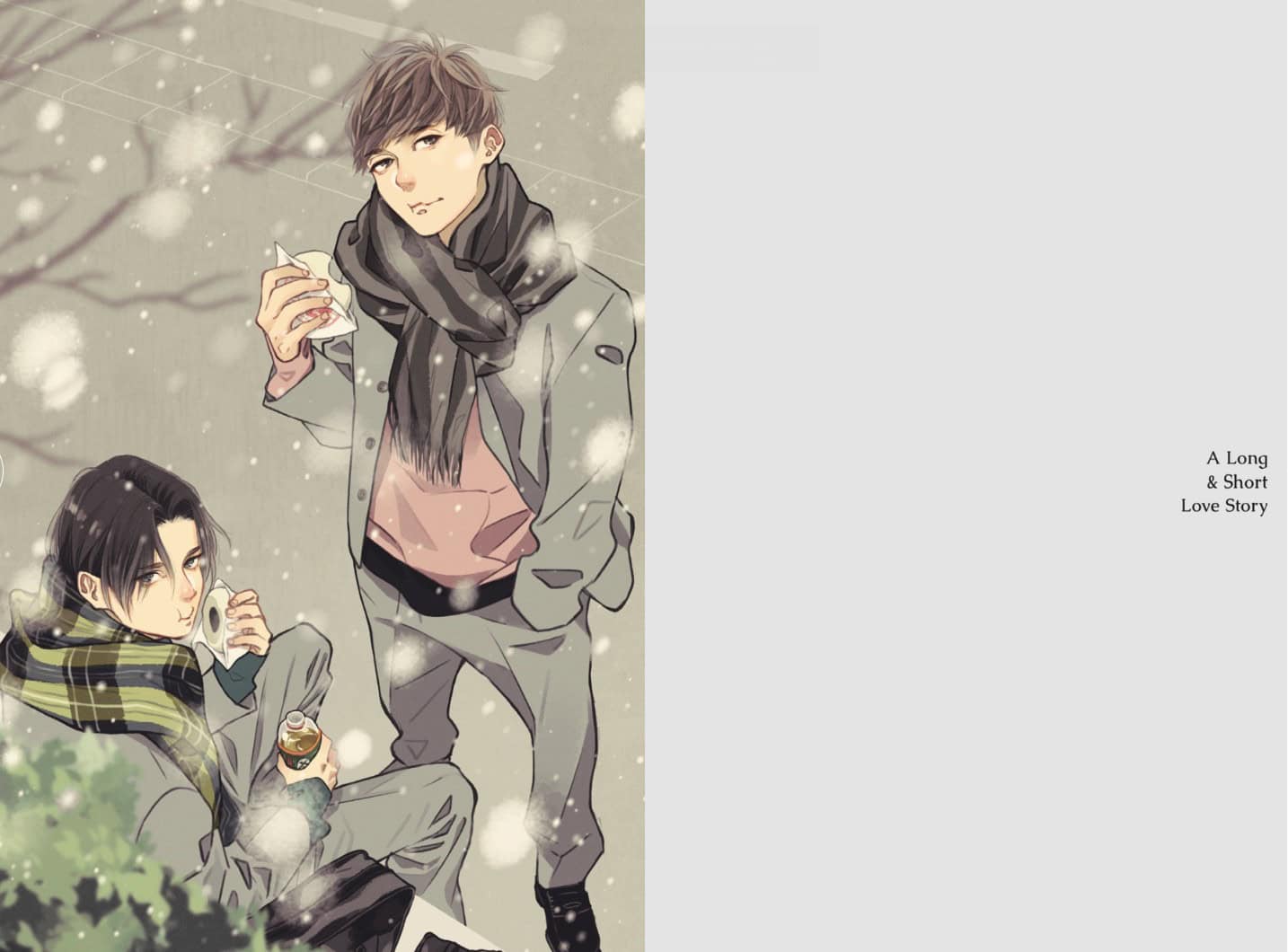
Ichikawa’s artistic style is characterized by flowing lines and figures that possess an almost Modigliani-esque quality, lending a timeless and elegant aesthetic to his characters. His work demonstrates a remarkable ability to convey emotion through subtle gestures and expressions. While there are moments where the art adopts a more grounded, even humorous, tone, featuring the common manga trope of exaggerated "silly faces," the overarching style leans more towards the painterly than the strictly graphic. The strategic use of color, with vibrant splashes appearing throughout the work, further enhances this painterly quality, adding depth and emotional resonance to the visual narrative. This deliberate artistic choice ensures that A Long and Short Love Story is not merely a story told through images but a work of art in its own right, offering a rich visual experience that complements its emotional narrative.
Context and Realism in Portrayal
While the overarching plot may be considered light in terms of intricate world-building or complex external conflicts, A Long and Short Love Story excels in its nuanced portrayal of internal emotional landscapes and relational dynamics. The manga touches upon universal themes of communication and vulnerability, particularly the difficulty individuals often face in articulating their deepest feelings. This challenge is amplified within the context of an already established, non-romantic relationship, where the fear of altering the existing dynamic can create significant internal barriers. The narrative captures this struggle with a palpable sense of realism.
The manga also addresses the practical and emotional realities of life transitions. The period following graduation, when Ibuki and Kippei face the prospect of separation for the first time in their lives, is depicted with a quiet poignancy. This segment of the story highlights the anxieties and uncertainties that accompany such significant life changes, forcing the characters to confront their evolving circumstances and their feelings for one another.
Furthermore, the manga subtly incorporates observations on societal attitudes towards same-sex relationships. Through the peripheral characters, particularly the women in Ibuki and Kippei’s lives, the story offers glimpses into how such relationships might be perceived or discussed, adding another layer of social commentary to the narrative without becoming overtly didactic. This understated approach allows the reader to draw their own conclusions and reflect on the broader implications of the characters’ experiences.
A Visually Driven and Accessible Narrative
In essence, A Long and Short Love Story is primarily a visual experience. The manga is crafted to be aesthetically pleasing, offering a feast for the eyes through Ichikawa’s distinctive artistic style and deliberate presentation choices. The combination of flowing lines, expressive character designs, and the judicious use of color creates a visually rich and engaging work. Beyond its aesthetic appeal, the story itself possesses an inherent charm rooted in its simplicity. The narrative unfolds in a manner that is both engaging and emotionally satisfying, making it an accessible read for a wide audience. The manga’s ability to evoke genuine emotion through its visual storytelling and its relatable exploration of love and friendship solidifies its position as a noteworthy contribution to the Boys’ Love genre and a testament to Kei Ichikawa’s artistic vision. The work’s success lies in its delicate balance between artistic innovation and heartfelt storytelling, creating a memorable and impactful reading experience.