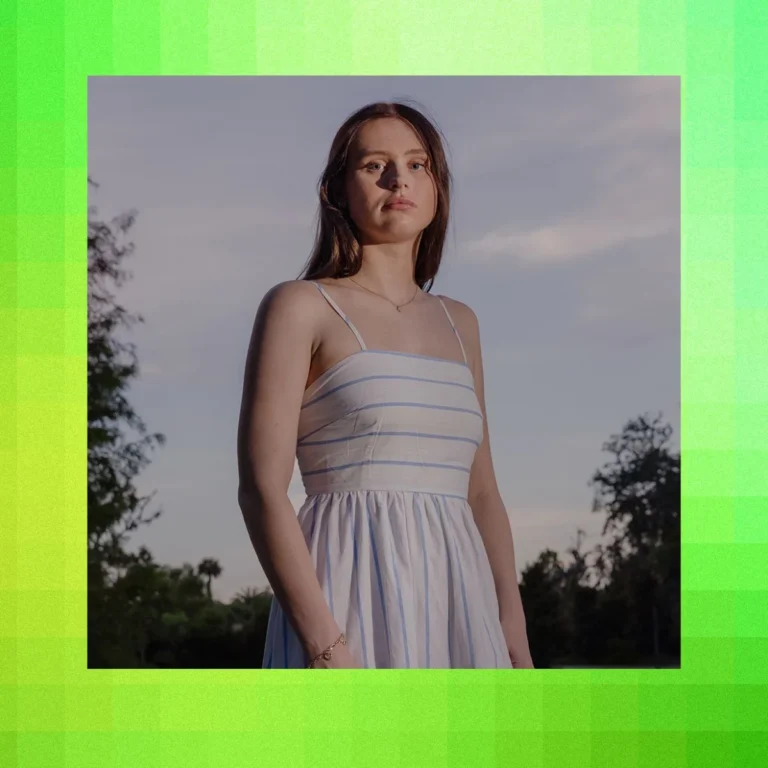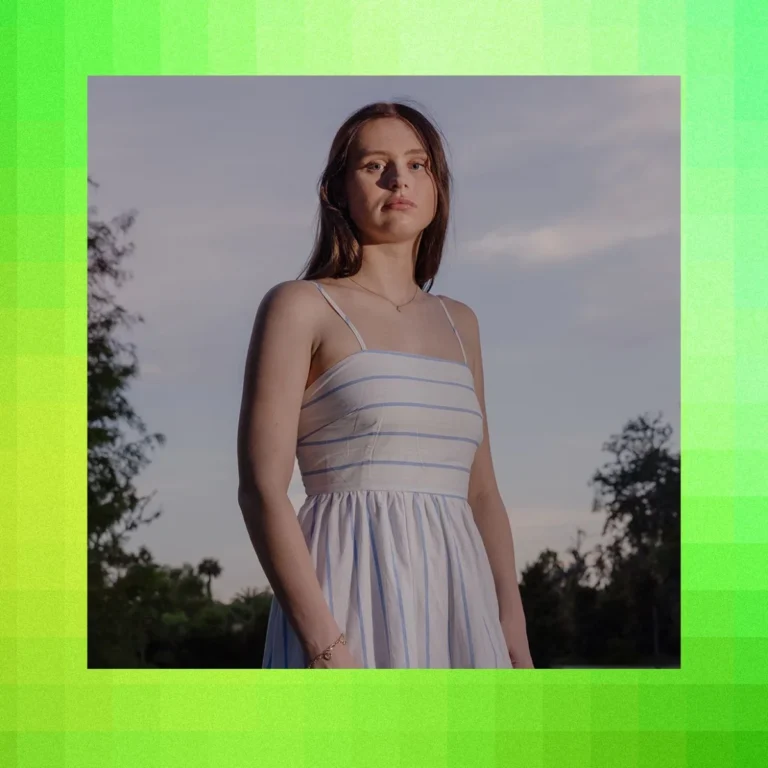



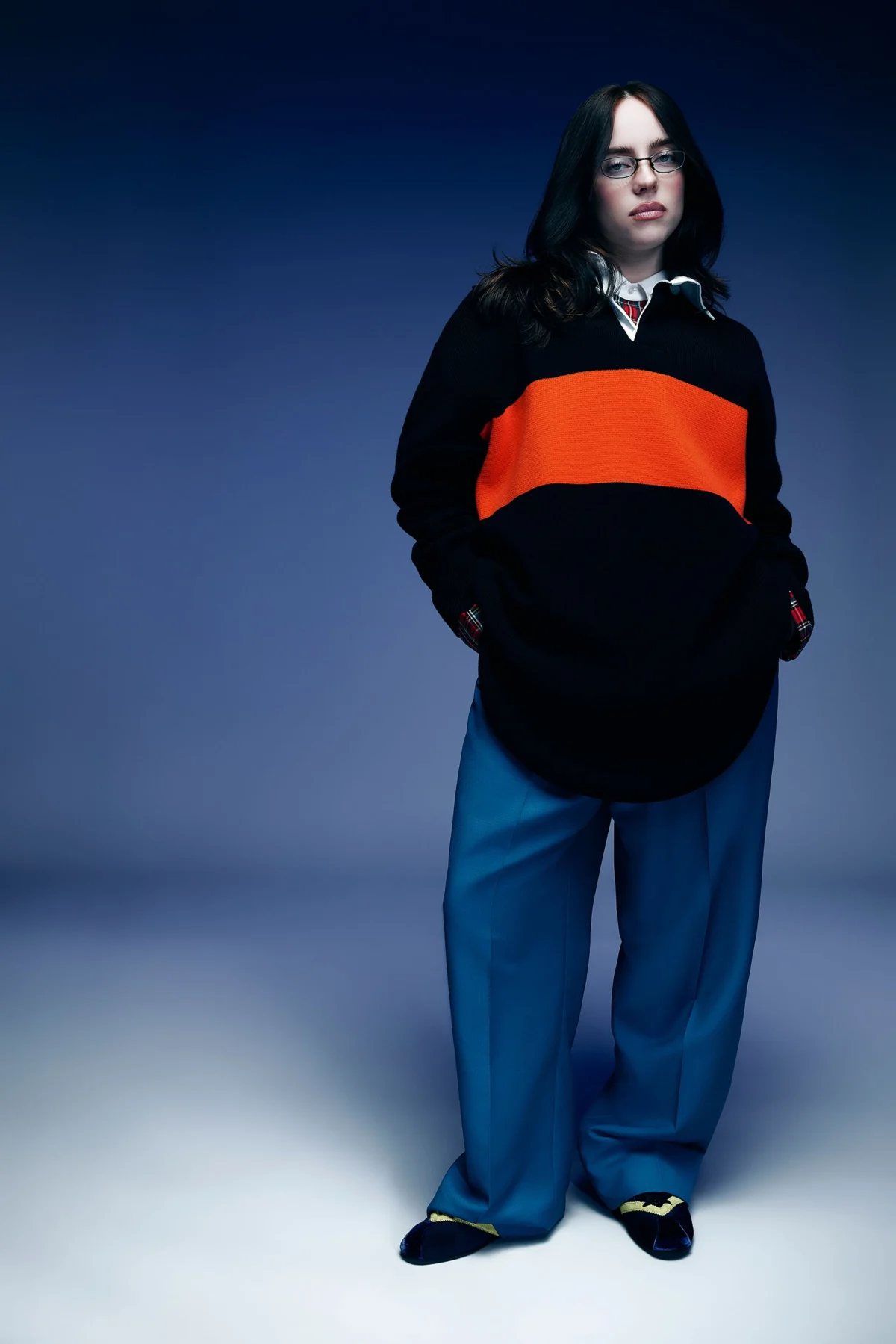
Nearly a decade has passed since a 13-year-old Billie Eilish uploaded a track titled "Ocean Eyes" to SoundCloud, a move intended to share a song with her dance teacher that instead triggered a seismic shift in the global pop landscape. Today, at 24, Eilish stands as a definitive icon of the digital age, yet she expresses profound uncertainty regarding whether the very platform that birthed her career could still foster a similar ascent in the current technological climate. Speaking on the evolution of the industry, Eilish admitted to a sense of bewilderment when considering where the next generation of superstars might emerge, noting that the landscape of 2026 bears little resemblance to the experimental, less-regulated digital frontier of 2015.
The trajectory of Billie Eilish Pirate Baird O’Connell is often cited as the blueprint for the modern "internet-native" artist. However, as she prepares to release her latest project—a high-tech concert film titled Hit Me Hard and Soft: The Tour (Live in 3D)—the artist is signaling a pivot toward the tangible. Produced in collaboration with Academy Award-winning director James Cameron, the film is designed to immerse audiences in a physical, collective experience, serving as a counter-narrative to the increasingly fragmented and AI-driven nature of online consumption. This move highlights a growing tension in the music industry: while the internet remains the primary gateway for access, the "noise" of the modern web has made authentic discovery more difficult than ever before.
The SoundCloud Era and the Genesis of a Pop Icon
To understand the magnitude of Eilish’s rise, one must look at the digital ecosystem of the mid-2010s. When "Ocean Eyes" was released in November 2015, SoundCloud was transitioning from a niche repository for electronic producers and indie artists into a powerhouse of cultural influence. It was the era of "SoundCloud Rap," where artists like Chance the Rapper and the Odd Future collective were bypassing traditional label gatekeepers to build massive, insular fanbases. Eilish, alongside her brother and primary collaborator Finneas O’Connell, adopted this DIY ethos but applied it to a haunting, minimalist pop aesthetic.

By 2016, the momentum generated on SoundCloud led to her signing with The Darkroom, an imprint of Interscope Records. Unlike the pop stars of the previous decade, who were often introduced through rigorous radio campaigns and polished Disney-style grooming, Eilish’s brand was built on "hyper-transparency." Her Instagram presence was chaotic, relatable, and seemingly uncurated, which resonated deeply with a Gen Z audience that was beginning to reject the highly manufactured perfection of early-2010s celebrity culture.
The data reflects the efficacy of this strategy. Her 2019 debut album, When We All Fall Asleep, Where Do We Go?, debuted at number one on the Billboard 200 and made her the first artist born in the 2000s to have a number-one album in the United States. By the age of 18, she had achieved a "Big Four" sweep at the Grammy Awards—winning Best New Artist, Record of the Year, Song of the Year, and Album of the Year in a single night—a feat previously accomplished only by Christopher Cross in 1981.
The Shift from Organic Discovery to Algorithmic Manipulation
While Eilish’s rise appeared organic to the casual observer, it eventually became a focal point for debates regarding industry gatekeeping. As early as 2019, critics began applying the term "industry plant" to Eilish, suggesting that her "indie" origins were a calculated marketing ruse backed by major label resources. Musicologists, including Paula Harper of the University of Chicago, note that Eilish became a "rhetorical figure" used to articulate the shifts of the digital age. The debate centered on whether any artist could truly "break" without the quiet intervention of Spotify playlisting and corporate backing.
In the years following Eilish’s breakthrough, the mechanism of discovery shifted from user-driven platforms like SoundCloud to algorithm-driven platforms like TikTok. In 2026, the challenge for new artists is no longer just finding an audience, but competing with "AI slop"—a term used to describe the deluge of artificially generated content, fake streams, and bot-driven engagement that clogs digital pipelines.

Industry analysts point out that while technology has made art more "attainable" to create, it has paradoxically made it harder to see. In the current market, the relationship between social media and music has inverted. Historically, a viral moment might lead to a record deal; now, major labels often use TikTok as a secondary marketing tier for established acts. Ryan Broderick, a chronicler of internet culture, argues that most marketing companies today cannot actually manipulate "The Algorithm" to create a star from scratch. Instead, they amplify what the platforms have already deemed profitable, creating a feedback loop that favors established tropes over genuine innovation.
Technical Innovation and the James Cameron Collaboration
In response to the "horrible" noise of the modern internet—a space Eilish admits she still frequents despite its toxicity—she has turned to cinema to reclaim the narrative of her artistry. The upcoming film Hit Me Hard and Soft: The Tour (Live in 3D) represents a significant technological investment in the "live" experience. Shot using advanced 3D technology developed by James Cameron’s Lightstorm Entertainment, the film aims to bridge the gap between the digital screen and the physical arena.
The decision to work with Cameron, a filmmaker synonymous with pushing the boundaries of visual immersion in Avatar and Titanic, suggests a desire to elevate the concert film genre beyond mere documentation. The project features:
- Immersive Audio: Utilizing Dolby Atmos spatial audio to replicate the acoustics of a live stadium.
- 3D Depth Mapping: Designed to make the viewer feel as though they are on stage with Eilish, a direct contrast to the flat, two-dimensional experience of a smartphone screen.
- Fan Integration: The film includes documentary segments featuring interviews with "acolytes"—fans who describe their parasocial and physical connections to Eilish’s music.
This project is a strategic "call to touch grass," urging a generation that grew up online to seek out collective, IRL (In Real Life) experiences in multiplexes. It serves as a testament to Eilish’s belief that while technology is "messy," the core of human-made art—live music and live audiences—is resilient against the threat of AI.

Chronology of a Decade in the Spotlight
- November 2015: "Ocean Eyes" is uploaded to SoundCloud, garnering hundreds of thousands of plays overnight.
- 2016: Eilish signs with The Darkroom/Interscope; "Ocean Eyes" is officially released as a single.
- 2017: Release of the EP Don’t Smile at Me, which spends over 18 months on the Billboard 200.
- March 2019: Release of When We All Fall Asleep, Where Do We Go?; Eilish becomes a global phenomenon.
- January 2020: Historical sweep at the 62nd Annual Grammy Awards.
- February 2021: Release of the Apple TV+ documentary The World’s a Little Blurry, revealing the intense pressures of her sudden fame.
- 2024-2025: The "Hit Me Hard and Soft" era begins, focusing on environmental sustainability in touring and high-fidelity fan experiences.
- May 8, 2026: Scheduled release of Hit Me Hard and Soft: The Tour (Live in 3D) in global cinemas.
Implications for the Future of the Music Industry
The evolution of Billie Eilish from a SoundCloud anomaly to a 3D cinematic subject mirrors the broader trajectory of the music industry’s struggle with digital identity. As Eilish herself notes, the "next Billie Eilish" may not come from a platform at all, but from a return to "real stuff made by humans."
The implications of her current stance are two-fold. First, it suggests that the era of the "unfiltered" internet star may be ending, replaced by a more defensive, curated approach to fame that prioritizes mental health over constant engagement. Eilish’s admission that she "has to click the comments" despite knowing they are harmful highlights the psychological toll that 24/7 connectivity takes on artists.
Second, the industry is seeing a bifurcated market. On one side is the "algorithmic stream," dominated by background music and AI-assisted tracks designed for short-form video. On the other is the "prestige experience," where artists like Eilish, Taylor Swift, and Beyoncé leverage massive physical tours and cinematic events to create high-value, non-replicable moments.
As the music world moves further into the late 2020s, the "SoundCloud-rap pop star" model that Eilish pioneered appears to be a relic of a more optimistic digital age. While Eilish remains a "cheerleader" for new talent, her transition into the realm of 3D cinema and high-concept artistry serves as a reminder that in an age of infinite digital reproduction, the most valuable commodity remains the authentic human connection. Whether the next generation can find a way to forge that connection through the "slop" of the modern internet remains the industry’s most pressing unanswered question.