
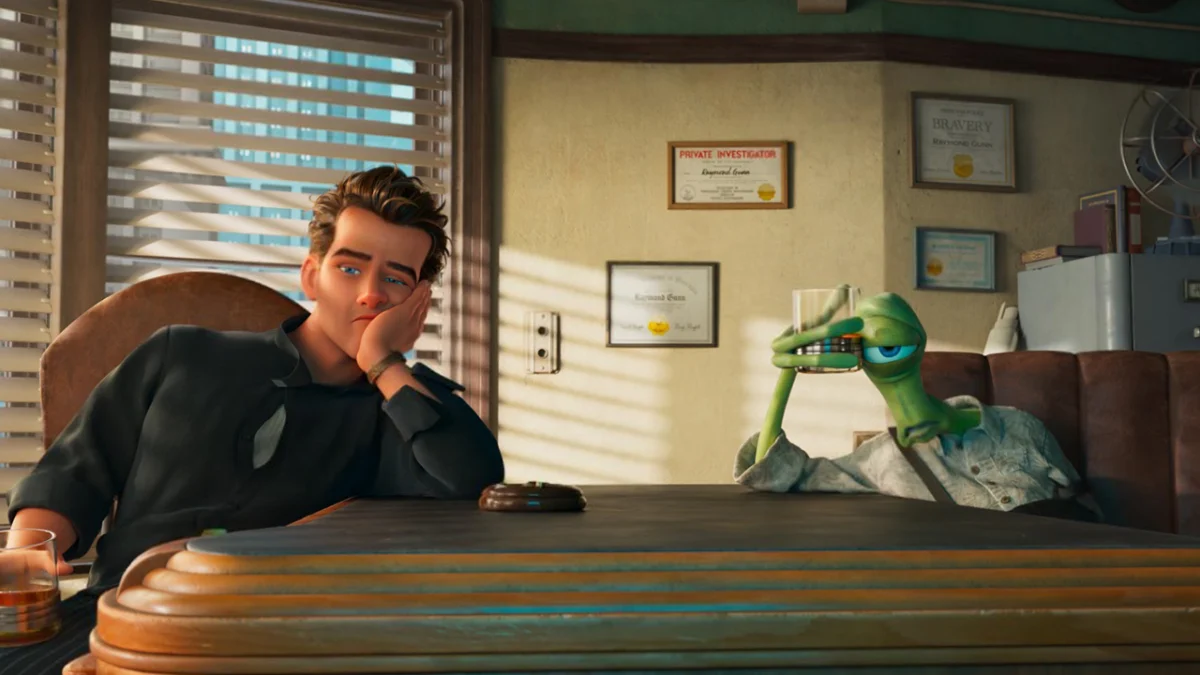
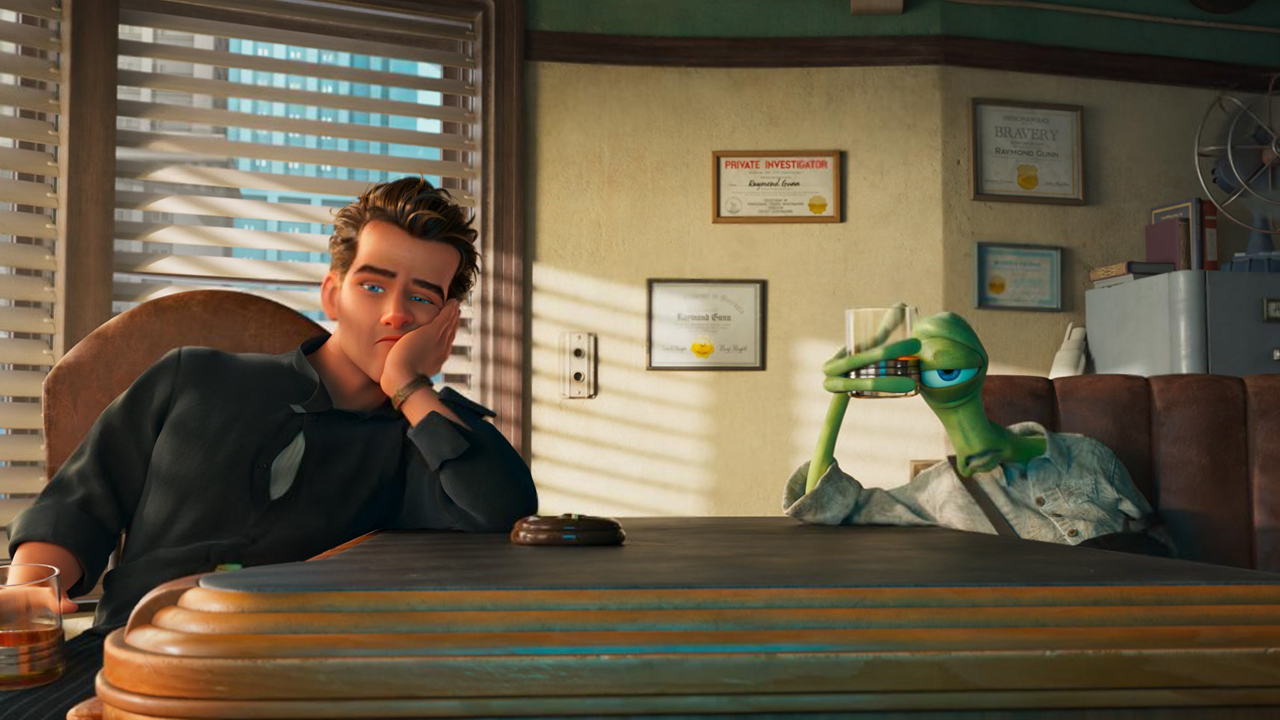
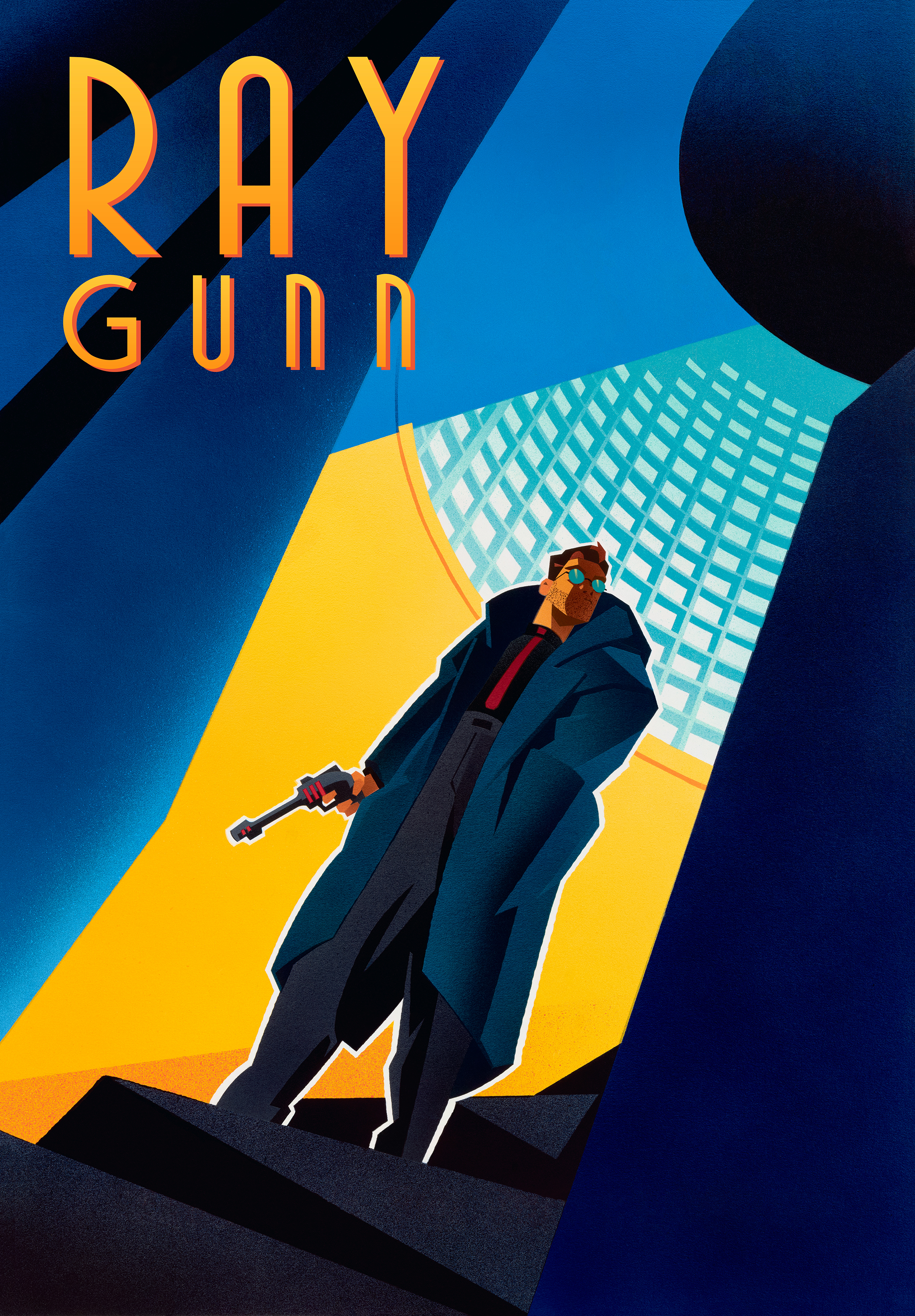
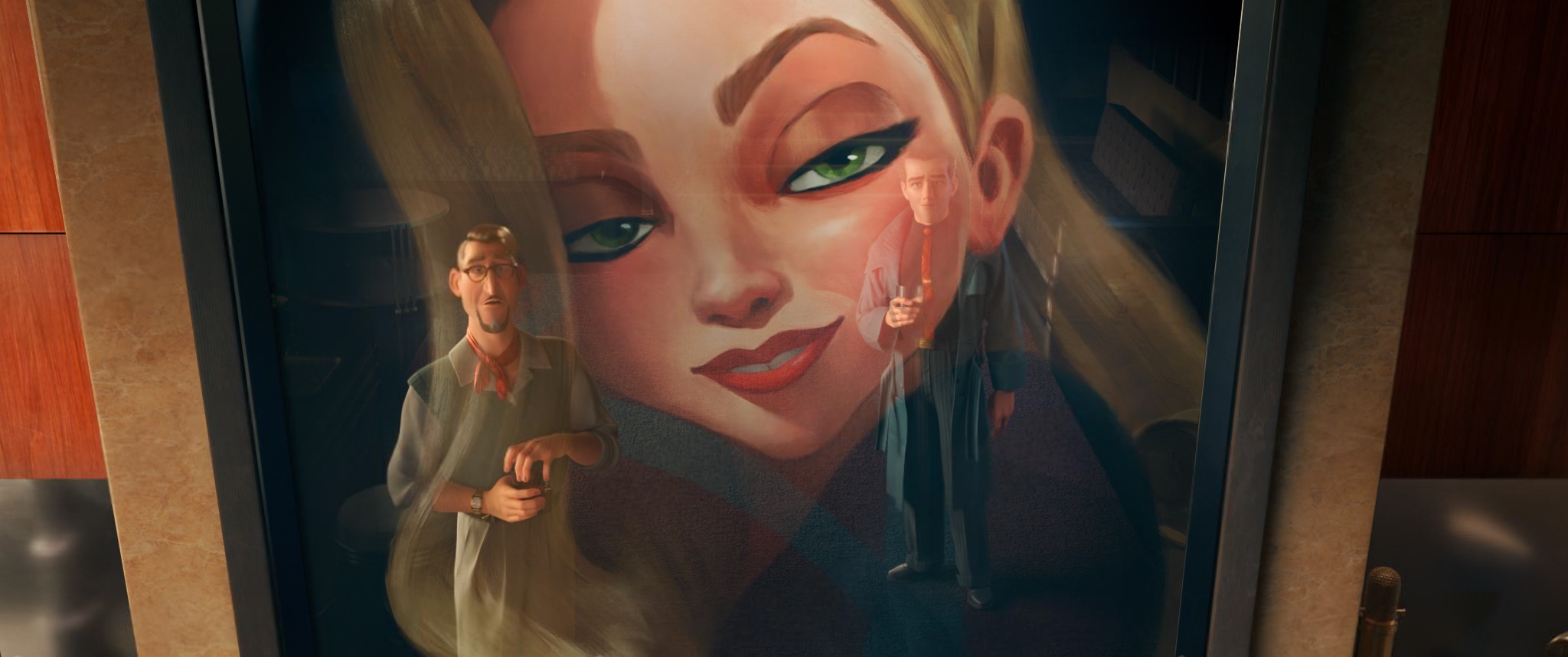
The long-gestating animated feature, Ray Gunn, a passion project from two-time Academy Award-winning director Brad Bird, is set to make a significant splash with its impending release. Following decades in various stages of development, the sci-fi noir epic is confirmed for a late 2026 premiere exclusively on Netflix, signaling its status as a tentpole animated offering for the streaming giant. New concept art and "first look" images have recently been unveiled, offering the public a glimpse into the meticulously crafted retro-futuristic world of Metropia. The film’s presence is further solidified by an anticipated feature at the prestigious Annecy International Animation Film Festival in 2026, a move that often precedes major awards season campaigns and signals high artistic ambition.
This animated movie, featuring a star-studded voice cast including Sam Rockwell and Scarlett Johansson, is poised to be a serious contender in the upcoming awards season. Its release marks the culmination of an ambitious creative endeavor, representing the third feature film under the multi-year deal between Netflix and Skydance Animation, following 2024’s Spellbound and 2026’s Swapped. The initial announcement of Ray Gunn as part of the Skydance Animation slate coming to Netflix in 2024 generated considerable industry buzz, largely due to Bird’s esteemed reputation and the project’s legendary development history. Until now, specific details remained scarce, fueling anticipation among animation aficionados and film critics alike. Recent updates, however, have provided substantial information regarding the voice cast, newly released visual assets, the intricate plot, the formidable creative team, and the project’s remarkable three-decade journey to the screen.
The Plot: A Sci-Fi Noir Unveiled in Metropia
Ray Gunn is described as an ambitious sci-fi noir, a genre blend that fuses the classic pulp detective tropes of the 1930s with expansive, futuristic world-building. Intriguingly, this futuristic vision is grounded entirely on Earth, creating a unique aesthetic and thematic canvas. The official synopsis provides a compelling setup: “In Metropia, a gigantic city in an alternate future as seen from 1939, private eye Raymond Gunn is drawn into a case involving aliens, murder, and a multimedia star named Venus Nova.”
The narrative unfolds within the sprawling, retro-futuristic metropolis of Metropia, a city where humans and aliens navigate a complex, often uneasy, coexistence. The protagonist, a hardboiled private investigator named Raymond Gunn, finds his professional life irrevocably altered when he accepts a new murder case. This seemingly routine investigation quickly spirals into a much larger conspiracy, one that appears to revolve around Metropia’s most prominent celebrity. The juxtaposition of classic film noir elements—a cynical detective, a femme fatale (perhaps embodied by Venus Nova), and a labyrinthine mystery—with a visually imaginative sci-fi backdrop promises a distinctive cinematic experience.
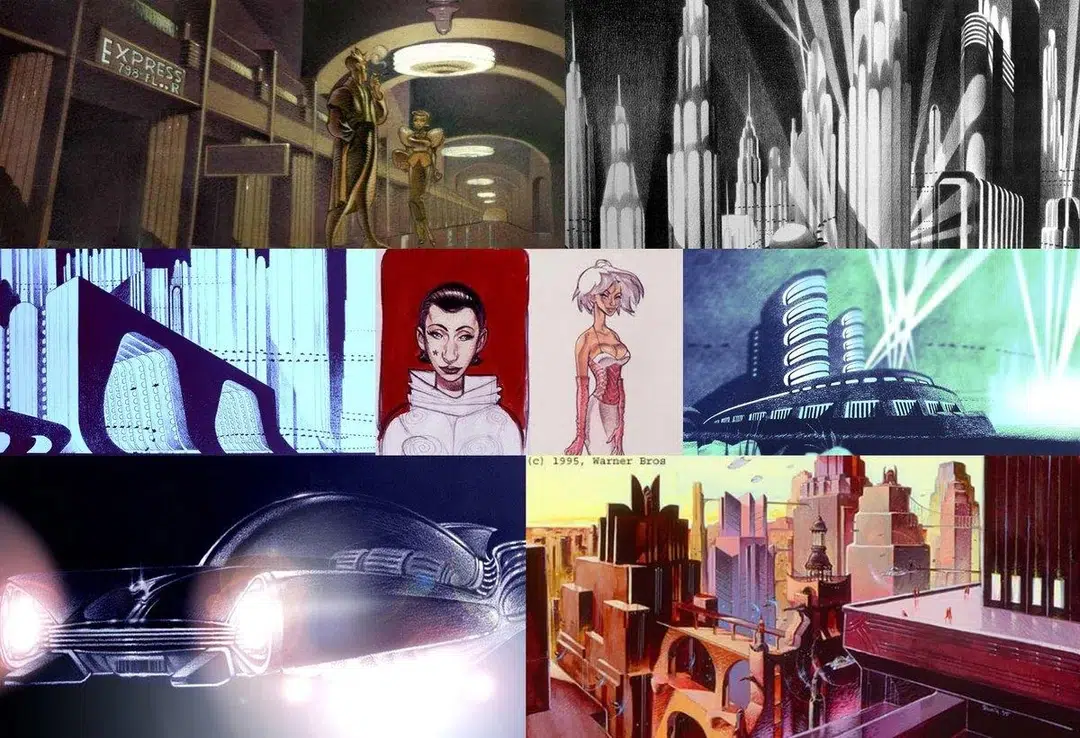
Director Brad Bird recently elucidated the film’s genre fusion in a public statement. "RAY GUNN has been in my mind for over 30 years," Bird revealed. "The film is a blend of sci-fi and classic detective movies from the ‘40s…it’s Maltese Falcon meets Buck Rogers. I’ve been a fan of both of those sort of genres, and blending them together seemed fun, and a chance to play with a lot of very cinematic elements, and extreme characters.” This statement underscores Bird’s intention to leverage the strengths of both animation and disparate genres to craft a story that is visually stunning, narratively complex, and emotionally resonant. The concept art released depicts a cityscape teeming with futuristic architecture yet imbued with the shadowy, rain-slicked atmosphere characteristic of noir, further enhancing the film’s genre hybridity.
The Star-Studded Voice Cast Illuminates Metropia
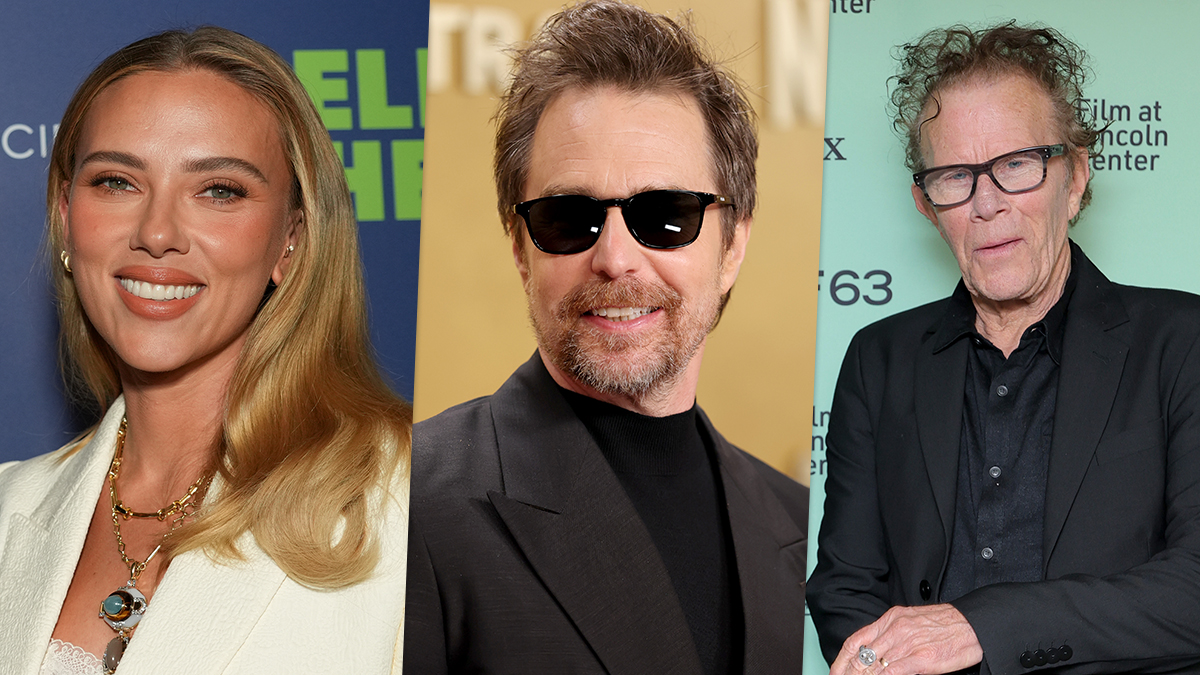
Netflix and Skydance Animation have assembled an impressive ensemble of vocal talent to animate the diverse inhabitants of Metropia. While specific character roles are yet to be fully detailed, the confirmed cast includes:
- Sam Rockwell: Known for his versatility and distinctive voice work in films like Moon and Jojo Rabbit. His ability to convey complex emotions and nuanced characterizations makes him an ideal choice for a hardboiled detective.
- Scarlett Johansson: An acclaimed actress with a strong presence in both live-action and voice roles (e.g., Her, Isle of Dogs). Her casting as Venus Nova suggests a character of significant allure and mystery, central to the film’s conspiracy.
- Tom Waits: The legendary musician and actor, whose gravelly, iconic voice is instantly recognizable. His inclusion hints at a character with a unique, perhaps enigmatic, persona, adding another layer of texture to the vocal performances.
Additional cast members are anticipated to be announced as the film approaches its 2026 release date, further expanding the roster of talent involved. Scarlett Johansson, commenting on her involvement, expressed profound admiration for Brad Bird’s artistic vision. "Having the opportunity to collaborate with Brad Bird is a career milestone for me; I have loved his work my entire life," Johansson stated. "This project is so uniquely special because it is a total realization of where Brad is currently on his artistic journey. I can’t wait for audiences to see this extraordinary animation that looks like nothing else out there.” Her remarks highlight the unique artistic direction of Ray Gunn and the director’s enduring influence on the animation landscape. The casting of Johansson and Rockwell had initially surfaced through unofficial channels, with a test screening in late 2025 reportedly revealing their participation. This information was subsequently corroborated by an animator on the project before Netflix issued its official confirmation of Rockwell, Johansson, and Waits.
The Visionary Team Behind Ray Gunn
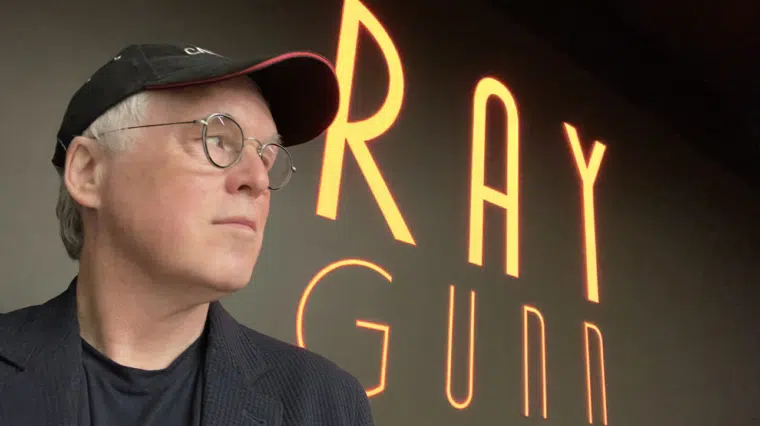
At the helm of Ray Gunn is two-time Academy Award winner Brad Bird, a visionary filmmaker whose career is marked by a series of critically acclaimed and commercially successful animated classics. Bird’s filmography includes The Iron Giant (1999), lauded for its emotional depth and mature themes; The Incredibles (2004) and Ratatouille (2007), both Oscar winners for Best Animated Feature; and Mission: Impossible – Ghost Protocol (2011), showcasing his prowess in live-action filmmaking. His return to animation, particularly with such a personal project, is a significant event for the industry. Bird not only directs Ray Gunn but also developed the original story and co-wrote the screenplay alongside Matthew Robbins, known for his work on Guillermo del Toro’s Pinocchio (2022) and Crimson Peak (2015). Robbins’s experience in crafting intricate narratives with fantastical or dark elements aligns well with the sci-fi noir premise of Ray Gunn.
The film benefits from a vast and highly accomplished creative team working behind the scenes. This includes:
- Producers: John Lasseter, David Ellison, Dana Goldberg, and Don Granger, who bring extensive experience in animation and major studio productions. Their involvement underscores the scale and strategic importance of the project.
- Executive Producer: Holly Edwards, further strengthening the leadership team.
- Art Director: Lou Romano, a frequent collaborator with Bird, known for his distinctive visual style.
- Production Designer: Teddy Newton, whose contributions are crucial for establishing the unique aesthetic of Metropia.
- Character Designer: Tony Fucile, instrumental in bringing Bird’s "extreme characters" to life.
- Composer: Michael Giacchino, an Academy Award winner and regular collaborator with Bird, whose scores for The Incredibles and Ratatouille are iconic. His ability to blend orchestral grandeur with genre-specific motifs will be vital for the film’s noir atmosphere.
- Head of Story: Mark Andrews, a seasoned animation veteran.
- Editor: Stephen Schaffer, ensuring the film’s pacing and narrative flow.
The collaboration of such seasoned professionals, many of whom have long-standing relationships with Brad Bird, suggests a cohesive artistic vision and a deep understanding of the intricacies of animated storytelling. The visual assets released, including the concept art of the Metropia skyline and the striking poster, already hint at a distinct and immersive world, promising a cinematic experience that pushes the boundaries of animation.
A Three-Decade Odyssey: The Long Road to Production
The journey of Ray Gunn to the screen has been protracted, spanning nearly three decades, solidifying its status as Brad Bird’s ultimate passion project. The initial script, co-written by Bird and Matthew Robbins, dates back to 1996. The project was originally set up for development at Turner Animation, then a division of Warner Bros. For many years, Ray Gunn was envisioned as a 2D hand-drawn animated film, a testament to Bird’s deep appreciation for traditional animation techniques. However, it faced significant hurdles in securing studio backing, primarily due to its ambitious scale, mature themes, and its status as an original, non-franchise property. The animation industry has historically favored projects with established intellectual property or more family-friendly premises, making it challenging for unique, genre-bending concepts like Ray Gunn to gain traction. Early versions of these scripts have circulated online, providing a glimpse into the project’s foundational ideas.
The tide finally turned when the project was revived under Skydance Animation, a studio that initially partnered with Apple TV+. The shift saw Ray Gunn, a massive sci-fi epic reportedly carrying a budget exceeding $150 million, transition from its original 2D roots into a cutting-edge CG animated feature. This budgetary commitment highlights the studio’s confidence in Bird’s vision and the project’s commercial and artistic potential. The film found its current home when Skydance Animation forged a multi-year overall pact with Netflix, which subsequently took over the studio’s upcoming slate. Cinesite, a prominent visual effects and animation studio, has also been confirmed to be assisting in the feature’s production, indicating the complex technical demands of bringing Metropia to life.
For Brad Bird, Ray Gunn represents more than just a film; it is an opportunity to challenge perceptions and expand the scope of the animation medium. "There’s a big chunk of people who don’t watch animation," Bird observed in a recent press release. "That’s a group I’m anxious to persuade because it’s an amazing art form that is way too limited in people’s minds. Animation as a medium is too interesting to limit what kind of stories can be told.” This statement encapsulates Bird’s long-standing advocacy for animation as a versatile storytelling tool capable of exploring a broad spectrum of narratives, not just those aimed at children. Despite industry whispers of internal creative shifts and a potentially turbulent production cycle at Skydance—common challenges for large-scale animation projects—the animation community remains fervently eager to witness Bird’s uncompromising vision finally realized.
Strategic Context: Netflix’s Animation Ambitions and Skydance Partnership
The acquisition and high-profile backing of Ray Gunn underscore Netflix’s strategic commitment to expanding its animation portfolio and positioning itself as a major player in the global animation landscape. The multi-year deal with Skydance Animation, overseen by industry veteran John Lasseter, is a cornerstone of this strategy. This partnership allows Netflix to leverage Skydance’s production capabilities and Lasseter’s experience, aiming to produce a consistent slate of high-quality animated features. By investing in projects like Ray Gunn, with a substantial budget and a renowned director, Netflix aims to attract both a broader audience and critical acclaim, directly competing with established animation powerhouses like Disney, Pixar, and DreamWorks.
This move is particularly significant as Netflix navigates an increasingly competitive streaming market, where original content, especially in genres like animation, plays a crucial role in subscriber acquisition and retention. The platform’s emphasis on director-driven projects, as exemplified by Ray Gunn, also suggests an effort to cultivate a reputation for artistic freedom and innovation within the animation industry. The success of Ray Gunn could further solidify Netflix’s standing as a premier destination for diverse animated storytelling, potentially paving the way for more original, mature-themed animated features that defy traditional genre classifications.
Anticipation and Implications: Annecy 2026 and Awards Potential
While Netflix has not yet announced an exact release date for Ray Gunn, the official confirmation of a 2026 premiere (with expectations leaning towards late 2026) alongside the new "First Look" images has intensified anticipation. Given the film’s caliber, ambitious scope, and the pedigree of its director and cast, a grand festival premiere is widely expected. The Annecy International Animation Film Festival in 2026 is a strong candidate for such a debut. Annecy is globally recognized as the most prestigious event dedicated to animation, and a premiere there would not only generate significant international buzz but also immediately position Ray Gunn as a serious contender for major awards.
The film’s unique blend of sci-fi and noir, combined with Bird’s renowned storytelling ability and technical craftsmanship, makes it a strong candidate for critical accolades, including the Academy Award for Best Animated Feature. The detailed concept art and the directorial statements suggest a visually rich and narratively sophisticated film that could resonate deeply with both critics and discerning audiences. Beyond awards, Ray Gunn‘s success could have broader implications for the animation industry, demonstrating the viability of original, adult-oriented animated features and potentially inspiring other studios to greenlight more unconventional projects. It would also reinforce Brad Bird’s legacy as a director continually pushing the boundaries of what animation can achieve, proving that the medium is boundless in its capacity for storytelling.
In conclusion, Ray Gunn represents a confluence of artistic vision, significant investment, and decades of perseverance. Its journey from a 1996 script to a highly anticipated Netflix original feature in 2026, with a likely showcase at Annecy, underscores its importance as a landmark project for Brad Bird, Netflix, and the animation industry as a whole. The unveiling of new concept art and the confirmation of its star-studded cast further cement its position as one of the most exciting cinematic prospects on the horizon.