


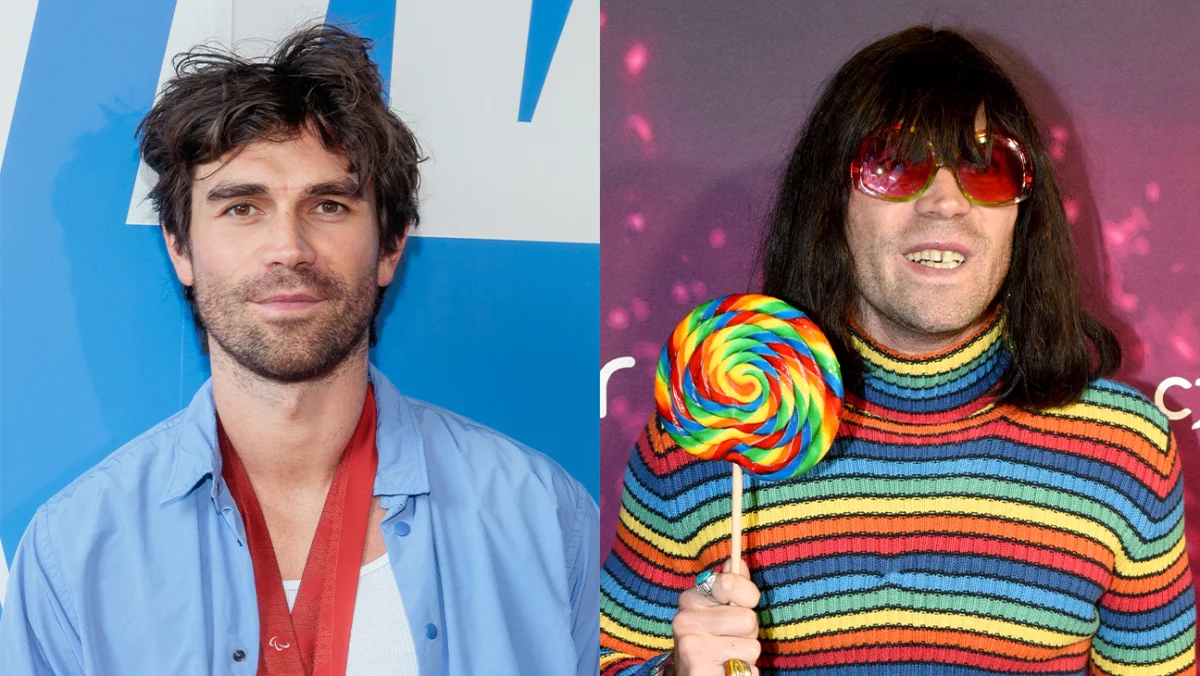
In a dramatic turn of events that has sent shockwaves through Hollywood and social media alike, Riverdale star KJ Apa has publicly accused the viral sensation Mr. Fantasy of deliberately stealing and misappropriating his image, leading to significant professional setbacks for the actor. Apa, who had remained conspicuously silent for months despite pervasive fan speculation that Mr. Fantasy was his alter ego, broke his silence in a lengthy and visibly distressed video posted to his Instagram account on Wednesday, laying bare the profound personal and career implications of what he describes as a calculated act of deception. The accusation marks a stark escalation in the curious relationship between the two public figures, moving from a quirky fan theory to a serious allegation of image infringement and reputational sabotage.
The Genesis of a Social Media Phenomenon
The enigmatic figure known as Mr. Fantasy first burst onto the digital scene in September 2025, quickly captivating audiences with an eccentric personality, a distinctive quirky style, and a signature black bob haircut. His rapid ascent to viral fame was propelled not only by his unique persona but also by an uncanny resemblance to Apa, which eagle-eyed fans were quick to point out. Central to these burgeoning theories was the undeniable fact that Mr. Fantasy appeared to possess the exact same tattoos as the Riverdale actor, a detail that fueled fervent speculation across platforms like TikTok, where Mr. Fantasy has amassed a staggering following of over 1.2 million.
Throughout late 2025, Mr. Fantasy’s star continued its meteoric rise. He transitioned from internet curiosity to a legitimate performer, famously delivering a memorable rendition of his titular song, “Mr. Fantasy,” at the iconic Macy’s Thanksgiving Day Parade. This high-profile performance cemented his status, further blurring the lines between internet sensation and mainstream entertainer. Despite the growing buzz and the increasingly vocal comparisons, Apa maintained a stoic silence, neither confirming nor denying the alter ego theories, leaving fans and industry observers alike to ponder the true nature of their connection.
Apa Breaks His Silence: A Vehement Denunciation
Apa’s carefully maintained silence shattered on a recent Wednesday, when he uploaded a powerful and emotionally charged video to his Instagram. In a tone marked by gravity and discernible frustration, Apa addressed the long-standing issue head-on. "So there has been something going on for a long time that I haven’t addressed because I didn’t think it was even worth addressing," Apa began, his voice laced with a mixture of anger and disappointment. "But now, because of how it’s impacted my life personally, I feel like I have to talk about it, and I don’t usually do this, take things here to talk about. But I have to do it now because it’s hurting me, and my career."
The actor’s primary grievance centered on the release of a new music video by Mr. Fantasy, which he claims featured individuals "really close" to him. "There was recently a music video that was released that included a bunch of people who were really close to me by a guy who’s completely and utterly stolen my image and misappropriated my image. And I think we all know who we’re talking about," Apa stated, deliberately refraining from naming Mr. Fantasy directly, yet leaving no doubt as to the target of his ire.
The music video in question, for Mr. Fantasy’s new song “Do Me Right,” was released just last week and prominently features a constellation of celebrities. Among them were Apa’s Riverdale co-stars Camila Mendes, Lili Reinhart, and Madelaine Petsch, whose appearances in Mr. Fantasy’s production likely amplified Apa’s sense of betrayal and appropriation. The video also boasted cameos from other notable figures, including Alex Warren, Dave Franco, Rob Lowe, Nick Jonas, Neal McDonough, Hough Kiernan, Patrick Schwarzenegger, Sombr, and Zoey Deutch, lending significant weight and legitimacy to Mr. Fantasy’s burgeoning career. The presence of Apa’s professional colleagues in a project that he now vehemently condemns as an act of theft adds a layer of complexity and potential awkwardness to an already fraught situation.
The Devastating Impact on Apa’s Career
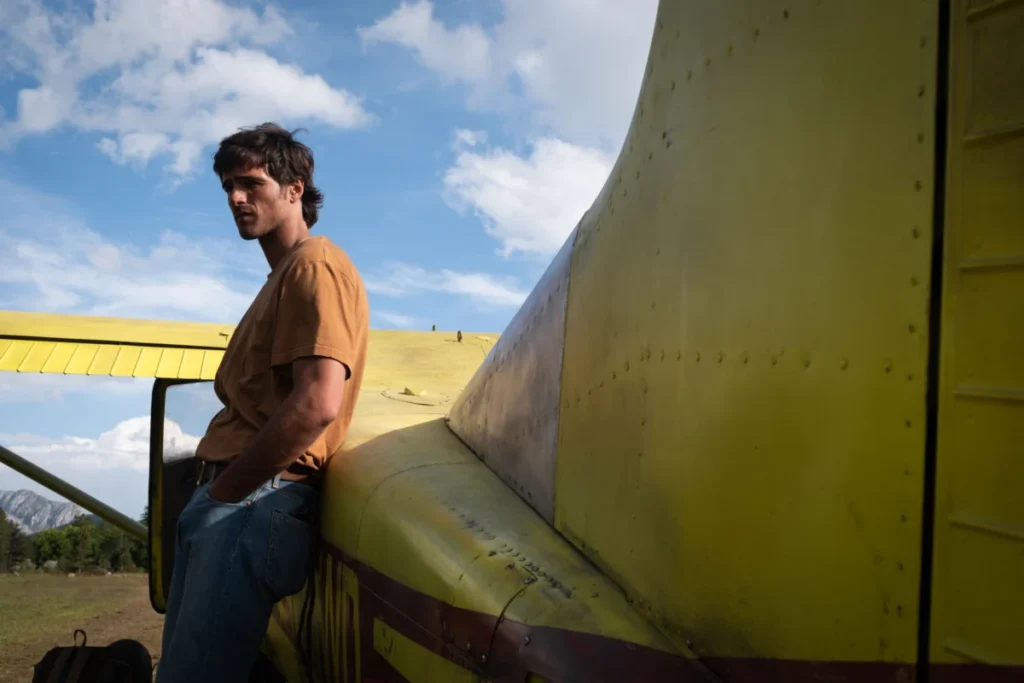
Apa unequivocally linked Mr. Fantasy’s actions to tangible damage to his professional standing. His voice rising with indignation, he declared, "It’s fucked up. It’s fucked up because I just lost on a huge job. And can no longer go in for serious work because people think that I’m a joke because of this guy." This statement represents a critical escalation, moving beyond mere annoyance to a direct claim of financial and reputational harm. For an actor like Apa, known for his lead role as Archie Andrews in the popular CW series Riverdale and his work in films like The Map That Leads to You, losing a "huge job" and being perceived as a "joke" in the competitive landscape of Hollywood could have long-lasting and severe consequences.
Apa articulated the core of his complaint: "If anyone out there thinks that it’s OK to take someone’s image, literal tattoos, and to use it for their own success, it’s completely wrong. And I can’t just sit back and watch it happen and see my life literally, everything that I’ve worked hard for, now come to a halt because of this fucking idiot." His impassioned plea underscored the unique nature of this dispute, where the alleged theft isn’t just of an idea or a concept, but of a deeply personal and identifiable physical image, down to the intricate details of his tattoos.
He concluded his emotional address with a scathing critique of Mr. Fantasy’s public persona: "You know, this person advocates for positivity and for kindness and for all of this stuff. Look in the mirror and tell yourself that you’re not a fucking liar and a thief because that’s exactly what you are." This direct challenge highlights the perceived hypocrisy of Mr. Fantasy’s brand, juxtaposing his outward message of benevolence with Apa’s accusation of malicious appropriation.
Mr. Fantasy’s Previous Stance on Comparisons
While Apa’s recent outburst marks his first public statement on the matter, Mr. Fantasy has previously addressed the constant comparisons to the Riverdale actor. During an interview with The Hollywood Reporter last year (presumably in 2025, following his initial viral surge), Mr. Fantasy conveyed an air of nonchalance regarding the swirling rumors. "Not bothered by it, not bothered by it," he stated at the time, dismissing the notion that the comparisons affected him negatively. "Things bother me sometimes, but I keep my eyes upward, and I keep trudging the happy road of happy destiny. You know, things can be hurtful, sure, but I focus on the positive. I focus on the people whom I love and who love me and that have a positive influence on my life, like James Franco."
This previous statement offers a stark contrast to Apa’s current anguish. Mr. Fantasy’s serene, almost philosophical response at the time painted him as impervious to the online chatter, focusing instead on his own positive trajectory and supportive circle. This makes Apa’s recent, fiery denunciation all the more impactful, as it directly challenges Mr. Fantasy’s carefully curated image of positivity and dismisses his previous claims of being unbothered by the comparisons that Apa now alleges are acts of theft.
The Broader Implications: Image Rights in the Digital Age
The escalating conflict between KJ Apa and Mr. Fantasy brings into sharp focus the complex and often murky legal and ethical landscape of celebrity image rights, particularly in the age of viral internet phenomena and digital alter egos. While the concept of a celebrity alter ego is not new – famously exemplified by artists like Garth Brooks as Chris Gaines or Beyoncé as Sasha Fierce – these have typically been controlled creations by the celebrity themselves. The Apa-Mr. Fantasy situation presents a unique twist, where one party vehemently denies any connection and alleges outright theft by another who benefits from the resemblance.
Apa’s claim of "stolen image" and "literal tattoos" touches upon fundamental questions of intellectual property and personality rights. In many jurisdictions, individuals have a right to control the commercial use of their name, image, and likeness. If Mr. Fantasy has indeed replicated Apa’s distinctive tattoos and persona to build his own brand without consent, Apa could potentially have grounds for a lawsuit alleging misappropriation of likeness, unfair competition, or even defamation if the association negatively impacts his professional standing. The fact that Apa explicitly states he "lost on a huge job" and "can no longer go in for serious work" due to Mr. Fantasy’s actions could form the basis for a significant claim of damages.
Moreover, the involvement of Apa’s Riverdale co-stars and other prominent celebrities in Mr. Fantasy’s music video adds another layer of complexity. While their appearances may have been innocent or unaware of Apa’s deep-seated grievances, it inadvertently lends credence to Mr. Fantasy and creates a perceived association that Apa now finds detrimental. This could raise questions about due diligence for celebrities appearing in projects that might involve controversial or potentially infringing elements.
The public’s initial embrace of the alter ego theory highlights a broader cultural fascination with hidden identities and celebrity personas. However, Apa’s recent statement forces a re-evaluation of this narrative, shifting it from playful speculation to a serious accusation of exploitation. This incident could set a precedent or at least spark further discussion within the entertainment industry regarding how far an individual can go in adopting or mimicking the public image of another, especially when commercial gain and reputational harm are at stake.
What Lies Ahead?
As of now, Mr. Fantasy has yet to issue a direct response to Apa’s incendiary accusations. The entertainment world is keenly awaiting his statement, which could either clarify the situation, offer a rebuttal, or further complicate an already entangled narrative. The dramatic nature of Apa’s public condemnation suggests that he is prepared to pursue all available avenues to protect his image and career. This could involve legal action, which, if pursued, would likely delve deep into the specifics of image rights, creative control, and the blurry lines between inspiration, homage, and outright theft in the digital age.
For fans, the situation has shifted from an intriguing mystery to a genuine conflict. The initial enjoyment of the "is he or isn’t he?" game has been replaced by concern for Apa’s career and a demand for clarity from both parties. The outcome of this high-stakes public dispute between KJ Apa and Mr. Fantasy will undoubtedly resonate across the entertainment industry, influencing how celebrities and content creators navigate the increasingly complex landscape of digital identity and intellectual property. The stage is set for a potentially protracted and public battle over image, authenticity, and the very definition of a stolen identity in the modern era.