
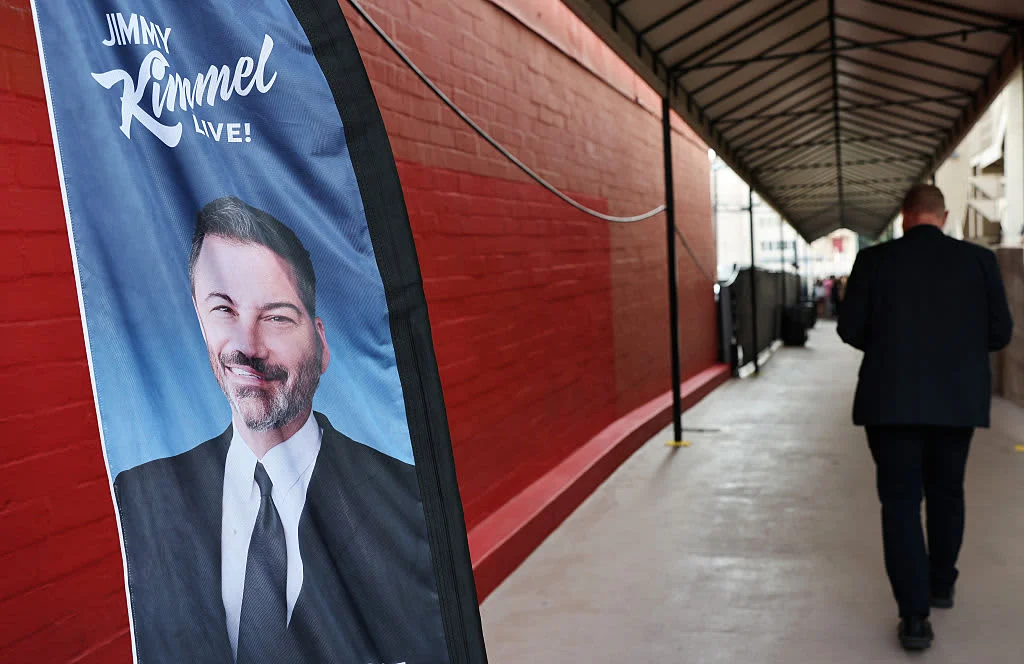
The intersection of political power and corporate media reached a new flashpoint this week as President Donald Trump revived his public campaign to have Disney-owned ABC terminate late-night host Jimmy Kimmel. This latest confrontation, sparked by a controversial monologue regarding First Lady Melania Trump, represents a significant challenge for the legacy media giant and its newly installed leadership. As the Trump administration enters its second term, the pressure on satirists and the networks that host them has moved beyond rhetorical sparring, increasingly involving the federal regulatory apparatus and the strategic decisions of broadcast affiliates.
The current controversy stems from a comedy sketch aired last week in which Kimmel referred to Melania Trump as an "expectant widow." The remark, made just days prior to an alleged assassination attempt at the White House Correspondents’ Dinner, drew immediate and sharp condemnation from the First Family and the White House communications team. Melania Trump, utilizing her official platform on X (formerly Twitter), characterized the comments as "hateful and violent rhetoric" designed to "divide our country." President Trump followed suit on Truth Social, labeling the joke a "call to violence" that exceeded the boundaries of acceptable public discourse.
In his Monday night monologue, Kimmel attempted to de-escalate the situation while defending the nature of the joke. He clarified that the "expectant widow" comment was a satirical reference to the age gap between the President and the First Lady, rather than a literal or figurative call for harm. "It was not, by any stretch of the definition, a call to assassination," Kimmel told his audience. "And they know that." Despite this defense, the White House remained unmoved. Communications Director Steven Cheung issued a statement Tuesday suggesting that Kimmel should be "shunned" for "doubling down" on the remark rather than issuing a formal apology.
A New Era of Leadership at Disney
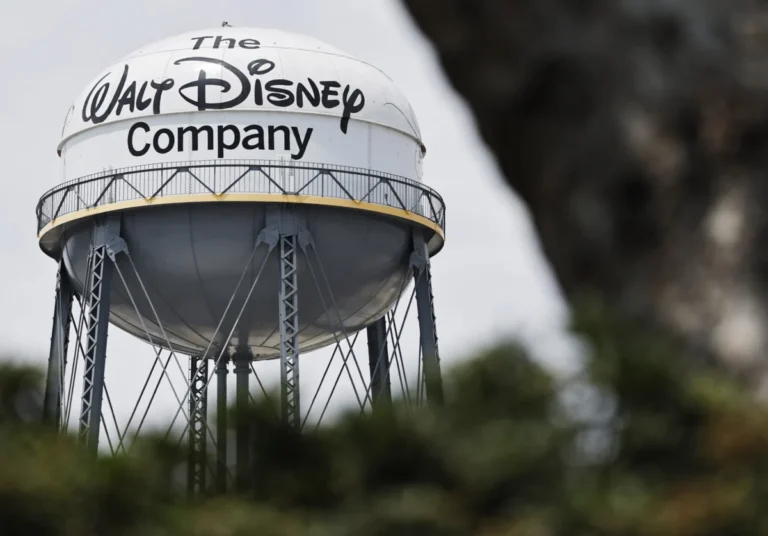
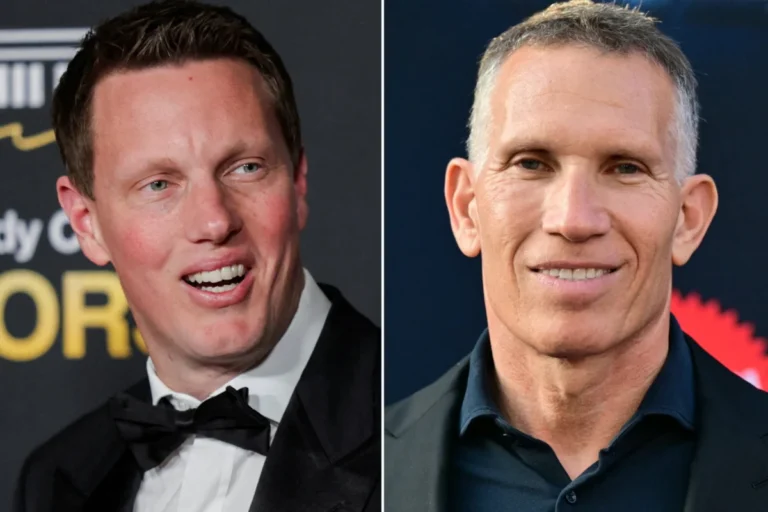
The timing of this conflict is particularly delicate for The Walt Disney Company. The renewed calls for Kimmel’s ouster fall directly into the lap of Josh D’Amaro, who took over as Disney’s Chief Executive Officer only last month. D’Amaro, previously the head of Disney’s parks and experiences division, inherited a media conglomerate grappling with a shifting landscape in linear television and a highly polarized political environment. Unlike his predecessors, D’Amaro must navigate these waters while the administration has demonstrated a willingness to use regulatory levers to influence corporate behavior.
Disney has historically stood by its late-night talent, viewing the controversy generated by figures like Kimmel as a hallmark of the genre’s relevance. However, the stakes have shifted as the administration’s criticism has become intertwined with the Federal Communications Commission (FCC) and its oversight of broadcast licenses. As of Tuesday, Disney representatives had not issued a formal response to the White House’s latest demands, reflecting a cautious approach as the company assesses the potential for regulatory blowback.
The Precedent of the September Suspension
To understand the gravity of the current situation, one must look back to September 2025, when Kimmel’s show was briefly suspended following a similar controversy. During that period, Kimmel faced a backlash over comments regarding the death of conservative activist Charlie Kirk. The fallout was not limited to social media criticism; it manifested in tangible corporate disruptions.
Nexstar Media Group and Sinclair Broadcast Group, two of the largest owners of television stations in the United States, threatened to preempt Kimmel’s program. These station owners, who control the local airwaves that carry ABC programming to millions of households, signaled they would air alternative content in Kimmel’s time slot rather than broadcast his monologues. This internal rebellion by affiliates forced Disney’s hand, leading to a multi-day suspension of the show.
During the September incident, FCC Chairman Brendan Carr weighed in, suggesting that broadcast station licenses could be at risk if networks failed to meet "public interest" standards. Carr’s comments sparked an intense national debate over the First Amendment. Critics argued that the government was using its licensing power to chill political speech, while supporters of the Chairman’s stance argued that national broadcasters have a responsibility to maintain a level of decorum and avoid inciting hostility. Kimmel eventually returned to the air after issuing an apology, but the episode established a roadmap for how the administration and its allies could exert pressure on national networks through their local affiliates and federal regulators.
Regulatory Scrutiny and the FCC
The pressure on Disney appears to be mounting beyond the "Kimmel problem." A recent report by Semafor indicated that the FCC is currently preparing a review of Disney’s broadcast licenses. While sources cited in the report claimed the timing of the review is not directly related to Kimmel’s recent monologues, the broader context of the administration’s dissatisfaction with ABC cannot be ignored.

The FCC’s power to review and potentially revoke licenses is often described as the "nuclear option" in media regulation. While rarely exercised for content-related reasons, the mere threat of a review can influence corporate strategy, particularly for companies like Disney that rely on the stability of their broadcast assets. The regulatory environment has become increasingly unpredictable for media firms, as seen in the recent history of Paramount Global.
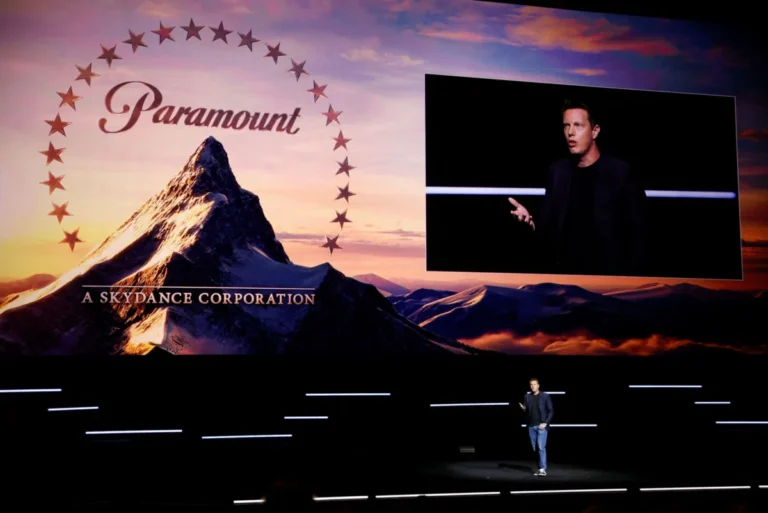
In 2025, Paramount-owned CBS announced it would end "The Late Show with Stephen Colbert" while the company was seeking FCC approval for its merger with Skydance Media. Although the merger was eventually approved, industry analysts noted that the timing of the announcement regarding Colbert—a frequent critic of the Trump administration—suggested a strategic move to smooth the regulatory path. While Disney has stated it is not currently pursuing major mergers or acquisitions, the Paramount example serves as a cautionary tale of how late-night programming can become a liability during periods of government oversight.
A Pattern of Confrontation and Settlement
The friction between the Trump administration and Disney-owned ABC News has also played out in the legal arena. In December 2024, ABC News agreed to a $15 million settlement related to a defamation lawsuit brought by Donald Trump against the network and anchor George Stephanopoulos. As part of the settlement, the funds were directed toward the President’s future presidential library. This settlement was viewed by many as a significant concession by a major news organization, highlighting the financial risks associated with the President’s litigation strategies.
Furthermore, the network has shown a decreased tolerance for internal controversy. Last year, ABC News terminated its relationship with national correspondent Terry Moran after he made disparaging remarks about the President and senior advisor Stephen Miller on social media. These actions suggest a corporate culture at Disney and ABC that is increasingly sensitive to the political climate, potentially prioritizing stability and regulatory compliance over the protection of provocative voices.
The Shifting Economics of Late-Night Television
Beyond the political and regulatory battles, the Kimmel controversy highlights the precarious state of late-night television as a whole. For decades, programs like "Jimmy Kimmel Live!" and "The Tonight Show" served as the "town square" of American culture, providing a blend of celebrity interviews and topical humor. However, the rise of streaming services and the fragmentation of the media landscape have led to a steady decline in linear viewership.
Data from recent seasons shows that late-night audiences have skewed older and more politically divided. Advertisers, once eager to capture the broad demographics of late-night TV, are now more cautious about being associated with programs that generate intense political blowback. For Disney, the value of Kimmel’s show is no longer just a matter of ratings; it is a calculation of whether the brand equity and ad revenue generated by the show outweigh the potential for regulatory interference and affiliate revolts.
Implications for Free Speech and Satire
The ongoing battle over Jimmy Kimmel’s employment raises fundamental questions about the role of satire in a polarized democracy. Satirists have traditionally been protected by the First Amendment, with courts historically granting broad latitude for parody and political commentary. However, the broadcast medium is unique because it utilizes public airwaves, subjecting it to a "public interest" standard that does not apply to cable networks or streaming platforms.
Legal experts warn that if the FCC or the administration successfully uses licensing as a tool to remove specific commentators, it could set a precedent that fundamentally alters the independence of American media. Conversely, the administration’s supporters argue that the current media environment has become an echo chamber for partisan attacks, and that networks must be held accountable for content they deem inflammatory or "violent."
As Josh D’Amaro begins his tenure at Disney, the decision regarding Jimmy Kimmel will be seen as a bellwether for the company’s future. Will Disney continue to champion its talent in the face of executive branch pressure, or will it seek a more harmonious relationship with Washington by tempering its most vocal critics? The outcome of this clash will likely resonate far beyond the set of a Hollywood talk show, influencing the boundaries of political speech in the United States for years to come.