Streaming giant Netflix has announced a significant expansion to its content library, confirming that the critically acclaimed Creed movie trilogy and the 2006 legacy sequel Rocky Balboa will be available to subscribers in the United States starting June 1, 2026. This highly anticipated addition, stemming from a recent licensing agreement with MGM, brings a modern cinematic boxing saga to the platform, offering viewers the chance to immerse themselves in the continuing narrative of Adonis Creed. However, the availability of these titles will be for a limited three-month period, concluding around September 1, 2026, underscoring the evolving dynamics of content licensing in the competitive streaming landscape.
The Revival of a Boxing Dynasty: The Creed Saga
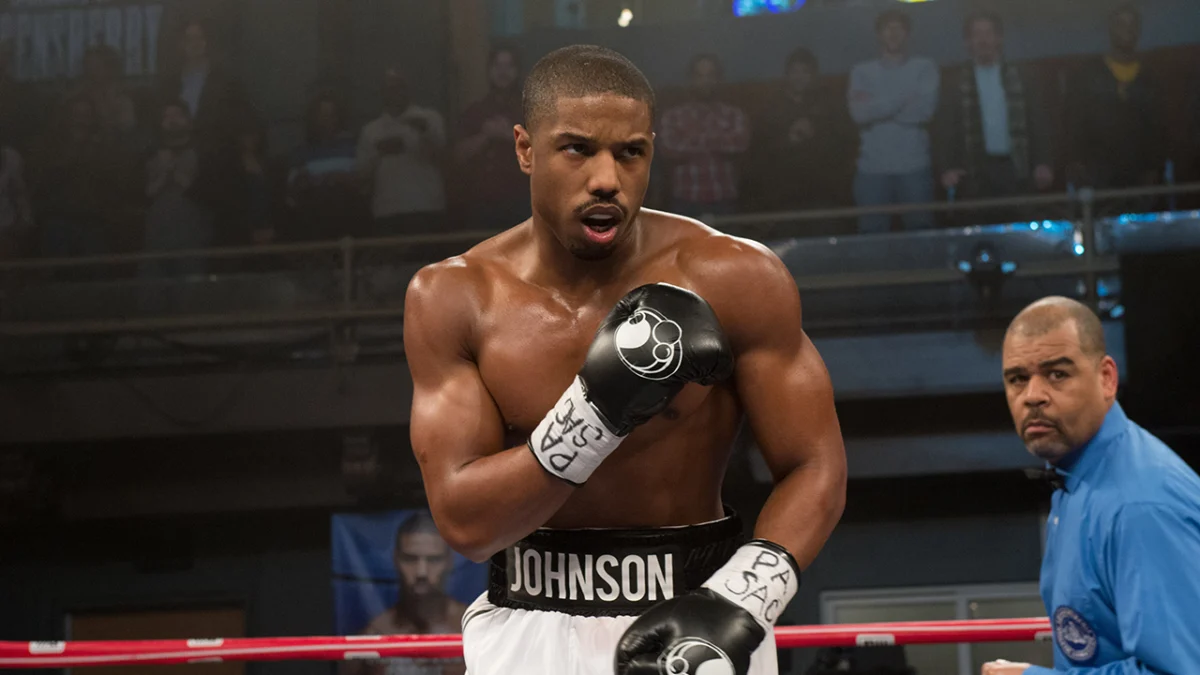
The Creed franchise successfully breathed new life into the iconic Rocky universe, which first captivated audiences with Sylvester Stallone’s underdog story in 1976. Shifting the narrative focus to Adonis Creed, the estranged son of Rocky Balboa’s legendary rival, Apollo Creed, the series introduced a compelling new protagonist portrayed by Michael B. Jordan. Jordan, a prominent figure in contemporary Hollywood, has garnered significant acclaim for his portrayal of Adonis, navigating themes of legacy, ambition, and personal struggle within the gritty world of professional boxing. His recent involvement in Netflix’s animated feature Swapped further highlights his ongoing relationship with the streaming service.
The first film, Creed (2015), directed by Ryan Coogler, was a critical and commercial triumph, earning over $173 million worldwide against a budget of $35 million. It garnered widespread praise for its fresh perspective, emotional depth, and stellar performances, particularly Stallone’s return as Rocky Balboa, which earned him an Academy Award nomination for Best Supporting Actor. The sequel, Creed II (2018), continued the success, pitting Adonis against Viktor Drago, the son of Ivan Drago, the man who killed Apollo Creed. Directed by Steven Caple Jr., this installment further explored themes of revenge, family, and forgiveness, grossing over $214 million globally on a $50 million budget. The most recent entry, Creed III (2023), marked Michael B. Jordan’s directorial debut, achieving similar success with a worldwide box office of over $275 million against a $75 million budget, solidifying the franchise’s enduring appeal and critical standing. The films collectively boast strong aggregate scores on platforms like Rotten Tomatoes, with Creed holding a 95% "Certified Fresh" rating, Creed II at 83%, and Creed III at 89%, indicating consistent critical appreciation.
Rocky Balboa (2006): A Bridge Between Eras
Preceding the Creed films, Rocky Balboa (2006) served as a poignant and critically well-received continuation of the original Rocky saga, offering a sense of closure and an unexpected return to the ring for the titular character. Directed and written by Sylvester Stallone, the film saw Rocky, now a widower and restaurant owner, grappling with his past and deciding to come out of retirement for one final exhibition match. This installment was pivotal in demonstrating the enduring power of the Rocky brand and its ability to resonate with audiences across generations. It grossed over $155 million worldwide against a $24 million budget and was lauded for its emotional resonance and return to the franchise’s underdog roots, garnering an impressive 77% on Rotten Tomatoes. Its inclusion alongside the Creed trilogy on Netflix is significant, as it provides crucial narrative context for Rocky’s mentorship role in the Creed films and bridges the gap between the classic Rocky series and its modern continuation.
The Strategic Imperative: Netflix’s MGM Licensing Deal
The acquisition of these boxing epics is a direct outcome of a new licensing pact forged between Netflix and MGM in December of the previous year. This landmark deal signaled Netflix’s continued strategy to bolster its content library with high-profile, established franchises, even as major studios increasingly consolidate their content on their proprietary streaming platforms. The initial fruits of this partnership saw the entire James Bond movie collection arrive on Netflix, a move that generated considerable excitement among subscribers. Subsequent additions have included titles such as Guy Ritchie’s Wrath of Man and the animated The Addams Family movies, showcasing the breadth of MGM’s cinematic catalog.
For Netflix, such licensing agreements serve multiple strategic purposes. In a fiercely competitive streaming market dominated by players like Max (Warner Bros. Discovery), Disney+, Hulu, Peacock (NBCUniversal), and Paramount+ (Paramount Global), securing popular third-party content is crucial for subscriber acquisition and retention. While Netflix has heavily invested in its original programming, a robust library of beloved films and series from other studios remains a significant draw. These temporary infusions of high-demand content can create spikes in viewership, generate buzz, and provide a diverse offering that appeals to a broader audience base. The Creed and Rocky Balboa films, with their established fanbases and critical acclaim, are prime examples of content that can effectively achieve these goals.
The Ephemeral Nature of Streaming Rights: A Three-Month Window
A critical aspect of this licensing deal, and one that has become increasingly common in the streaming ecosystem, is the limited availability window for these titles. Similar to the James Bond collection, which departed Netflix after a surprisingly short three-month stint, the Creed films and Rocky Balboa are also expected to be available for approximately three months. This means subscribers will have until around September 1, 2026, to watch the collection before it likely returns to the MGM/Amazon vault.
This short-term licensing model reflects the complex and often fluid nature of content distribution rights in the digital age. With Amazon’s acquisition of MGM in 2022 for $8.5 billion, the vast MGM library now primarily serves to enhance Amazon Prime Video’s offerings. However, temporary licensing deals with other streamers like Netflix can be a lucrative way for Amazon/MGM to monetize their extensive catalog, generating additional revenue while still reserving the long-term exclusivity for their own platform. For consumers, it necessitates a more proactive approach to content consumption, highlighting the "watch it while you can" mentality that is becoming increasingly prevalent in streaming.
The Broader Implications for the Streaming Landscape
The arrival of the Creed trilogy and Rocky Balboa on Netflix, even temporarily, has broader implications for the streaming industry. It underscores a tactical shift where content ownership, while paramount, does not always preclude strategic temporary licensing. Studios with vast libraries, like MGM under Amazon, can leverage their assets to secure short-term revenue streams from competitors, rather than letting content sit idly. This creates a dynamic environment where popular titles can migrate between platforms, making it challenging for subscribers to maintain access to all their desired content on a single service.
Furthermore, this deal highlights the enduring value of established franchises. In an era of content overload, familiar and beloved stories offer a sense of comfort and a guaranteed audience. The Rocky universe, spanning nearly five decades, is a testament to this power. By bringing these films to Netflix, the platform not only caters to existing fans but also introduces the saga to new viewers who might be exploring the franchise for the first time.
Enhancing the Viewer Experience: The Sly Documentary Connection
For those looking to delve deeper into the origins of the Rocky phenomenon, Netflix currently offers Sly, an intimate, feature-length documentary released last year. This retrospective look at Sylvester Stallone’s extraordinary life and career, including the incredible true story of how he willed the original Rocky into existence, serves as a perfect companion piece to the newly acquired films. Sly provides invaluable context to Rocky Balboa’s character development and Stallone’s personal connection to the role, enriching the viewing experience of Rocky Balboa and the Creed trilogy. The synergy of having both the documentary and the films on the same platform exemplifies Netflix’s efforts to create a holistic content experience around popular cultural touchstones.
Anticipation and Future Outlook
The announcement has generated considerable excitement among film enthusiasts and boxing fans alike. While the absence of the classic Rocky I through V from this initial announcement is noted – their last appearance on Netflix US was in late 2023 – observers will be keenly watching for any updates regarding their potential inclusion in June. Should the original films also become available, it would offer an unparalleled opportunity for a comprehensive marathon of the entire Rocky cinematic universe, albeit within a tight timeframe.
The success of these short-term licensing deals could influence future collaborations between Netflix and other major studios, particularly those with extensive back catalogs. As the streaming wars continue to evolve, flexibility and strategic content rotation may become key differentiators for platforms seeking to maintain subscriber engagement and appeal in an increasingly fragmented market. For now, Netflix subscribers are advised to mark their calendars for June 1st and prepare for a limited, but impactful, journey into the heart of the Creed and Rocky sagas.