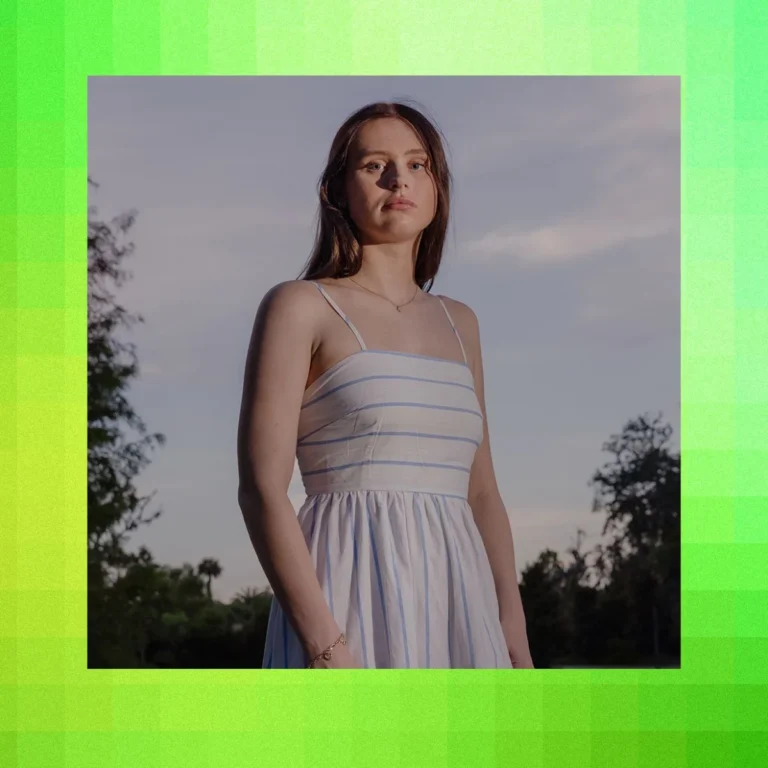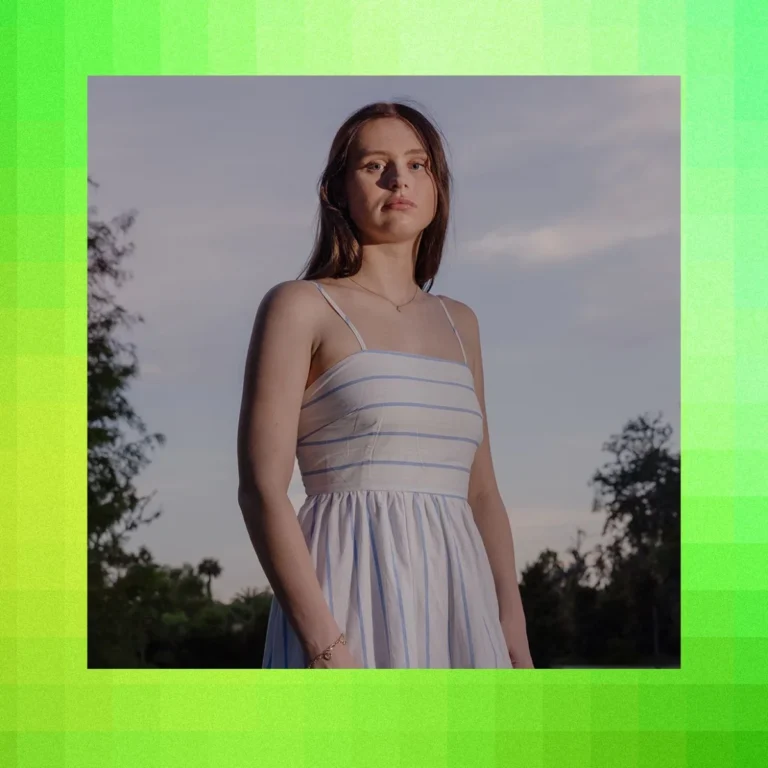

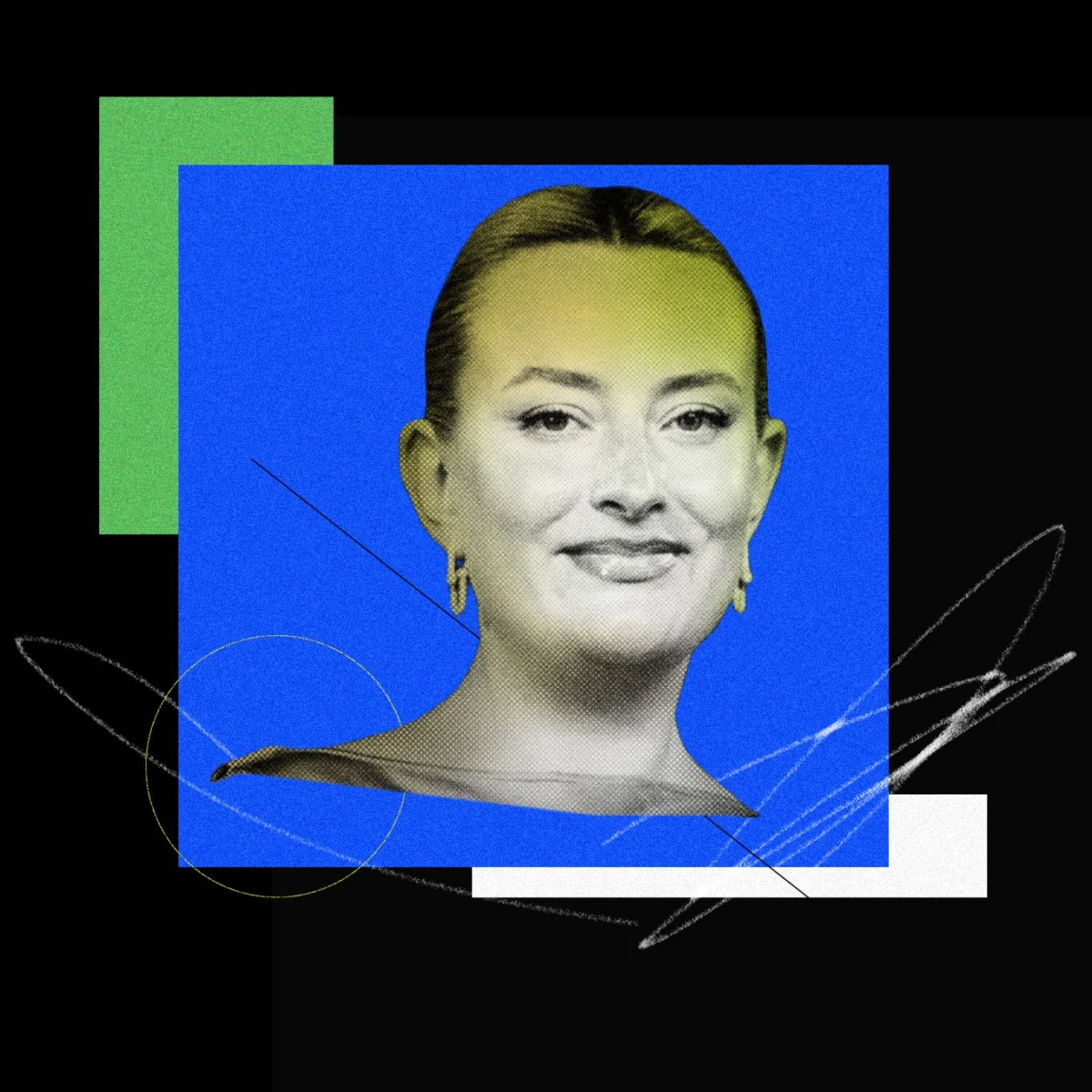
Amelia Dimoldenberg’s rise from a student at Central Saint Martins to a staple of the Academy Awards red carpet represents a seismic shift in the global entertainment landscape. While her digital persona is defined by an aloof, deadpan indifference, the reality of her operation is characterized by obsessive control, rigorous preparation, and a strategic mastery of intellectual property. As the creator and host of the YouTube sensation Chicken Shop Date, Dimoldenberg has spent over a decade dismantling the traditional celebrity interview format, replacing PR-managed talking points with the awkward, unvarnished energy of a first date. Her transition from a niche internet personality to a legitimate creative engine for major studios like the BBC and Amazon MGM highlights a broader cultural trend: the slow but inevitable merging of digital creator culture with the legacy structures of Hollywood.
The Meticulous Architecture of Deadpan Comedy
To the casual viewer scrolling through TikTok, Dimoldenberg’s interviews appear effortless—even accidental. She sits opposite A-list stars like Billie Eilish, Paul Mescal, or Ethan Hawke in the fluorescent-lit interiors of humble British chicken shops, asking questions that range from the deeply personal to the absurdly mundane. However, the production behind these viral moments is far from haphazard. Dimoldenberg serves as the director, host, and primary editor of her episodes, maintaining a level of creative oversight that is rare in both digital and traditional media.
Her preparation for high-stakes events, such as her role as the Academy’s Social Media Ambassador and Red Carpet Correspondent for the Oscars, begins months in advance. This process involves researching every nominee, watching every eligible film, and drafting nuanced, individual questions alongside her sister and writing partner, Zoe Dimoldenberg. This dedication to research serves a dual purpose: it ensures the quality of the content and acts as a psychological anchor for Dimoldenberg herself. She has candidly described this over-preparation as a response to "imposter syndrome," a sentiment common among women in high-pressure industries who feel the need to exceed expectations to justify their presence. By the time she steps onto the red carpet, she is not merely a "content creator" but a journalist armed with more context than many of her traditional peers.
A Chronology of Strategic Growth: From Youth Club to IP Ownership
The trajectory of Chicken Shop Date is a study in patience and long-term brand building. The concept originated in 2011, when a 17-year-old Dimoldenberg wrote a column for The Cut, a youth-run publication based in a London youth club. Sensing the visual potential of the awkward dating format, she began filming the segments during her first year at Central Saint Martins, where she studied fashion journalism.
The early years were defined by financial and logistical hurdles. Without a production budget, Dimoldenberg relied on favors from friends with cameras and was forced to film in chicken shops while they remained open to the public. These constraints inadvertently shaped the show’s aesthetic—the background noise and the visual interruptions of regular customers added to the "inhospitable" charm that would eventually become her trademark.
The most critical juncture in her career came when she sought funding to scale the series. Despite being a student with limited resources, Dimoldenberg demonstrated a remarkable instinct for business. She famously rejected a buyout offer of £500 for the copyright to her show, as well as restrictive deals from record labels that would have mandated the guests she interviewed. By holding onto her Intellectual Property (IP), she ensured that she, rather than a conglomerate, would benefit from the show’s eventual global success. Today, Chicken Shop Date is a self-sustaining enterprise funded by Google AdSense and high-value brand partnerships, allowing Dimoldenberg to maintain total creative autonomy.
The Creator Economy and the Traditional Media Gap
Dimoldenberg’s success occurs against the backdrop of a booming creator economy, now valued at an estimated $250 billion annually. Despite this massive economic footprint and the fact that creators like MrBeast or Emma Chamberlain command larger audiences than many network television shows, a prestige gap remains. Traditional awards bodies, such as the Emmys and the Oscars, have been slow to recognize digital-first content.
Dimoldenberg’s own experience with the Emmy Awards illustrates this friction. Despite the global reach of Chicken Shop Date, her initial attempts to submit the show for consideration were met with bureaucratic obstacles, including clauses requiring an American production company. While award shows have begun to adapt—the Golden Globes recently introduced a category for podcasts—the recognition of short-form digital series often remains relegated to secondary categories. Dimoldenberg suggests that this lack of deference stems from a generational "changing of the guard." She notes that those currently in positions of power grew up with "appointment viewing" on television, viewing it as the only legitimate form of entertainment success. As younger generations, who grew up exclusively with streamers and social media, move into leadership roles, the distinction between "online creator" and "traditional talent" is expected to dissolve.
The "Not a Podcast" Phenomenon: Navigating Platform Strategy
A recurring point of contention for Dimoldenberg is the misclassification of her work. Despite the visual nature of her interviews and her background in journalism and film, Chicken Shop Date is frequently referred to as a podcast. This mislabeling reflects a broader industry trend where any long-form conversational content is grouped under the "podcast" umbrella, regardless of the medium. Dimoldenberg’s resistance to this label is rooted in her commitment to visual storytelling and the specific editing style she employs.
Her strategy for digital dominance involves a "ruthless" approach to editing. A 40-minute interview is often distilled into a dense, eight-minute episode designed to maximize engagement and "cut through" the noise of the internet. This philosophy extends to her social media strategy, where clips are meticulously selected to suit the algorithms of TikTok and Instagram. However, she remains steadfast in her commitment to YouTube as her primary home. Despite lucrative offers to move her show to subscription-based streaming platforms, she has consistently declined, citing the "democratic" nature of YouTube. She recognizes that changing an audience’s viewing habits—asking them to "press a different button"—is a significant risk that often leads to the death of a digital format.
Expanding the Empire: Dimz Inc. Academy and Future Scripted Works
As she enters her thirties, Dimoldenberg is actively diversifying her portfolio to move beyond the "unlucky in love" persona of Chicken Shop Date. Her focus has shifted toward scripted content and mentorship, signaling a transition from a solo talent to a multi-faceted director and producer.
- Dimz Inc. Academy: Drawing from her own beginnings in a youth club, Dimoldenberg established a summer program to help young people from diverse backgrounds enter the creative industries. The academy provides mentorship in ideation, shooting pilots, and marketing, effectively "democratizing" the path to media success that she navigated largely on her own.
- Scripted Television and Film: She is currently developing a TV series with the BBC, a project that has been in the works for several years. Additionally, she has a feature film in development with Amazon MGM and Ryan Pictures. Described as a "romantic comedy," the film will see Dimoldenberg playing a version of herself, essentially translating the narrative arc of her YouTube series—the search for love—into a cinematic format.
- Directing: Following her experience directing a music video for artist Maisie Peters, Dimoldenberg has expressed a desire to move further behind the camera. She views directing as a collaborative process that allows her to leverage her experience in narrative construction and visual aesthetics.
Implications for the Future of Entertainment
Amelia Dimoldenberg’s career serves as a blueprint for the modern entertainer. Her journey proves that it is possible to build a global brand without the initial backing of a major studio, provided one retains ownership of their IP and understands the nuances of digital distribution.
The eventual transition of the Oscars to YouTube in 2029 is a symbolic acknowledgement of the shift Dimoldenberg has championed for over a decade. As traditional media outlets continue to integrate digital creators into their broadcasts, the "nontraditional" label will likely vanish. The success of Chicken Shop Date suggests that audiences no longer require the high-gloss production of legacy media to find value in an interview; instead, they seek authenticity, humor, and a direct connection to the talent—elements that Dimoldenberg has mastered through a decade of meticulous, deadpan discipline. Her evolution from a chicken shop booth to a Hollywood director’s chair is not just a personal success story; it is a preview of the future of the entertainment industry.