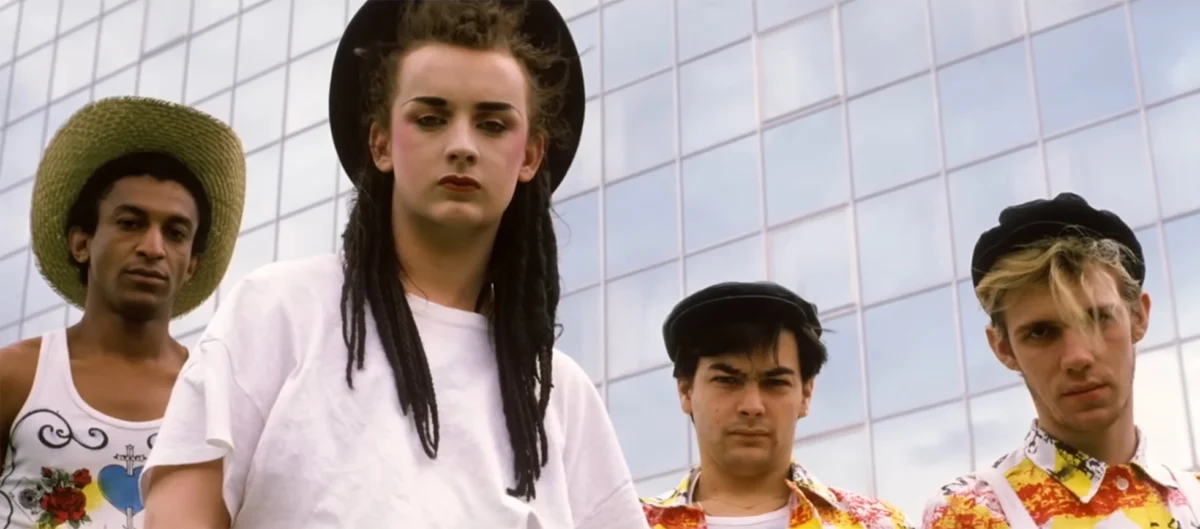
The highly anticipated official trailer for the music history documentary film, Boy George & Culture Club, has been unveiled, offering a compelling glimpse into the chaotic, charismatic, and enduring journey of one of the 1980s’ most iconic bands. Directed by acclaimed filmmaker Alison Ellwood, the documentary promises an intimate and unfiltered look at Culture Club, featuring candid accounts directly from its four legendary members: George O’Dowd, universally known as Boy George, Jon Moss, Mikey Craig, and Roy Hay. Following its acclaimed premiere at the 2025 Tribeca Film Festival and a subsequent screening at the 2026 Göteborg Film Festival, the film is now slated for a select theatrical release in the United States on June 9th, 2026, distributed by Vantage Media.
The Genesis and Enduring Impact of Culture Club
Culture Club emerged onto the global music scene in 1981, quickly becoming a defining force within the vibrant UK New Romantic movement. Their unique blend of pop, reggae, soul, and new wave, coupled with Boy George’s distinctive vocal style and flamboyant, gender-fluid image, catapulted them to international stardom. The band’s groundbreaking success transcended mere musical achievement; they became cultural trailblazers, challenging societal norms and promoting messages of individuality and acceptance long before such themes were mainstream.
Their debut album, Kissing to Be Clever (1982), spawned the global hit "Do You Really Want to Hurt Me?", a reggae-infused ballad that topped charts in numerous countries and announced Culture Club as a major new presence. This was swiftly followed by the monumental success of their second album, Colour by Numbers (1983), which featured "Karma Chameleon," one of the best-selling singles of all time, and "Church of the Poison Mind." Their music was characterized by its infectious melodies, sophisticated arrangements, and socially conscious lyrics, often exploring themes of love, identity, and prejudice. Beyond the music, Boy George’s fashion sense – a flamboyant mix of androgyny, makeup, and elaborate costumes – made him an instant icon, influencing fashion trends and inspiring a generation to embrace self-expression. The band’s pioneering role in promoting diversity and challenging traditional gender roles set a precedent for future artists and resonated deeply within the LGBTQ+ community, for whom Boy George became an inadvertent, yet powerful, symbol of defiance and visibility.
An Intimate Glimpse into the Band’s Dynamics

The documentary Boy George & Culture Club promises to delve beyond the public facade, offering a "deeply human story about creativity, perseverance, and cultural influence." According to the film’s promotional materials and festival reviews, the narrative is constructed "straight from the mouths of its four legendary members." This direct approach is crucial, as it allows for an authentic exploration of the complex relationships that underpinned the band’s success and struggles. The trailer and official descriptions highlight themes of "chaos, charisma, and enduring bond," suggesting a candid examination of the creative tensions and personal connections that fueled their artistic output.
Tribeca Film Festival, where the documentary first premiered, lauded it as "far from a typical music doc," describing it as "a riotously fun and unexpectedly tender film about a band that challenged the status quo of 1980s Britain and the world from its very outset." This assessment underscores the film’s dual focus: celebrating the band’s musical achievements and cultural impact while also exploring the often-turbulent personal lives and internal dynamics that shaped their journey. The film’s synopsis further emphasizes this, describing it as "a love story about the undeniable fondness that flowed beneath the surface of these musical legends – and the drama & heartbreak inbetween." This framing suggests an unflinching look at both the camaraderie and the conflicts, including the widely publicized romantic relationship between Boy George and drummer Jon Moss, and the broader challenges of fame, addiction, and personal growth that often accompany superstardom. By allowing the band members to share their "candid truths about the personal relationships behind-the-scenes," the documentary aims to provide a nuanced understanding of how these intricate connections "fanned the flames of their creativity & almost burned it all to the ground."
Alison Ellwood: A Master of Musical Narratives
The selection of Alison Ellwood as director for Boy George & Culture Club speaks volumes about the documentary’s potential depth and quality. Ellwood is a highly respected filmmaker with a proven track record in crafting compelling biographical and music-centric narratives. Her filmography includes a series of critically acclaimed documentaries that explore the lives and legacies of influential artists and cultural movements.
Among her notable works are Magic Trip: Ken Kesey’s Search for a Kool Place (2011), co-directed with Alex Gibney, which explored the countercultural journey of Ken Kesey and the Merry Pranksters. More recently, she gained significant praise for The Go-Go’s (2020), a Showtime documentary that chronicled the rise of the iconic all-female rock band, offering an intimate look at their struggles and triumphs. Her directorial efforts often delve into the internal dynamics of bands, the challenges faced by artists, and their broader cultural impact. Her most recent work, Cyndi Lauper: Let the Canary Sing (2023), further solidified her reputation for humanizing music legends, capturing the essence of Lauper’s rebellious spirit and enduring influence. Ellwood’s consistent ability to balance archival footage with candid interviews, allowing subjects to tell their own stories with authenticity and emotional resonance, positions her perfectly to tackle the complex narrative of Boy George and Culture Club. Her filmography suggests a commitment to exploring the "deeply human story" within the spectacle of celebrity, promising that Boy George & Culture Club will be more than just a celebratory montage, but rather a profound exploration of identity, resilience, and the power of music.
A Strategic Festival Run and Imminent Release

The journey of Boy George & Culture Club through the international film festival circuit has been meticulously planned, signaling strong industry confidence in its artistic merit and commercial appeal. Its world premiere at the 2025 Tribeca Film Festival in New York City positioned it among a curated selection of prestigious documentaries, often serving as a crucial launching pad for films seeking critical acclaim and distribution deals. Tribeca’s reputation for showcasing diverse and compelling storytelling provided an ideal platform for the documentary to make its debut, garnering initial positive reviews and generating buzz within the film industry.
Following its North American premiere, the film continued its festival trajectory with a screening at the 2026 Göteborg Film Festival in Sweden. This inclusion in a prominent European festival further broadened its international exposure and solidified its critical standing. Such a strategic festival run not only builds anticipation among film enthusiasts and music fans but also demonstrates the filmmakers’ commitment to presenting the documentary to a global audience. The official trailer, released on May 4, 2026, serves as the final promotional push before its commercial debut. This timing, just over a month before its theatrical release, is designed to maximize public awareness and drive ticket sales. Vantage Media’s acquisition of the distribution rights for select US theaters, with a premiere date set for June 9th, 2026, underscores the distributor’s belief in the film’s commercial viability and its ability to resonate with a broad audience, from long-time fans of Culture Club to documentary enthusiasts interested in cultural history. The summer release date is strategically chosen to capitalize on the warmer months when audiences are often more inclined to visit cinemas.
The Resurgence of Music Documentaries and Cultural Relevance
The release of Boy George & Culture Club arrives amidst a thriving landscape for music documentaries, a genre that has seen a significant resurgence in popularity over the past decade. This renewed interest is driven by several factors, including the nostalgic appeal of revisiting iconic artists and eras, the increasing sophistication of documentary filmmaking, and the widespread availability of such content across streaming platforms. Films like Amy (2015), Searching for Sugar Man (2012), The Beatles: Get Back (2021), and Summer of Soul (2021) have demonstrated the genre’s capacity for critical acclaim and commercial success, often transcending niche audiences to become cultural phenomena.
Audiences today are increasingly seeking deeper, more authentic narratives about their favorite artists, moving beyond superficial biographies to explore the complexities of their lives, their creative processes, and their lasting legacies. Documentaries offer a unique opportunity to provide this context, often unearthing unseen archival footage, unheard stories, and fresh perspectives from those intimately involved. For artists like Culture Club, whose impact extended far beyond their music into fashion, identity, and social commentary, a documentary provides an essential platform to re-contextualize their contributions for both original fans and new generations. The 1980s, in particular, continue to hold a powerful nostalgic grip on popular culture, making documentaries centered on its music and fashion icons especially appealing. Boy George & Culture Club is therefore poised to tap into this robust market, appealing to viewers eager to relive the vibrant energy of the decade while also gaining new insights into the personal stories behind the global hits. The film’s emphasis on challenging the status quo and promoting individuality also resonates strongly with contemporary cultural conversations around identity, diversity, and self-expression, ensuring its relevance beyond mere nostalgia.
Broader Impact and Implications

The documentary Boy George & Culture Club is poised to make a significant cultural impact, reinforcing the enduring legacy of the band and its frontman, Boy George, as pioneers in music and social commentary. By revisiting their story through the candid perspectives of its members, the film offers a crucial re-evaluation of their role in challenging the prevailing conservative norms of 1980s Britain and the world. Boy George’s unapologetic embrace of gender fluidity and androgynous style was groundbreaking for its time, paving the way for greater acceptance and visibility for LGBTQ+ artists and individuals. The documentary’s exploration of these themes, particularly within the context of the band’s internal dynamics and external pressures, will likely spark renewed discussions about the evolution of identity politics in music and society.
Furthermore, the film serves as an important historical document, capturing the essence of a pivotal moment in pop culture when music and fashion intertwined to create powerful statements. The positive reception at leading film festivals underscores the critical appreciation for its narrative depth and unique perspective, suggesting that it will be viewed not just as entertainment but as a valuable contribution to music history. Vantage Media’s decision to distribute the film in theaters reflects a strong commercial confidence in its appeal, indicating that the story of Culture Club continues to captivate audiences across generations. Ultimately, Boy George & Culture Club is expected to solidify the band’s place in the pantheon of music legends, celebrating their artistry while also offering a poignant and honest portrayal of the human experiences – the love, drama, and perseverance – that defined their extraordinary journey.
As the theatrical release approaches, anticipation for Boy George & Culture Club continues to build, promising an essential viewing experience for anyone interested in the indelible mark this iconic band left on music, fashion, and culture.