Emerald Fennell’s ambitious reimagining of Emily Brontë’s seminal novel, Wuthering Heights, has not only captured the imaginations of audiences worldwide but has also solidified its position as a major cinematic event of 2026. The romantic period drama, produced, written, and directed by Fennell, has transcended its literary origins to become a box-office titan, grossing an impressive $242 million globally. This commercial success is paralleled by significant artistic achievement, with particular praise directed towards the film’s technical and visual artistry, as highlighted in recent discussions with the film’s Production Designer Susie Davies, Set Decorator Charlotte Dirickx, and Cinematographer Linus Sandgren. The film is now readily available for home viewing on HBO Max, with physical media releases on 4K UHD and Blu-Ray set to further extend its reach.
A Visionary Reinterpretation of a Literary Classic
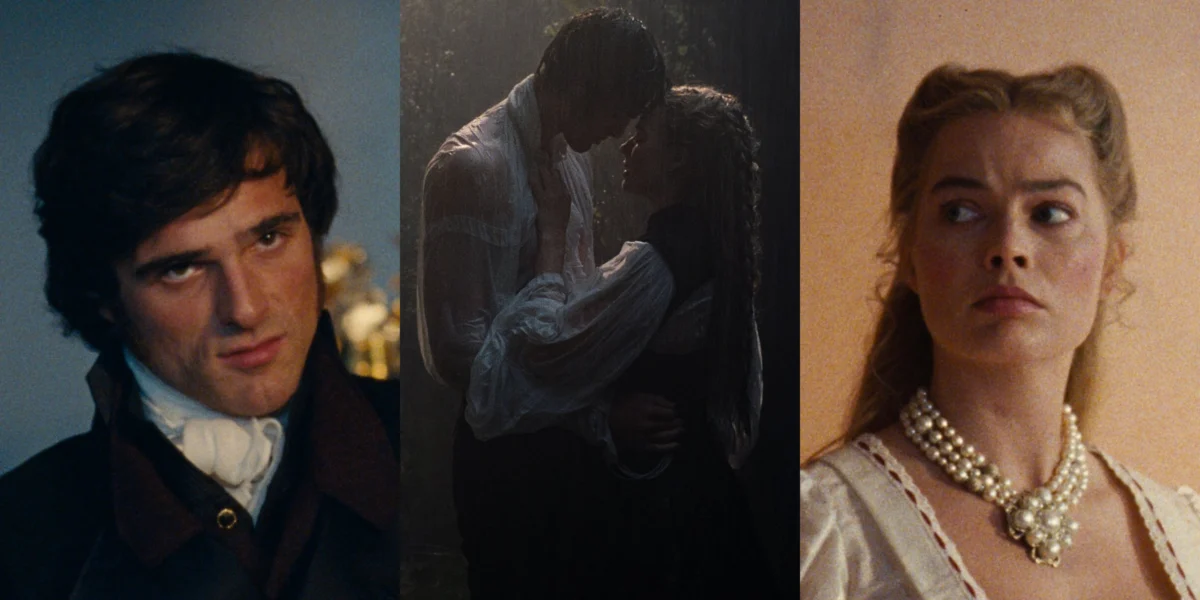
Fennell’s stated intention for Wuthering Heights was to “recreate the feeling of a teenage girl reading this book for the first time.” This personal and evocative approach has evidently resonated deeply, transforming the dark, brooding Yorkshire moors of Brontë’s novel into a visceral and emotionally charged cinematic experience. The film stars Margot Robbie as the tempestuous Catherine Earnshaw and Jacob Elordi as the enigmatic Heathcliff, a casting choice that has been lauded for its chemistry and ability to convey the raw, untamed passion that defines their characters. The supporting cast, including Hong Chau, Shazad Latif, Alison Oliver, Martin Clunes, and Ewan Mitchell, further anchors the narrative with compelling performances.
The 2026 release marks a significant moment for literary adaptations, demonstrating that a fresh, auteur-driven perspective can revitalize even the most enduring classics. Unlike many period dramas that adhere strictly to historical accuracy, Fennell’s Wuthering Heights prioritizes emotional truth and a subjective experience of the narrative. This artistic choice has been credited with drawing in a new generation of viewers while simultaneously satisfying long-time admirers of the novel.
Box Office Triumph: A Testament to Artistic Vision and Star Power
The $242 million worldwide gross for Wuthering Heights places it firmly among the top-performing films of 2026. This figure is particularly noteworthy for a romantic period drama, a genre that often faces challenges in achieving blockbuster status in the current market. The film’s success can be attributed to a confluence of factors: Emerald Fennell’s directorial pedigree, following her Oscar-nominated success with Promising Young Woman; the star power of Margot Robbie and Jacob Elordi, both of whom have cultivated significant fan bases; and the enduring appeal of Emily Brontë’s story.
Industry analysts have pointed to the film’s strategic marketing campaign, which emphasized its unique artistic vision and the intense central romance, as a key driver of its commercial performance. The film’s ability to generate substantial box office revenue suggests a broader audience appetite for sophisticated, character-driven narratives, even within a visually opulent period setting. This success could pave the way for further bold reinterpretations of classic literature.
Crafting the World of Wuthering Heights: A Deep Dive into Production Design and Cinematography
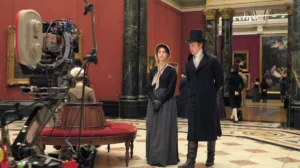
The visual landscape of Emerald Fennell’s Wuthering Heights has been a significant talking point, drawing accolades for its evocative atmosphere and meticulous detail. In conversations with Ema Sasic of Next Best Picture, Production Designer Susie Davies and Set Decorator Charlotte Dirickx offered insights into their collaborative process. Their work was instrumental in translating Fennell’s vision from script to screen, creating environments that are both historically suggestive and emotionally resonant.
Davies and Dirickx detailed the challenges of not only recreating the stark beauty of the Yorkshire moors but also infusing the interiors of Wuthering Heights and Thrushcross Grange with the psychological states of their inhabitants. The oppressive grandeur of Wuthering Heights, contrasting with the refined elegance of Thrushcross Grange, serves as a visual metaphor for the social and emotional divides within the narrative. The selection of authentic period pieces, combined with carefully chosen contemporary elements that subtly underscore Fennell’s modern interpretation, contributed to a world that feels both grounded and dreamlike. Their dedication to authenticity, while allowing for artistic interpretation, has been widely praised.

Cinematographer Linus Sandgren’s contribution has been equally lauded. Sandgren, known for his work on films like La La Land and Babylon, brought his signature flair for light and composition to Wuthering Heights. He spoke with Sasic about capturing the raw, elemental power of the landscape and the intimate, often volatile, emotional exchanges between Catherine and Heathcliff. Sandgren’s use of natural light, the framing of key scenes against sweeping vistas, and the intimate close-ups during moments of intense emotional turmoil all contribute to the film’s visceral impact. The deliberate choice of camera angles and movement often mirrors the characters’ internal struggles, enhancing the viewer’s connection to their plight.
The conversations with Davies, Dirickx, and Sandgren, available through Next Best Picture’s podcast and video content, offer a rare glimpse into the collaborative artistry that underpins such a successful cinematic endeavor. Their detailed explanations highlight the intricate balance between historical homage and creative reinvention that defines Fennell’s Wuthering Heights.
Timeline of Production and Release
The journey of Emerald Fennell’s Wuthering Heights from concept to screen involved a carefully orchestrated series of stages:
- Early Development (Circa 2023): Emerald Fennell conceives her unique vision for a modern interpretation of Emily Brontë’s novel, focusing on capturing the raw emotional intensity of a first-time reading experience. Initial script development and securing of key creative personnel begin.
- Pre-Production and Casting (Late 2023 – Early 2024): Margot Robbie and Jacob Elordi are confirmed for the lead roles of Catherine Earnshaw and Heathcliff. The wider supporting cast, including Hong Chau, Shazad Latif, Alison Oliver, Martin Clunes, and Ewan Mitchell, is assembled. Production Designer Susie Davies, Set Decorator Charlotte Dirickx, and Cinematographer Linus Sandgren are brought on board, beginning their extensive research and conceptualization phases. Location scouting and set construction commence.
- Principal Photography (Mid-2024): Filming takes place, likely utilizing the dramatic landscapes of the United Kingdom, particularly regions reminiscent of the Yorkshire moors, and sound stages for interior work. The focus is on capturing the performances and establishing the film’s distinct visual aesthetic.
- Post-Production (Late 2024 – Early 2025): Editing, visual effects, sound design, and musical scoring are completed. Fennell oversees the final assembly, refining the pacing and emotional arc of the film.
- Festival Circuit and Early Buzz (Mid-2025): The film may have premiered at a prestigious film festival, generating early critical buzz and anticipation. This period would have seen initial reactions and reviews begin to surface.
- Wide Release and Box Office Success (Late 2025 – Early 2026): Wuthering Heights receives its general theatrical release. The film quickly demonstrates strong audience reception, leading to its significant box office earnings.
- Home Entertainment Release (Mid-2026): Following its theatrical run, the film becomes available for streaming on HBO Max, with physical media releases on 4K UHD and Blu-Ray following shortly thereafter, further extending its accessibility and commercial life.
Broader Impact and Future Implications
The success of Emerald Fennell’s Wuthering Heights carries significant implications for the film industry. Firstly, it reaffirms the enduring power of classic literature as source material for compelling cinema, provided the adaptation is approached with artistic integrity and a fresh perspective. Fennell’s ability to translate the complex psychological and emotional landscape of Brontë’s novel into a visually dynamic and emotionally resonant film demonstrates the potential for creative auteurism to revitalize established narratives.
Secondly, the film’s substantial box office performance challenges conventional wisdom regarding audience preferences, particularly in the realm of period dramas. It suggests that audiences are receptive to sophisticated, character-driven stories that are executed with a high degree of technical and artistic polish, even without the reliance on blockbuster franchises. The strong performance of Robbie and Elordi as the central couple also underscores the power of star-driven narratives.
Furthermore, the detailed discussions with the film’s creative team, facilitated by outlets like Next Best Picture, highlight the growing importance of accessible behind-the-scenes content in engaging audiences and building deeper appreciation for the craft of filmmaking. The availability of such insights, from production design to cinematography, enriches the viewing experience and fosters a greater understanding of the collaborative effort involved in bringing a film to life.
The commercial and critical reception of Wuthering Heights is likely to inspire a new wave of ambitious literary adaptations and encourage filmmakers to take greater creative risks with classic texts. It serves as a powerful testament to the idea that bold artistic vision, coupled with meticulous execution, can lead to both widespread critical acclaim and significant commercial success. The film’s availability on streaming and physical media ensures its continued impact and accessibility for audiences worldwide, cementing its place as a landmark film of 2026.