

The Butcher’s Blade, a visually dynamic and action-packed Wuxia crime drama, has made its digital debut on May 12th, distributed by Well Go USA Entertainment. Directed by Liu Wenpu and featuring a cast of accomplished martial arts performers, the film is being positioned as a potent throwback to the golden era of martial arts cinema, a genre that has seen a resurgence in popularity with recent successful entries such as "The Grandmaster of Kung Fu," "Twilight of the Warriors: Walled In," and "The Tai Chi Master." This latest offering aims to capture the same spirit of high-octane, tradition-infused combat that has resonated with audiences seeking thrilling, old-school genre experiences.
Genesis of a Frame-Up: The Disappearance of Disaster Relief Funds
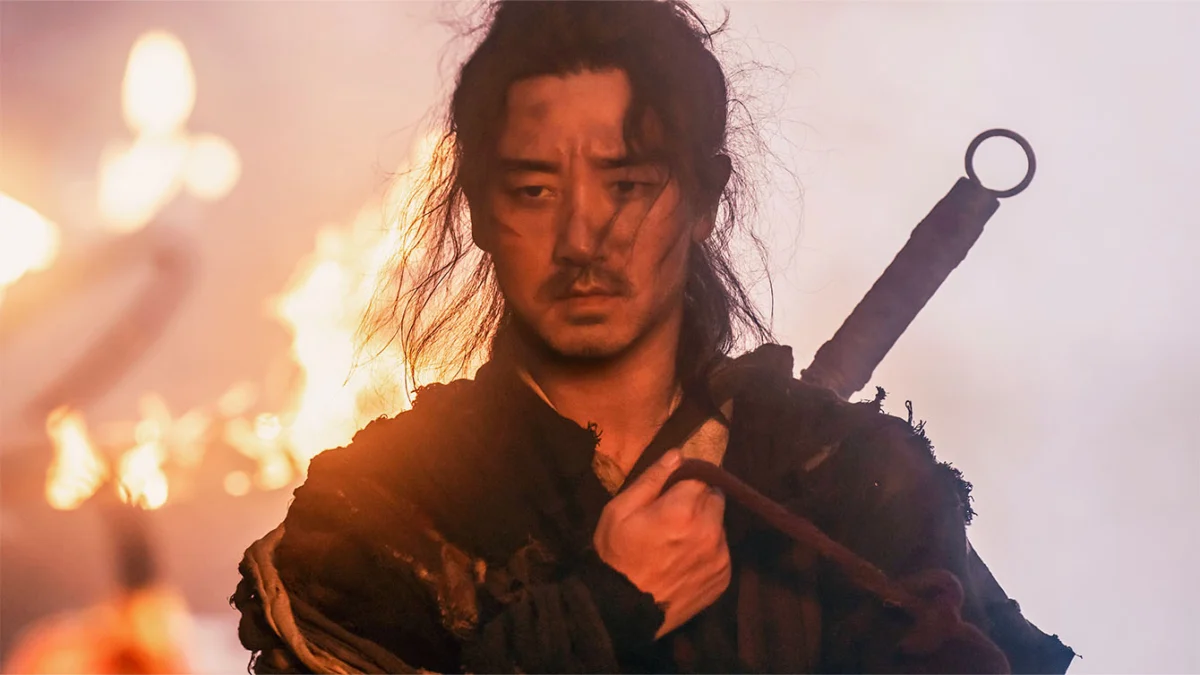
The narrative of "The Butcher’s Blade" centers on Xue Buyi, portrayed by Liu Fengchao, an upright constable thrust into a desperate fight for his reputation and freedom. The crisis ignites when a staggering sum of funds, earmarked for disaster relief efforts, vanishes without a trace. In a swift and politically convenient turn of events, Constable Xue Buyi finds himself framed as the primary suspect. This accusation, levied against a man known for his unwavering integrity, serves as the catalyst for his descent into a shadowy world of intrigue and combat. The film’s premise taps into a perennial theme in Wuxia and crime dramas: the corruption within established power structures and the struggle of an honest individual against overwhelming odds. The disappearance of funds intended for vulnerable populations highlights a societal vulnerability, often exploited by those in positions of power, adding a layer of gravitas to the unfolding events.
A Secret Squad and a Compromised Oath
Facing an untenable situation, with his career in ruins and his liberty at stake, Xue Buyi makes a difficult choice. To clear his name and uncover the truth behind the missing funds, he accepts a clandestine assignment within a secret squad. This specialized unit, ostensibly dedicated to serving and protecting those who can afford their services, operates in the morally ambiguous spaces between law and lawlessness. Within this unit, Xue encounters key figures such as Li Zhen, played by Yuan Fufu, and Huang Shining, portrayed by Chunyu Shanshan. Their shared objective is to operate outside the conventional legal framework, taking on cases that fall beyond the purview of traditional law enforcement, often for a price. This forced alliance places Xue Buyi at a critical juncture, compelling him to reconcile his personal principles with the pragmatic demands of his new operational reality. The film thus explores the classic dilemma of compromising one’s ideals for the sake of survival or achieving a greater good, a narrative arc that resonates deeply within the Wuxia tradition.
The film’s setup effectively positions Xue Buyi as a pawn in a larger, more sinister game. His refusal to participate in what he perceived as a corrupt government infraction—the misappropriation of disaster relief funds—makes him an ideal scapegoat. This initial framing serves to propel him into a position where he must infiltrate the very corridors of power he once served, a strategy common in revenge and redemption narratives within the genre. The introduction of the supporting cast is organically woven into this process, as Xue’s quest for vindication leads him to cross paths with individuals who will become integral to his survival and his mission.
The dynamic between Xue Buyi and Li Zhen is central to the film’s early narrative tension. Their interactions, particularly concerning the disgraced disaster relief office, create friction and suspicion, effectively igniting the mystery surrounding the stolen funds. This conflict serves as a crucial narrative engine, driving Xue’s investigation forward. His subsequent encounter with Huang Shining, who assumes the role of a new instructor at the staff center, further solidifies the ensemble and provides a narrative anchor within the complex hierarchy of the secret squad. While the characters’ motivations are presented with a deliberate simplicity, this straightforward approach allows the plot to move swiftly from one action sequence to the next, maximizing the film’s impact without unnecessary detours.
The Spectacle of Combat: Choreography and Set Pieces
The undisputed strength of "The Butcher’s Blade" lies in its meticulously choreographed and exhilarating combat sequences. The film showcases a roster of highly skilled performers, both named actors and numerous unnamed guards, who engage in impressive battles across a variety of visually rich settings, from bustling city squares to serene temples. These confrontations are not mere filler; they are integral to the storytelling, reinforcing plot developments while providing a platform for showcasing top-tier martial arts choreography.
Several sequences stand out for their creativity and impact. One notable encounter involves a tense skirmish with a government spy amidst the mundane backdrop of hanging laundry, transforming an ordinary setting into a deadly arena. Another particularly memorable scene features a dynamic swordfight set within a fireworks shop. The volatile merchandise surrounding the combatants detonates unpredictably, adding a layer of explosive peril and visual spectacle to the duel. The film’s commitment to this high-octane approach is maintained through to its climactic finale, which delivers thrilling displays of weaponry work that are cleverly tied back to earlier narrative setups, providing a satisfying resolution to the film’s action arcs.
The effectiveness of these sequences can be attributed to the film’s embrace of an "action-first" philosophy. This approach, while visually rewarding, presents a dual-edged sword. The primary drawback stemming from this emphasis is a noticeable lack of narrative depth and character development. Without significant subplots or opportunities for more nuanced dialogue, many of the supporting characters can feel underdeveloped, serving primarily as plot devices or adversaries. The audience is rarely afforded insights into their backstories or personal motivations beyond their immediate roles, which can make it challenging to forge a deep emotional connection to their fates. Furthermore, the proliferation of minor court figures and shifting allegiances can, at times, lead to confusion regarding who is aligned with whom, requiring a focused attention from the viewer to track the intricate web of loyalties.
A Genre Resurgence and Its Cultural Context
The emergence of films like "The Butcher’s Blade" reflects a broader trend within contemporary cinema: the revival and reinterpretation of classic martial arts genres. For decades, Wuxia films, with their emphasis on chivalry, honor, and breathtaking combat, held a significant place in global cinema. While the genre experienced a period of decline in mainstream Western attention, recent years have witnessed a renewed interest, fueled by a combination of nostalgia and a new generation of filmmakers and actors dedicated to preserving and innovating within its traditions.
Films such as "The Grandmaster of Kung Fu" (2014), which explored the life of Wing Chun master Ip Man, and "Twilight of the Warriors: Walled In" (2024), a recent critical and commercial success, have demonstrated the viability and appeal of this genre. "The Grandmaster of Kung Fu" was lauded for its artistic direction and the profound philosophical undertones woven into its action sequences, while "Twilight of the Warriors: Walled In" has been praised for its visceral combat and gritty portrayal of Hong Kong’s Kowloon Walled City. "The Tai Chi Master" (1993), though an older film, is often cited as a benchmark for its innovative use of martial arts and its engaging narrative. These films, and now "The Butcher’s Blade," represent a conscious effort to recapture the magic of classic Hong Kong action cinema, often incorporating elaborate fight choreography, stylized visuals, and straightforward, yet compelling, storylines.
The success of these modern Wuxia films can be attributed to several factors. Firstly, the increasing accessibility of international cinema through streaming platforms and digital distribution has allowed a wider audience to discover and appreciate these genres. Secondly, advancements in filmmaking technology, including special effects and camera techniques, have enabled directors to create even more elaborate and visually stunning action sequences than were possible in the past. Finally, there is a genuine appreciation among a dedicated fanbase for the disciplined artistry of martial arts, the ethical codes often espoused in these narratives, and the distinct cultural flavor that Wuxia films offer.
Analysis of "The Butcher’s Blade" within the Genre Landscape
"The Butcher’s Blade" positions itself as a quintessential old-school martial arts throwback. Its narrative structure is designed primarily to serve as a conduit between its high-octane action set pieces, a strategy that proves surprisingly effective in maintaining pacing and engagement. The film’s strength lies in its commitment to delivering on the promise of exhilarating confrontations. By employing a talented ensemble cast and staging impressive battles across varied environments, the film successfully captures the spirit of classic Wuxia.
However, the film’s "action-first" mentality, while a key selling point for genre enthusiasts, also represents its primary limitation. The trade-off for prioritizing kinetic energy is a discernible lack of narrative and character depth. Without subplots to provide thematic resonance or character development opportunities, many individuals within the story can feel like mere archetypes or functional elements of the plot. This superficiality can hinder the audience’s ability to form a meaningful emotional connection with the characters and their struggles. The complex political landscape, with its numerous minor court figures, can also become difficult to navigate, potentially diluting the focus of the narrative.
Despite these shortcomings, "The Butcher’s Blade" succeeds as a focused and highly enjoyable genre piece. It is a serviceable homage that excels precisely in the areas where it intends to: the action. For viewers seeking a complex, character-driven narrative with intricate subplots, the film might feel somewhat shallow. However, for dedicated fans of traditional kung-fu cinema and Wuxia enthusiasts who appreciate hard-hitting execution and visually impressive fight choreography, "The Butcher’s Blade" offers a satisfying and entertaining experience that pays homage to the genre’s rich heritage. Its release on digital platforms ensures that this throwback to classic martial arts action is accessible to a broad audience eager for the genre’s signature blend of combat and storytelling. The film’s performance on digital platforms and subsequent critical reception will likely provide further insight into its impact on the ongoing resurgence of the Wuxia genre.