



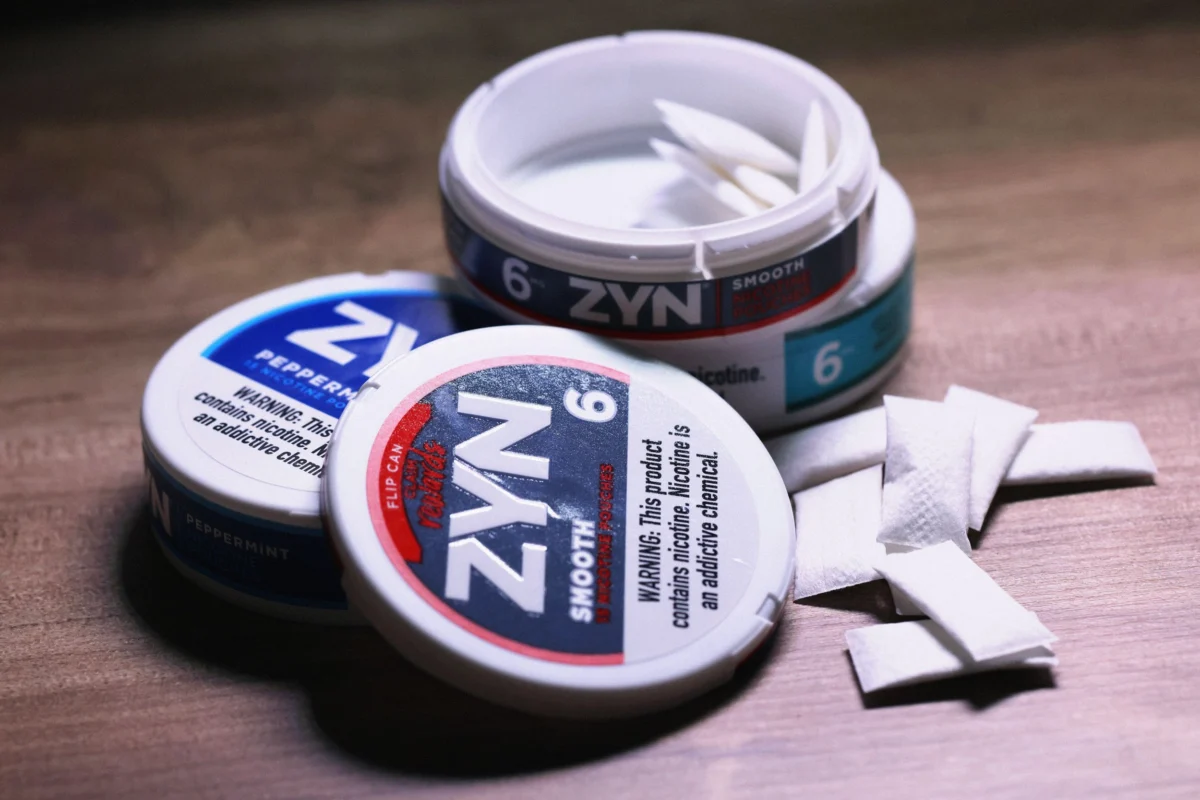
Garrett Campbell, a 26-year-old software company founder, represents a new archetype in the modern workforce: the high-output entrepreneur who views nicotine not as a vice, but as a critical component of his professional toolkit. During his 15-hour workdays, Campbell maintains a 6-mg "cool mint" Zyn nicotine pouch under his lip nearly constantly, removing it only to eat. While he once viewed nicotine use as a "degenerate" habit during his college years, his perspective shifted as he observed a mounting trend among his peers in the technology sector. Today, Campbell asserts that nearly every fellow founder in his circle utilizes nicotine pouches to sustain the cognitive demands of running a high-growth startup.
This shift reflects a broader cultural and industrial transformation. Once associated with the smoke-filled offices of the mid-20th century or the stigmatized "spit tobacco" of rural communities, nicotine has been rebranded in Silicon Valley as a "clean" nootropic—a cognitive enhancer designed to sharpen focus and increase productivity. The market leader in this space, Zyn, owned by Philip Morris International, reported a staggering distribution of 794 million cans in the United States during the last financial year, marking a 37 percent increase over the previous year. This surge suggests that nicotine has moved beyond recreational use, becoming a fundamental stimulant for a generation of workers who approach their careers with the intensity of professional athletes.
The Evolution of the Nicotine Delivery System
The transition from combustible cigarettes to electronic vapes, and finally to oral pouches, represents a strategic evolution in nicotine delivery. Nicotine pouches are typically hockey-puck-shaped tins containing small bags of tobacco-free nicotine salt, combined with food-grade fillers, artificial sweeteners, and synthetic fibers. By removing the smoke, odor, and respiratory irritation associated with traditional tobacco products, manufacturers have successfully decoupled nicotine from its historical "dirty" image.
In the high-pressure environments of tech hubs like San Francisco and Austin, workers are increasingly treating their marathon workdays as performance events. The "racehorse" analogy—dosing with stimulants to maximize output—has become a common refrain. Unlike vaping, which requires an exhale of vapor and is often banned in indoor spaces, pouches are discreet. This "stealth" quality has allowed nicotine to seep into the bloodstream of American industry, with pouches being utilized during board meetings, sales calls, and even during sleep.
The adoption of pouches by corporate entities marks a significant milestone in industrial relations. For example, the AI-driven data analytics firm Palantir has reportedly offered free nicotine pouches in its offices. This gesture mirrors the 19th-century practice of factory owners allowing smoke breaks to maintain worker morale, yet it adapts the concept for a 21st-century "optimization" culture that prioritizes continuous presence at the desk.
A Chronology of the Modern Nicotine Surge
The rise of the nicotine pouch did not occur in a vacuum. Its trajectory can be traced through several distinct phases over the last decade:
- The Athletic Foundation (2010–2020): Nicotine pouches and their predecessor, snus (which contains tobacco), have been staples in professional sports for years. In the United Kingdom, surveys have indicated that as many as one in five professional footballers use nicotine pouches to manage pre-match anxiety or enhance alertness.
- The Silicon Valley Adoption (2020–2022): During the shift to remote and hybrid work, tech workers began seeking "biohacks" to maintain focus during long hours of isolation. Nicotine’s ability to provide a "calm-alert" state made it an attractive alternative to the jitters often caused by excessive caffeine consumption.
- The "Manosphere" and Cultural Proliferation (2023–Present): The product gained massive visibility through endorsements in the "manosphere"—a digital subculture focused on masculinity, fitness, and financial success. High-profile figures such as Joe Rogan, Tucker Carlson, and various UFC athletes have openly discussed or promoted pouch use, framing it as a tool for the "bold" and "performance-driven."
- Political and Celebrity Normalization (2024): The product has reached the highest levels of American visibility. U.S. Health Secretary Robert F. Kennedy Jr. has publicly referred to pouches as a safe alternative to smoking. Public appearances by celebrities like Leonardo DiCaprio and Josh Brolin with pouches visible have further cemented the product’s status as a mainstream lifestyle accessory.
Data and Market Dynamics
The financial implications of this trend are profound. The nicotine pouch industry is currently a multibillion-dollar sector characterized by rapid expansion and aggressive brand diversification. Philip Morris International’s 37 percent year-over-year growth for Zyn is indicative of a broader market "gold rush."
New brands are entering the market with specific demographic targeting. Tucker Carlson launched "ALP" (American Lip Pillow) in 2024, explicitly marketing it to former smokers and those seeking a "happier" disposition. Partnerships between brands like Fre and the UFC highlight a marketing strategy that aligns nicotine with physical toughness and competitive edge. This commercial infrastructure is supported by a global distribution network, with UK-based entities like Snusvikings utilizing sophisticated digital advertising to target users across international borders.
The Nootropic Argument: Cognitive Benefit vs. Dependency
The primary justification for nicotine use among tech elites is its purported "nootropic" benefit. Nootropics are substances that may improve cognitive function, particularly executive functions, memory, creativity, or motivation, in healthy individuals.
Nick Bostrom, the philosopher and author of Superintelligence, is a proponent of nicotine’s cognitive benefits. Bostrom, who uses nicotine-coated toothpicks, cites its effects on memory and concentration as a reason for his long-term use. He distinguishes his "pure" delivery method from pouches, which he views as containing unnecessary "gunk" or additives. Bostrom’s perspective—viewing the human mind as a "machine" that can be tuned—is central to the Silicon Valley ethos.
However, the scientific community remains divided. Brian Erkkila, Director of External Affairs and Head of Scientific Engagement at Philip Morris International US, has noted that while nicotine is a stimulant, the scientific evidence is "not solid enough" to definitively claim broad cognitive benefits. While nicotine floods the brain with dopamine and can temporarily sharpen focus, it is also one of the most highly addictive substances known to man.
Cory Firth, an entrepreneur and "flow-state" coach, illustrates the precarious balance of this dependency. Firth utilizes a system of four-week cycles of use followed by periods of abstinence to manage his baseline neurochemistry. He admits that the first few days of abstinence are difficult, as the brain struggles to regain its natural focus without the chemical stimulant.
Health Implications and the "Clean" Nicotine Debate
The central tension in the rise of nicotine pouches lies in the definition of "clean." Advocates like biohacking pioneer Dave Asprey argue that nicotine is a near-perfect psychotropic because it can either stimulate or relax the user depending on their state of arousal. Asprey, however, is critical of mainstream pouch brands that use synthetic fibers and artificial additives, which he claims may include microplastics. He has instead invested in alternative brands like Lucy, which he markets as a healthier option.
Conversely, some of the most prominent voices in the longevity and health optimization movement remain staunchly opposed to the trend. Bryan Johnson, a biohacker famous for his "Blueprint" longevity protocol, has warned his followers that nicotine is not a harmless hack. Johnson emphasizes that the trade-off for a short-term boost in focus is a loss of autonomy through addiction. Furthermore, health professionals have raised concerns about the localized effects of pouches, including gum recession, oral lesions, and persistent irritation of the mouth lining.
The comparison to vaping is also a point of concern for public health experts. Early marketing for electronic cigarettes similarly framed them as a "clean" and "safe" alternative to smoking, only for later research to reveal significant respiratory and cardiovascular risks. Garrett Campbell acknowledged this possibility, noting that the current "good" reputation of pouches might eventually be overturned by future medical studies.
Broader Impact and Industrial Implications
The normalization of nicotine pouches in the workplace suggests a shift in how society views stimulant-assisted labor. As the boundary between professional and personal life continues to blur, the pressure to maintain peak performance has led to a "medicalization" of the workday.
For the technology sector, the adoption of pouches reflects a wider trend of "optimization culture," where every aspect of human biology—from sleep cycles to caloric intake to neurochemistry—is treated as a variable to be manipulated for maximum efficiency. While this has led to incredible bursts of innovation and productivity, it also raises questions about the long-term sustainability of a workforce that relies on constant chemical stimulation to meet its objectives.
As the industry continues to grow, it is likely to face increased regulatory scrutiny. The involvement of political figures like Robert F. Kennedy Jr. suggests that nicotine pouches will become a focal point in debates over tobacco harm reduction and public health policy. For now, however, the "hockey-puck" tin remains a ubiquitous fixture on the desks of Silicon Valley, serving as both a symbol of the modern hustle and a reminder of the enduring power of nicotine to adapt to the changing needs of the global economy.