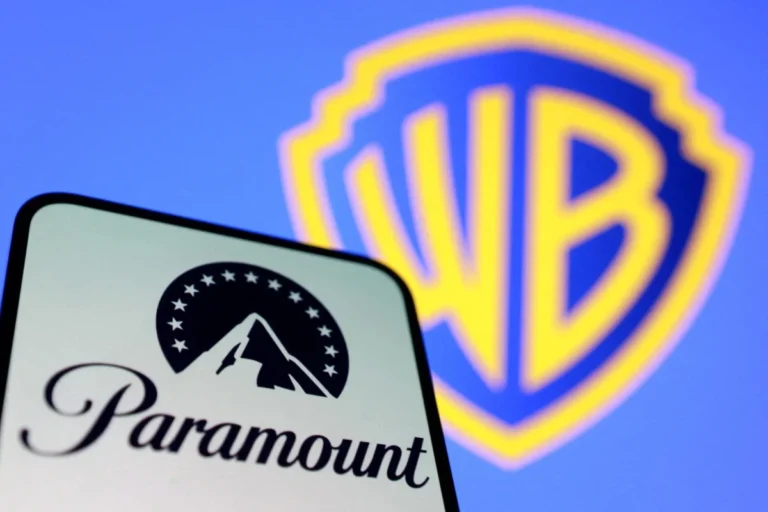



The board of directors at Warner Bros. Discovery is officially exploring the possibility of reopening sale negotiations with Paramount Skydance, signaling a potential shift in one of the most significant corporate battles in the history of modern media. This development follows the receipt of an amended and "sweetened" offer from Paramount, which aims to disrupt an existing agreement between Warner Bros. Discovery and Netflix. According to sources familiar with the matter, the revised proposal includes substantial financial incentives designed to mitigate regulatory risks and compensate for the costs associated with breaking the current deal with Netflix. This strategic move by Paramount Skydance highlights the escalating desperation and ambition within the entertainment sector as legacy giants and streaming pioneers vie for dominance in a rapidly consolidating landscape.
The Evolution of the Three-Way Bidding War
The current corporate tug-of-war traces back to December 2025, when Warner Bros. Discovery initially reached a definitive agreement to sell its prestigious film studio and the HBO Max streaming platform to Netflix. That deal, valued at $27.75 per share, was seen at the time as a transformative moment for Netflix, transitioning the company from a tech-centric distributor into a traditional Hollywood powerhouse with a deep library of intellectual property. However, the ink was barely dry on the agreement when Paramount, recently merged with Skydance Media, launched a hostile counter-bid.
Paramount’s initial foray in late 2025 offered shareholders $30 per share in an all-cash transaction, representing a significant premium over the Netflix offer. Despite the higher price tag, the Warner Bros. Discovery board remained hesitant, citing the complexities of a Paramount merger, potential antitrust hurdles, and the stability of the Netflix deal. The landscape shifted dramatically last week when Paramount Skydance upped the ante, introducing a series of financial guarantees aimed at removing the board’s fiduciary concerns.
The centerpiece of the new offer is a "ticking fee" of 25 cents per share, which would be added to the purchase price for every quarter the deal remains unclosed past December 31, 2026. This mechanism is specifically designed to address the "regulatory drag" that often kills large-scale media mergers. In practical terms, this ticking fee represents an estimated $650 million in additional cash value per quarter. By offering this, Paramount is essentially betting on its ability to navigate the Department of Justice and Federal Trade Commission, while promising shareholders that their patience will be rewarded with cold, hard cash.
Analyzing the Financial Sweeteners and Debt Restructuring
Beyond the per-share price and the ticking fee, Paramount Skydance has addressed the "breakup" problem that often tethers companies to inferior deals. If Warner Bros. Discovery decides to pivot away from Netflix, it would be contractually obligated to pay a $2.8 billion termination fee. In its amended offer, Paramount has committed to covering this entire fee, effectively neutralizing the financial penalty of switching partners.
Furthermore, Paramount has proposed a sophisticated debt management plan. The media industry has been plagued by high interest rates and the massive debt loads carried by legacy companies like Warner Bros. Discovery, which has spent years attempting to deleverage following its spin-off from AT&T. Paramount’s proposal includes a provision to eliminate approximately $1.5 billion in possible debt refinancing costs. This is a crucial detail for institutional investors who are wary of the long-term balance sheet health of the combined entity.
The financial breakdown of the two competing offers now stands as follows:
- Netflix Offer: $27.75 per share; established integration plan; lower regulatory risk due to Netflix’s lack of traditional linear television assets.
- Paramount Skydance Offer: $30.00 per share; $2.8 billion termination fee coverage; $650 million quarterly ticking fee; $1.5 billion in debt savings; higher regulatory risk due to the overlap of CBS and Warner-owned networks.
A Timeline of the Warner Bros. Discovery Sale Process
The journey to this pivotal moment has been marked by several key milestones over the past few months:

- September 12, 2025: Speculation begins regarding a major divestiture at Warner Bros. Discovery as the company seeks to maximize the value of its studio assets.
- December 5, 2025: Warner Bros. Discovery and Netflix announce a blockbuster deal for the sale of the film studio and HBO Max at $27.75 per share.
- December 8, 2025: Paramount Skydance enters the fray with a hostile $30 per share all-cash bid, catching the industry by surprise.
- January 2026: Market analysts express skepticism regarding Paramount’s ability to clear regulatory hurdles, leading to a temporary cooling of interest in their bid.
- February 10, 2026: Paramount submits its amended offer, introducing the ticking fee and termination fee coverage to address board concerns.
- February 15, 2026: Reports emerge that the Warner Bros. Discovery board is officially weighing the reopening of negotiations with Paramount.
Regulatory Landscape and Antitrust Considerations
The primary obstacle for a Warner Bros.-Paramount merger remains the regulatory environment. Under current antitrust scrutiny, the combination of two of the "Big Five" film studios, along with the merging of major television networks like CBS (owned by Paramount) and the various cable properties owned by Warner (such as CNN, TNT, and TBS), would likely trigger an intense investigation by the Department of Justice.
In contrast, a Netflix acquisition of Warner’s studio and streaming assets is viewed by many legal experts as "vertical integration" rather than "horizontal." Since Netflix does not own a traditional broadcast network or a significant portfolio of linear cable channels, the overlap is minimal. This perceived path of least resistance was a major factor in the board’s initial preference for the Netflix deal.
However, the introduction of the ticking fee by Paramount Skydance changes the calculus. If the board believes that the deal will eventually be approved—even if it takes two years—the extra $2.6 billion in annual ticking fees could make the wait worthwhile for shareholders. It effectively shifts the "risk of delay" from the sellers to the buyers.
Industry Implications: The Great Consolidation of 2026
The battle for Warner Bros. Discovery is more than just a corporate transaction; it is a referendum on the future of the entertainment industry. For Netflix, acquiring Warner’s assets would represent a final victory over the "old guard" of Hollywood, giving them control over iconic franchises such as DC Comics, Harry Potter, and the vast Warner Bros. film library. It would solidify Netflix not just as a technology platform, but as the world’s preeminent content owner.
For Paramount Skydance, the acquisition is a matter of survival. In an era where scale is the only defense against the dominance of Disney and the deep pockets of Big Tech (Apple and Amazon), a combined Warner-Paramount entity would possess the library and production capacity necessary to compete at the highest level.
Industry analysts suggest that this bidding war could prompt Netflix to raise its own offer. Bloomberg reports that both parties have signaled a willingness to increase their bids to secure the deal. If Netflix raises its price to match or exceed $30 per share, the board would likely favor them due to the lower regulatory hurdles. However, Paramount’s willingness to pay for the "cost of time" through ticking fees remains a unique and compelling leverage point.
Potential Outcomes and Market Reaction
As the Warner Bros. Discovery board deliberates, the market has reacted with cautious optimism. Shares of WBD saw a modest uptick following the news of the reopened talks, as investors anticipate a bidding war that could drive the final sale price even higher.
There are three primary scenarios that experts are currently monitoring:
- The Netflix Pivot: Netflix raises its bid to $31 or $32 per share, effectively pricing out Paramount and convincing the board to stick with the "cleaner" regulatory path.
- The Paramount Victory: The board decides that the $30 price plus the ticking fees and debt savings offer superior value, choosing to endure the regulatory battle in exchange for a higher payout.
- The Breakup Scenario: Regulators signal an immediate and insurmountable opposition to the Paramount deal, forcing Warner Bros. Discovery to finalize the Netflix transaction as originally planned.
While the outcome remains uncertain, the aggressive maneuvers by Paramount Skydance have successfully forced Warner Bros. Discovery back to the table. In the high-stakes world of media M&A, the "sweetened" terms have turned a seemingly closed door into a wide-open negotiation. The coming weeks will be critical as both suitors prepare their final arguments to one of the most storied boards in Hollywood history. For now, the "once-in-a-lifetime opportunity," as described by industry insiders, remains up for grabs, with the future of global media hanging in the balance.